BTC $81,449.74 -0.84%
ETH $2,397.46 -1.23%
BNB $743.80 +1.01%
XRP $1.32 -1.27%
SOL $104.19 -0.11%
TRX $0.3295 -0.41%
DOGE $0.0798 +0.34%
ADA $0.2159 -0.57%
BCH $285.64 +3.39%
LINK $12.16 -0.14%
HYPE $78.42 +0.00%
AAVE $149.62 +0.56%
SUI $0.9941 +0.29%
XLM $0.1773 -0.88%
ZEC $1,218.19 -4.70%
AAPL $347.04 +0.64%
AMZN $250.75 -3.05%
GOOGL $325.31 -1.47%
MSFT $518.41 -2.07%
META $648.83 -7.03%
NVDA $214.43 -1.19%
TSLA $376.77 +2.19%
SNDK $1,295.10 -2.12%
INTC $87.36 -1.18%
SPCX $147.94 -4.77%
MU $877.87 -0.48%
AMD $516.62 -3.00%

qt

Tất cả
Bài viết
Tin nhanh

SEC kiện cựu giám đốc của Linqto: bị cáo buộc lừa đảo các nhà đầu tư bán lẻ hơn 430 triệu USD

Theo thông tin từ trang web chính thức của Ủy ban Chứng khoán và Giao dịch Hoa Kỳ (SEC), vào ngày 9 tháng 10 năm 2026, SEC đã chính thức kiện các cựu giám đốc của công ty Linqto là William Sarris và Joseph Endoso, cáo buộc hai người này đã thực hiện gian lận khi bán cổ phần của các công ty kỳ lân Pre-IPO cho các nhà đầu tư bán lẻ thông qua nền tảng trực tuyến của họ.Từ năm 2021 đến năm 2024, các công ty con của Linqto đã bán tổng cộng hơn 430 triệu USD công cụ mục đích đặc biệt (SPV) cho các nhà đầu tư bán lẻ. SEC cáo buộc hai người này đã vi phạm: báo giá sai thấp hơn giá thị trường (trên thực tế hầu hết đều cao hơn giá trị hợp lý), nói dối rằng cổ phiếu "đã bán hết", giả mạo rằng giá được thiết lập động bởi thuật toán (trên thực tế là định giá thủ công), và tuyên bố tuân thủ mặc dù biết rằng mình đang vi phạm. Ngoài ra, hai người này còn bị cáo buộc điều hành một công ty đầu tư chưa đăng ký một cách bất hợp pháp và bán chứng khoán chưa đăng ký cho các nhà đầu tư không đủ điều kiện.SEC yêu cầu áp dụng lệnh cấm đối với hai người này, thu hồi lợi nhuận bất hợp pháp và lãi suất, áp dụng hình phạt dân sự, và cấm họ đảm nhiệm vị trí giám đốc hoặc thành viên hội đồng quản trị của các công ty niêm yết trong tương lai. Vụ án này được văn phòng khu vực San Francisco của SEC dẫn dắt điều tra, và nhận được sự hỗ trợ từ văn phòng công tố liên bang khu vực phía Nam New York và FBI.

4E: Japan's interest rate hike expectations trigger a chain reaction, Bitcoin falls below 84,000, and the end of QT by the Federal Reserve becomes a key variable

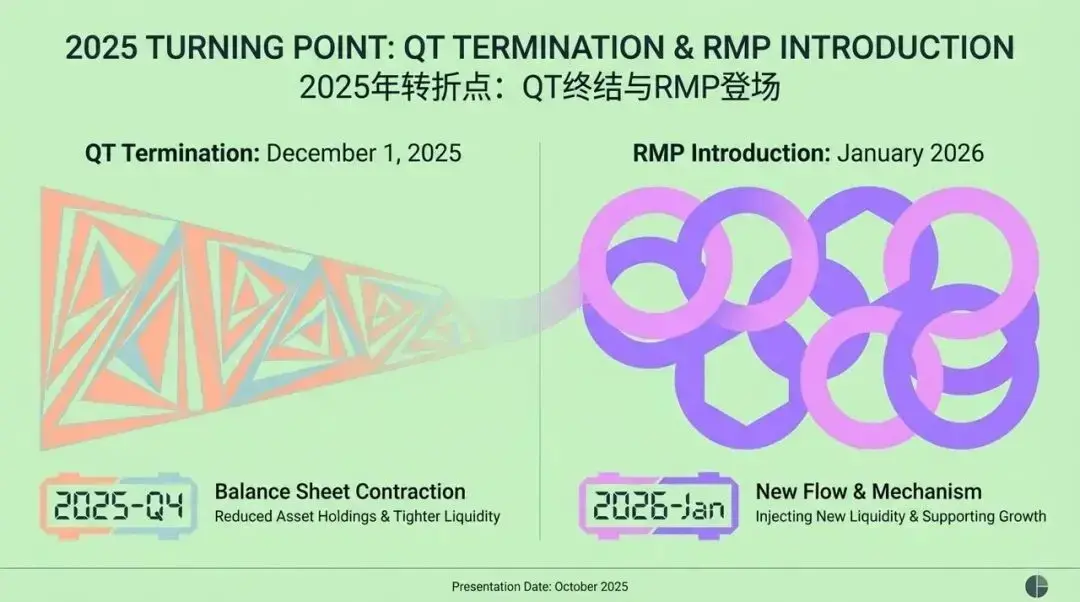
According to 4E observations, market sentiment suddenly turned cold on December 1, with Bitcoin briefly dropping to $83,786, a nearly 30% decline from the early October peak. The core trigger came from a sharp rise in expectations for a rate hike by the Bank of Japan: traders priced in a 76% chance of a rate hike in December, and nearly 90% for January next year. After Ueda Kazuo signaled "preemptive tightening," Japan's two-year government bond yield rose to a 16-year high, and funds began to rapidly adjust for a potential policy shift. The rate hike expectations have backfired on global risk assets, with yen carry trades seen as a potential systemic risk point—markets still remember the turmoil caused by the yen's sharp rise in August this year, which triggered a global chain sell-off.Another heavy blow came from MicroStrategy (MSTR). The company announced a cash reserve of $1.44 billion and for the first time acknowledged the possibility of selling Bitcoin under certain conditions, shaking its core narrative of "never selling." The stock plummeted by 12% at one point. Although it still increased its holdings by 130 BTC last week, the pressure from debt combined with market turbulence has made sentiment more sensitive.On the macro front, the probability of a 25bp rate cut by the Federal Reserve in December rose to 87.6%, and QT will officially end today. Over the past two years, QT has withdrawn more than $2 trillion in liquidity, and stopping the balance sheet reduction is seen as a key event for the current liquidity bottom, which may help ease short-term market panic.4E Commentary: The expectations of a rate hike in Japan and MSTR's "selling" hint have triggered a rapid repricing of sentiment, compounded by declining trading volumes and the looming risk of yen carry trades, leaving the short-term market in a fragile range. The end of QT by the Federal Reserve is one of the few positive signals, which will determine whether risk assets can enter a "policy buffer period." A restoration of risk appetite will need to wait for the implementation of Japanese policies and a stabilization signal from BTC to resonate.
app_icon
ChainCatcher Building the Web3 world with innovations.