








Why is it said that the current stage of NFTs is like the early World Wide Web of the 1990s?

 The era of "hyperlink" NFTs is about to arrive.
Written by: Benny Giang
Translated by: MetaCat
NFTs from around 2017 to 2022 were similar to early websites from the 1990s.
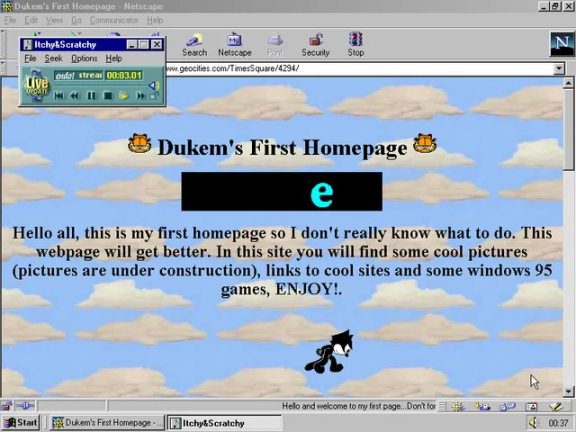
Early websites were often built by people with limited programming knowledge (like myself) using basic HTML and CSS. They tended to be static, difficult to update or expand, and were designed for a single specific purpose.

The launch of the Web in 1989 marked the beginning of the "hyperlink" era, enabling easy navigation, restructuring of content, and democratization of knowledge sharing with the launch of the first website in 1991.

In the next phase of NFTs, they will increasingly resemble current applications (Apps) or websites, and ultimately become autonomous agents, providing enhanced functionality and better user experiences!
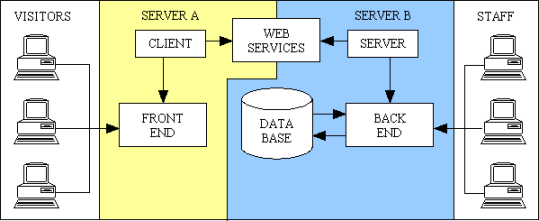
Assuming NFTs will move towards a more dynamic and stateful future, we can break down the on-chain stack of NFTs into a structure similar to current websites:
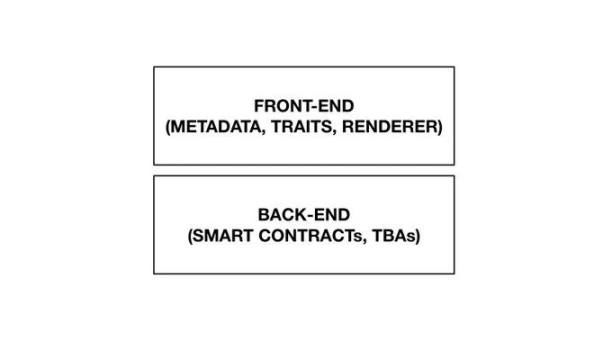
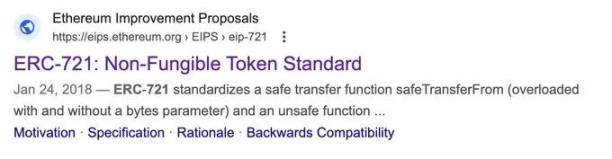
There are already numerous standards and protocols operating in the "frontend" space of NFTs, such as: ERC 4906, 7496, 721M, 721TL, etc. They mainly focus on modifying artworks, metadata descriptions, features, and visual content. Related projects include: Prrf beauty, Mathcastles, area.tech, etc.
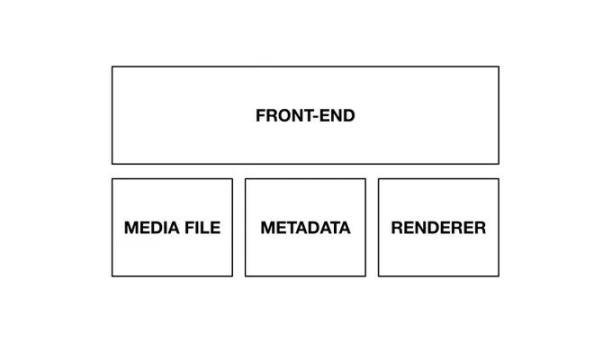
However, in the "backend" space of NFTs, there has not been much innovation over the past six years (from 2017 to now). All state logic is either located on custom contracts or centralized databases, indexing on-chain events for gameplay and other scenarios through centralized databases. The downside is that this approach has no utility at all.
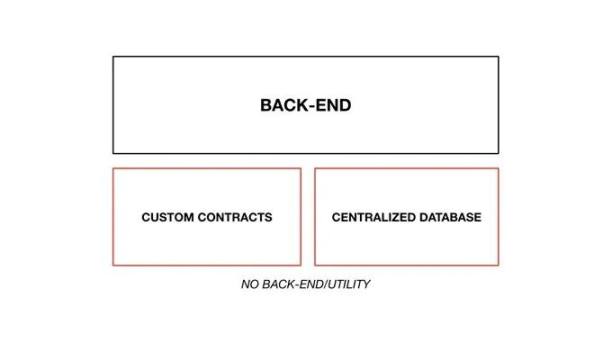
Thanks to ERC-6551, for the first time in history, we have a standardized on-chain "backend" for NFTs.
Custom contracts, including the ones we wrote for CryptoKitties and CHZWZRDS, are indeed great, but they essentially lack composability.
TBA is the universal account/utility layer for NFTs.

What does all this have to do with hyperlinks and 1990s websites?
NFTs and websites will both experience similar booms.
No one knows the functions or uses of NFTs/websites, but everyone knows they will change everything.
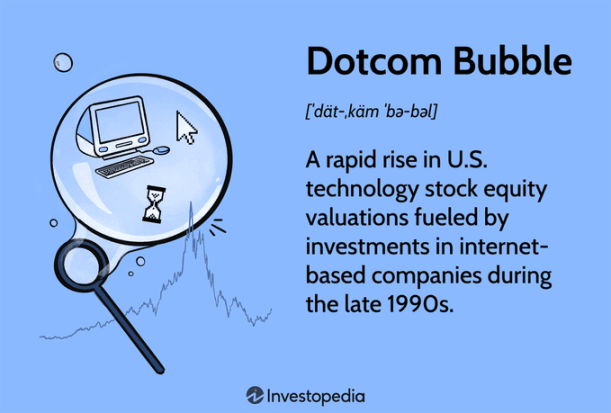
If everyone had given up on websites/the internet after the dot-com bubble burst, we would have missed out on truly important and interesting applications/products in the long run, such as: eBay, Google, Facebook, Uber, Airbnb, etc.
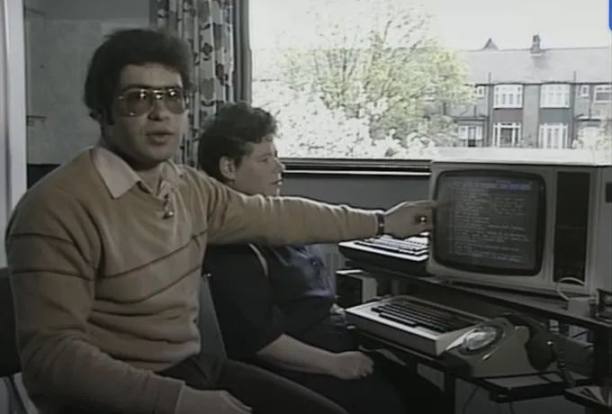
The past can sometimes foreshadow the future.
The still-nascent NFTs have enormous growth potential, but they must double down from the start to differentiate themselves:
- Digital Uniqueness
- Ownable Items
- Verifiable History

Image source: https://www.youtube.com/watch?v=bERVm10ryhY
We are about to witness an explosive growth of the "hyperlink" era (or as @js_horne calls it, hypermedia/crypto media).
NFTs are beginning to link to other on-chain tokens and create what we call a token graph of ownership and relationships, thus achieving "on-chain" hyperlinks.
Hyperlinks fundamentally enhanced websites, just as Wikipedia did for the information highway. Replacing "NFT" with "website" makes the meaning obvious.
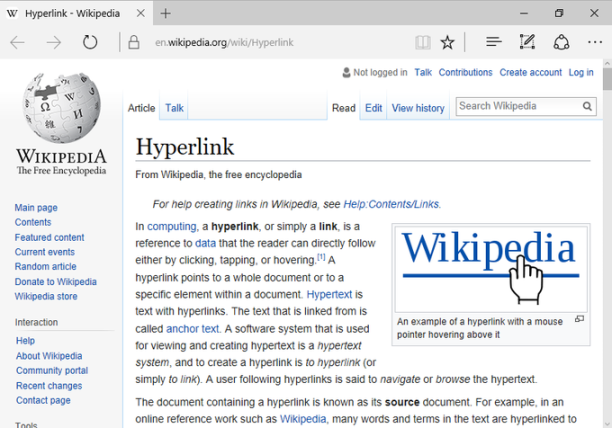
NFTs will naturally start linking to other on-chain objects/tokens in the following ways:
ERC-6551 gives more meaning, depth, and narrative to our shared on-chain history, just as hyperlinks provide important contextual information for the Web.
Years from now, you will no longer refer to NFTs as "overpriced JPEGs." They will become blockchain-driven, internet-native exemplars, creating increasingly rich and fantastical experiences, flowing seamlessly from one token to another. More importantly, that’s when the fun begins!
 Risk warning
 Risk warning
Popular articles





