



The frenzy of inscriptions has given rise to the BTC L2 narrative. What other projects have yet to be discovered for their value?
 This article will delve into the Bitcoin L2 ecosystem and provide two relatively less mentioned projects: Tectum and BEVM.
Written by: Deep Tide TechFlow
As the FOMO sentiment around Bitcoin inscriptions heats up, issues such as high transaction fees and slow settlement speeds on the Bitcoin network are becoming increasingly prominent.
The narrative in the crypto world is cyclical; years ago, there was a major discussion surrounding Bitcoin's performance issues, and various scaling solutions emerged at that time.
Solutions like increasing block space, sidechains, and the Lightning Network gradually came to light and remained somewhat lukewarm.
However, today, with the urgent need for inscription transactions, the market has once again awakened the desire for Bitcoin scaling; related solutions have the potential to become the focus of the narrative.
Among them, BTC-based Layer 2 (L2) solutions are starting to shine.
The most obvious trend is the rapid influx of funds. Some Bitcoin L2 projects that previously did not attract much attention have also reaped benefits. For example, established Bitcoin L2 projects like STX and Rif have seen increases of 93.6% and 38.7% respectively in the past week.
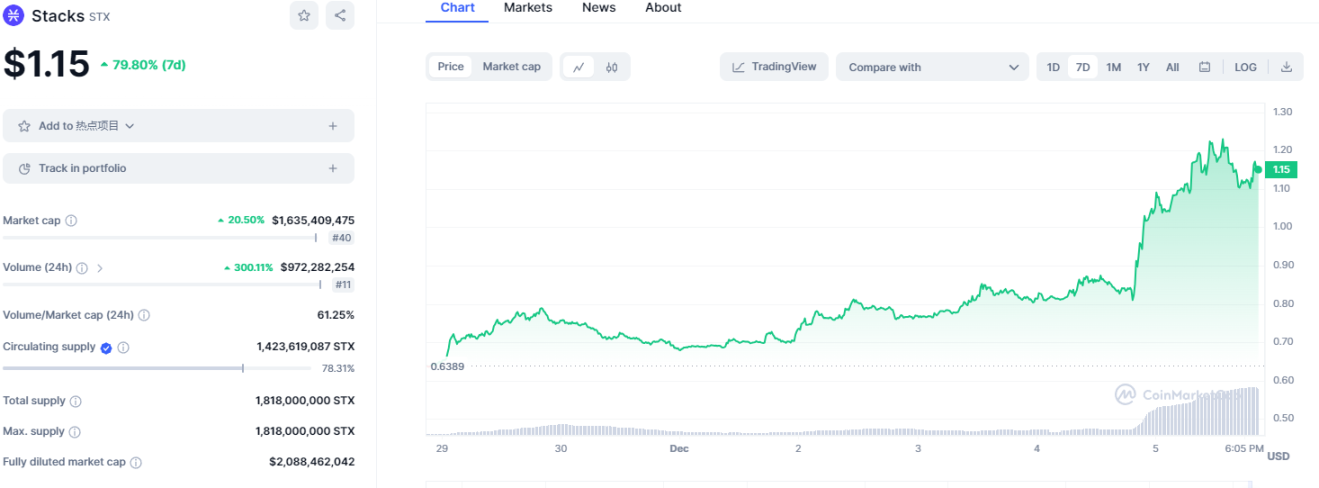
Most Bitcoin L2 projects in exchanges have already been discovered by the market; what other earlier Alpha projects are worth paying attention to?
This article will delve into the Bitcoin L2 ecosystem and provide insights into two relatively less mentioned projects: Tectum and BEVM.
1. Tectum: A Payment Transfer System Independent of BTC
Tectum Softnote is a BTC Layer 2 scaling solution that provides instant, free cryptocurrency transfers anywhere in the world.
How does Tectum achieve these functionalities?
Before understanding Tectum Softnote, it's essential to understand Tectum.
Tectum is a complete set of distributed ledger protocols, and its ecosystem includes Tectum Blockchain, Tectum Wallet, Tectum Token (TET), Tectum SoftNote, and a 3FA authentication application.
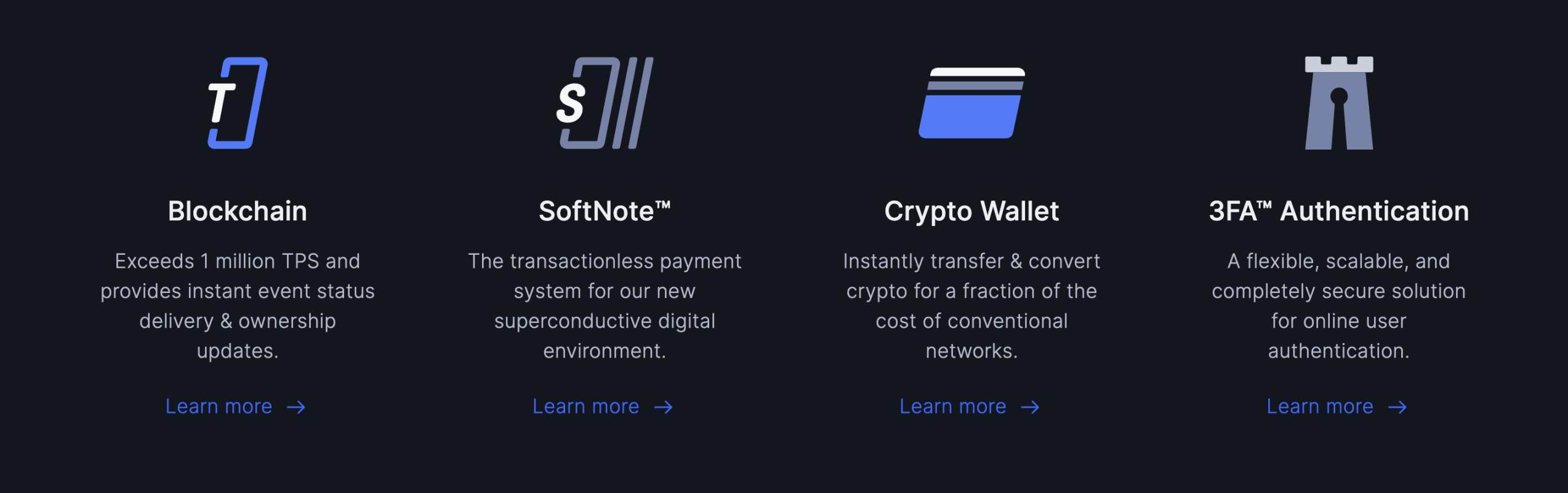
Tectum Blockchain uses a proprietary record change signature management algorithm—HashDrive. This algorithm can achieve transaction speeds exceeding 1 million per second and provides instant event state transmission and ownership updates across blockchain networks, as well as distributed access levels to functional system modules.
In simple terms, this algorithm enables fast transaction speeds, and the blockchain adopts a layered structure, storing raw data at lower levels to achieve a balance between high security and high speed.
This structure makes Tectum a coverage network solution for blockchains like Bitcoin, avoiding congestion and high fees on the native network. Based on this technology, Softnote was born.
Softnote is a new tool based on the Tectum blockchain that enables fast transactions without incurring any fees. Let's understand how it operates through a tutorial on using Softnote:
Create a Softnote wallet—Tectum uses wallets generated by Bitcoin nodes.
Mint SoftNote bills—Minter (Mt) spends TET to mint SoftNote bills, each assigned a unique serial number. Currently, SoftNote can only be minted on the Tectum Softnote platform.
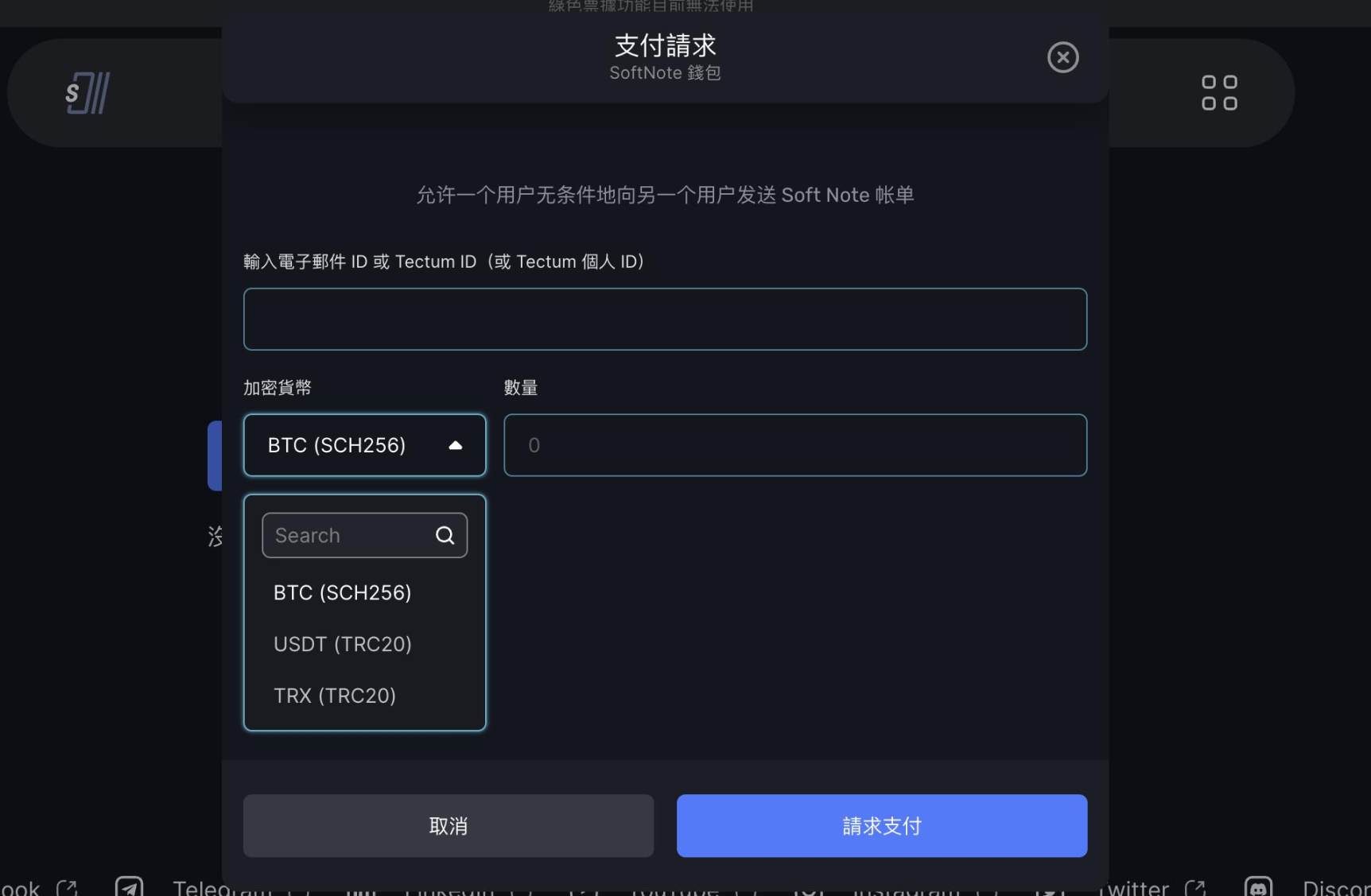
Fill liquidity—Liquidity providers (LP) transfer BTC/Crypto to the BTC/Crypto wallet of the SoftNote bill they wish to fill.
Issue into circulation—Liquidity providers sell their SoftNote bills to end users at different nominal values.
Revenue generation—End users use the bills for purchases, and if used for transactions, the recipient needs to pay a fee of up to 1%.
Transfers between users can be completed via email and are not recorded on the Bitcoin blockchain. Therefore, SoftNote can achieve zero-fee, instant transactions with complete privacy.
Thus, essentially, Tectum SoftNote creates another form of "bill credential" outside the BTC network, allowing users to transfer and transact using these bill credentials.
Tectum's Token Economics
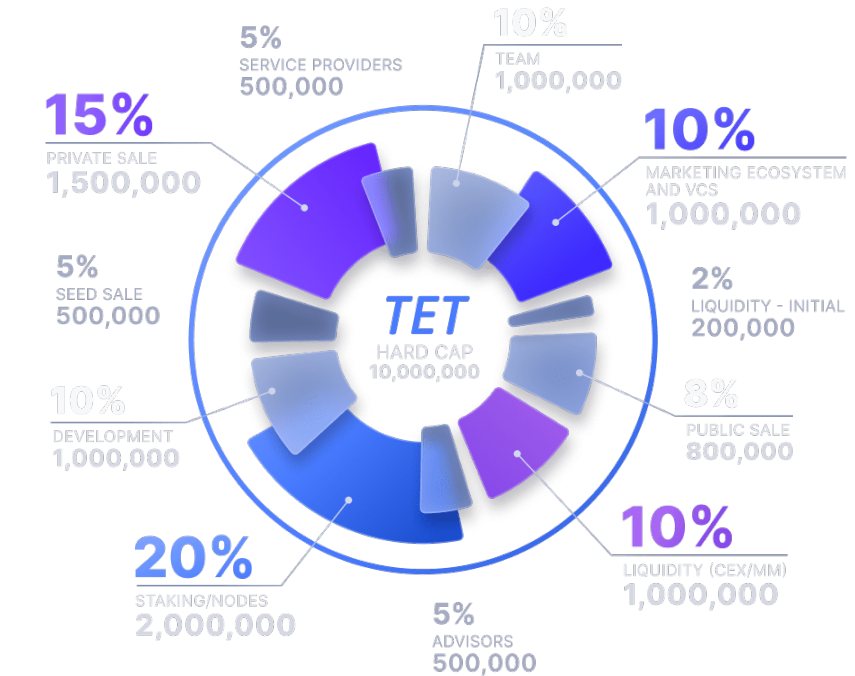
Among them, the Tectum (TET) token is the native token of the project. As mentioned above, it serves the purpose of minting Softnote; in addition, it can reduce the fees charged to merchants receiving bills and grant access to other Tectum products.
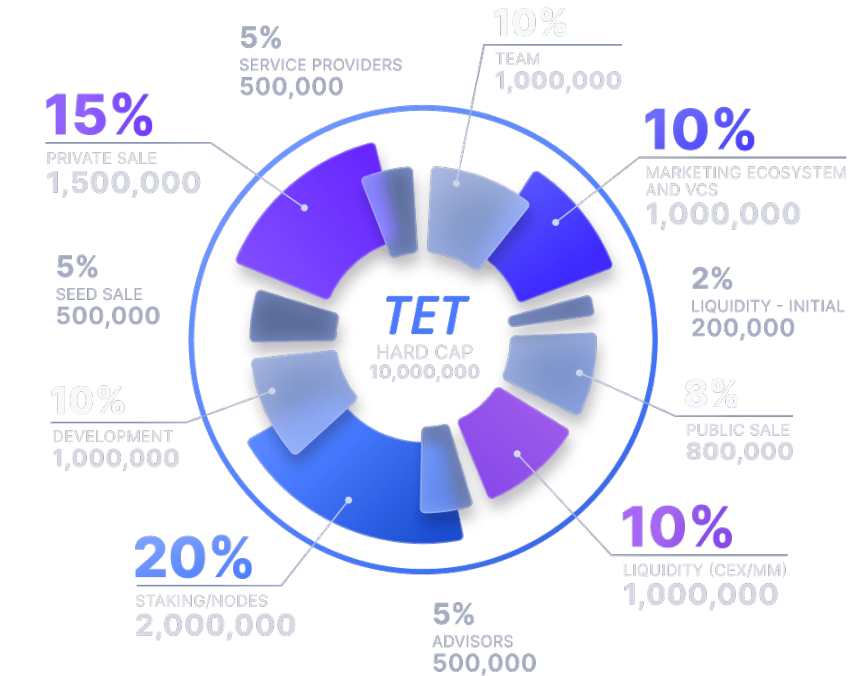
The total supply of TET tokens is fixed at 10 million, with 15% allocated for private sales, 20% for staking and nodes, 10% for liquidity provision, and 10% for marketing.
2. BEVM: EVM-Compatible L2 on Bitcoin
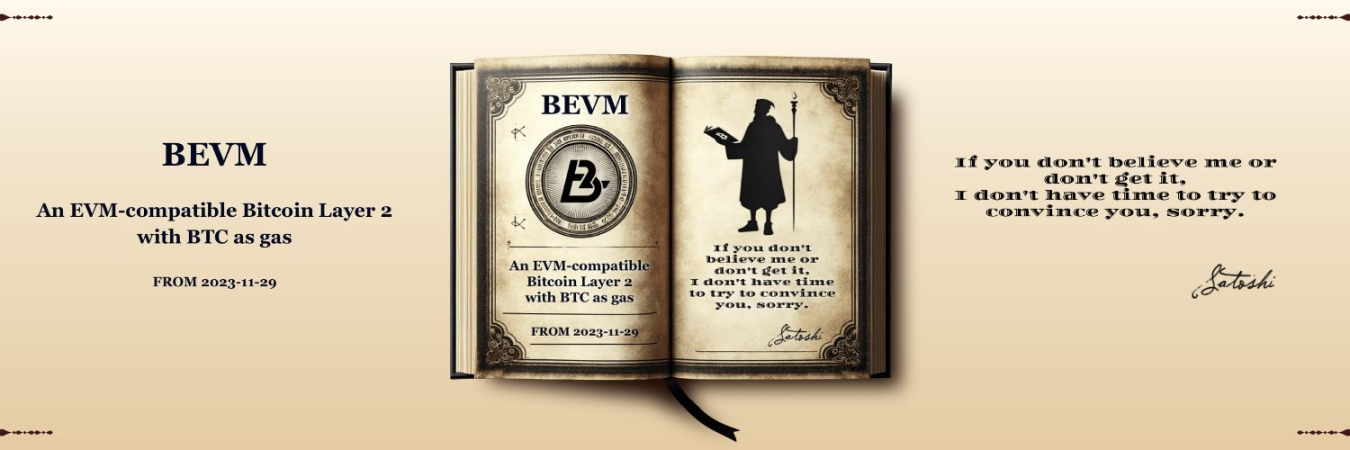
BEVM is the first fully decentralized EVM-compatible Bitcoin L2, supporting wallets like Metamask, development frameworks like Truffle/Hardhat, and the Solidity programming language.
At the same time, BEVM uses BTC as GAS; applications on Layer 2 will use BTC as Gas. Most importantly, BEVM is fully EVM-compatible, allowing DeFi, GameFi, and other applications that can run in the EVM ecosystem to be seamlessly migrated to Bitcoin Layer 2. In the future, BEVM will also be compatible with more non-EVM Layer 1 networks, thereby expanding BTC and BTC chain assets to any chain, maximizing the Bitcoin ecosystem.
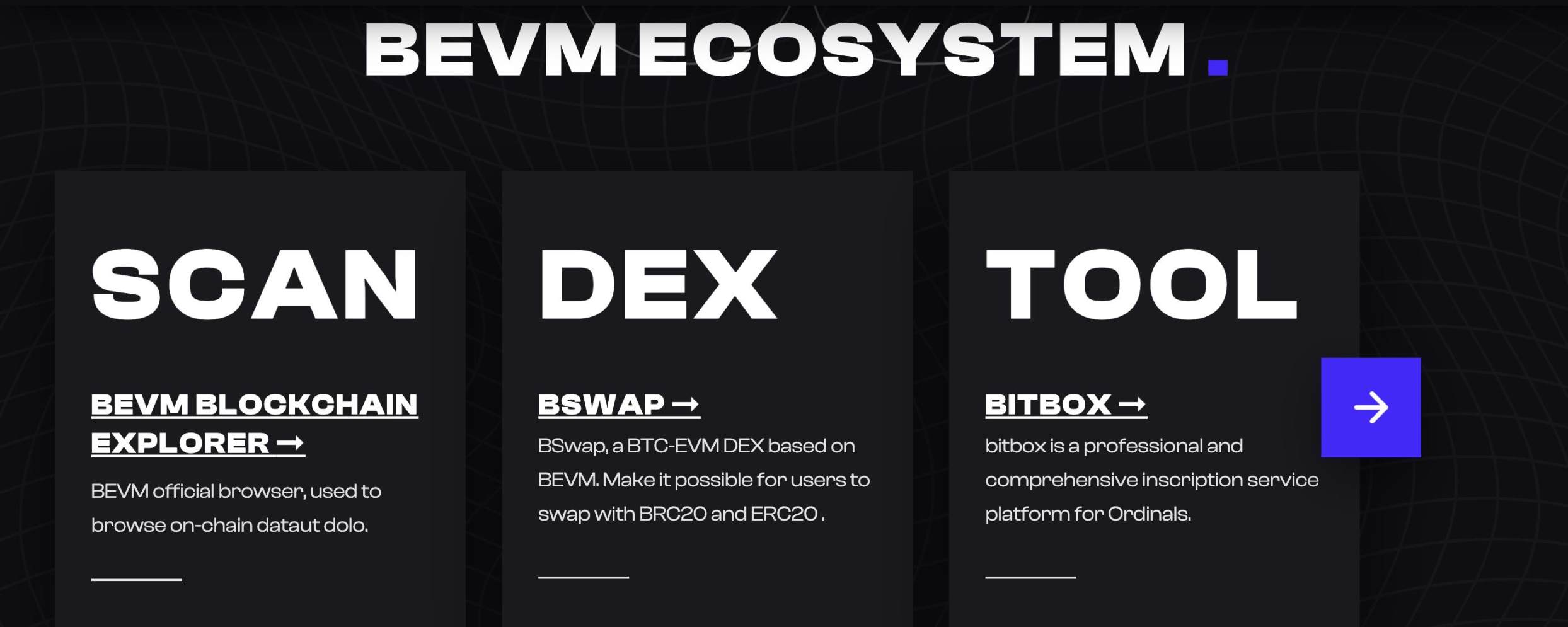
Currently, the BEVM ecosystem includes:
BEVM BLOCKCHAIN EXPLORER: The official BEVM browser for viewing on-chain data.
BSWAP: A BTC-EVM DEX based on BEVM, allowing users to exchange with BRC20 and ERC20.
BITBOX: A professional, comprehensive Ordinals inscription service platform.
BEVM has not yet launched its token, but the official team hinted at an upcoming airdrop event.
Therefore, trying the following methods may increase your chances of receiving an airdrop:
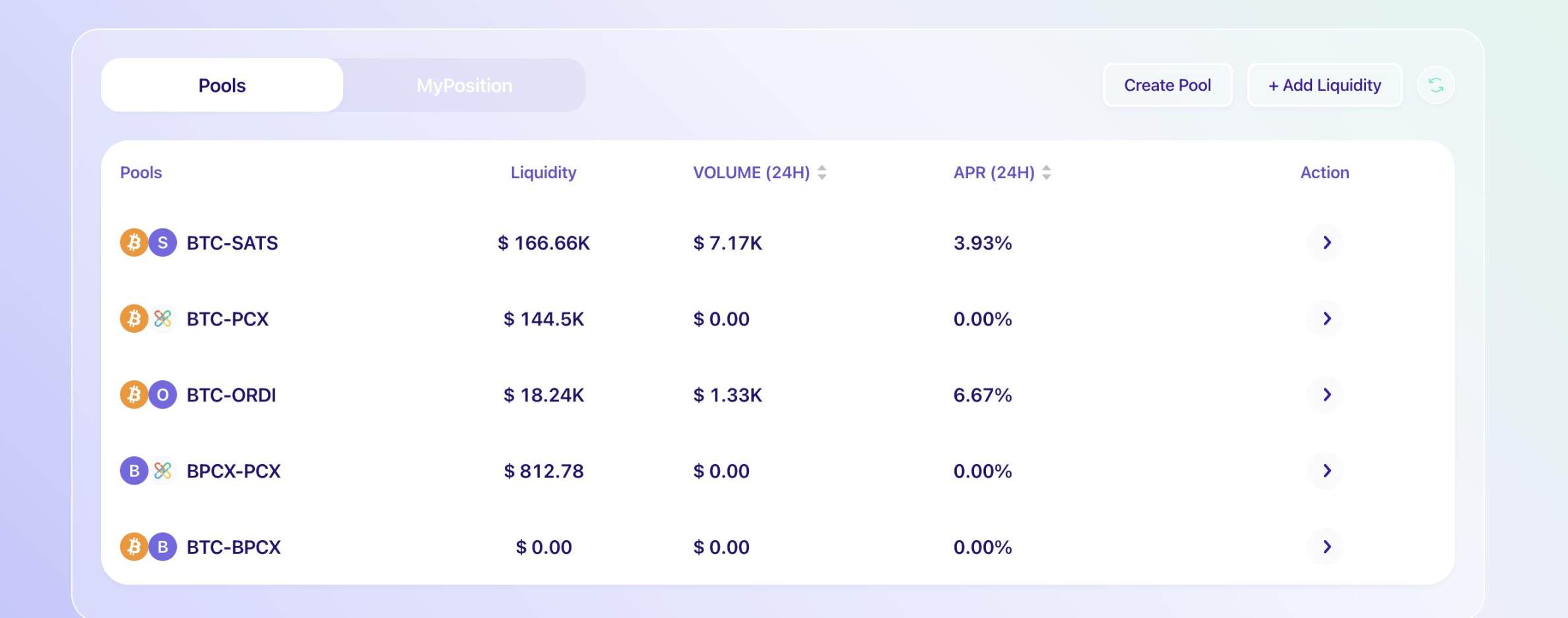
- Interact with BSWAP: As mentioned, BSWAP is a DEX built on the BEVM network where users can trade tokens and participate in LP.
Currently, BSWAP has various asset pools paired with BTC, most of which are inscription assets like Ordi and Sats.
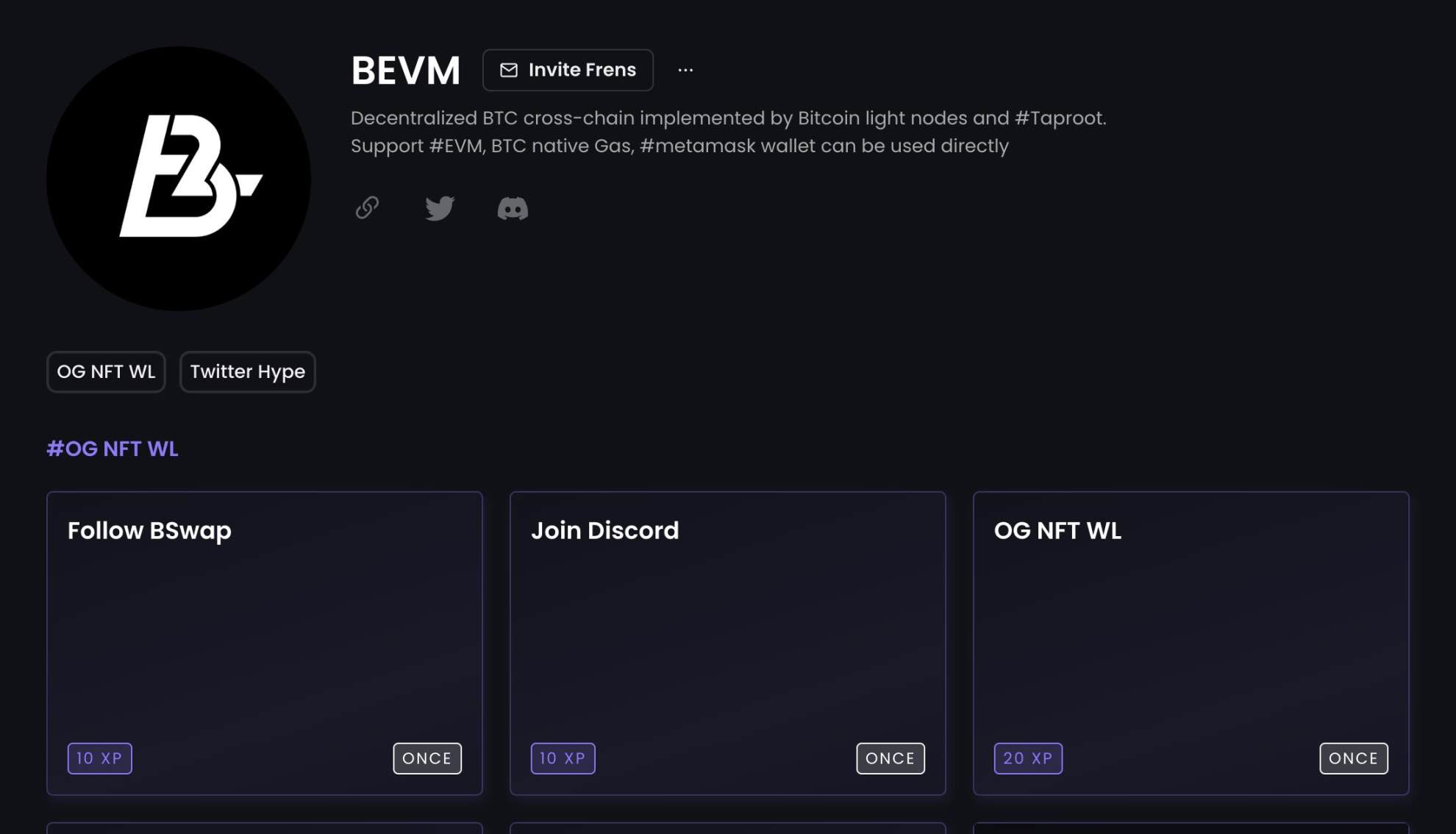
- Complete various tasks released by the official team on Zealy, such as following their social media accounts, joining the community, etc., and visit the official Discord to obtain new roles.
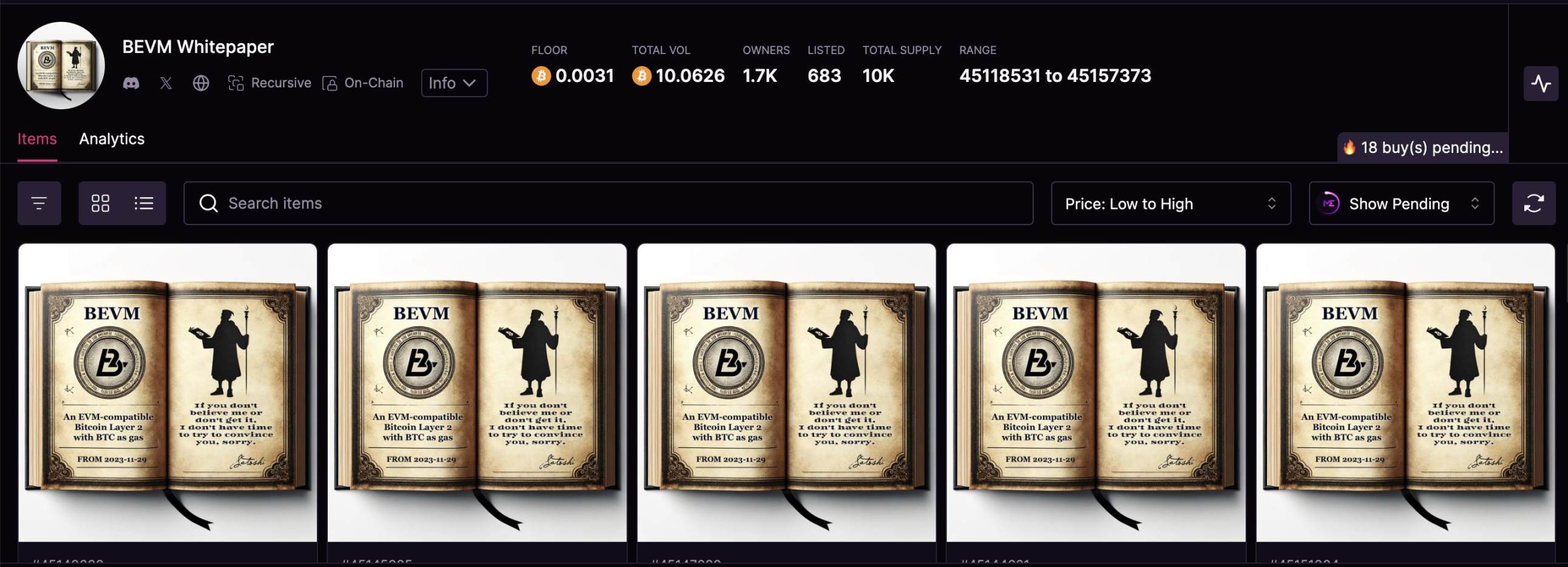
- Purchase the official white paper NFT inscription. Currently, BEVM's white paper has been made into an NFT inscription existing on the BTC network, with a total of 10,000 copies. Purchasing this inscription may increase the chances of receiving an airdrop.
Overall, BEVM brings BTC directly into the mature EVM in a decentralized manner, thereby reducing the difficulty of expanding the Bitcoin ecosystem; while Tectum addresses the high transaction fees of BTC through another billing system.
Although these designs may seem less "orthodox," they provide developers and users with a new experience, allowing developers originally in the EVM or users completely unfamiliar with BTC to seamlessly enter the BTC ecosystem.
How to choose between "orthodoxy" and "user experience" will ultimately be answered by the market.
 Risk warning Risk warning