DePIN Revolution: The Quiet Rise of a New Crypto Movement

 DePINs are quietly leading a revolution. This movement is based on a simple logic: shifting from traditional, centralized approaches to more open, collaborative, and innovative models; it leverages the appeal of cryptocurrency incentives to bring people together to collectively build and manage the infrastructure that we all rely on.
Author: 0xGreythorn
Opening Remarks
DePINs are quietly leading a revolution. This movement is based on a simple logic: shifting from traditional, centralized approaches to more open, collaborative, and innovative models; it harnesses the allure of cryptocurrency incentives to bring people together to build and manage the infrastructure that we all rely on.
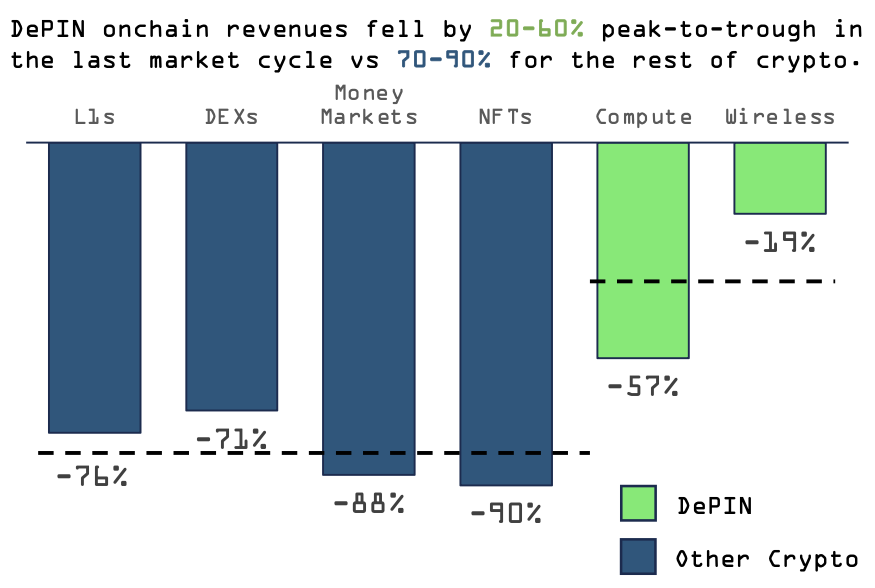
This research explores the DePINs track, which has shown stable and lasting development performance against the backdrop of the volatile crypto market. Notably, the revenue model of DePINs has proven to be based on utility rather than speculation. While the overall crypto market has experienced a sharp decline of 70-90% over the past few years, DePINs' revenue has only dropped by 20-60% from its peak.
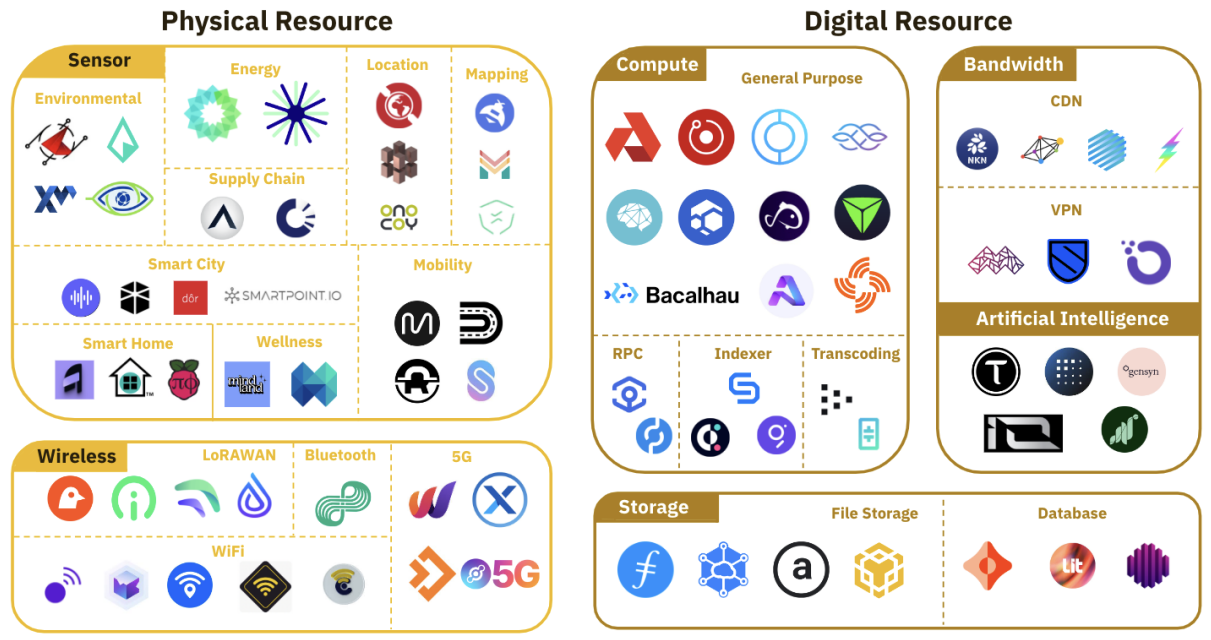
The concept of DePINs is very broad, encompassing six different sub-industries (computing, artificial intelligence, wireless, sensors, energy, and services). This decentralized model redefines our expectations for physical infrastructure development and the future.
Specifically, DePIN covers over 650 projects, with a total market capitalization of liquid tokens exceeding $20 billion, along with an annualized on-chain revenue of approximately 15 million dollars, demonstrating the viability of the industry and the tangible value it brings.
Currently, the future of DePINs is continuously integrating with broad prospects such as ZK technology, on-chain AI, and on-chain gaming. These developments highlight the industry's adaptability and its interest in using new technologies to create more efficient and collaborative infrastructure solutions.
Through this research, we aim to provide a comprehensive analysis of the DePIN ecosystem, exploring its current landscape, growth dynamics, and potential trajectories.
Overview of DePIN
DePIN stands for Decentralized Physical Infrastructure Networks, a revolutionary approach that utilizes blockchain technology and cryptoeconomics to incentivize individuals to contribute resources to create transparent, decentralized, and verifiable infrastructure. These projects cover a range of fields, unified by a model that values community ownership and decentralized distributed systems over centralized control.
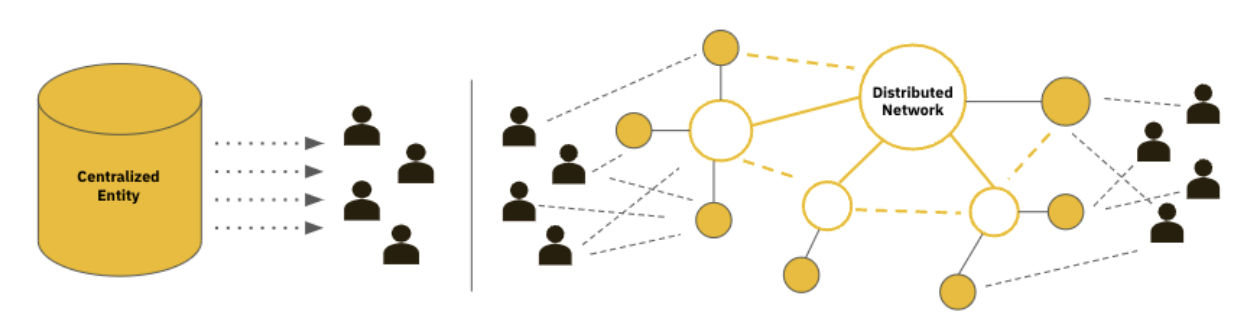
The technology behind DePIN projects adopts a layered, modular architecture designed to simplify development and encourage innovation by connecting the real world with blockchain. This setup allows for independent development or updates of certain parts of the project, enabling developers to contribute more easily without needing to master the entire system.
|----------------|---------------------------------|----------------------------------------------------------------| | Layer | Function/Purpose | Key Projects and Cases | | Hardware Abstraction Layer | Integrates smart devices into the DePIN network, addressing device heterogeneity. | - Microcontrollers, single-board computers, mobile devices, SDKs, hardware manufacturers | | Connectivity Layer | Acts as a bridge for data transmission between devices and the network. | - 5G (Helium Mobile), WiFi, Bluetooth, LoRaWAN, P2P | | Ordering Layer | Coordinates data flow between layers to ensure efficient interaction. | - Decentralized sequencing (Expresso, Metis Sequencer) | | Data Availability Layer (DA) | Temporarily stores data to ensure its accessibility and integrity. | - Examples: ETH DA (EIP-4844), Celestia | | Long-term Storage Layer | Serves as a repository for long-term data retention. | - File storage (Filecoin, Arweave) | | Off-chain Computing Layer | Executes business logic on data, generating validity proofs. | - General scenarios (Render, Akash), DePIN-focused computing (W3bstream), ZKP computing (Axiom) | | Blockchain Layer | Manages identities, transactions, and verifies computations. | - DePIN-specific blockchains, general blockchains (Ethereum, Solana), application chain blockchains (Polkadot, Cosmos) | | Identity Layer | Manages on-chain and off-chain identities of all entities. | - Identity solutions (zkPass), AA wallets (ioPay) |
Source: Greythorn Internal
DePIN plans first define the resources they will provide, ranging from storage and computing to bandwidth and hotspots. They rely on financial mechanisms to regulate behavior within the system, using reward mechanisms to encourage good behavior and punish bad behavior, incentivizing everyone to adhere to the rules.
In this context, vendors must pay a deposit to guarantee their services. If they perform poorly or misbehave, they risk losing their deposits, token rewards, and network access. Meanwhile, in this decentralized system, customers use the project's tokens to access services, such as AR for Arweave storage. These projects rely on vendors who provide essential services or hardware for network functionality, such as Filecoin or Helium.
Ecosystem
Over time, DePIN projects have experienced significant growth, evolving into a diverse field, with DePINscan identifying around 160 projects. The classification of these projects varies based on the specific definitions of DePIN projects. As illustrated by Binance, the scope of the field includes Hivemapper (decentralized sensor network),Akash and Render (computing and digital resources), Bittensor (AI projects), Helium (wireless networks), and Arweave and Filecoin (decentralized storage solutions).
Source: Binance Research
Moreover, over time, the largest DePINs are transforming into platforms with various applications. Bittensor is a prime example, hosting an increasing number of subnets, each dedicated to different areas.
The DePIN ecosystem is rapidly expanding, with growing investor interest, as they have made multiple bets on DePIN, with the top 10 DePIN projects collectively raising around $1 billion. As the field matures, we expect some of these projects to begin widespread adoption.
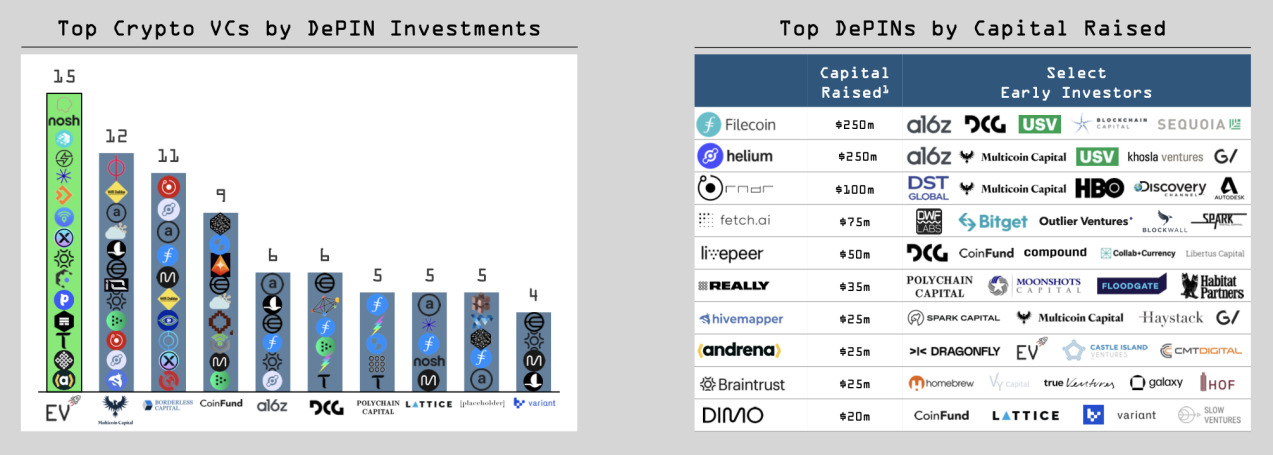
Source: Messari
In today's study, we will examine some case studies, analyzing their unique value propositions and understanding how their economic models operate.
Case Study 1: Exploring Decentralized Storage with Arweave
Value Proposition
Web3 is based on decentralized networks and represents the future of the internet. However, many issues still exist, such as the high cost and inefficiency of storing large data files like images on blockchains like Bitcoin or Ethereum. Blockchains are optimized for transactions, not for data storage, leading to high costs for simple tasks like storing Bored Ape Yacht Club images.
To avoid blockchain congestion and high costs, decentralized storage networks provide a solution with blockchain-like security and accessibility but at a lower cost. We see some NFT projects resorting to centralized networks for storage, which poses risks of data tampering or loss, and may also face censorship risks. The data storage and decentralization of NFTs are crucial because the value and context of NFTs are defined by metadata. If the metadata is stored on centralized servers, it risks being altered, potentially changing the appearance or value of the NFT.
Crypto Punks is known for its early development, setting security standards by storing all metadata and images directly on the blockchain, ensuring immutability and permanent access as long as Ethereum exists.

In contrast, MAYC stores NFT metadata on centralized servers, with images stored on IPFS, making the metadata susceptible to changes and affecting the authenticity of NFTs in the collection.

dApps also face similar challenges, as they are often perceived as fully decentralized. However, while some (like Uniswap and Aave) provide access through both centralized and decentralized networks, others rely entirely on centralized servers. Nevertheless, their interaction with smart contracts on decentralized blockchains still maintains their status as dApps.
Overview of Arweave
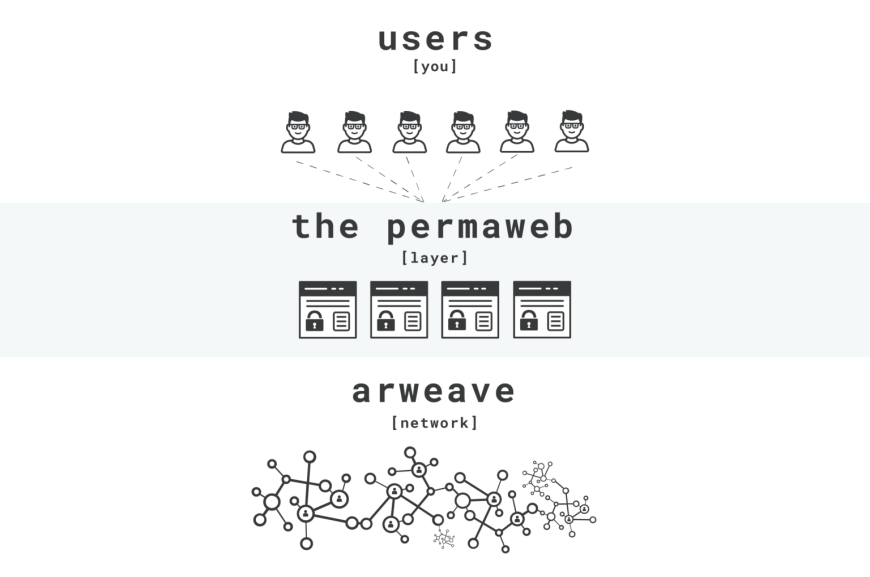
- Arweave is an open-source platform for permanent data storage, charging only a one-time fee. It consists of a blockweave (a blockchain-like layer for data storage) and a permaweb (a readable layer for permanent web content).
- Supports smart contracts through SmartWeave, allowing local computation of contract states.
- Transactions are conducted using its native token AR, including payments to miners for storage and network bandwidth.
- Utilizes a unique consensus mechanism—Proof of Access (PoA)—to facilitate long-term data storage and efficiency. PoA ensures data persistence by requiring miners to access previous blocks, creating a graph-like structure instead of a linear blockchain.
- Provides content moderation tools, allowing node operators to filter out unwanted data.
- Charges a one-time fee for permanent storage, with costs expected to decrease over time due to technological advancements.
- Miners are rewarded through transaction fees, inflationary token emissions, and donations.
- Initially, there were 55 million AR tokens, with an additional 11 million from inflationary emissions, aiming for a total of 66 million AR tokens without a burn mechanism.
Arweave's design ensures data is stored permanently at predictable costs, leveraging decentralized technology for security and accessibility.
Competitors
Filecoin ($FIL), Crust ($CRU), Sia ($SC), Storj ($STORJ), and Swarm ($BZZ) represent a range of decentralized storage projects, although this list is not exhaustive. With Filecoin becoming a significant competitor in the field, Greythorn's research team has compiled a comprehensive table comparing Arweave and Filecoin, highlighting their differences and characteristics.
|----------------|--------------------------------------------------------|----------------------------------| | Category | Arweave ($AR) | Filecoin ($FIL) | | Data Storage and Replication | Directly stored on Blockweave through active replication. No erasure coding required. | Uses IPFS, requiring negotiation of storage terms and replication factors. | | Storage Tracking and Proof of Storage | Blockchain-like structure incentivizes comprehensive data storage without specific continuous proof requirements. | Blockchain-based tracking requires continuous replication and space-time proofs. | | Data Availability and Redundancy | Proof of Access consensus ensures data propagation and availability by incentivizing the storage of rare blocks. | Uses market mechanisms and collateral-based proofs to ensure data remains stored and available. | | Pricing Mechanism | One-time upfront fee based on long-term storage cost assumptions for permanent storage. | Market-driven pricing (storage and retrieval services), determined by user and provider negotiations. | | Token Economics and Incentives | AR token for transactions, with a donation model for long-term data storage. | FIL token for transactions, with dynamic emissions influenced by storage utilization and network growth. | | Network Structure and Consensus | Unique Proof of Access combines proof of work with access to historical data for a self-sustaining network. | Complex consensus with proof of replication and space-time proofs, focusing on security and data availability. | | Overall Design Philosophy | Permanent data storage with a focus on long-term preservation and accessibility. | A competitor in decentralized cloud storage, emphasizing flexibility, efficiency, and market-driven approaches. |
Source: Greythorn Internal
Another competitor that has recently caught our attention is GenesysGo, which innovates cloud storage by leveraging Solana's blockchain, combining speed with decentralization. Unlike Filecoin and similar decentralized storage projects, GenesysGo has launched DAGGER, an innovative technology that guarantees data integrity and fast access. This unique positioning in the Web3 ecosystem meets the needs of computing, AI, and data storage, providing high-throughput solutions that significantly reduce data upload and retrieval latency. This makes it an excellent choice for applications requiring quick access. Further research and validation are needed to fully understand its capabilities and impact.
Case Study 2: Decentralized GPU Computing through Render Network
Value Proposition
Render Network is transforming the GPU market to meet the growing demands of modern media, AI, and cloud computing. As the value of GPUs approaches that of the world's leading oil companies, GPU computing has clearly become essential in today's digital world.
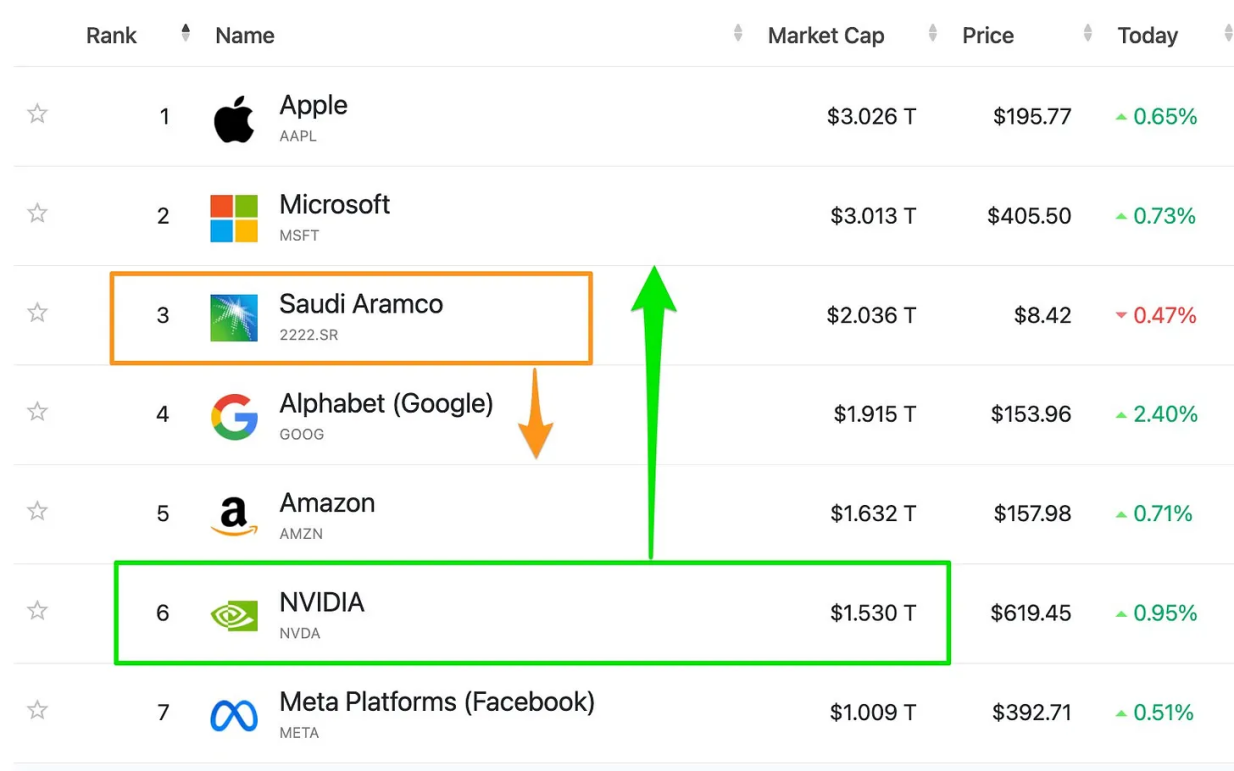
As the market rapidly expands, Render Network is at the forefront, providing decentralized GPU computing for a variety of uses, from media production to scientific research. Render Network integrates AI to enhance digital creativity and efficiency, catering to the evolving AI industry.
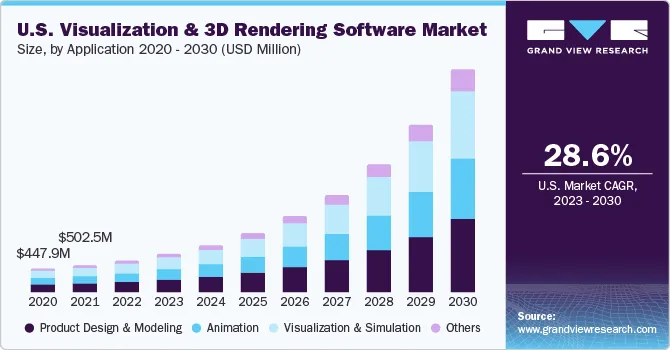
As a leader in the decentralized computing market, Render Network stands out with its vast GPU network and strategic partnerships, ensuring a strong competitive position. It has gained support from numerous providers by competing in the open market. At the same time, it has made cloud computing more accessible and efficient for developers, driving the decentralization of power away from giants like Amazon Web Services and Google Cloud. This approach not only diversifies the choice of computing resources but also positions Render Network as a key player in the digital and AI revolution.
Overview of Render Network
- Render acts as a decentralized marketplace connecting GPU owners with creators needing rendering power, facilitated by the RNDR token for secure transactions.
- Allows GPU owners to earn by contributing idle computing power and optimizing global GPU infrastructure.
- Supports a wide range of projects, including digital art, motion graphics, architectural visualization, and scientific simulations.
- Dual-layer structure:
- Off-chain Rendering Network: Composed of creators, node operators, and providers, where node operators provide the necessary GPU capacity.
- Blockchain Layer: Manages transactions using the RENDER token and hosted contracts, ensuring transparency and integrity.
- OctaneRender: Render's flagship product, offering advanced rendering technology, including machine learning optimization and significant speed improvements.
- Render services are crucial for product design, architecture, and scientific research, becoming increasingly important as the metaverse expands.
- Collaborations with Io.net enhance computing capabilities, and partnerships with FedML advance decentralized machine learning, showcasing Render Network's commitment to broadening its computing applications.
- Token Economics:
- Utility Token: RNDR token, based on ERC-20, facilitates Render transactions, with a circulating supply of 376 million RNDR and a maximum supply of 536 million RNDR.
- Transition to Solana: RNDR was initially on the Ethereum blockchain but has transitioned to a new SPL token based on RNP-006. This leverages the blockchain's low-cost, high-throughput capabilities for broader application support.
- Economic Model: Introduces Burn Mint Equilibrium (BME) for economic stability, balancing rendering costs and token supply through fiat to RENDER conversion and token burn mechanisms.
Competitors
Akash Network is a pioneering force in the decentralized cloud computing space, primarily focused on AI applications. It operates as an open-source GPU network, enabling developers to deploy containerized applications by providing access to a global pool of spare computing resources. Akash's model is often likened to "Airbnb for server hosting," creating a market for surplus computer leasing and computing resources, including CPU, GPU, memory, and storage.
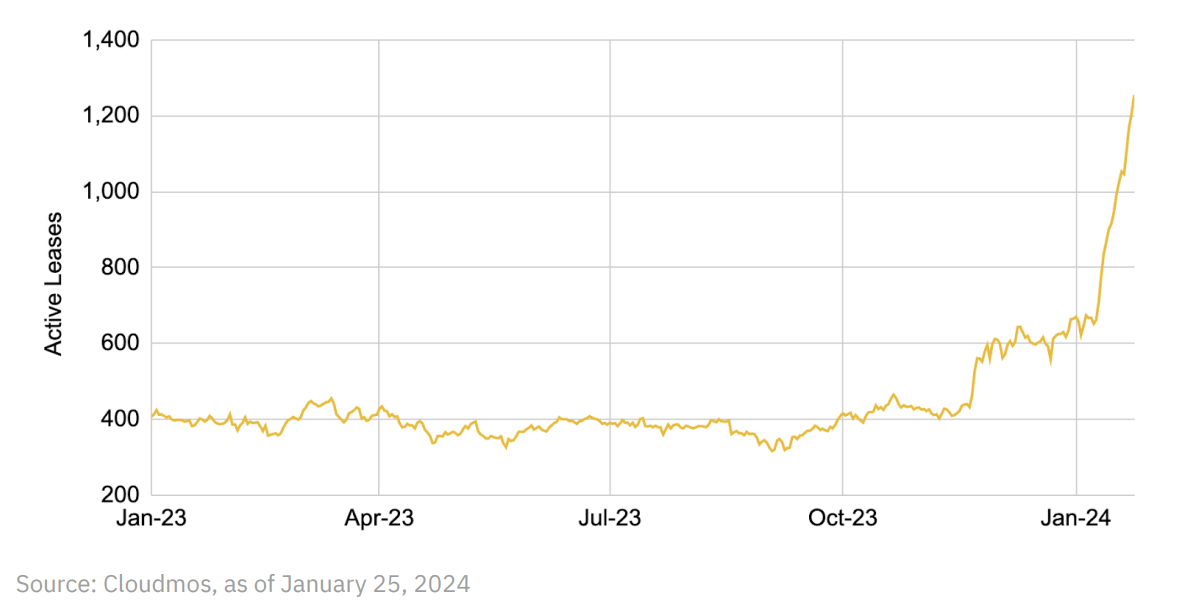
As of early 2024, Akash has a substantial resource base, with activity surging, particularly due to developments in AI and increased demand for high-performance GPUs. Since the beginning of 2023, the volume of active leases has more than doubled.
Akash vs. Render Network:
- Model Differences: Unlike Akash's decentralized cloud infrastructure model, Render operates on a platform-as-a-service (PaaS) model, focusing on the functionalities of Render itself. Render provides a hosted platform that simplifies infrastructure management for developers.
- Strategic Positioning: Akash targets a broad range of computing needs, focusing on AI, while Render integrates AI and metaverse applications, giving the project a unique advantage in these areas.
In summary, Akash Network promotes a decentralized cloud computing approach, offering an alternative to traditional cloud services through its peer-to-peer marketplace. This contrasts sharply with Render's specialized services, showcasing the diverse potential of decentralized networks to meet varying market demands and technological advancements.
Case Study 3: Decentralized Wireless Networks through Helium
Value Proposition
Helium is a groundbreaking project in the field of decentralized wireless infrastructure, focusing on enhancing the connectivity of IoT devices and mobile devices globally. Launched in 2019, Helium first introduced the Helium Hotspot product, aimed at providing wireless access for IoT devices. This is just the beginning, as Helium will expand into the 5G space to meet the growing demand for higher bandwidth and lower latency mobile connections.
Since then, the number of new Helium hotspots has been steadily increasing, especially in recent months.
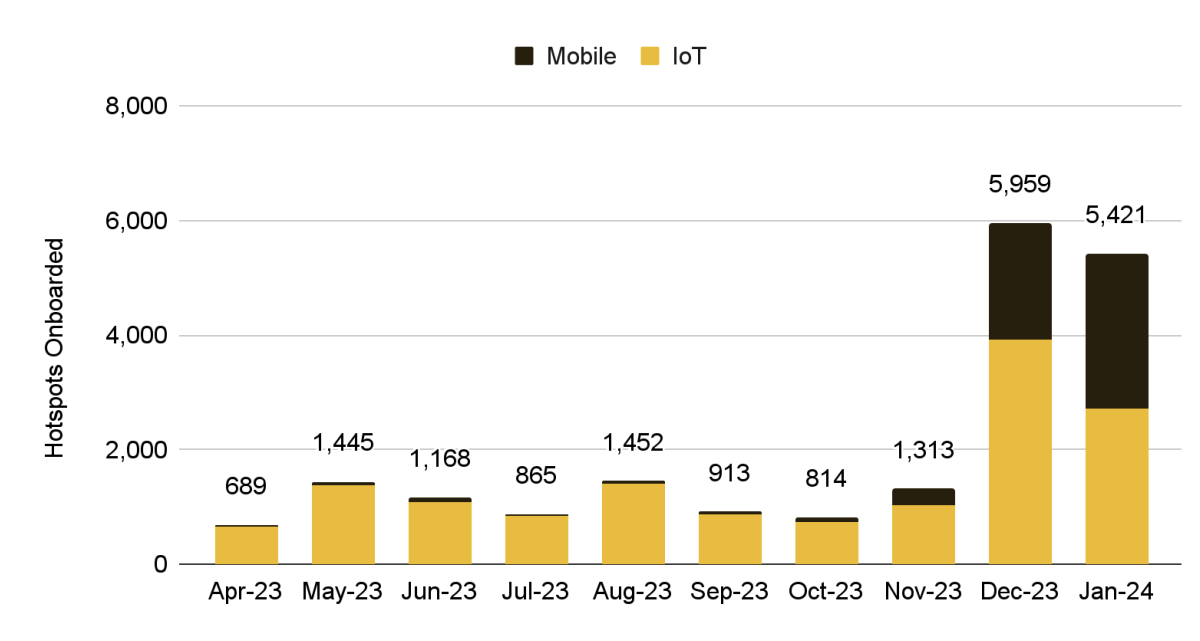
Helium's primary value proposition comes from its decentralized approach to wireless networks, enabling extensive coverage without the substantial site procurement costs typically associated with traditional telecom infrastructure. By leveraging user-operated nodes, Helium democratizes the provision of wireless services, allowing participants to earn tokens in exchange for contributing to the network's expansion and efficiency. This model not only reduces operational costs but also fosters a community-driven approach to improving wireless accessibility.
Overview of Helium
- Token Ecosystem:
- HNT: Helium's native token, crucial for network operations, including creating "data credits" for data transactions. Hotspot hosts can exchange HNT for network tokens (e.g., IOT, MOBILE).
- IOT: The protocol token for Helium's IoT network, mined through data transmission and coverage proof by LoRaWAN hotspots.
- MOBILE: The protocol token for Helium's 5G network, rewarded to contributors providing 5G wireless coverage and validating network operations.
- Network Participants:
- Devices: Use WHIP-compatible hardware to send and receive data from the internet, with data stored on the blockchain.
- Miners: Provide network coverage through hotspots, participate in Proof of Coverage, and earn tokens based on network contributions and service quality.
- Routers: Purchase encrypted data from miners and ensure its correct delivery, acting as endpoints for data encryption.
- Key Technologies and Protocols:
- Proof of Coverage: Economically verifies miners' wireless network coverage.
- Consensus Protocol: Combines asynchronous Byzantine fault tolerance with Proof of Coverage for network governance.
- WHIP: An open-source, low-power wide-area network protocol.
- Proof-of-Location: Allows devices to verify their location using network intelligence without satellite hardware.
- Migration to Solana:
- Helium migrated to Solana last year to leverage its scalability, low transaction costs, and high-performance capabilities, enhancing network resilience and supporting more complex algorithms.
- Token Economics:
- Halving period of 2 years, with a maximum supply cap of 223 million HNT, and approximately 160.88 million tokens currently in circulation (72.14%).
- Token Utility: HNT is used for network participation rewards, data transmission, creating data credits (DC), and network security staking.
Competitors
Although not part of the blockchain space, The Things Network (TTN) has emerged as a significant competitor to Helium, particularly in densely populated urban environments. Launched in 2015, TTN stands out through its open-source software foundation, with a concept similar to Helium's approach.
In contrast to Helium's model, which includes hardware provision, TTN focuses on providing software solutions and comprehensive documentation to help individuals build their own LoRaWAN networks. The driving motivation behind adopting TTN is not economic gain but rather seeking practical solutions beneficial to users or their clients.
Closing Remarks
As we conclude our exploration of DePIN, we find a field full of potential but also significant challenges. DePIN plays a crucial role in enhancing traditional infrastructure by providing "last-mile connectivity" through the sharing economy, indicating a key shift in the development of digital infrastructure. Efforts to integrate DePIN with Web2 interfaces are expected to greatly improve user accessibility, facilitating broader adoption by making blockchain technology more user-friendly.
The development of DePIN token economics, especially when linked with the DeFi ecosystem, heralds an intriguing future where the utility of blockchain extends beyond simple transactions. However, challenges such as token price volatility, profit-driven user engagement, and weak consensus remain barriers to its widespread adoption. Addressing these issues requires reliable economic models and strong community involvement.
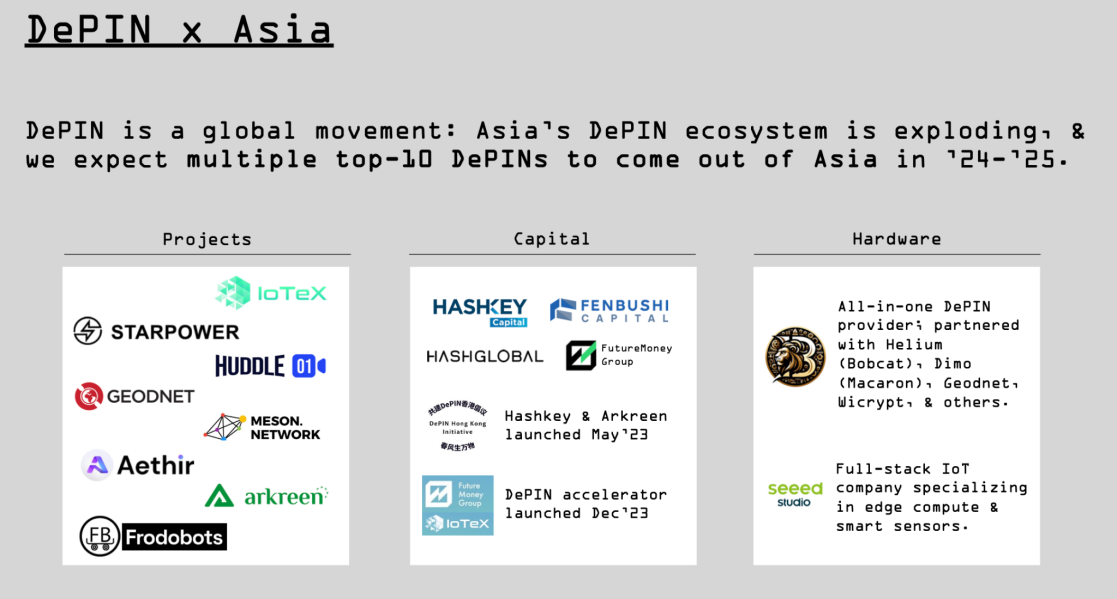
As the DePIN industry matures, significant growth is expected, particularly in Asia. Messari states that Asia is anticipated to be a major catalyst for this growth, with several top DePIN projects expected to emerge in the region between 2024 and 2025. The success of DePIN plans will depend on their ability to provide tangible benefits and address the complexities of the digital infrastructure landscape.
Today's article only touches on a portion of the emerging projects in the DePIN space. As new opportunities arise, we encourage further exploration. For those looking to familiarize themselves with the field, DePINscan may be a great starting point.
 Risk warning Risk warning