The native protocol of Ethereum, fleeing to Solana

 Developers pursuing maximum success must deploy their applications accordingly; blindly yielding to chain loyalty will cause application developers to lose money and market share at the table.
Original Title: “ETH's DeFi Scene Eyes Solana”
Author: Bankless
Compiled by:律动小工, BlockBeats
Solana has risen from the ashes of the FTX/Alameda collapse, solidifying its position as a top blockchain. In the subsequent community-led revival, the sweat of the Solana native team has driven the wheels of progress, but as the price of SOL and DeFi metrics within its ecosystem stabilize and grow, non-Solana native protocols are also ready to seize this opportunity for takeoff.
Solana Native Protocols Pave the Way
SOL skyrocketed from a low of $8 in December 2022 to $210 two months ago, marking one of the most remarkable recoveries in this crypto cycle, but the wealth creation within this ecosystem is not limited to its native token holders.
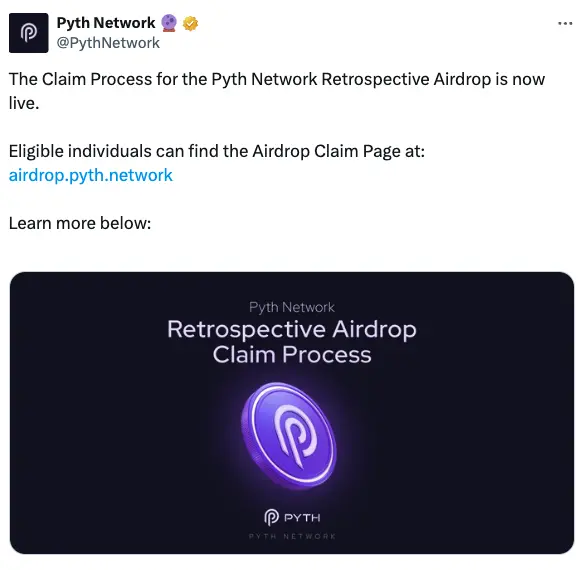
Developers in the Solana ecosystem continuously create emotional highs in the market, starting with the PYTH airdrop in November, which distributed tokens on Solana to addresses interacting with the Pyth oracle across 27 networks (including Ethereum and its L2s), marking a turning point that provided direct economic incentives for users from other ecosystems to test Solana.
Shortly after, the Solana native liquid staking protocol Jito Labs conducted its own airdrop, rewarding qualified wallets that earned over 100 points through simple operations with jitoSOL deposit receipts, distributing tokens in at least five figures. The dazzling allocations received by Jito users turned Solana into a prime destination for airdrop hunting and facilitated the large-scale adoption of a points-based incentive system through its own underdeveloped protocols, which have proven very successful in attracting users and their funds.
A Gradually Changing Landscape
While native protocols have laid the groundwork for the mainstream adoption of cryptocurrencies on Solana, it is gradually becoming a "host" for Ethereum developers.
This shift may occur at a snail's pace, but there is no doubt that as more projects begin to recognize the significant on-chain activity within the Solana ecosystem and eagerly seek to capitalize on this opportunity, migrations from Ethereum to Solana will inevitably happen.
The decentralized computing sharing network Render has long fully supported Solana's vision and chose to migrate its tokens to the SPL standard in November. And although MetaMask is generally considered a laggard in improving user experience, the project was one of the first Ethereum-native applications to introduce Solana compatibility, launching "Snaps" last September, allowing users to directly access applications in the Solana ecosystem from MetaMask. To date, the Snaps integration of the Solana native wallet Solflare has attracted over 500,000 users.

Additionally, there are many native lending markets on Solana, but none have the same level of time-tested security as the blue-chip lending protocol Aave on Ethereum. To leverage its brand as a competitive advantage for Solana, Aave DAO approved a temperature check in January with an 83% approval rate to deploy a minimum viable version of its V3 isolated money market through Neon EVM, a fully compatible Ethereum development environment on the Solana blockchain.
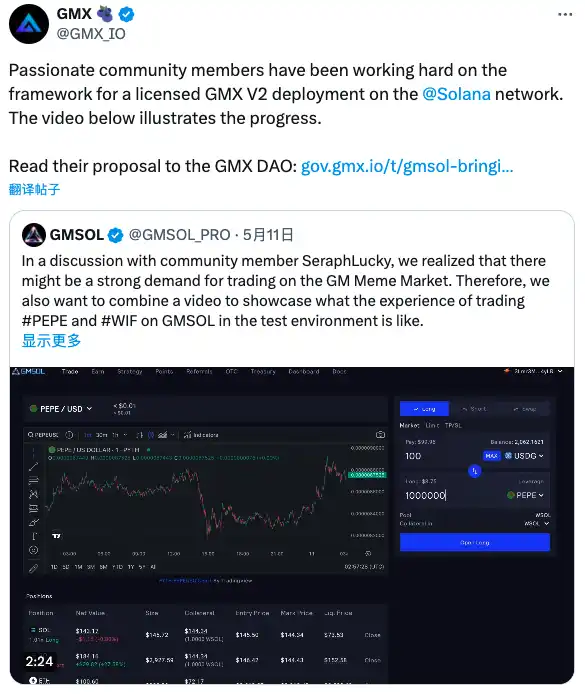
Last Wednesday, a community-led proposal appeared on the governance forum of the EVM ecosystem's perpetual contract trading platform GMX, seeking to establish an independent exchange deployment called GMSOL on Solana. GMSOL will exclusively utilize GMX tokens for all value measurement and storage while implementing a GMX buyback mechanism and allocating a significant portion of fees back to the GMX treasury to build the GMSOL treasury.
In exchange for the benefits of this new Solana native deployment, GMX DAO is expected to bear all costs related to protocol audits and grant licenses to replicate and use its front-end code.
Moreover, the market widely speculates that leading Ethereum projects Ethena and Pendle will deploy to the Solana ecosystem in the near future, both of which have thrived in recent months due to the improved interest rate environment in the crypto market.
Long-Term Trends
Applications serve users, not blockchains. While many blue-chip protocols should have high standards when considering new deployments, it would be foolish for them not to flock to environments where users and activity exist. In a network lacking protocols, users will inevitably seek alternatives, putting the market share dominance of existing applications at risk—especially when their chains begin to cede market share to competitors.
Ethereum and Solana have adopted vastly different scaling approaches, with the former choosing sharding to allow everyone to operate validators, while the latter tends to use a single shard with a unified state. While greater decentralization at the validator level helps maintain the integrity of the Ethereum network, it certainly has its drawbacks, making Solana's alternative vision attractive in certain aspects.
Currently, the crypto industry is still in an experimental phase, which means we truly do not know what it will look like in ten years. However, just as investors can diversify their portfolios to mitigate risk, applications can also diversify their blockchain deployments to maintain their market share.
Developers pursuing maximum success must acknowledge that the future of finance does not have a necessary center, and they should deploy their applications accordingly, whether on Ethereum, Solana, or even on the regulatory settlement networks operated by Monad and banks that combine EVM and SVM. The crypto industry must bridge the vast chasm of uncertainty to transition from infancy to a final state, achieving true adoption and bringing trillions of dollars of traditional assets on-chain.
Until then, blindly succumbing to chain loyalty will cause application developers to lose money and market share at the table.
 Risk warning Risk warning