Web3 Lawyer Interpretation: From Regulatory Framework to Market Implications, How is Hong Kong Doing It?

 At a time when global digital currency policies have yet to be unified, Hong Kong has provided a clear roadmap: to legalize, systematize, and industrialize stablecoins.
Original Authors: Guo Fangxin, Sha Jun, Crypto Law
2025 can be regarded as the year of stablecoins. On May 21, Hong Kong completed the second and third readings of the "Stablecoin Regulation Draft," which was officially passed by the Legislative Council, and subsequently announced the release of the "Stablecoin Regulation" (hereinafter referred to as the "Regulation") on May 29, 2025, with an official effective date of August 1. This event has sparked a wave of excitement both inside and outside the industry, and Crypto Law has received a large number of related inquiries. We found that people are generally concerned about what practical benefits this legislation can bring and what impact it will have on the Web3 community; they also want to understand whether, as participants in the upstream and downstream of the industry chain, it is necessary to engage in stablecoin development and from which angles they should approach it; if they intend to issue compliant stablecoins as licensed institutions, how they should apply for the relevant licenses…
Prior to this, Crypto Law had already provided a detailed interpretation of the core concepts such as the definition, characteristics, and functions of stablecoins, see: "Web3 Lawyer's Interpretation: Are Stablecoins Really Stable? Why are Stablecoins So Important?"; at the same time, it also discussed the regulatory focus of stablecoins and conducted an in-depth comparison of the stablecoin regulatory frameworks in the United States and Hong Kong, see: "Web3 Lawyer's In-Depth Interpretation: What are the Key Points of Stablecoin Regulation? How Do the Stablecoin Regulatory Frameworks in the U.S. and Hong Kong Differ?".
In this article, Crypto Law will not elaborate too much on the connotations and values of stablecoins themselves, but will focus on the new "Regulation" in Hong Kong, providing a more detailed analysis to seek answers to the following questions:
· What are the minimum requirements for applying for a stablecoin license?
· What can be done with a stablecoin license?
· How are reserve asset management and redemption mechanisms specifically regulated?
· What impact do stablecoins have on cross-border payments in RMB?
· What does the passage of the "Regulation" mean for the industry? Is there going to be a significant change in Hong Kong's financial market landscape?
I. Interpretation of Hong Kong's "Stablecoin Regulation" Regulatory Framework
1. What type of stablecoin is regulated in Hong Kong?
The essence of a stablecoin is a type of cryptocurrency that achieves price stability through specific mechanisms, such as anchoring to reserve assets. The "Regulation" provides a clear definition of stablecoins: A stablecoin is a digitally protected form of value that has the following characteristics:
· Its value is expressed as a unit of account or a form of economic storage;
· It is used for payment, debt settlement, or investment;
· It can be transferred, stored, or traded electronically;
· It operates on a distributed ledger or similar technological basis;
· Its value is ostensibly anchored to a specific asset or asset combination.
At the same time, the "Regulation" specifically excludes certain forms of digital value that are not within its regulatory scope, such as digital currencies issued by central banks and related banks, point systems used as limited-purpose tokens, assets considered as securities or futures contracts (such as security tokens), stored value amounts regulated by the "Payment Systems and Stored Value Facilities Ordinance," and traditional bank deposits.
However, the "Regulation" does not regulate all stablecoins; it limits its regulatory targets to "designated stablecoins" operating in Hong Kong. Designated stablecoins are a unique term used by the Hong Kong government, defined in Article 4 of the "Regulation" as stablecoins that fully reference one or more official currencies, units of account or forms of economic value specified by the Monetary Authority, or a combination of the above, to maintain their stable value. This essentially refers to what we commonly call fiat-backed stablecoins (hereinafter referred to as "fiat stablecoins").
It can be seen that the Hong Kong government chooses to focus regulation on payment functions, because fiat stablecoins, based on their high collateralization ratio with fiat currencies, high value stability, and lower degree of decentralization, are the most likely to be treated as "quasi-currencies" circulating in the financial trading market. When stablecoins become a common payment tool and expand their usage scale, any occurrence of a run or de-pegging will inevitably affect the entire financial ecosystem, thus the demand and requirements for stablecoin regulation are very high. In addition, the "Regulation" explicitly restricts license holders from paying interest on the designated stablecoins they issue, reducing the likelihood of being viewed as savings-type financial products. Other non-payment uses and stablecoins with insufficient value stability, such as algorithmic stablecoins, are also not included in this first round of regulatory targets.
2. What activities related to stablecoins are restricted?
After the passage of the "Regulation," anyone conducting or indicating they are conducting regulated stablecoin activities must hold a license. One of the core aspects of the "Regulation" is to define which activities fall under "regulated stablecoin activities," and Article 5 provides a clear scope of restricted activities at this stage:
(1) Issuing designated stablecoins in Hong Kong;
(2) Issuing designated stablecoins pegged to the Hong Kong dollar outside of Hong Kong (regardless of the reference ratio);
(3) Activities designated by the Financial Commissioner after consulting the Secretary for Financial Services and the Treasury;
(4) Actively promoting oneself as conducting or appearing to conduct the above activities to the public.
In addition, Section 2 of the "Regulation" also details other regulatory scopes for designated stablecoins:
Offering or indicating an offer to provide designated stablecoins:
· Advertising for regulated stablecoin activities and the aforementioned offers;
· Engaging in or making fraudulent or deceptive activities related to designated stablecoin transactions or inducing others to enter into agreements aimed at acquiring, disposing of, subscribing for, or underwriting designated stablecoins.
Overall, the "Regulation" focuses on the issuance, distribution, and retail aspects of stablecoins, with a series of restrictions on behaviors such as "offers" and "advertising," all aimed at confining stablecoins to the category of "payment tools" and preventing them from being packaged as speculative investment products. Issuers, platform operators, wallet service providers, and other roles are all included in the regulatory framework to ensure that the entire stablecoin ecosystem is under control.
From a jurisdictional perspective, the Hong Kong government regulates not only stablecoins issued within Hong Kong but also includes the issuance of stablecoins pegged to the Hong Kong dollar outside of Hong Kong. Even if the issuance does not occur locally, as long as the stablecoins issued are pegged to the Hong Kong dollar, regardless of the reference ratio, they will be considered to have potential local financial impact and be subject to regulation. This arrangement reflects Hong Kong's high emphasis on monetary sovereignty and financial stability, preventing unauthorized digital assets from misleading the public for profit under the guise of "pegging to the Hong Kong dollar."
3. How to apply for a stablecoin license?
The licensing system is the core regulatory mechanism established by the "Regulation." Any company issuing, managing, or distributing designated stablecoins within Hong Kong, or recognized institutions incorporated outside of Hong Kong, must submit a formal license application to the Financial Commissioner. The "Regulation" does not set multiple different licenses but rather establishes a unified license, with differentiated conditions attached based on the specific business and risk characteristics of the applicant at the time of license issuance.
The license approval process is relatively straightforward, directly applying to the Financial Commissioner and awaiting their decision. The main focus of the Financial Commissioner’s review is whether the applicant meets the "minimum standards" specified in Schedule 2, with the specific conditions as follows:
(1) Sufficient financial resources and liquid assets
The applicant must contribute no less than HKD 25 million or an equivalent amount in other currencies as capital; or hold other financial resources valued at no less than HKD 25 million, subject to the approval of the Financial Commissioner.
(2) Allocation of corresponding reserve assets
To ensure the credibility and redemption capability of stablecoins, license holders must adhere to the following conditions when allocating reserve assets corresponding to stablecoins:
· Asset segregation: The reserve asset portfolio must be separated from other reserve asset portfolios held by the license holder, unaffected by the license holder's other debts or operational status. Additionally, reserve assets should be independent of the license holder's other company assets to ensure legal and financial segregation;
· Redemption guarantee: The market value of the reserve assets must be no less than the total face value of the outstanding stablecoins in the market, ensuring full coverage and immediate redeemability;
· Pegged to Hong Kong dollar assets: Unless prior written approval is obtained from the Financial Commissioner, reserve assets must directly reference the same reference assets to which the designated stablecoins are pegged;
· The reserve asset portfolio must possess high quality and liquidity, with minimal investment risk;
· The license holder must establish risk management and internal audit systems;
The license holder must disclose the following information to the public:
· Their reserve asset management policies;
· The risks and assessment methods that such strategies may entail;
· The composition and market value of their reserve assets;
· The results of regular independent audits of their reserve assets;
· The license holder must have a sound control system.
(3) Establishment of redemption mechanisms
License holders must provide every holder of their issued designated stablecoins with the right to redeem, without imposing excessively stringent conditions that restrict the redemption of designated stablecoins. Redemption actions must not incur related fees.
(4) Fit and proper persons
Fit and proper persons refer to the license holder's CEO, directors, stablecoin managers, or controlling persons. The license holder must have and implement sound and appropriate control systems to ensure that the Financial Commissioner clearly identifies each controlling person of the license holder.
(5) Management requirements
Management personnel must possess relevant professional knowledge and experience, and the license holder must manage this accordingly.
(6) Prudential and risk management
License holders must establish and implement sound and appropriate risk management policies and procedures to manage risks arising from the licensed stablecoin activities, including security measures, internal controls, and effective methods for detecting fraud and attempted fraud.
(7) Measures against money laundering and terrorist financing
License holders must establish and implement sound and appropriate control systems to prevent and combat potential money laundering or terrorist financing related to their licensed stablecoin activities.
(8) Business activity requirements
License holders must have dedicated and sufficient resources to conduct licensed stablecoin activities, and any activities outside of licensed stablecoin activities must obtain the consent of the Financial Commissioner.
(9) Information disclosure requirements
License holders must publish a white paper for each type of designated stablecoin they issue, providing comprehensive and transparent information about that type of designated stablecoin. Additionally, license holders must provide information about their complaint handling and compensation mechanisms to the holders of the stablecoins they issue.
(10) Recovery plans and orderly scale-down
License holders must have and implement sound and appropriate control systems to make appropriate plans to support the ability to restore key functions of stablecoin activities in the event of significant operational disruptions. It is evident that the Hong Kong government maintains high standards and strict requirements for applicants for stablecoin licenses. For institutions intending to apply for a stablecoin license, it is essential to recognize that this is not merely an application process for a license but a comprehensive test of the company's capital strength, compliance capabilities, and risk control systems.
4. What compliance obligations do license holders have?
Once a license is obtained, license holders must fulfill a series of ongoing compliance obligations, with violations potentially leading to sanctions, license revocation, or even criminal liability. The main obligations include:
(1) Annual fee obligation
The annual fee for the license is HKD 113,020, and license holders must pay the initial license fee within 14 days of the effective date specified in the written notice of approval issued by the Financial Commissioner. Thereafter, the same amount must be paid annually before this date.
(2) Public display of license number
License holders must publicly display their license number on any materials related to their licensed stablecoin activities and on user-facing application interfaces.
(3) Continuous compliance with minimum standards
Any license holder that fails to maintain the "minimum standards," or believes they are at significant risk of failing to fulfill obligations, becoming insolvent, or about to cease payments, must promptly and proactively report to the Financial Commissioner and provide all relevant facts, circumstances, and information; otherwise, they may face serious criminal charges.
(4) Reporting obligation for changes in information
Changes in address, nature of business, ownership structure, etc., must be reported in a timely manner, or they may face penalties. It is worth mentioning that obtaining a license is not a "one-time" affair; according to Article 19 of the "Regulation," the Financial Commissioner can still impose temporary additional or modified licensing conditions based on market risk changes or regulatory assessment results, and license holders must provide a written statement to the Commissioner within the timeframe set by the Commissioner to explain the conditions added or modified.
It can be seen that the "Regulation" imposes high requirements on the financial strength of license holders, making it more suitable for well-capitalized and larger enterprises to strategically plan for medium- to long-term layouts. For medium-sized enterprises, if they wish to invest major resources into stablecoin issuance projects, it is advisable to fully assess feasibility and sustainability before making decisions. This is because they not only need to contribute a minimum of HKD 25 million in capital or equivalent assets as a threshold but also need to allocate equivalent high-quality reserve assets and bear various compliance, audit, and system maintenance costs during the stablecoin operation process, making long-term investment significant.
5. What are the provisions for license cancellation, revocation, and suspension mechanisms?
If a license holder no longer meets regulatory requirements, the "Regulation" grants the Financial Commissioner considerable intervention authority:
· Temporary license suspension: If the Financial Commissioner believes that there are valid reasons for revoking the license as specified in Schedule 4, they may issue a written notice to the relevant license holder to suspend the license for no more than 6 months. During the suspension period, the license holder must not engage in relevant business activities, and violations will result in fines and imprisonment.
· Voluntary license revocation: Reasons for revoking a license are detailed in Schedule 4, including bankruptcy of the license holder, false reporting of information, violation of license conditions, or effectively ceasing business activities, among others.
6. What protections does the "Regulation" provide for stablecoin users?
The "Regulation" is not only a regulatory tool aimed at issuers and practitioners but also establishes a legal protection mechanism for end users of stablecoins. The Hong Kong government has established several core arrangements for user protection in this "Regulation." Crypto Law outlines the two most important aspects in this article to help users fully understand their rights and potential risks.
Strict regulation of promotional and marketing behaviors of license holders
Article 10 of the "Regulation" explicitly prohibits any unlicensed individuals from advertising stablecoin activities or offers to the public. Whether through offline promotions, online social media marketing, or promotions via third-party platforms, all fall under regulatory scrutiny. Article 12 further stipulates that any behavior inducing others to acquire designated stablecoins, if involving false representations, concealment of risks, or exaggerated returns, will constitute a criminal offense. Even if such inducement does not ultimately lead to a transaction, legal accountability may still apply.
User rights protection mechanism
The primary concern of stablecoin holders is the security of the stablecoin's value and redemption guarantees. The "Regulation" establishes a relatively robust protection mechanism regarding this point. The "Regulation" requires license holders to possess sufficient reserve assets to support the value of the stablecoins they issue. These assets must genuinely exist, have high liquidity, and be redeemable in a timely manner when users initiate redemption requests. Additionally, issuers should have an auditing mechanism in place, with qualified third parties regularly reviewing the matching of reserve assets with the total issuance of stablecoins to prevent scenarios of empty funds or mismatched funds. Under normal operating conditions, license holders must not unreasonably suspend redemptions, delay processing, or set harsh redemption thresholds. If redemption difficulties arise, they must immediately report to the Financial Commissioner.
Overall, the "Regulation" provides systematic and in-depth provisions for the compliance framework of the stablecoin industry and the user protection mechanism. For a wide range of investors, the key is to learn to identify licensed stablecoin issuers and participate rationally in stablecoin trading and holding activities. With the formal implementation of the "Regulation," those marginal projects and niche stablecoins that do not meet licensing standards will inevitably face market clearing or even collapse risks, and investors should remain highly vigilant, avoiding blind chasing of highs or trusting unauthorized product promotions.
7. How broad is the regulatory authority of the Monetary Authority?
From the above analysis, it is evident that the role of the Financial Commissioner is crucial in Hong Kong's stablecoin regulatory framework. This indicates that the Monetary Authority not only undertakes the administrative role of approving licenses but also wields extensive regulatory, investigative, and direct intervention powers. In summary, the Financial Commissioner has the authority to approve and issue licenses; daily regulatory authority; and the power to directly investigate and gather evidence when significant operational risks arise for license holders.
According to Section 5 of the "Regulation," the Financial Commissioner can conduct direct investigations and may instruct or appoint investigators to conduct specific investigations. Investigators may request evidence, information, or explanations from the investigated license holders and may apply to the original court. This series of provisions indicates that the Monetary Authority covers almost all aspects of stablecoin regulatory authority, with the key being the possession of "quasi-judicial" investigative powers, which have a high deterrent and enforcement effect.
Crypto Law Summary:
For project parties intending to participate in the Hong Kong stablecoin market as licensed entities, the "Regulation" provides a clear framework and path for compliant operations, requiring only an assessment of their own capital and a clear understanding of the difficulties and ongoing expenses associated with the license application and subsequent compliance maintenance.
For most project parties that do not intend to directly apply for a license but wish to participate in the stablecoin ecosystem, collaborating with licensed institutions or those in the process of applying for licenses is an ideal path to enter the market and expand digital financial services. Such collaborations can cover multiple levels, such as providing technical support, custody services, payment integration solutions, cross-border clearing capabilities, or co-building compliant wallets and trading interfaces as ecosystem partners. Especially for enterprises in payment, Web3 infrastructure, cross-border e-commerce, and compliant custody directions, deep collaboration with licensed institutions can ensure that their business complies with regulations while quickly entering the stablecoin circulation system recognized by regulators.
The "Regulation" stipulates that licensed institutions must disclose licensing information on official and public channels, making it relatively easy for project parties to identify "genuine licenses." However, choosing a trustworthy licensed stablecoin institution as a partner should not merely satisfy the superficial condition of "having a license"; it is more critical to comprehensively assess their business strength, compliance level, and cooperation potential.
For instance, the safety and transparency of the reserve assets held by the licensee are crucial. An ideal partner should have 1:1 asset coverage and regularly publish third-party audited reports detailing the types of reserves, custodians, and risk statuses. Additionally, whether a stable redemption mechanism is in place is also a criterion for judgment; project parties should pay attention to whether it supports seamless redemption at any time to avoid future liquidity risks. Finally, project parties should also assess the actual influence of the institution in the market, such as whether it has integrated with mainstream wallets, exchanges, or payment channels, and community reputation, among other factors.
II. What is the significance of the "Stablecoin Regulation Draft"?
1. Significance at the policy level
In the traditional financial system, the right to issue currency, also known as the right to mint, has always been controlled by the state. However, with the advent of the digital currency era, this power is facing challenges. By establishing a stablecoin regulatory system through local laws, Hong Kong is essentially seizing the "digital minting rights," particularly the legal status of stablecoins pegged to the Hong Kong dollar.
2. Significance for the Web3 world
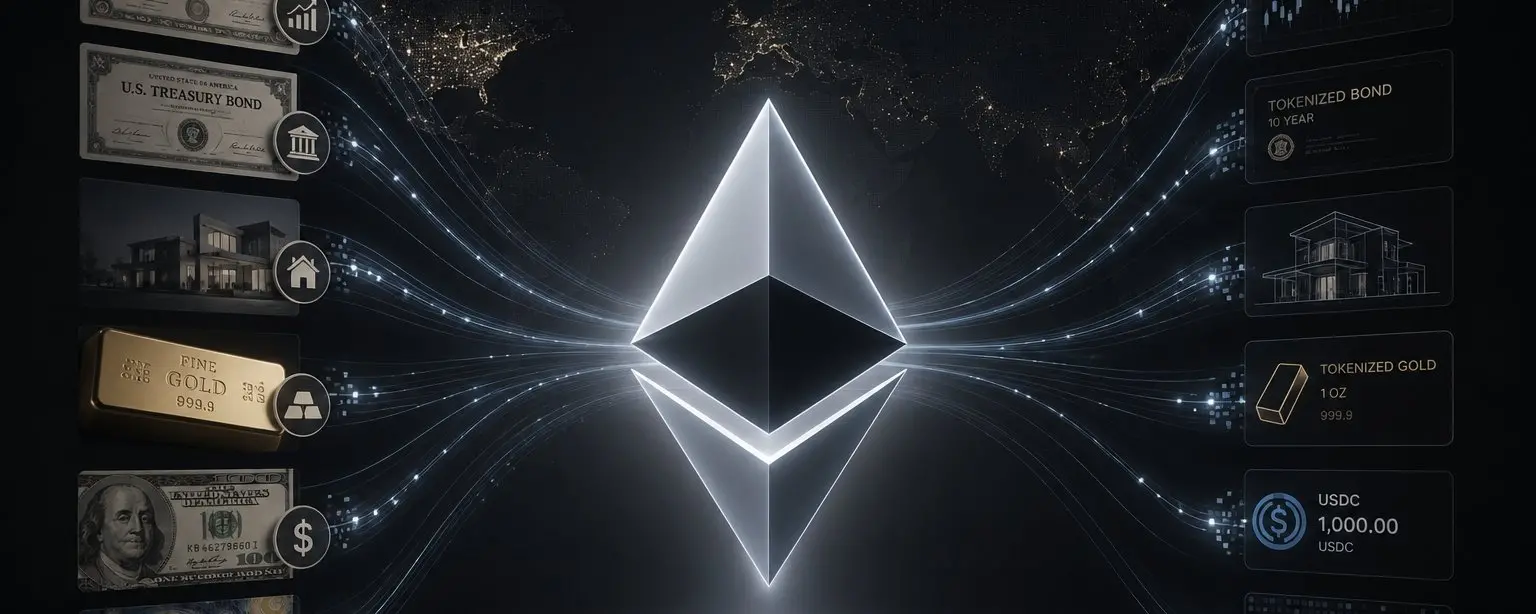
Although the Hong Kong government defines stablecoins as payment tools, in the context of Web3, stablecoins remain a key link connecting on-chain and off-chain, traditional assets and crypto assets. The institutionalization of stablecoins is crucial for promoting an end-to-end closed loop of RWA. Within this system, the role of stablecoins may extend beyond payment settlement: whether they can encompass the entire process of asset generation, subscription, holding, and circulation exchange in the future is a question worth anticipating. With the establishment of a compliance framework, stablecoins are expected to become the "native funding layer" of RWA, reducing reliance on traditional fiat systems and enhancing on-chain financial efficiency and transparency.
In terms of use cases, international trade remains the largest potential market for stablecoins. Real-world issues such as cross-border settlement efficiency, foreign exchange costs, and evasion of sanctions are continually increasing enterprises' interest in on-chain stablecoin tools. Statistics show that stablecoins experienced significant growth in 2024, with remittance volumes surpassing the combined total of Visa and Mastercard. Compliance brings scalability and institutional participation, marking the true starting point for project commercialization.
For native Web3 projects, the biggest impact is not being regulated but being included in a channel that can access larger-scale assets. In the current context of increasingly scarce "on-chain liquidity," obtaining a compliant identity means being able to connect with institutional investors, RWA assets, and traditional financial systems, participating in higher quality and more explosive liquidity releases.
3. Is it possible for a RMB stablecoin to land?
Does the implementation of stablecoin regulation in Hong Kong open up policy imagination for a "RMB stablecoin"? Although RMB stablecoins are currently a sensitive topic, their long-term potential cannot be ignored. Crypto Law believes that if suitable RWA targets (such as energy, minerals, overseas bonds, etc.) can be found in the future to provide stable circulation carriers for RMB stablecoins, their usage logic will be more valid. Hong Kong may become a "policy buffer zone" between RMB stablecoins and the international Web3 market.
Although Hong Kong is the first to legislate, looking at the mainland market, stablecoins still face highly complex regulatory challenges. Due to concerns about financial sanctions and dependence on the dollar system, many enterprises already have a practical need for "non-dollar settlement tools." However, for regulators, allowing stablecoins means facing:
· The controllability of capital flows and cross-border settlements;
· The pressure of foreign exchange controls and financial stability;
· The control over data and financial information security issues;
· How to interact and misalign with the existing digital RMB system;
Therefore, Crypto Law believes that it is unlikely for the mainland to replicate Hong Kong's approach in the short term, but Hong Kong's "experimental field" experience may provide a blueprint for broader digital financial strategic exploration in the future.
III. Conclusion
With the formal implementation of the "Regulation," Hong Kong has undoubtedly taken a key step in the global stablecoin regulatory race. This is not only a local financial policy innovation but also a strategic exploration of the entire Web3 ecosystem, RWA, and even the global monetary landscape. Although Crypto Law has provided a detailed interpretation of the key provisions of the "Regulation" in this article, we believe that what truly deserves attention is not how a particular provision is stipulated, but the realization that a whole new institutional space is being opened up. In the absence of a unified global digital currency policy, Hong Kong has provided a clear roadmap: to legalize, systematize, and industrialize stablecoins. This presents both challenges and opportunities for the entire Web3 world.
 Risk warning
 Risk warning