New Breakthrough in RMB Internationalization: JD and Ant Group Join Forces to Promote Stablecoin Strategy Upgrade

 As the Hong Kong "Stablecoin Regulation" is set to officially take effect on August 1, China's two tech giants, JD.com and Ant Group, are accelerating a far-reaching financial transformation.
Author: Mask, W3C DAO
As Hong Kong's "Stablecoin Regulation" is set to officially take effect on August 1, the two major Chinese tech giants, JD.com and Ant Group, are accelerating a profound financial transformation. According to multiple sources, these companies have made key recommendations to the People's Bank of China: to authorize the issuance of stablecoins based on offshore RMB to counter the growing influence of USD stablecoins in the global digital payment landscape.
A transformation concerning the future monetary landscape is quietly unfolding. If this proposal is approved, it will mark a significant shift in China's regulatory stance on cryptocurrencies.
I. Global Stablecoin Race: Market Anxiety Under USD Dominance
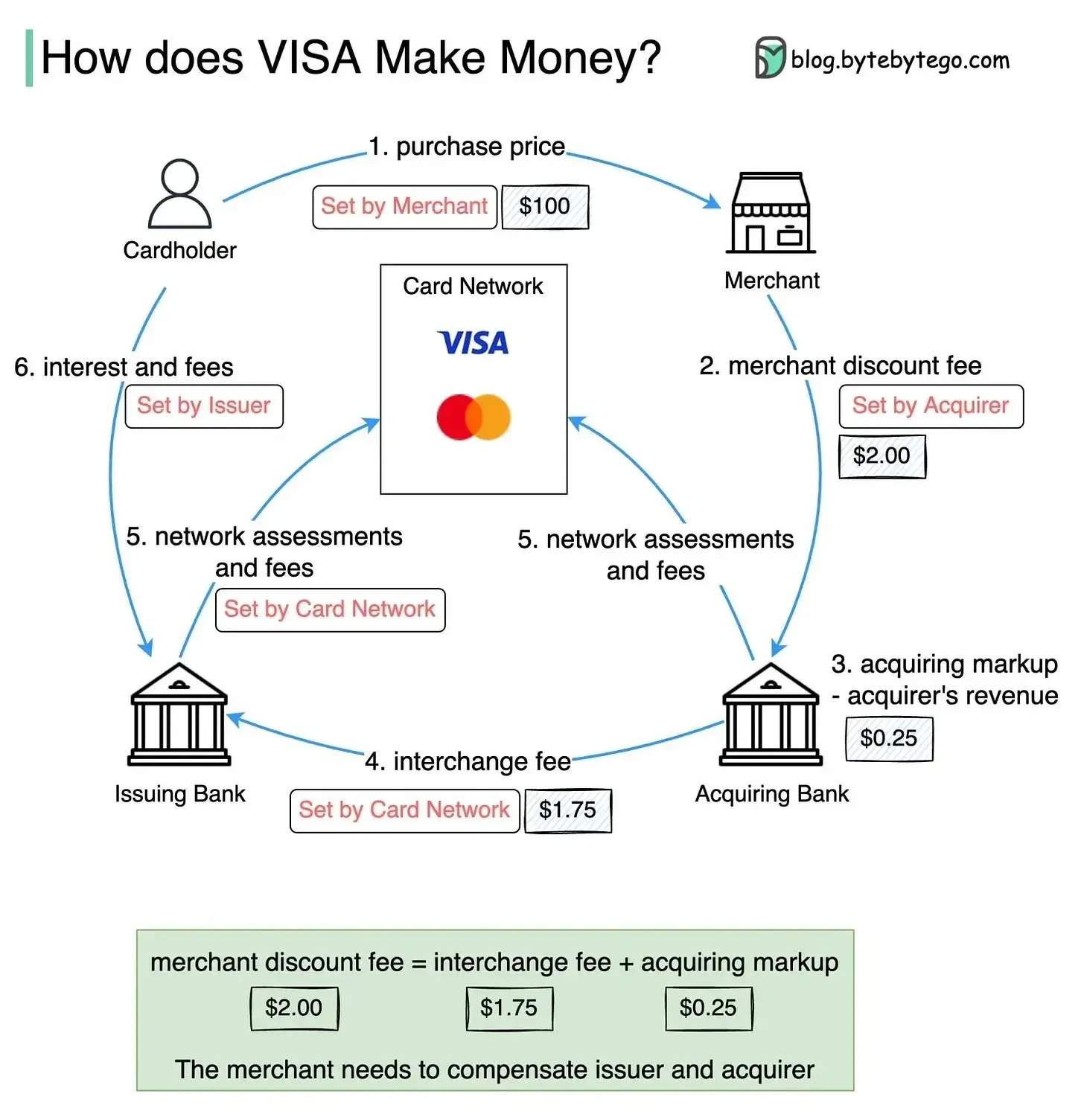
The global stablecoin market is experiencing explosive growth. As of June 2025, the total market capitalization of stablecoins has surpassed $250 billion, growing more than 40 times since 2020, with an annual trading volume reaching $28 trillion, surpassing the combined transactions of Visa and Mastercard. Beneath this apparent prosperity lies a harsh reality: over 95% of stablecoins are USD stablecoins, and all of the top ten stablecoins are pegged to the USD.
These USD stablecoins are forming a new cycle of funds globally:
- Users purchase USD stablecoins (such as USDT, USDC) with USD.
- Issuers invest reserve funds into financial products like U.S. Treasury bonds.
- Funds flow back into the U.S. financial markets through investment channels.
This mechanism reinforces the international status of the USD. Data from June 2025 shows that USD stablecoins account for over 99% of the global market share, with the two major stablecoin giants, USDT and USDC, together holding an 87% share. Meanwhile, the share of RMB in cross-border payments fell to 2.89% in May this year, the lowest point in two years.
The U.S. continues to strengthen this advantage through legislative measures. The "Payment Stablecoin Act" and the "GENIUS Act" explicitly require that stablecoin assets must be 100% backed by USD cash or short-term U.S. Treasury bonds, creating a mechanism for the global flow of USD back into U.S. Treasuries through stablecoins, while also establishing institutional barriers that significantly compress the development space for stablecoins of other currencies.
"USD stablecoins have transcended simple payment tools and are gradually evolving into a digital extension of USD 'monopoly,'" noted Ma Chang, a researcher at Fudan University. Tether holds over $120 billion in U.S. Treasury bonds, and 88% of Circle's reserve assets are in U.S. short-term Treasury bonds, which further consolidates the USD's leading position in the global digital currency system.

II. Cross-Border Payment Pain Points: A Strategic Opportunity for Stablecoins Under Hong Kong's New Regulations
The bottleneck of traditional cross-border payments has become the "Achilles' heel" of global trade. Cross-border remittances between enterprises take an average of 2-4 days, incur high fees, and are limited by bank working days. JD.com's founder Liu Qiangdong candidly stated in an internal meeting: "The fragmentation and inefficiency of capital flow have become the biggest bottleneck for Chinese enterprises going international."
Stablecoins offer a breakthrough solution due to their technical characteristics:
- Efficiency improvement: Cross-border payment times reduced from days to seconds.
- Cost reduction: Transaction fees decreased by 90% compared to traditional SWIFT systems (from 6.35% to less than $1).
- 24/7 service: Breaking the limitations of bank working hours.
Ant Group has validated this efficiency through its blockchain platform Whale, which processed one-third of Ant International's cross-border funds in 2024, achieving "second-level arrival" while reducing fees by 90%. This efficiency advantage is particularly important in high-frequency, low-value scenarios such as cross-border e-commerce and supply chain finance.
In the face of the strong position of USD stablecoins, Hong Kong is opening new avenues with a forward-looking regulatory framework. On August 1, the "Stablecoin Regulation" will officially take effect, providing a clear compliance path for the issuance of fiat stablecoins. This regulation allows for the issuance of multi-currency stablecoins, including offshore RMB (CNH), and requires 100% reserve assets to be held in segregated custody.
The President of the Hong Kong Monetary Authority, Eddie Yue, has clearly stated: "The licensing for stablecoin issuers has a relatively high threshold, and we expect only a few licenses to be granted in the initial phase." The approval process will strictly control the number of licenses, focusing on "real application scenarios," with the market generally expecting only 2-3 licenses to be issued in the first batch.
This regulatory design is strategically wise—linking offshore RMB design complies with the mainland's prohibition on cryptocurrency trading while connecting to the global market through Hong Kong. Leveraging Hong Kong's liquidity pool of over 1 trillion RMB, it can effectively support large-scale cross-border payment needs.

III. Dual Giants' Layout: Strategic Paths Revealed
JD.com and Ant Group are poised for action, with both companies clearly stating their intention to apply for stablecoin licenses after the new law takes effect on August 1. In response to the new stablecoin regulations in Hong Kong, JD.com and Ant Group are showcasing different strategic layouts:
Ant Group adopts a three-region coordinated strategy:
- Simultaneously applying for stablecoin licenses in Hong Kong, Singapore, and Luxembourg.
- Leveraging the Alipay global network (covering 2.5 million overseas merchants).
- Collaborating with Deutsche Bank to explore tokenized deposit solutions.
- Positioning for enterprise-level applications, building a "global on-chain channel for RMB."
JD.com, on the other hand, focuses on a pragmatic approach:
- Entering the Hong Kong stablecoin sandbox through its subsidiary JD Coin Chain Technology.
- Testing the HKD stablecoin JD-HKD (planned for launch in Q4).
- Prioritizing cross-border B-end payments, establishing a "platform-warehouse-merchant" ledger system.
- Future expansion into C-end consumer scenarios.
Despite their different paths, both companies avoid directly pegging to the RMB, opting for HKD or USD stablecoins as transitional solutions, which not only comply with regulatory requirements but also reserve space for RMB settlement channels.
The "offshore RMB stablecoin + digital RMB" dual-track collaborative model is gradually taking shape. Offshore RMB stablecoins can leverage Hong Kong's regulatory framework to break through institutional barriers, issuing compliant stablecoins pegged to offshore RMB, significantly reducing cross-border payment costs and settlement times through blockchain technology, focusing on small and medium-sized trade and real-world asset tokenization (RWA) scenarios along the "Belt and Road."
Data shows that using stablecoins for cross-border settlements can reduce corporate payment costs from an average of 1.2% to 0.12%, and the time from 2-4 days to under 10 seconds. This leap in efficiency stems from the "disintermediation" of intermediary banks through blockchain technology.
Meanwhile, digital RMB targets domestic retail and cross-border wholesale settlements, connecting foreign banks in "Belt and Road" countries through the CIPS system and linking central banks via the multilateral central bank digital currency bridge (mBridge), achieving real-time cross-border clearing and reducing exchange costs by over 30%.

IV. Future Landscape and Challenges
With the implementation of Hong Kong's new stablecoin regulations, global institutions are accelerating their entry. In addition to JD.com and Ant Group, over a dozen institutions, including Standard Chartered Bank and Yuan Coin Innovation Technology, are intensifying testing of transaction payment scenarios. Huaxia Fund (Hong Kong) has indicated it will explore the application of funds within the stablecoin ecosystem, allowing investors to use compliant stablecoins for subscriptions and redemptions.
Regulatory technology has become key to balancing innovation and risk. The "Stablecoin Monitoring System" developed by the Hong Kong Monetary Authority can track issuance volumes, reserve ratios, and cross-chain flows in real time, requiring issuers to submit on-chain audit reports daily. This "embedded regulation" model effectively prevents systemic risks similar to the collapse of TerraUSD (which led to a $40 billion evaporation in 2022).
However, challenges remain. According to the Bank for International Settlements (BIS), 78% of central banks globally have adopted the "multilateral central bank digital currency bridge" technology framework proposed by China, but how to gain recognition for offshore RMB stablecoins in a USD-dominated market still needs to be overcome.

"Stablecoins provide a cost-effective alternative outside the traditional system, with the potential to revolutionize payments, supply chain management, and capital market activities," stated Paul Chan, Secretary for Financial Services and the Treasury of the Hong Kong SAR Government, in the "Hong Kong Digital Asset Development Policy Declaration 2.0" released on July 1.
It remains to be seen who will be awarded the first licenses, but Huaxia Fund has already begun planning to allow investors to use compliant stablecoins for fund product subscriptions and redemptions. As more institutions join this experiment, cross-border payments will shrink from days to seconds, and costs will start from a percentage point. The internationalization of the RMB will no longer rely on traditional banking networks but will establish a new digital channel on the blockchain.
Li Daizhi, Vice President of the Hong Kong Monetary Authority, once predicted: "Stablecoins may reshape the trajectory of global capital flows." With the new regulations in Hong Kong taking effect on August 1, the stablecoin pilot projects of JD.com and Ant Group will enter the operational phase. This financial innovation driven by tech companies is essentially a strategic attempt to reshape the influence of currency in the digital age.
As Ant's blockchain network covers 2.5 million merchants and JD.com's cross-border payments shrink from days to seconds, this silent currency competition is rewriting the future landscape of global finance.
 Risk warning
 Risk warning




Popular articles