Explore the top two Ethereum treasury companies

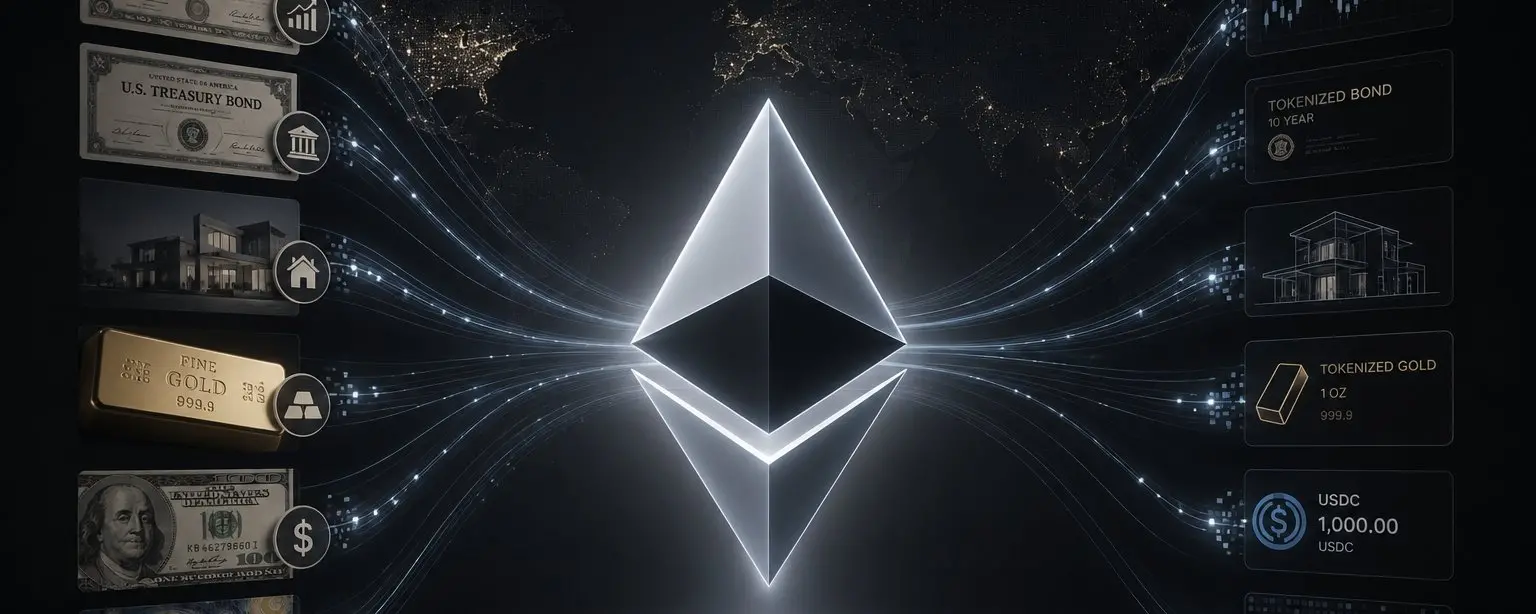
 These companies incorporate ETH into their balance sheets not only as a store of value but also generate staking rewards through its proof-of-stake (PoS) mechanism and participate in decentralized finance (DeFi) and real-world asset (RWA) ecosystems.
In 2025, Ethereum (ETH) rapidly solidified its position as a corporate treasury asset, similar to the "corporate treasury" wave of Bitcoin in the early 2020s. These companies view ETH not only as a store of value by incorporating it into their balance sheets but also utilize its Proof of Stake (PoS) mechanism to generate staking yields and participate in decentralized finance (DeFi) and real-world asset (RWA) ecosystems. According to the latest data, publicly listed companies hold a total of over 3 million ETH, valued at approximately $14 billion, accounting for about 3.06% of the total ETH supply. This trend has been further catalyzed by the approval of the ETH spot ETF by the U.S. Securities and Exchange Commission (SEC) in 2024, driving institutional capital inflows.
Among the many participants, the top two Ethereum treasury companies—BitMine Immersion Technologies (stock code: BMNR) and SharpLink Gaming (stock code: SBET)—dominate this field. These two companies collectively hold over 2 million ETH, valued at approximately $9 billion, accounting for nearly 65% of all listed companies' ETH holdings.
BitMine Immersion Technologies: Leader in ETH Treasury
BitMine Immersion Technologies, originally a Bitcoin mining company, transformed into a treasury-focused enterprise on ETH in early 2025. The company is led by renowned investor Tom Lee (co-founder of Fundstrat), and its board includes several veterans from the cryptocurrency field. The core strategy of BitMine is to acquire ETH on a large scale and use most of it for staking to generate stable returns while expanding its holdings through equity financing.

Holdings and Financing Dynamics
As of August 17, 2025, BitMine holds approximately 1,297,093 ETH, valued at around $5.75 billion. This makes it the largest publicly listed holder of ETH globally, accounting for about 1.07% of the total ETH supply. The company's most recent significant acquisition occurred in mid-August, spending approximately $882 million to purchase more ETH, pushing its holdings from 833,100 in July to an increase of over 410%.
BitMine's financing mechanism primarily relies on an "at-the-market" (ATM) equity issuance program. The company announced in August plans to issue up to $20 billion in stock for further ETH purchases. This plan has helped the company expand from $25 million in PIPE financing at the beginning of the year to a scale of billions of dollars. Tom Lee has publicly stated that the goal is to hold 5% of the total ETH supply (approximately 6 million ETH), which will require hundreds of billions of dollars in investment. Currently, over 90% of the holdings have been used for staking, with an expected annual yield of 4-6%, providing the company with additional cash flow.
SharpLink Gaming: Transition from Gaming to ETH Empire
SharpLink Gaming, originally a sports betting technology company, shifted to an ETH treasury model in the first half of 2025. The company is chaired by Joseph Lubin, co-founder of Ethereum and CEO of Consensys, which provides it with a unique ecological advantage. SharpLink's strategy focuses on using ETH as a core reserve asset while leveraging its gaming background to explore Web3 applications.

Holdings and Financing Dynamics
As of August 15, 2025, SharpLink holds 728,804 ETH, valued at approximately $3.4 billion. This places it in second place, accounting for about 30% of listed companies' ETH holdings. The company's second-quarter report indicated that since June, it has raised $2.6 billion through ATM equity issuance for ETH purchases. Its holdings grew by over 141% from 521,900 in July, with 95% used for staking, generating approximately 1,326 ETH in rewards.
SharpLink aims to accumulate 1 million ETH and has completed 73% of this goal. On August 10, the company announced a direct issuance of $40 million and plans to raise up to $6 billion through stock sales. The company also reported $671 million in unrealized gains, despite a net loss of $104.4 million in the first half of the year, primarily due to non-cash impairments and stock compensation.
Comparison to MicroStrategy: Views on Ethereum Treasury Companies
The rise of Ethereum treasury companies reminds me of MicroStrategy's (MSTR) pioneering role in the Bitcoin space. Led by Michael Saylor, MicroStrategy has adopted Bitcoin as its primary reserve asset since 2020, raising funds through bond and stock issuance to purchase BTC, with total holdings exceeding 226,000 BTC, valued at billions of dollars. This strategy not only enhanced the company's market value but also indirectly promoted institutional adoption and price increases of Bitcoin, becoming a model for "corporate Bitcoin treasuries." Despite facing volatility risks, MicroStrategy's model has demonstrated the potential of crypto assets as hedges against inflation and diversification tools.
Similarly, BitMine and SharpLink are replicating this path for ETH, but the unique advantages of ETH—such as staking yields (annualized 4-6%) and the DeFi ecosystem—make it more "productive." BitMine aims to hold 5% of the ETH supply, akin to MicroStrategy's BTC accumulation, while SharpLink benefits from Joseph Lubin's ecological support, potentially excelling in Web3 integration. These companies, through ATM issuance and staking, not only provide shareholders with leveraged ETH exposure but also lock in supply, driving the price of ETH from around $3,600 in July to over $4,600 currently.
My view on Ethereum treasury companies is positive: they represent a shift of crypto assets from the fringe to the mainstream, promoting institutional adoption and network utility. Just as MicroStrategy has allowed traditional investors to gain indirect exposure to BTC, these companies provide leveraged entry into ETH, especially against the backdrop of ETH ETF inflows exceeding $1 billion. However, potential risks such as price volatility and equity dilution must be monitored—Vitalik Buterin has warned that excessive leverage could lead to cascading sell-offs. Overall, this trend could reshape corporate finance, strengthen ETH's position as a global settlement layer, and herald the arrival of "DeFi Summer 2.0." If the regulatory environment (such as Trump's pro-crypto policies) remains favorable, Ethereum treasury companies may become the next MicroStrategy, driving ETH prices towards $10,000.
 Risk warning Risk warning