The Past and Present of Stablecoins (Part 1) | Bill It Up Memo

 Stablecoins are the practice of the denationalization of currency, with Tether (USDT) rising to the top by "going with the flow."
In today's ever-evolving global financial system, stablecoins are quietly reshaping people's understanding of "currency." From gold to fiat money, and now to digital assets on the blockchain, the form of currency is constantly changing, but humanity's pursuit of "stability" remains unchanged.
The issuance and management of currency is a very ancient industry, but for most of the past few thousand years, it has been monopolized by those with guns, namely dynasties and governments. Although Hayek wrote "The Denationalization of Money" in 1976, his theory lacked technological support at the time. It wasn't until the advent of blockchain technology, especially the birth of stablecoins, that practical possibilities for denationalized currency truly emerged. My definition of stablecoins may differ from the views of the vast majority globally; I believe there have been three generations of stablecoins in this world.
The first generation of stablecoins in the world is the "gold-backed stablecoin."
For example, in the 19th century, the pound, dollar, and franc were all directly pegged to gold. The advantage of gold-backed stablecoins for governments is that they can stabilize public sentiment, while the downside is that they cannot issue currency freely, which is a drawback for politicians. Since the establishment of the Bretton Woods system (1944), only one gold-backed stablecoin has remained, which is the dollar, with other currencies pegged to the dollar, and the dollar pegged to gold (at $35 an ounce).
The second generation of stablecoins, which I like to call "the global initial hand-crafted dollar stablecoin."
When Nixon closed the "gold window" in 1971, the dollar was no longer a "gold-backed stablecoin," but there was no better choice globally, so the dollar standard continued. This led to the emergence of currencies like the Hong Kong dollar, AED (United Arab Emirates Dirham), and Saudi Riyal, all of which are fiat stable systems anchored by dollar reserves.
The third generation of stablecoins is fiat stablecoins issued by non-sovereign entities on the globally open and public blockchain network.
Currently, the most popular stablecoins are dollar stablecoins. The global broad M2 is 130 trillion, but as of today, nearly 300 billion stablecoins have been issued on the blockchain.
What are the characteristics of the third generation of stablecoins—blockchain stablecoins? First, the issuers are no longer just governments; the private sector is also involved. Second, blockchain technology opens up the internet, allowing more global netizens to bypass the controls of their sovereign governments to own and use their preferred currencies. For example, a taxi driver in Venezuela or a dentist in Nigeria, facing the constant disappointment of their local fiat currency, would find dollar stablecoins to be a better choice. Currently, the overwhelming majority of stablecoins globally are dollar stablecoins. I once asked Giancarlo, the head of Tether, the world's leading stablecoin issuer, why they had tried many other currencies like the euro and the yuan over the past decade but ultimately failed. After thinking for a long time, he told me, "I think maybe the world just needs the dollar."
Today, I will share about Tether and USDT. Before the story begins, I want to share four key observations:
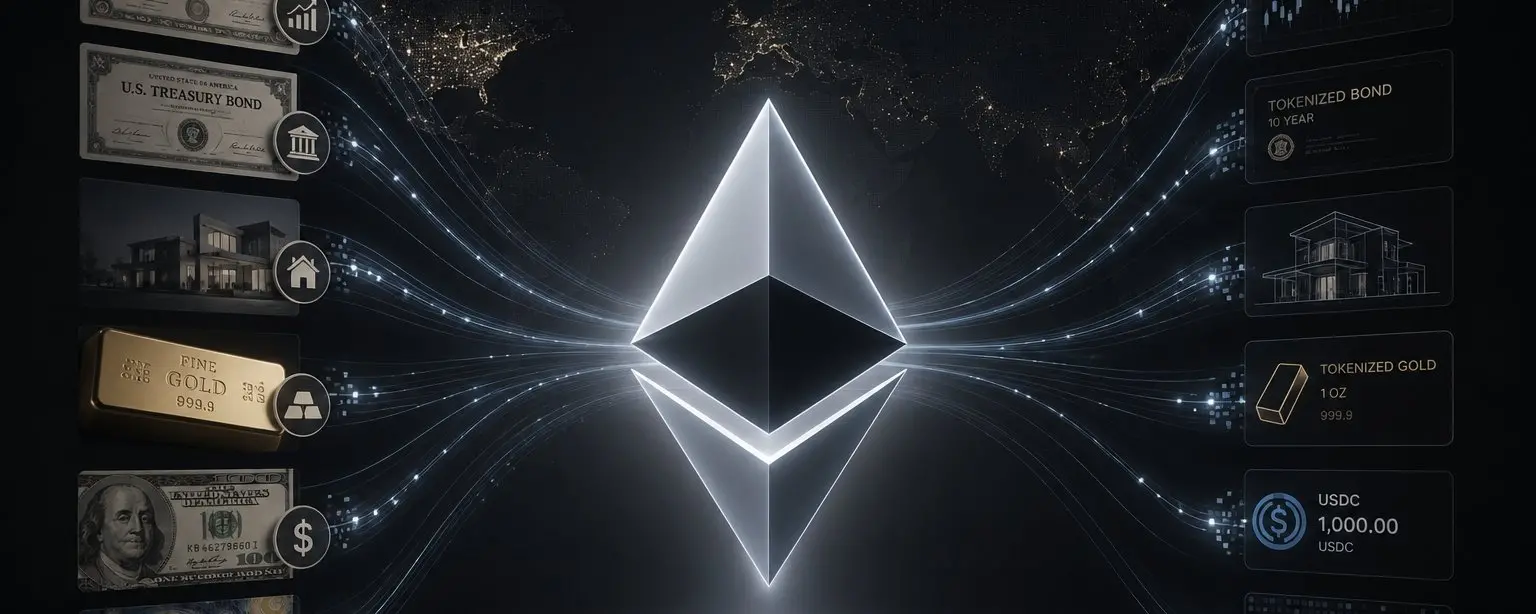
- We often talk about RWA, or Real World Assets, a concept that only began to gain popularity in 2025. However, the world's first RWA is the cash RWA, and Tether is one of its pioneers. Compared to real estate, stocks, and bonds, cash on the blockchain has a very short value chain, is more loosely regulated, and transfers of stablecoins on-chain are over 100 times faster, cheaper, and more convenient than traditional SWIFT. This is also why stablecoins are so developed today. So we must understand that RWA is not a new concept; the world's first RWA is cash RWA.
2. Although Italy does not have many other large tech companies, this company is Italy's largest contribution to the world as a tech unicorn. :)
3. The cryptocurrency industry today has contributed three of the top 25 richest people globally, namely Giancarlo, CZ, and Satoshi Nakamoto. Crypto is also the only industry with such explosive potential, while AI has transferred more value to the old money in the tech industry, like Musk, Bezos, and Gates.

- Going with the flow is very important. We can see from Tether's story that this company acted as a focused and dedicated pirate when it needed to be, without any ambitions of becoming a navy, expanding wildly; then, when it was time to negotiate, it flexibly adapted. Since last year, they have continuously pledged allegiance to the Trump administration. This is something each of us should learn from in our investment, career, and entrepreneurial journeys.
Next, I will specifically introduce the four stages of Tether's growth:
In 2014, Tether was founded by three founders, initially branded as Realcoin. In November of the same year, Realcoin was officially renamed Tether. Starting in 2015, the Bitfinex team gradually began to take the lead, and to this day, Giancarlo Devasini remains the actual decision-maker behind the scenes.
The first stage of Tether's growth was to make USDT the "traffic engine" of exchanges.
Centralized exchanges like Binance and Bitfinex were key drivers of USDT's rise. On September 4, 2017, the People's Bank of China, along with six ministries, jointly issued a notice on "Preventing Risks of Token Issuance and Financing," characterizing ICOs (Initial Coin Offerings) as "unauthorized illegal public financing activities," and required an immediate halt to such activities, prohibiting the exchange of fiat currency for tokens. As a stablecoin, USDT provided a low-volatility entry point, allowing newcomers to easily enter the crypto market. Centralized exchanges attracted traffic through USDT trading pairs, such as BTC/USDT, because it simplified fiat currency exchanges and avoided the hassle of bank KYC. In a sense, the regulation by the People's Bank of China, Chinese users, and the introduction of USDT by Chinese exchanges were significant factors contributing to USDT's rapid rise.
The second stage was to step out of the crypto circle and "embrace" the mainstream gray market, becoming a killer app for dark fintech.
The United Nations' 2024 report indicated that some USDT was used in online gambling black markets in Southeast Asia, money laundering, and illegal finance. These "gray markets" include underground gambling, cross-border remittances to evade taxes, and even more serious illegal activities, as anonymity and low costs facilitate large transfers, with USDT's daily transfer volume exceeding $15 billion. This process has actually accompanied USDT's rapid growth since 2017; interested friends can search for more information.
The third stage was the transition of USDT from a crypto tool to a mainstream dollar alternative.
According to official data from Tether, as of October 2025, over 500 million on-chain wallets and accounts have received USDT, equivalent to 1.4 times the U.S. population, not including the tens of millions of users who only use it on centralized platforms. Let the dollar hegemony take flight on the internet and reach ordinary people.
USDT was launched in 2014, initially to provide a stable anchor for crypto traders to avoid the volatility of assets like Bitcoin. However, its real popularity stemmed from the economic pain points in emerging markets: high inflation, capital controls, and banking exclusion. Many residents of developing countries face rapid depreciation of their local currencies (such as the Argentine peso, Turkish lira, or Nigerian naira), and USDT provides a low-threshold dollar exposure.
The fourth stage was when Tether realized that the situation was changing after Trump took office, embarking on a path of being a pirate offshore while acting as a navy onshore.
In fact, before Trump's election, Tether was living in a paranoid doomsday mentality, especially after Binance's BUSD was shut down by U.S. regulators; they believed they could be liquidated at any time, so they even went to the UAE to establish a stablecoin dirham company, thinking this could serve as a future Noah's Ark.
However, after Trump's election, they quickly changed course, publicly pledging allegiance to the White House, allowing the Secretary of Commerce to invest in their company, and starting to issue a U.S. onshore stablecoin.
In summary, Tether's growth story is one of marginal innovation, first climbing the mountain and then entering the temple. They were bold enough when they needed to be wild, and flexible enough to pivot when it was time to negotiate. This company has almost single-handedly "digitized" the dollar and brought it into every corner of the global internet.
In Tether's story, we see not only the rise of a stablecoin empire but also a wisdom of going with the flow: When the world is changing, only those who understand cycles and dare to ride the waves can truly stay ahead of the tide.
 Risk warning Risk warning