Forbes: The Five Most Controversial Cryptocurrency Moments of 2025
 Core Viewpoint

 The Forbes report points out that by 2025, the cryptocurrency industry will be entangled in a tricky relationship with politics and power, constantly testing the boundaries of public trust and regulatory tolerance.
Original Title: Five Of The Most Controversial Crypto Moments In 2025
Original Author: Becca Bratcher, Forbes
Original Translation: Saoirse, Foresight News
From billion-dollar hacks to presidential-level meme coin launches, 2025 has been a year of complex entanglements with politics and power in the cryptocurrency space, filled with both anxiety and enlightenment. As the fourth quarter of 2025 unfolds, five moments stand out—profoundly illustrating how the cryptocurrency industry continually tests the boundaries of public trust and regulatory tolerance.
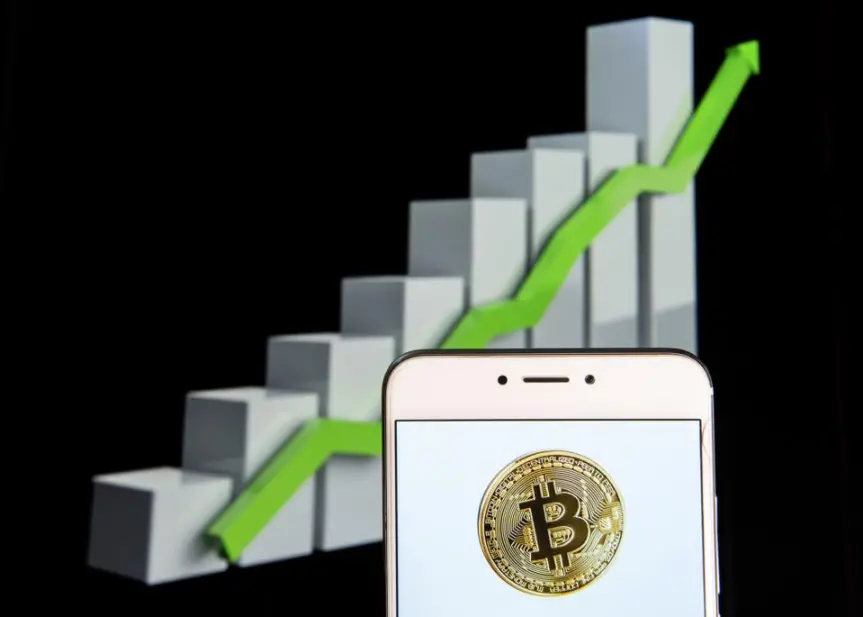
Bitcoin reached an all-time high in 2025, but the industry remains mired in controversy. (Image illustration: Miguel Candela / SOPA Images/LightRocket via Getty Images)
January: Trump Meme Coin Debuts
At the start of 2025, an unexpected move by the incoming U.S. president drew attention.
Just hours before the inauguration, Donald Trump launched the official meme coin TRUMP. The token debuted at around $1, skyrocketed to over $70, and then quickly plummeted. Shortly after, First Lady Melania Trump also launched her personal token MELANIA, which exhibited similar price volatility to TRUMP. As of now, the trading price of the TRUMP token hovers around $7, while MELANIA fluctuates around $0.13.
These tokens were marketed as "celebratory digital collectibles," but their launch sparked questions about ethics and legality. Previously, Trump had dismissed cryptocurrencies, but he repositioned himself as an "advocate" for the industry—actively courting the growing voter base in the crypto space and promising to make the U.S. a global hub for digital assets. Meanwhile, his family business, "World Liberty Financial," expanded its footprint in the cryptocurrency sector.
Within just a few hours, the total market capitalization of these two meme coins approached $11 billion, transforming what was initially a simple political branding exercise into the first major controversy of the cryptocurrency industry in 2025.
February: The Largest Financial Heist in History
Just a month later, public trust in cryptocurrency security took a heavy blow.
Dubai-based cryptocurrency exchange Bybit disclosed that hackers stole approximately $1.5 billion in ETH from one of its offline cold wallets. This unprecedented security breach sent investors into a panic, and blockchain analytics firm Elliptic confirmed that this case was the largest single theft recorded in both digital and traditional finance.
Bybit Exchange (Image illustration: Thomas Fuller / SOPA Images/LightRocket via Getty Images)
Subsequent investigations revealed that the data breach was linked to a hacker group supported by the North Korean government. This finding added a geopolitical dimension to what might have been categorized as a "routine exchange security breach."
May: U.S. President Rewards Top TRUMP Meme Coin Buyers
In May, news sparked a "small but significant" surge in TRUMP meme coin trading volume—President Trump announced that only the top holders of the TRUMP token would be invited to a formal dinner at his private golf club. This "exclusive paid participation" model effectively turned the tokens into a "bidding tool": anyone holding a sufficient number of tokens could gain the opportunity to interact privately with the president.
Dinner attendees included Tron founder Justin Sun, who had previously invested over $18 million in the TRUMP token and faced charges from the U.S. SEC (which were later suspended).
This event sparked dual controversies: protests outside and close scrutiny from Congress inside. Although the White House insisted that Trump's assets were under "blind trust" (meaning they were managed by a third party without direct intervention), blockchain analysis indicated that entities related to Trump controlled about 80% of the remaining supply of the token and had earned over $320 million in transaction fees through token trading.
U.S. House Representatives Adam Smith and Sean Casten led a coalition of 35 House Democrats in a letter to the Department of Justice, requesting an investigation into whether Trump's actions—providing "dinner opportunities" to top TRUMP token investors—constituted bribery or violated the "foreign emoluments clause" in the U.S. Constitution (which prohibits federal officials from accepting unauthorized compensation from foreign governments or individuals).
They pointed out in the letter that this incident "opens the door for foreign interference in U.S. policy decisions, potentially constituting corruption and violating the emoluments clause. This is just the latest example of President Trump disregarding ethical standards, exacerbating conflicts of interest, and using his position for personal gain."
October: The "10.11" Incident
Fast forward to October: blockchain analysts discovered that an anonymous trader suddenly shorted Bitcoin and Ethereum just minutes before President Trump announced new tariffs on China. Trump's tax announcement directly triggered the largest "liquidation waterfall" in cryptocurrency history (where a large number of leveraged positions are forcibly closed due to price drops, further exacerbating the price decline).
Reports indicate that before the market stabilized, this anonymous trader profited $160 million. Observers, including the commentary agency "The Kobeissi Letter," publicly questioned: "Did someone have advance knowledge of the tax announcement?"
Currently, there is no direct evidence of "insider information leakage," but this incident once again raised public concerns about the digital asset market—suggesting that issues of information asymmetry and political influence on the market may be more severe than previously thought.
October: A "Profitable" Pardon
Just weeks later, another controversy erupted: President Trump pardoned Binance founder CZ.
CZ had previously admitted to "anti-money laundering violations" in 2023 and served four months in prison; Binance itself paid over $4 billion in fines for this.

On April 30, 2024, former Binance CEO CZ leaves the federal court in Seattle, Washington. The founder and former CEO of the world's largest cryptocurrency exchange, Binance, was sentenced to four months in prison for admitting to violating anti-money laundering laws. (Image: Jason Redmond / AFP via Getty Images)
This pardon not only erased CZ's criminal record but also cleared the way for his return to the cryptocurrency industry. The White House explained that this move was intended to correct "regulatory overreach during the Biden administration."
However, a report from the BBC further intensified the controversy: CZ's company had previously collaborated with "businesses related to the Trump family's cryptocurrency project." This connection significantly heightened public suspicion of "quid pro quo" behind the pardon.
Objectively, this pardon further solidified the current U.S. government's "alliance" with the digital asset industry, while also raising deeper questions: To what extent will political influence sway regulatory outcomes?
Conclusion: Another "Ordinary Year" in the Cryptocurrency Space
These five events collectively made 2025 another "headline year" for the cryptocurrency industry. Despite ongoing controversies, this year is far from being the "worst of times" for the industry in historical context.
The January meme coin launch blurred the lines between "hype" and "governance"; the February Bybit hack exposed vulnerabilities even in the most trusted systems; the May dinner transformed "token holding" into a "political avenue"; the October trading scandal revealed the control of "speculation" and "timing" over the entire market; and the presidential pardon in the same month made 2025 a year where the "legitimacy and ethical boundaries" of the cryptocurrency industry faced repeated challenges.
Every year in the cryptocurrency space is accompanied by new innovations, challenges, breakthroughs, and controversies—and 2025 is no exception.
 Risk warning Risk warning