Grayscale: Bitcoin 30% correction is a non-cyclical pullback, expected to reach new highs next year
 Core Viewpoint

 Grayscale believes that the four-year cycle theory has failed, and Bitcoin prices are expected to reach a new all-time high next year.
Original Author: Grayscale
Original Compilation: Luffy, Foresight News
TL;TR
- Bitcoin investors have reaped high returns but have also experienced multiple significant pullbacks. The approximately 30% drop since early October is consistent with historical averages, marking the ninth notable retracement in this bull market.
- Grayscale Research believes that Bitcoin will not fall into a deep and prolonged cyclical pullback, and prices are expected to reach new historical highs next year. From a tactical perspective, some indicators point to a short-term bottom, but the overall situation remains divergent. Potential positive catalysts before the end of the year include another rate cut by the Federal Reserve and the advancement of cryptocurrency-related legislation.
- In addition to mainstream cryptocurrencies, privacy-focused crypto assets have performed exceptionally well; meanwhile, the first exchange-traded products (ETPs) for Ripple and Dogecoin have begun trading.
Historically, investing in Bitcoin has typically yielded substantial returns, with annualized returns of 35%-75% over the past 3-5 years. However, Bitcoin has also undergone multiple significant pullbacks: its price typically experiences at least three declines of over 10% each year. Like all other assets, the potential investment returns of Bitcoin can be seen as compensation for its risks. Long-term holders (HODLers) of Bitcoin have enjoyed generous returns, but they have also had to endure sometimes severe pullback pressures along the way.
The Bitcoin pullback that began in early October continued to unfold throughout most of November, with a maximum drop of 32% (see Figure 1). As of now, this retracement is close to historical averages. Since 2010, Bitcoin's price has dropped over 10% approximately 50 times, with an average pullback of 30%. Since Bitcoin's bottom in November 2022, there have been nine declines of over 10%. Despite the volatility, this is not an unusual phenomenon in a Bitcoin bull market.
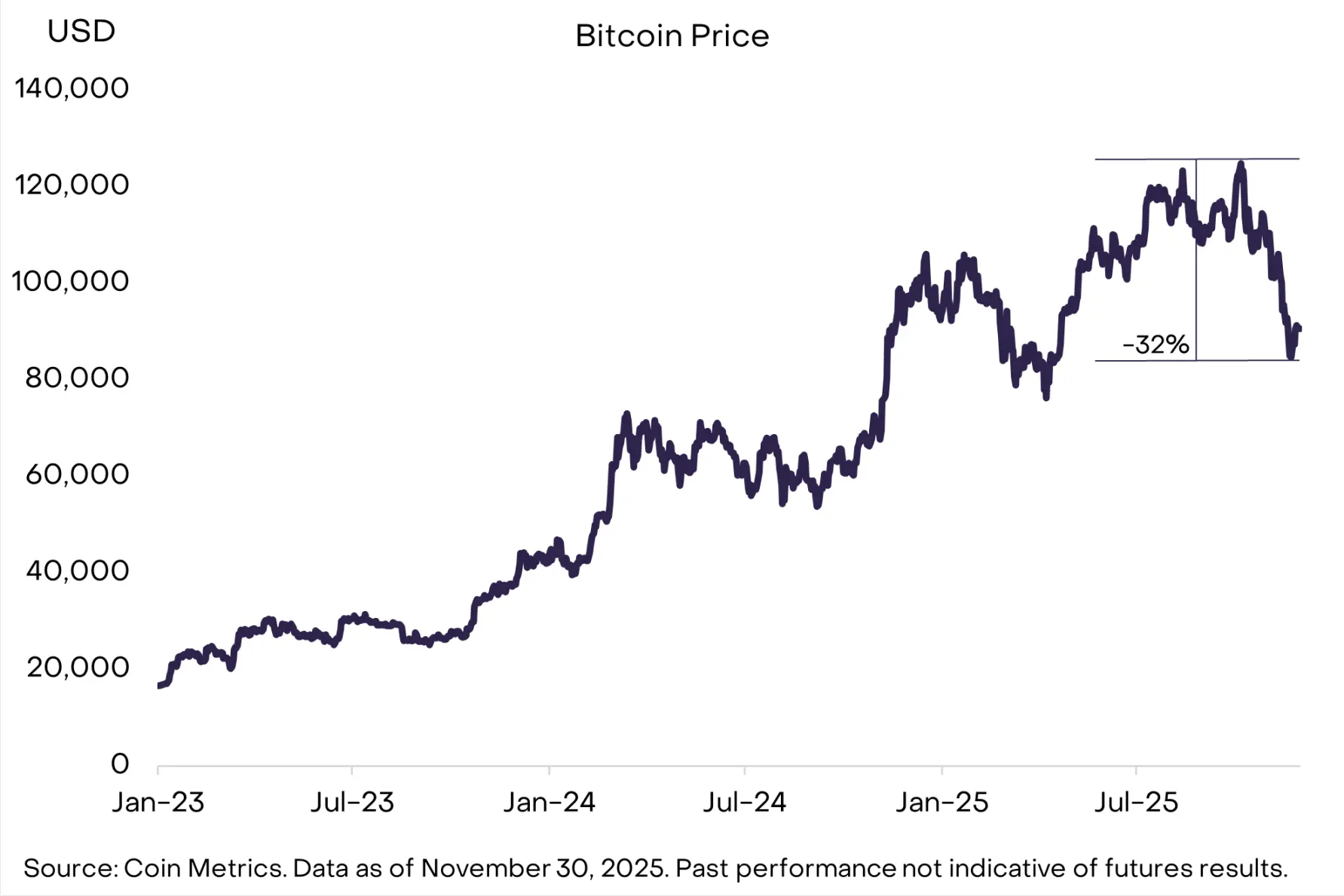
Figure 1: This pullback is consistent with historical averages
Bitcoin pullbacks can be measured in terms of magnitude and duration, with data showing two main categories (see Figure 2): one is "cyclical pullbacks," characterized by deep and prolonged price declines lasting 2-3 years, occurring approximately every four years in history; the other is "bull market pullbacks," with an average drop of 25%, lasting 2-3 months, typically happening 3-5 times a year.
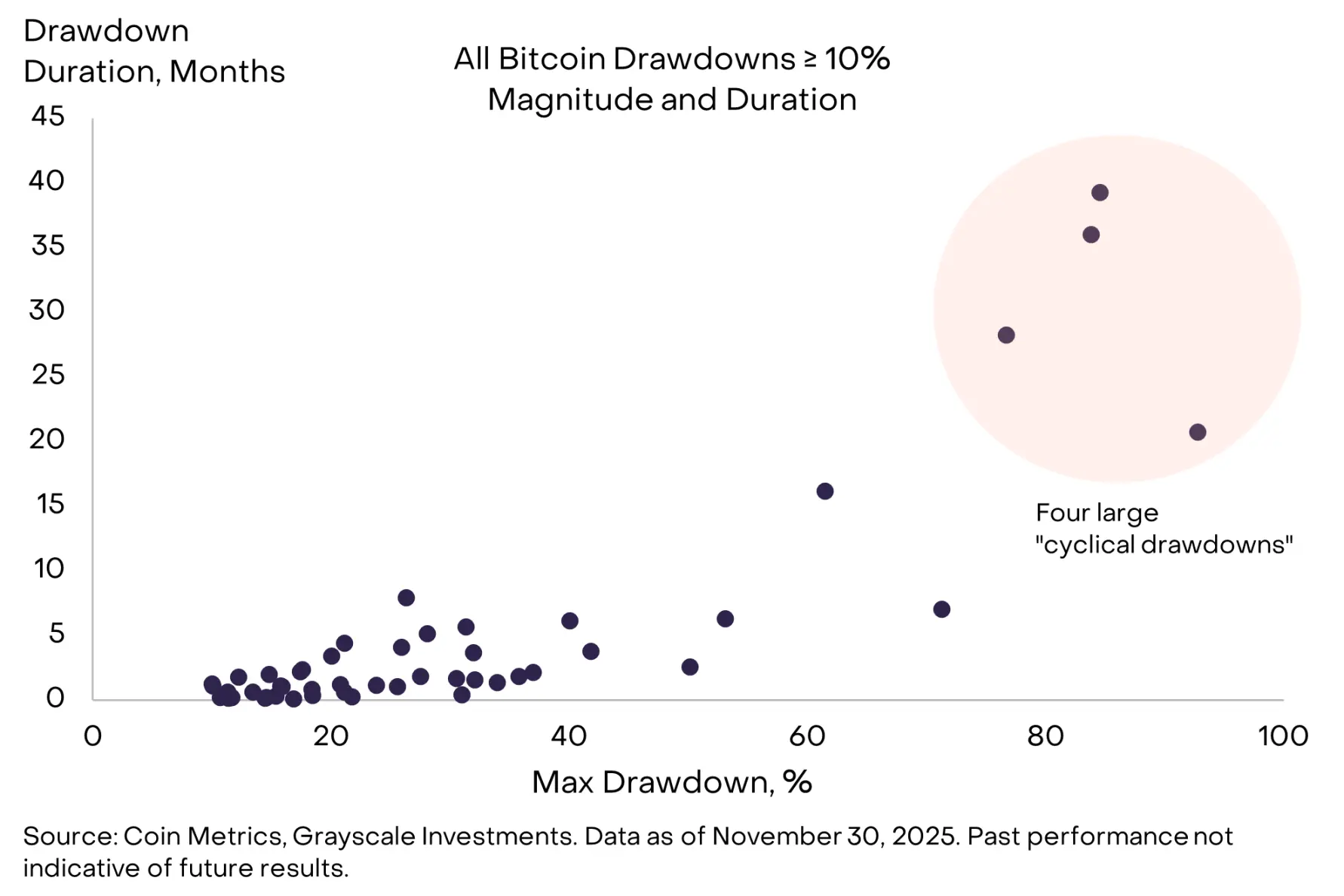
Figure 2: Bitcoin has experienced four major cyclical pullbacks
Downplaying the Four-Year Cycle Theory
Bitcoin's supply follows a four-year halving cycle, and historically, major cyclical price pullbacks have also occurred approximately every four years. Therefore, many market participants believe that Bitcoin's price will also follow a four-year cycle—after three consecutive years of increases, the price will decline next year.
Despite the uncertainty in the outlook, we believe the four-year cycle theory will prove incorrect, and Bitcoin's price is expected to reach new historical highs next year. The reasons are as follows: first, unlike previous cycles, this bull market has not seen a parabolic price rise that could indicate overheating (see Figure 3); second, the market structure of Bitcoin has changed, with new funds primarily flowing in through exchange-traded products (ETPs) and digital asset trusts (DATs), rather than retail investors; finally, as discussed below, the overall macro market environment remains favorable for Bitcoin.
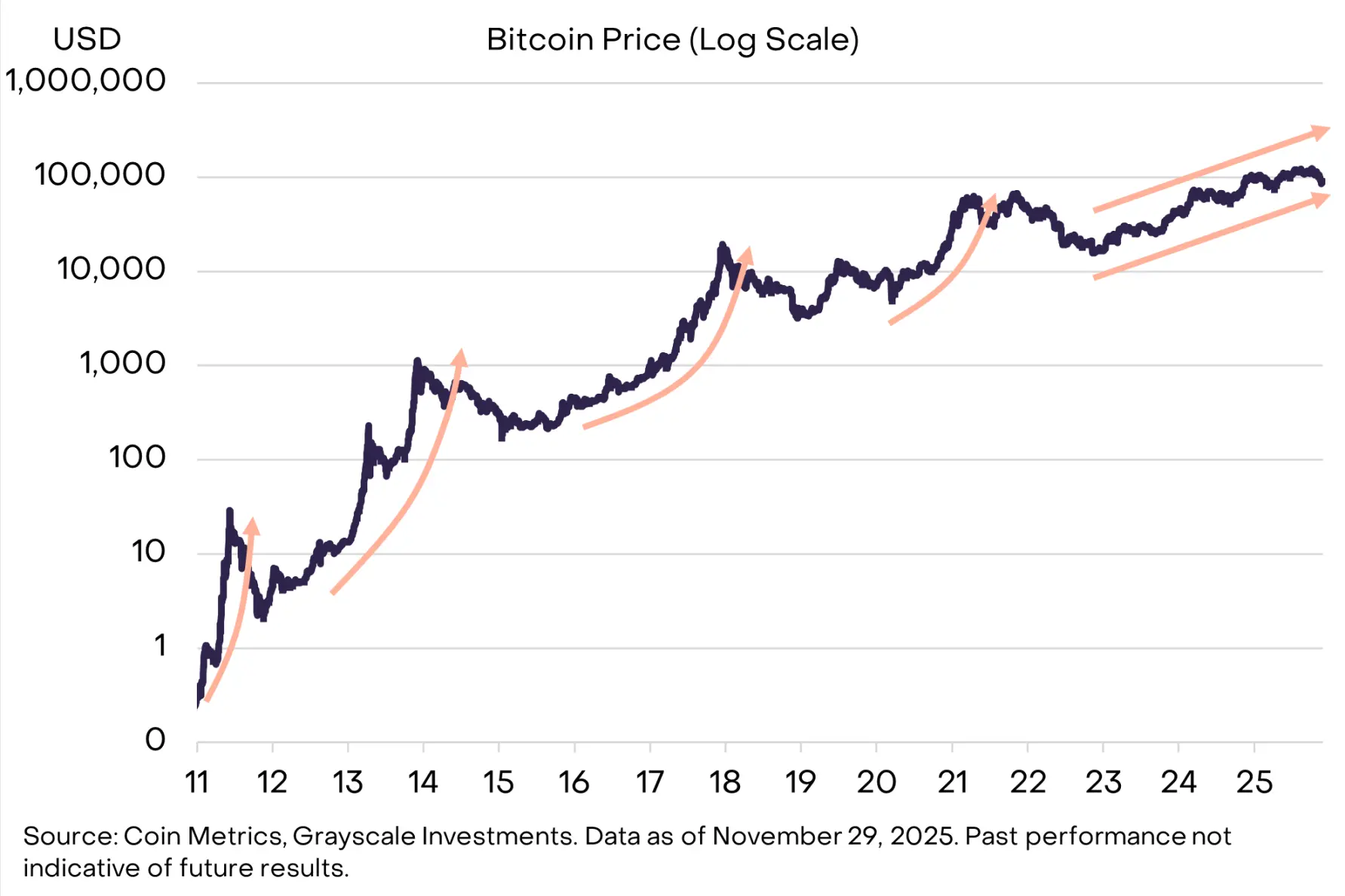
Figure 3: No parabolic price rise has occurred in this cycle
There are already signs that Bitcoin and other crypto assets may have bottomed. For example, the skew of Bitcoin put options is at an extremely high level (Note: Option skew is an indicator that measures the asymmetry of the implied volatility curve of options, reflecting the market's expectations of future price volatility direction of the underlying asset.), especially for options with 3-month and 6-month maturities, indicating that investors have widely hedged against downside risks (see Figure 4); the largest digital asset trust is trading below the value of the crypto assets on its balance sheet (i.e., its "adjusted net asset values" mNAVs are below 1.0), suggesting lighter speculative positions (usually a precursor to recovery).
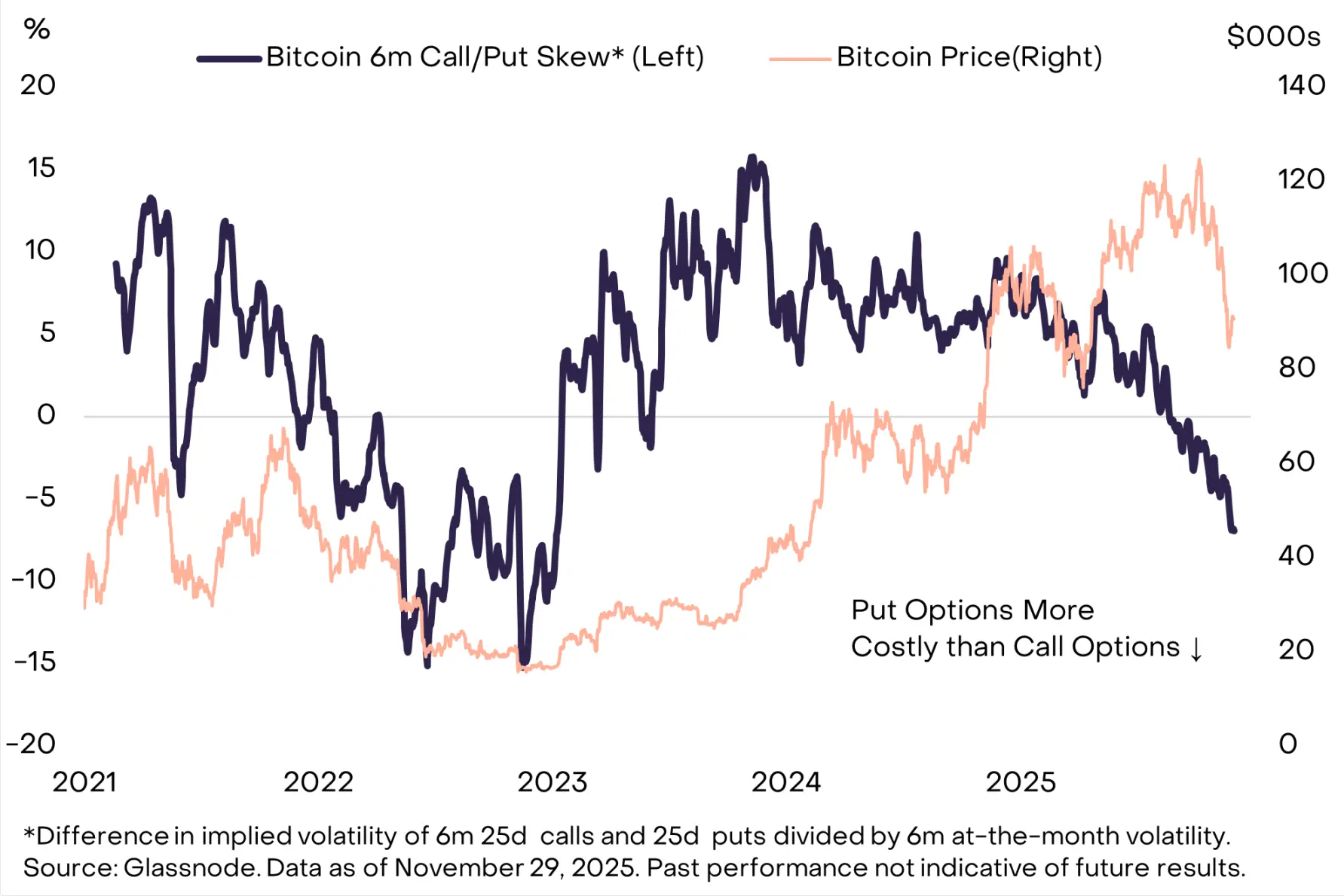
Figure 4: High put option skew indicates downside risks have been hedged
At the same time, several fund flow indicators show that demand remains weak: November's futures open interest further declined, and ETP fund flows only turned positive at the end of the month, possibly indicating more selling by early Bitcoin holders. Regarding the latter, on-chain data shows that the "coin days destroyed" (CDD) surged again at the end of November (Note: CDD is calculated as the number of Bitcoins transacted multiplied by the number of days since the last transaction). Therefore, when a large number of long-term dormant tokens are moved simultaneously, CDD rises. Similar to the CDD surge in July, this increase at the end of November may indicate that large long-term holders are selling Bitcoin. For the short-term outlook, investors can only be more confident in determining that Bitcoin has bottomed when these fund flow indicators (futures open interest, ETP net inflows, early holder selling) show improvement.
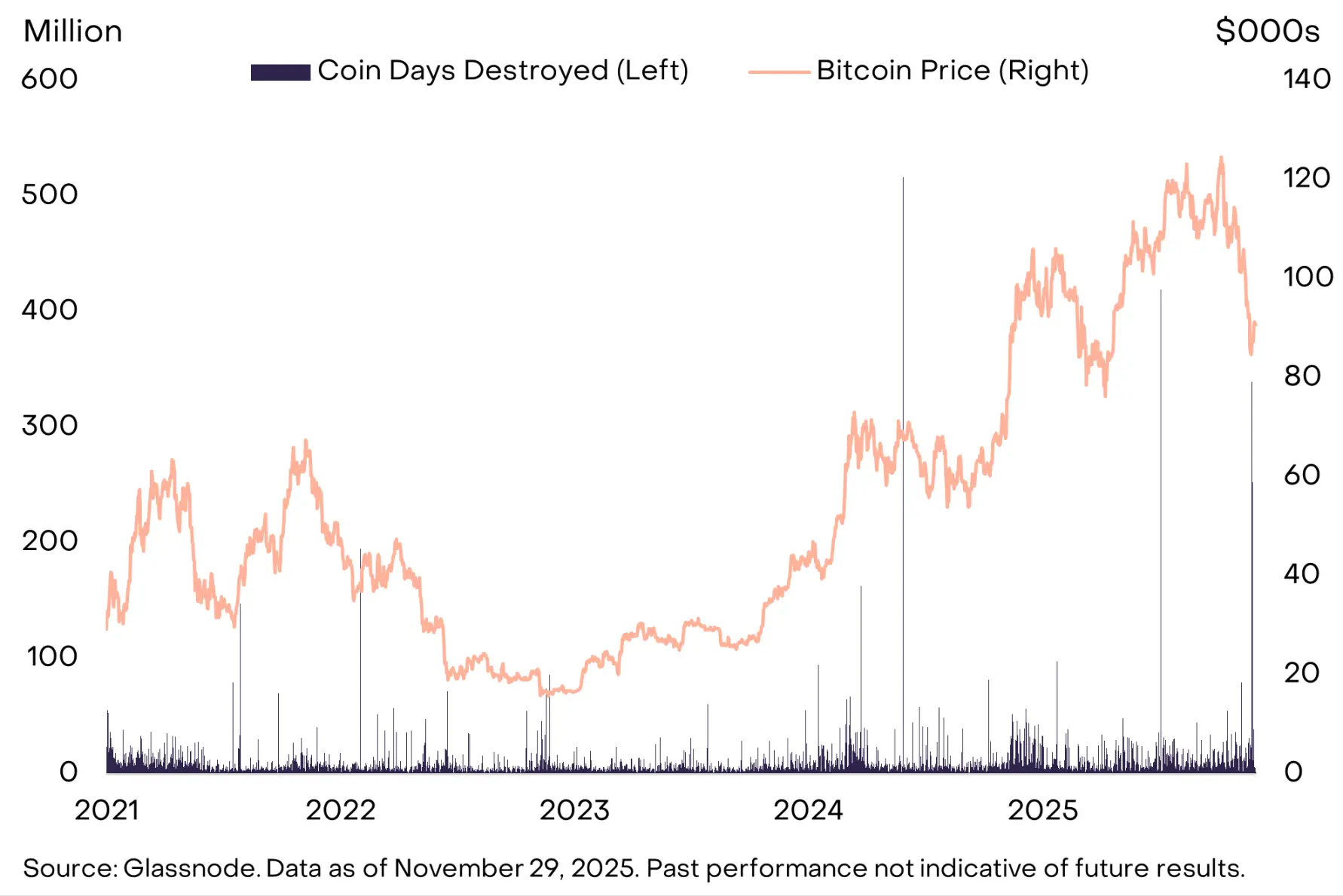
Figure 5: More long-term dormant Bitcoins are being transferred on-chain
Privacy Assets Stand Out
According to our Crypto Sectors index, Bitcoin's decline in November was moderate among investable crypto assets. The best-performing market sector was the "currency crypto assets sector" (see Figure 6), which rose during the month when Bitcoin was excluded. The gains primarily came from several privacy-focused cryptocurrencies: Zcash (+8%), Monero (+30%), and Decred (+40%). There has also been widespread attention to privacy technology within the Ethereum ecosystem: Vitalik Buterin unveiled a privacy framework at the Devcon conference, and the privacy-focused Ethereum Layer 2 network Aztec launched its Ignition Chain. As discussed in the previous monthly report, we believe that without privacy elements, blockchain technology cannot fully realize its potential.
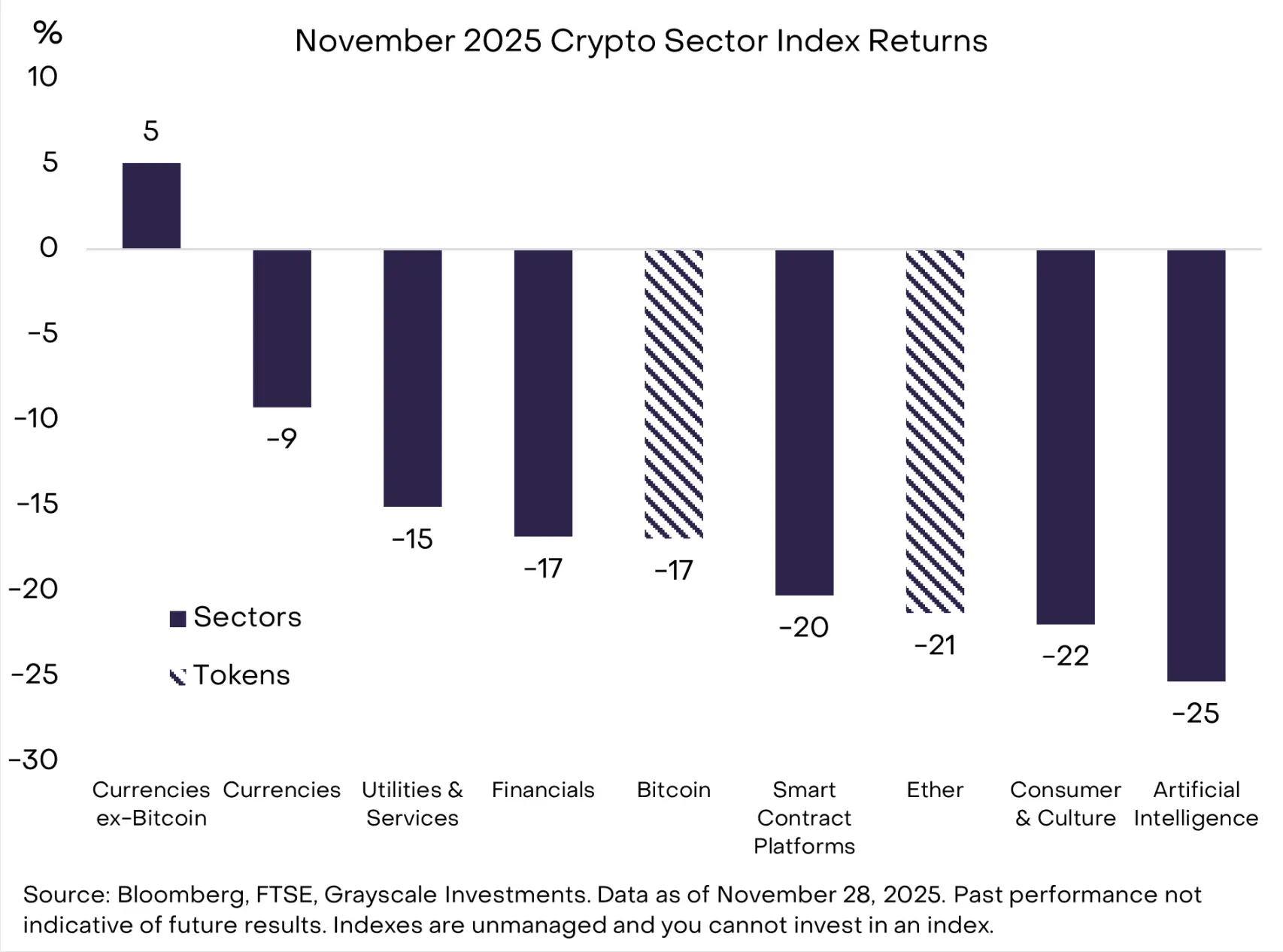
Figure 6: Non-Bitcoin currency assets performed well in November
The worst-performing market sector was the "AI crypto assets sector," which fell 25% during the month. Despite the weak prices, this sector has seen several significant positive developments in its fundamentals.
Specifically, as the second-largest asset by market capitalization in the AI crypto assets sector, Near's Near Intents product adoption continues to rise (see Figure 7). Near Intents connects users' expected outcomes with a "solution provider network," allowing solution providers to compete for the optimal execution path across chains, thus eliminating cross-chain complexity. This functionality has enhanced the utility of Zcash—users can privately spend ZEC, while the recipient can receive assets like Ethereum or USDC on other chains. Although still in its early stages, we believe this integration could play an important role in promoting privacy-preserving payments across crypto ecosystems.
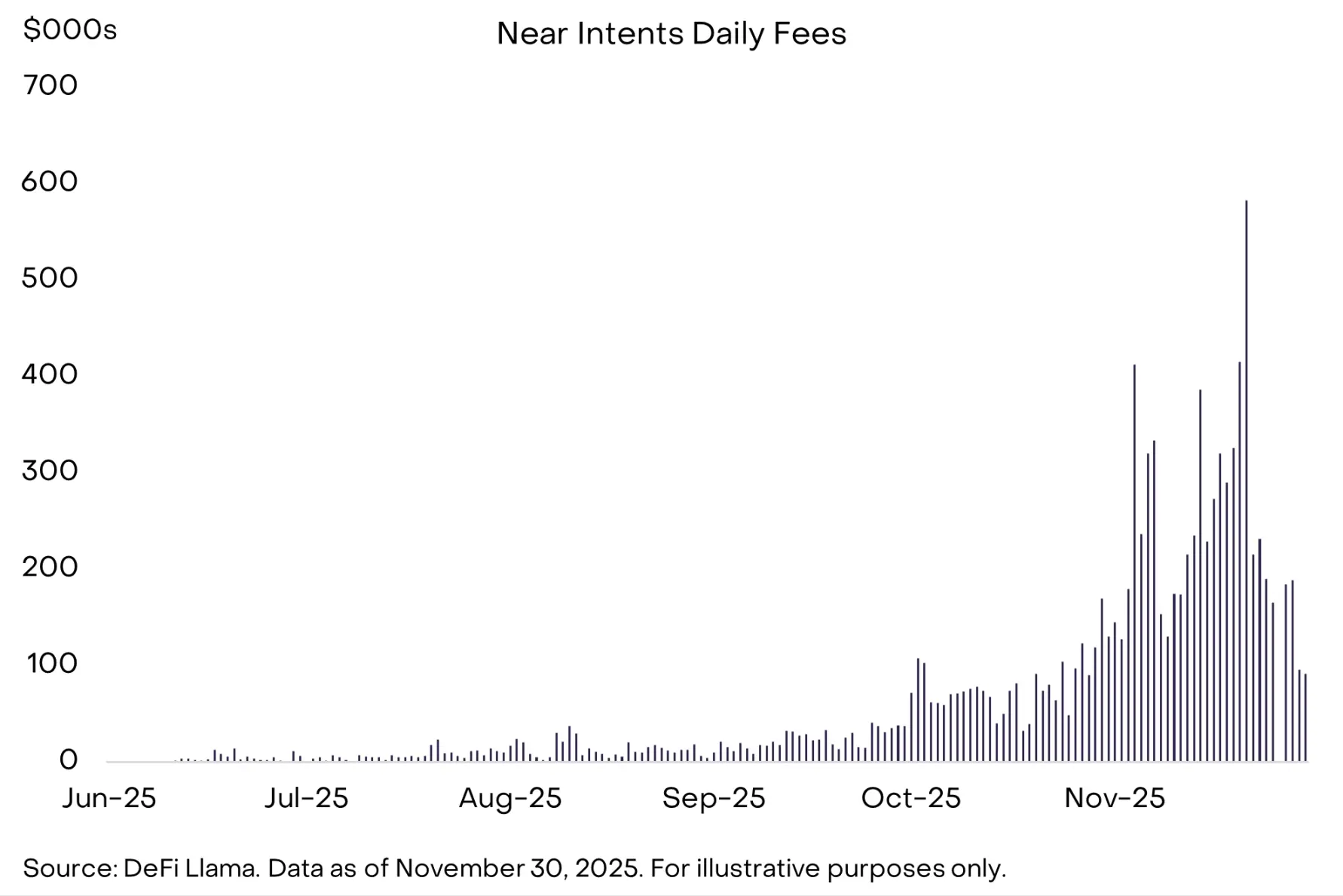
Figure 7: Near's Intents product finds market fit
Additionally, developers' attention has shifted to the x402 protocol. This is a new open payment protocol developed by Coinbase that allows AI agents to drive stablecoin payments directly over the internet. This payment standard does not require account creation, manual approval steps, and does not charge custodial payment processing fees, enabling frictionless, autonomous microtransactions executed by AI agents, with blockchain serving as the settlement layer. Recently, the adoption of x402 has accelerated, with daily transaction volumes rising from less than 50,000 in mid-October to over 2 million by the end of November.
Finally, thanks to the new universal listing standards approved by the U.S. Securities and Exchange Commission (SEC) in September, the crypto ETP market continues to expand. Last month, issuers launched ETP products for Ripple and Dogecoin, with more single-token crypto ETPs expected to list before the end of the year. According to Bloomberg data, there are currently 124 crypto-related ETPs listed in the U.S., with a total assets under management of $145 billion.
Rate Cuts and Bipartisan Legislation
In many ways, 2025 is set to be a milestone year for the crypto asset industry. Most importantly, regulatory clarity is driving a wave of institutional investment, which is expected to form the foundation for sustained growth in the industry over the coming years. However, valuations have not kept pace with the long-term improvement in fundamentals: our market-cap-weighted Crypto Sectors index has fallen 8% since the beginning of the year. Although the crypto market may be volatile in 2025, fundamentals and valuations will ultimately converge, and we are optimistic about the outlook for the crypto market at the end of the year and into 2026.
In the short term, the key variable may be whether the Federal Reserve will cut rates at its meeting on December 10, and the guidance on policy rates for next year. Recent media reports indicate that National Economic Council Director Kevin Hassett is a leading candidate to succeed Federal Reserve Chair Powell. Hassett may support lowering policy rates: he stated in a September interview with CNBC that a 25 basis point cut by the Federal Reserve is a "good first step" toward "significant rate cuts." All else being equal, a decline in real rates typically has a negative impact on the value of the dollar and benefits assets that compete with the dollar, including physical gold and certain cryptocurrencies (see Figure 8).
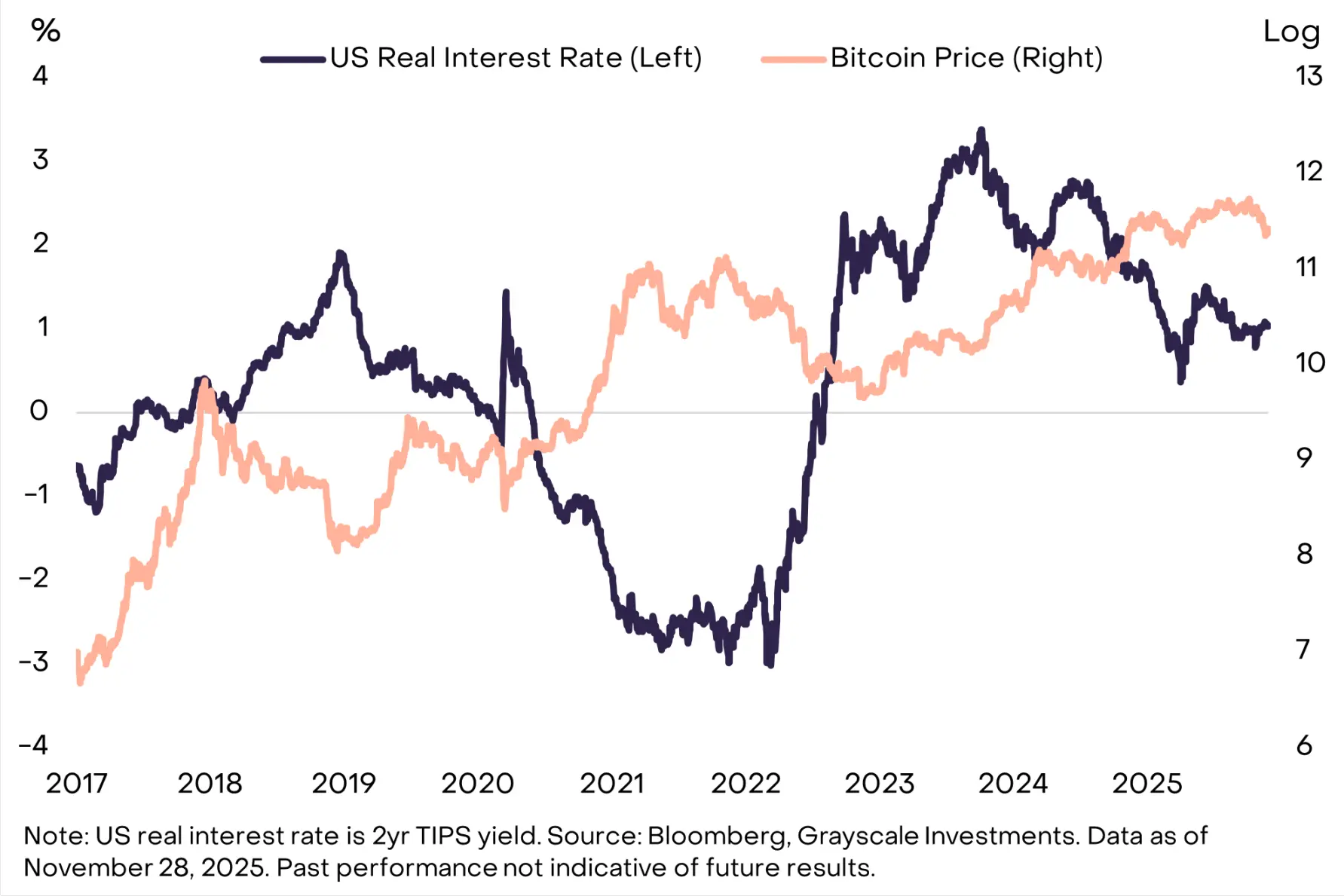
Figure 8: Federal Reserve rate cuts may support Bitcoin prices
Another potential catalyst could be the ongoing bipartisan efforts in cryptocurrency market structure legislation. The Senate Agriculture Committee (which oversees the Commodity Futures Trading Commission) released a bipartisan draft text in November. If cryptocurrencies can maintain bipartisan consensus and not become a partisan issue in the midterm elections, then the market structure bill may make further progress next year, potentially driving more institutional investment into the industry and ultimately boosting valuations. While we are optimistic about the short-term market outlook, truly substantial gains may come from long-term holding.
 Risk warning
 Risk warning