Dialogue with Theoriq COO Pei Chen: What kind of underlying infrastructure do we need when future capital management is dominated by AI?
 Core Viewpoint

 The mainnet launch and TGE are approaching. What is the next roadmap?
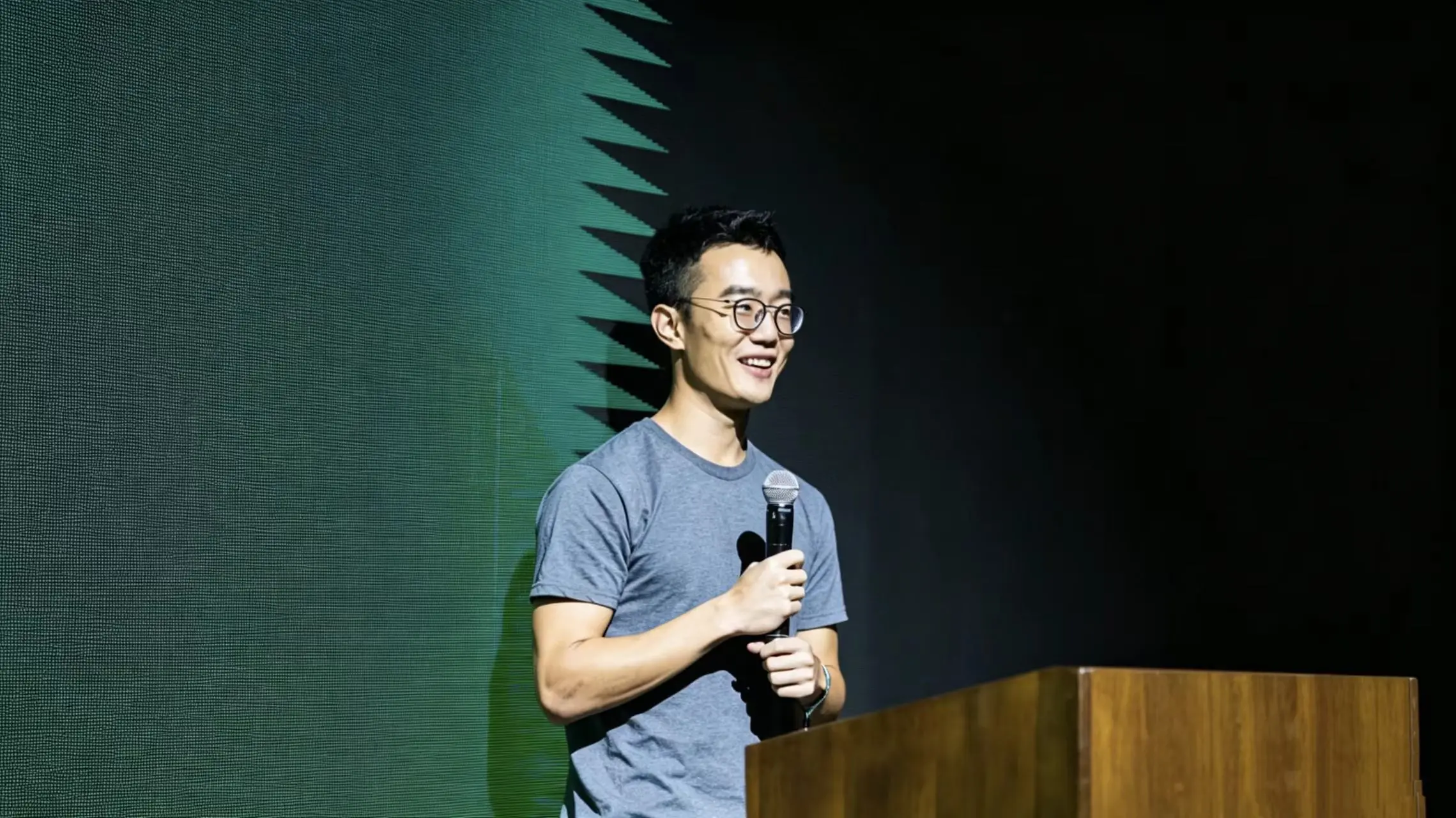
Guest: Pei Chen, Theoriq COO
Interview organized by: momo, ChainCatcher
DeFi has shown strong financial innovation momentum, but it is becoming increasingly complex. Cross-chain, LP, risk parameters, strategy switching… Each module is not difficult to understand on its own, but when put together, it creates a high barrier for ordinary users.
In light of this market pain point, a group of Builders emerging from traditional finance and cutting-edge AI fields are trying to propose a more thorough answer: If human users are not good at handling fragmented on-chain risks, market changes, and strategy decisions, would it be more efficient to let AI take over capital, learn strategies, and execute operations?
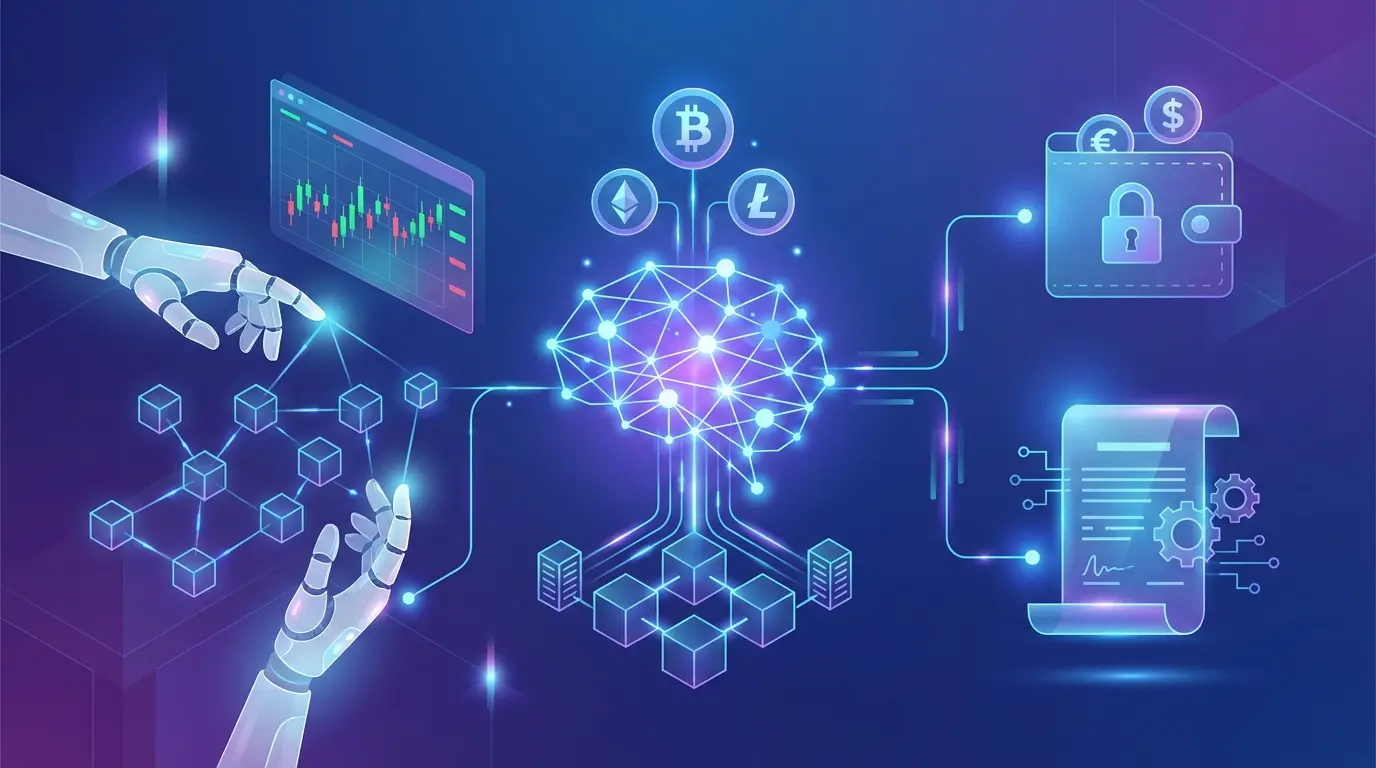
Theoriq is the product of this exploration. This team, led by former senior members from Goldman Sachs and Consensys, is dedicated to building a native "AI liquidity layer," aiming to enable AI agents not only to analyze the market and generate strategies but also to directly manage on-chain capital, becoming truly autonomous financial participants in the DeFi ecosystem.
Recently, Theoriq has entered the final preparation stage for its mainnet and TGE. Previously, Theoriq has raised over $14 million in investments, with well-known investment institutions such as Hack VC, HTX Ventures, IOSG Ventures, SNZ Holding, HashKey Capital, Alliance, and Foresight Ventures participating.
In this interview, Theoriq COO Pei Chen systematically elaborated on how its product matrix operates in synergy to achieve true understanding, decision-making, and management of capital by AI, and shared the roadmap post-TGE and future outlook for AI-driven capital management. 
From Technology to Business: The Composite Team Gene of Theoriq
1. ChainCatcher: Before joining Theoriq, what important work experiences did you have, and why did you choose to join Theoriq last year?
Pei: My career began in traditional finance, working for over a decade at institutions like Goldman Sachs. In 2017, I joined Consensys as an early member, responsible for the strategy and ecosystem partnerships of Ethereum infrastructure products. After that, I also worked at blockchain organizations like Rootstock Labs and the Sei Foundation as Chief Growth and Strategy Officer, accumulating comprehensive experience from primary to secondary markets, and from developer communities to product implementation.
About a year ago, I started exploring the intersection of AI and Crypto. The perspective of Theoriq felt novel to me; it aims to build a native "AI liquidity layer" that allows intelligent entities to act as autonomous agents, continuously learning, adapting, and coordinating to complete various DeFi use cases.
I believe that while DeFi has unleashed tremendous financial potential, its increasing complexity has also created usability gaps and entry barriers. To address this issue, I think we need paradigm innovation from the underlying infrastructure rather than just incremental improvements. Theoriq happens to explore this vision from the infrastructure level, which is why I chose to join.
2. ChainCatcher: It is understood that the project evolved from the early ChainML. What are the main strategic changes in this transformation from "machine learning" to "modular AI agent layer"?
Pei: The team's initial idea focused on making AI more "knowledgeable" through machine learning. However, the project never landed, primarily because machine learning can quickly organize knowledge but struggles to translate that knowledge into specific "actions," let alone integrate with "capital flow."
The past model may have been too focused on the technology itself. Our current shift is to make technology turn towards "usability" and directly link it to end users.
In considering practical scenarios, we found that DeFi strategies are a highly relevant field—if AI can quickly grasp market knowledge, its ability to formulate DeFi strategies may surpass that of humans. The key lies in how to provide an AI with strategic capabilities a "capital layer" to apply its knowledge in actual capital management. This is the source of our idea to build an intermediary "capital layer."
At the same time, we realized that having a product alone, without an effective incentive mechanism, would also make it difficult to enter the market. Therefore, we introduced the THQ token economic model, aiming to directly bind the reputation system and economic mechanism to on-chain agents, thus innovating on-chain accountability for AI behavior.
3. ChainCatcher: What is the current capability composition of the core team? How has the traditional finance background influenced you?
Pei: The current team has a composite structure. Ron and his founding team have a strong track record in AI and data, with multiple successful exits and have held key positions at Google CTO Office and other leading AI companies. Both Jeremy and I have worked at Goldman Sachs and Consensys, possessing a blend of traditional investment banking background and cryptocurrency ecosystem experience. Jeremy has eight years of experience at Consensys and is very familiar with the Ethereum ecosystem, while I have long-term practical experience in both Ethereum and Bitcoin ecosystems. Our addition has injected financial genes and business execution power into a team that was originally technology-focused.
Additionally, we have formed a professional quantitative team with firsthand experience in stablecoin and Ethereum on-chain strategies, primarily responsible for evaluating, optimizing, and allocating capital for agent strategies. The entire team's gene has shifted from pure technical research and development to a form deeply integrating technology, finance, growth, and business execution.
The advantages brought by the traditional finance background are very specific: first, we are very familiar with high-pressure, fast-paced, high-risk, and high-capital-efficiency financial scenarios, which highly matches the core of AI agents managing capital. Second, we all have business leadership backgrounds, placing great emphasis on the market efficiency and execution of products. This combination of "technical depth" and "business execution power" can more effectively push the vision to a realizable stage.
How to Build an "AI Agent Operating System" for DeFi?
4. ChainCatcher: Theoriq has many product matrices, such as AlphaProtocol, AlphaSwarm, AlphaVault, etc. Can you systematically interpret what pain points you mainly want to solve? What are the main use cases of these products? How do they collaborate with each other?
Pei: Our product architecture is divided into four core layers, collectively building a multi-agent liquidity network:
Basic Protocol Layer: This is the foundational "Alpha Protocol," which ensures that multiple AI agents can register, communicate with each other, make payments, and form a decentralized evaluator network to establish and accumulate the "reputation" of agents. This is the infrastructure for the collaborative work of the agent cluster.
Intelligent Layer: This is "AlphaSwarm," composed of multiple knowledge-based AI agents. These agents can understand complex information and execute actions based on that, such as analyzing and providing the best liquidity provision strategies.
Capital Layer: This is "AlphaVault." It is a fund pool managed by agents, integrated with professional treasury infrastructure partners, intelligently allocating the total funds (TVL) to multiple selected, high-performing sub-strategy pools. This is the core layer for AI to achieve capital allocation and risk control.
Application/Community Layer: This is the user interaction interface. Users can discover and interact with different AI agents here. In the future, this will also be open to third-party developers, allowing them to create their own agent or treasury products based on our protocol.
These four layers of products revolve around one core scenario: solving the usability barriers caused by the complexity of DeFi, and managing on-chain capital more efficiently in a secure, transparent, and intelligent manner.
5. ChainCatcher: What are the core advantages of treasury products compared to other DeFi yield aggregators on the market?
Pei: The advantages mainly lie in "one-stop" and "intelligence." First, the underlying strategy pools we collaborate with can provide competitive Ethereum staking yields in the market, so users do not have to compromise on returns.
More importantly, it addresses the core pain points of users, allowing them not to have to monitor the market daily or manually transfer funds across multiple platforms to chase the highest yields or manage risks. AI agents will continuously and intelligently allocate funds to what they consider the optimal basket of strategies. For users, this is a more worry-free and efficient new choice.
6. ChainCatcher: What key progress milestones has the project achieved from testnet to mainnet launch? Are there any quantifiable metrics you can share regarding user adoption or capital scale?
Pei: During the testnet phase, we achieved an average of about 60 million agent interactions per day and attracted over 2.2 million users to participate in the experience, providing strong community data support for the feasibility of our protocol layer.
Additionally, as mentioned earlier, AlphaVault has successfully launched on the mainnet, and the treasury reached approximately $23 million in TVL within about five days after its launch, driven primarily by community engagement.
7. ChainCatcher: What has been the biggest challenge you faced in advancing the product? What does the ideal "human-machine collaboration" model look like?
Pei: One of the biggest challenges is talent. We have built a strong multi-agent protocol, but finding developers who understand both AI and Crypto and can build applications on this protocol is very difficult. This is reminiscent of the early days of crypto when there was a shortage of smart contract developers. Therefore, we adjusted our strategy: the core team first created exemplary use cases, such as liquidity agents and treasuries, to prove the feasibility of the technology and the value of the product, thereby attracting community developers to follow.
Regarding human-machine collaboration, I believe this is an evolving process. In the long run, the operation of complex, dynamic, high-risk capital markets will largely be driven and managed by AI. Humans will play more of a role as capital owners, supervisors, and macro-strategic regulators. The ideal state is for AI to achieve highly automated management, but the premise is that core security issues such as private key management and asset deposits and withdrawals must be securely resolved. Currently, we are in the transitional phase of establishing reliable "guardrails" and "checks and balances."
8. ChainCatcher: What is the competitive landscape in this space? What are Theoriq's competitive advantages?
Pei: Currently, there are very few competitors directly building similar multi-agent protocol stacks. While there are projects using AI for stablecoin yield farming or general capital management, there are basically none like us that focus on specific ecosystems and build a complete four-layer architecture.
Our competition comes from two aspects: first, competing with traditional DeFi asset management products for on-chain capital; second, competing for user attention and usage habits with all user interfaces.
Our core advantages lie in two points: first, we have a strong internal quantitative team that has a deep understanding of risk and modeling, capable of quickly developing and optimizing strategies, which is our technical moat. Second, the core team has multiple successful product marketization experiences and exit experiences in both Crypto and AI fields. This "operator experience" and cross-domain resource network form a strong execution barrier.
What is the Roadmap After TGE?
9. ChainCatcher: What role will the THQ token play in the ecosystem? What is its long-term value support?
Pei: The role of the THQ token is layered and gradually manifested:
Access and Security: Initially serves as a pass to ensure the security of protocol access.
Incentives and Staking: Used for staking to obtain economic incentives.
Delegation and Governance: Used to delegate tokens to specific AI agents. Token holders can delegate their tokens to specific AI agents to share part of their income, while agents accumulate reputation through receiving delegations. This forms a positive feedback loop that is incentive-compatible.
Value Capture: Ultimately, the income and fees generated by the protocol treasury will be used for reward distribution, income sharing, and partially for repurchasing and burning THQ. This ties the token's value to the actual growth and profitability of the protocol, achieving long-term value accumulation.
10. ChainCatcher: What are the most important roadmap goals for the next six months? What do you hope to attract developers to build?
Pei: The focus for the next six months revolves around "deepening" and "expanding":
In terms of product deepening, after TGE, we will quickly enable long-term staking, agent delegation, and decentralized governance functions. Most importantly, we aim to launch treasury products "self-managed" by AI agents in the first quarter of 2025, where agents can autonomously formulate strategies, allocate funds, and generate returns.
In terms of ecological expansion, we will release more developer tools and SDKs to significantly lower the entry barriers for third-party developers. We encourage developers to innovate freely based on our protocol, whether it is building new treasury products or developing non-financial agent applications. We will not impose too many restrictions but will provide infrastructure and initial incentives.
11. ChainCatcher: Looking ahead to the next three to five years, what form do you expect Theoriq to grow into? How will it impact the entire capital management ecosystem?
Pei: The long-term vision is to create a new financial system driven by "AI agents" and "blockchain governance mechanisms." In this system, AI is no longer just a tool but a complete and autonomous participant in the financial ecosystem, thus redefining the management, allocation, and appreciation of capital. It may exist in the form of an "operating system" or "smart capital stack."
From the perspective of ecological expansion, we hope to start from Ethereum/EVM and gradually expand to other highly active public chains like Solana. Each expansion will require adapting to new liquidity environments, communities, and governance cultures. We also hope to attract excellent developers from around the world, including China and other regions in Asia, in the fields of AI and blockchain.
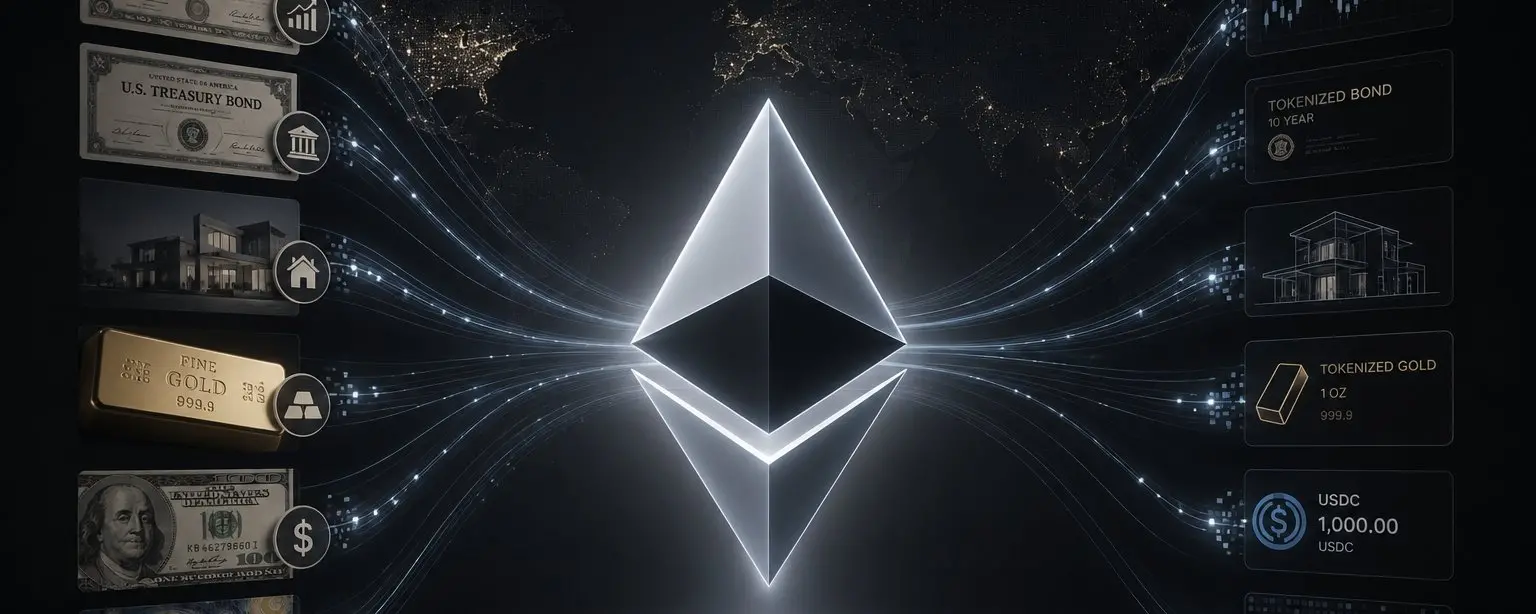
We firmly believe that the future of capital management will be primarily executed by AI. The permissionless and globally circulating characteristics of the crypto world provide a perfect testing ground and expansion channel for AI to manage capital. This aligns with the vision of trends like RWA: ultimately attracting mainstream, enterprise-level capital to flow safely and efficiently into the on-chain world through AI-driven crypto-native pipelines. Theoriq is committed to building this critical infrastructure for the future.
 Risk warning Risk warning