Beyond Stablecoins: Circle Releases 2026 Strategic Report, the Internet Financial System Has Fully Emerged
 Core Viewpoint
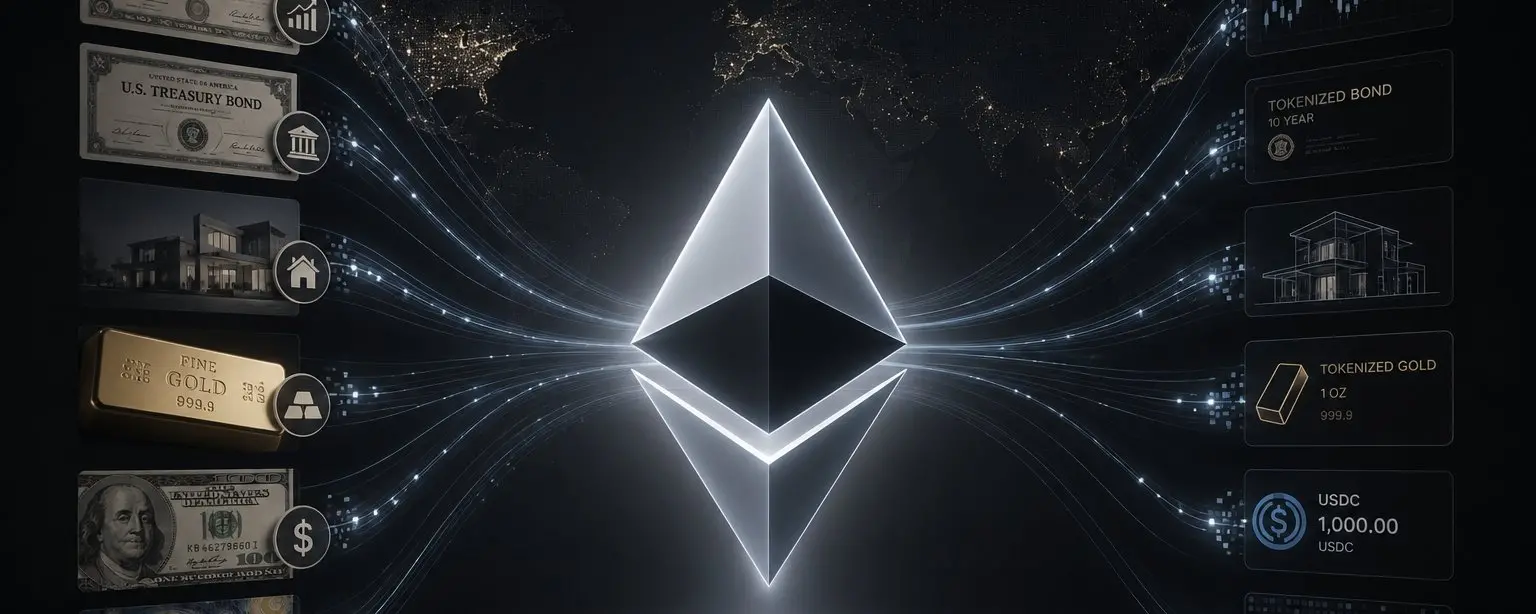
 The three-layer evolution of the Internet economy operating system.
Compiled by: Ken, Chaincatcher
Letter from the CEO: A New Chapter for Circle in the Past Year
With the completion of our initial public offering and the passage of landmark stablecoin regulations in the U.S. and other major economies, our founding vision has been validated, and the status of USDC and Circle as pillars of the emerging native internet financial system has been solidified.
What seemed like a bold idea a decade ago—that money could flow freely as a software object on the public internet—has now become a reality. A global regulatory consensus has emerged on the legitimacy of fully-backed digital dollars. Businesses, governments, and financial institutions are actively embracing the idea that open protocols for currency and value exchange will power the next era of global economic collaboration.
This is the beginning of what I see as the "internet economic operating system." Public blockchains are evolving from experimental computing environments into trusted platforms for storing tamper-proof data, executing verifiable transactions, running programmable contracts, and implementing globally distributed governance. They are becoming the bedrock for carrying trillions of dollars in value and ultimately facilitating trillions of transactions.
Today, Circle is at the heart of this transformation.
Indeed, this is a moment for stablecoins, but it heralds a grander future. Leading banks, enterprises, fintech companies, and developers are executing stablecoin-centric strategies. USDC has become the largest regulated digital dollar globally, with a year-on-year circulation increase of 108%, and Circle Mint supports over 185 countries. In just the third quarter of 2025, on-chain USDC transaction volume surged by 680% year-on-year, reaching nearly $10 trillion, showcasing the astonishing speed and broad reach of the always-on internet economy.
Issuing stablecoins is a privilege, while redeeming them is a right, and we have always fulfilled this obligation with unwavering rigor. In the past year, nearly $217 billion in USDC has been redeemed, reflecting our deep trust and close connections with the global banking system.
Circle's growth is a testament to this transformation. We started with stablecoins and are now evolving into a full-stack internet financial platform company: trustworthy, open, transparent, and built for a world of economic collaboration.
A new architecture is forming. The financial system is shifting from an isolated intermediary model to a software-based shared collaborative model. This impending transformation reflects the early epochal shifts—from the rise of the internet to the emergence of cloud technology, mobile internet, social platforms, and now artificial intelligence. But its impact on global economic activity may be even more profound.
To embrace this moment, Circle is building three essential layers of the economic operating system: Arc (the underlying blockchain infrastructure layer), digital assets, and applications.
Arc represents the foundational layer. It is not just another blockchain; it is designed as the economic operating system of the internet. It integrates tamper-proof data, high-performance smart contract execution, global compliance readiness, and neutral governance. Arc aims to support comprehensive native internet finance: tokenized assets, capital markets, machine intermediary contracts, autonomous organizations, and economic activities between humans and AI agents. Over time, it could catalyze a platform-level transformation comparable to the early days of the internet, reshaping how economic entities collaborate for decades to come.
The second layer is digital assets. USDC, EURC, and USYC have achieved global scale. They are becoming the foundational currencies of the new internet economy, enabling real-world assets—currencies, government bonds, deposits, and more—to flow seamlessly across networks.
The third layer is applications. This is where network utility meets real-world demand. The Circle Payment Network (CPN) is an application layer designed for a programmable, compliant, and auditable payment world operating at internet speed. CPN is the first of many applications we will build, aimed at supporting existing and ultimately new forms of on-chain economic entities.
These three layers collectively reinforce Circle's mission: to enhance global economic prosperity through frictionless exchange of value. We now have the infrastructure, regulatory transparency, global reach, and partnerships to begin realizing this mission at true internet scale.
My life's work has been dedicated to the belief that open platforms and network protocols can unleash human and economic potential. What is emerging is not just a new layer of technology, but the early architecture of a new global economic system.
The internet financial system is rising. While Circle plays a key role in its formation, no single company can build it alone. We are honored to collaborate with leading institutions, developers, and innovators worldwide to shape a more prosperous and interconnected global economy.
This report marks another step in this journey. And we are just getting started.
Sincerely,
Jeremy Allaire
Co-founder, Chairman, and CEO
Table of Contents
USDC and Circle Digital Assets
Capital Markets
Global Payments and Cash Management
Humanitarian and NGO Finance
Arc and Circle Infrastructure
Regulatory Foundation
1. USDC and Circle Digital Assets
Regulated stablecoins like USDC are driving the construction of a new internet financial system, with transformative implications for currency akin to the profound impacts previous generations of internet innovations had on data, communication, and other industries.
Over time, we expect USDC and Circle digital assets to reshape how businesses, institutions, and billions of people interact with value daily.
Stablecoins constitute a hybrid layer between traditional finance and on-chain infrastructure. They integrate siloed networks, eliminate structural frictions, enhance capital efficiency, broaden financial access, and support responsible financial innovation. Stablecoins provide significant opportunities for banks, payment companies, enterprises, and institutions to upgrade their operating models and create and deliver value to customers and stakeholders.
This financial upgrade is not merely about optimizing the underlying financial infrastructure. It will lay the groundwork for more vibrant, adaptable, and inclusive financial services globally. By significantly enhancing the speed and scale of traditional forms of currency and introducing new features like "programmability," regulated stablecoins can optimize the global financial system. This transformation has the potential to unlock new heights of prosperity, participation, and global economic collaboration.
Today, USDC serves as the "stable currency" of the internet, connecting traditional finance with the growing digital economy. It is a tool for sending, consuming, saving, storing, settling, and managing risk in a 24/7 global market. With robust and prudent regulatory measures for stablecoin issuers taking effect in multiple global markets, including the U.S., the recent growth of regulated stablecoins is particularly noteworthy. USDC's market share has significantly accelerated, accounting for 29% of stablecoin circulation and 40% of stablecoin transaction volume. Cumulatively, USDC has supported over $50 trillion in on-chain settlements.

Globally, USDC's share in M2 (broad money supply) is also accelerating.

While over 90% of stablecoins are denominated in U.S. dollars, non-dollar stablecoins are also beginning to scale. Since the full implementation of the EU's comprehensive Markets in Crypto-Assets (MiCA) framework at the end of June 2024, Circle's euro stablecoin EURC has grown more than eightfold. MiCA establishes clear rules for stablecoin issuers and regulates their products as "electronic money tokens," placing them on par with well-known electronic and mobile payment frameworks while preserving the unique open characteristics of stablecoins and their corresponding blockchain networks.
The tokenization of government securities is also beginning to scale, with over $8 billion in tokenized funds currently in circulation, including a $1 billion tokenized money market fund issued by Circle. These funds serve as safe yield-generating instruments that complement stablecoins and can also be stored and transferred on open, programmable infrastructure. This expands possibilities for financial officers, asset managers, and financial institutions seeking liquidity, returns, and capital efficiency.
In summary, these factors indicate that regulatory transparency is ushering in a new phase for tokenized currency: one that is stablecoin-centric, characterized by being regulated, institutionalized, and strategically critical. Almost all major banks, payment companies, asset management firms, and exchanges are evaluating stablecoin strategies. They are weighing whether to purchase infrastructure, build it themselves, or partner with established issuers that already possess deep network effects, abundant liquidity, and connections to millions of internet endpoints.
With USDC, USYC, EURC, and the open value chain that accompanies the internet financial system, many of the world's leading companies are choosing to build through partnerships on the foundation of our stablecoins rather than developing a new stablecoin that faces the "cold start" problem and high, ongoing compliance and operational costs. Institutions do not build data centers or large language models to participate in the AI revolution. They build on mature platforms. The same is true in the stablecoin space.
Launching compliant payment stablecoins is not as simple as releasing a new software product, as outlined in the Genius Act and previous regulations issued in Europe, Japan, Hong Kong, and Abu Dhabi. It requires robust reserve management infrastructure, transparent reporting mechanisms, real-time fund management operations, integration with the banking system, and large-scale global distribution capabilities, not to mention deep operational and compliance resource support. Regulators have set extremely high operational thresholds. Regulated stablecoins enjoy increasing acceptance and network effects, providing critical connections between native internet financial services and benefiting from deep interconnections with the banking system.
The next section will outline how Circle builds mutually beneficial stablecoin partnerships.
1.1 Deep Network Effects and Distribution
Just as the U.S. dollar has become the de facto universal currency for global commerce, stablecoins are essentially a network effects business that follows Metcalfe's Law, where the value of a network grows as more nodes join. User growth, liquidity, and circulation create utility, which in turn attracts more users and deepens network value. Meanwhile, the open-source nature of the USDC value chain, combined with Circle's platform services such as Arc, CPN, and wallet infrastructure, supports a wave of innovation driven by global developers.
Whether before or after the Genius Act was introduced, USDC has demonstrated strong growth in circulation, liquidity, and usage. Circle enables partners to directly access a thriving, rapidly growing ecosystem of global businesses, institutions, and retail users. By this measure, regulated stablecoins like USDC and their value chains are akin to a "financial services shared software": anyone can build on the network, but not everyone needs to bear the costs of maintaining it.
Circle has established network scale by partnering with leading distribution partners, enabling a broad user base to utilize USDC. Since the launch of USDC in 2018, Circle has collaborated with banks, neobanks, fintech companies, payment companies, digital asset exchanges, asset management firms, and more to provide USDC directly to hundreds of millions of users worldwide.
Standard Chartered Bank is one of the first banks to strategically embrace regulated stablecoins and digital assets to modernize financial services. This forward-looking approach is evident in its own ecosystem, which includes launching institutional-grade digital asset custody services and providing spot trading for major digital assets. The bank's partnership with Circle began in 2023 and has since evolved into a cornerstone of this strategy. This collaboration has significantly expanded beyond the bank's role as Circle's global cash management partner. Now, the scope includes the bank's ability to custody USDC on permissionless chains and provide USDC minting services. This builds a more cohesive digital asset ecosystem for Circle and Standard Chartered Bank's clients.
"Our job is to provide our clients with critical information," said Bill Winters, Group Chief Executive of Standard Chartered Bank. "Our clients increasingly want to leverage stablecoins, digital assets, and blockchain to transact in this extremely efficient internet economy. By collaborating with Circle and other partners, we are institutionalizing various parts of the new economic value chain to bring these benefits to our clients and the broader market."

1.2 Global Banking Integration
Deep integration with the banking system is crucial for maintaining stablecoin operations across market cycles and creating scale for mainstream global applications. Circle maintains close collaborations with numerous banks worldwide, ranging from global systemically important banks to regional banks. These partnerships provide the critical infrastructure necessary to ensure that USDC reserves are well-managed and that liquidity is readily available globally. Our robust global banking partnership network is key to ensuring USDC's availability.
Deutsche Bank, one of the world's largest financial institutions, has become Circle's banking partner in Europe. This partnership stems from a long-term strategic vision. Deutsche Bank recognizes that servicing regulated stablecoin issuers can create immense value and has proactively strengthened its risk management framework to accommodate this new business model.
The passage of the landmark Markets in Crypto-Assets (MiCA) regulation in Europe has provided critical clarity for this strategy. MiCA classifies USDC and EURC as electronic money tokens, establishing a clear regulatory framework under the supervision of the French Prudential Supervision and Resolution Authority. The MiCA framework provides Deutsche Bank with beneficial reference points to build a banking service risk framework specifically for stablecoin issuers, particularly for cash management services. The initial momentum built in Europe is becoming a blueprint for global expansion, as the bank takes steps to extend this partnership to other jurisdictions, including Singapore and the U.S. Deutsche Bank's involvement extends beyond its own cash management products and services. It is helping to shape the evolving compliance standards in the stablecoin industry.
As an active member of the Wolfsburg Group, a global banking association focused on financial crime risk management, Deutsche Bank is a major contributor to the "Wolfsburg Group Guidelines for Banking Services to Fiat-Backed Stablecoin Issuers." This work is crucial for establishing a coordinated framework that facilitates the adoption of stablecoins by banks and other traditional financial institutions, thereby unlocking their full potential.
For Deutsche Bank, providing core banking services within a structured framework is the first step in helping its clients leverage the advantages of stablecoins, including near-instant global settlement and programmability.
"Stablecoins represent a new way of thinking about financial value," said Ole Matthiessen, Co-Head of Corporate Banking at Deutsche Bank. "For the first time, we are regulating forms of internet-native currency that can complement existing payment channels and lead us toward a future where various forms of tokenized assets coexist and create synergies. We look forward to advancing this vision with Circle."
Deutsche Bank is putting this vision into action. The bank is actively collaborating as a design partner for Circle's next-generation platforms, including Arc and CPN, assisting in building the infrastructure for the native internet financial era and allowing the use of stablecoins as an alternative settlement mechanism, particularly in cross-border payments. Deutsche Bank is advancing plans to launch a unified digital asset and stablecoin custody solution that will encompass custody and transfer functionalities for USDC and EURC. Meanwhile, as part of these services, Deutsche Bank is also developing capabilities to support the inflow and outflow of regulated stablecoins.
1.3 Robust Technology Platform
As the underlying technology further recedes into the background, stablecoins and the internet financial system are becoming more organically integrated into traditional financial infrastructure. To this end, Circle has built a robust platform around USDC that highlights its network neutrality and ease of use. This makes USDC particularly attractive to developers and businesses looking to build new USDC services on the Circle product platform. The convenience of these products and the ease of development based on USDC make it well-suited to become the neutral, shared standard for internet dollars.
2. Capital Markets
The past year has seen an accelerated convergence between the digital asset market and traditional markets, with much of the recent demand for digital assets coming from traditional financial institutions.
Since the U.S. Securities and Exchange Commission approved the launch of Bitcoin-linked exchange-traded products at the beginning of 2024, over $120 billion has flowed into nearly 20 exchange-traded funds (ETFs). Recently, more Ethereum-linked ETFs have attracted nearly $18 billion in inflows, and ETFs for other assets may soon be on the horizon. A significant portion of this trading volume reflects traditional asset management firms providing opportunities for institutional and retail clients to access these markets without directly holding digital assets.

In addition to the massive growth of ETFs, there are more signs that digital assets are entering the mainstream. The SEC has now allowed digital asset ETF shares to be physically created and redeemed, aligning them with the standards set for other commodity ETFs approved by the commission. Major banks are also beginning to accept digital assets as collateral for loans.
USDC continues to play an increasingly important role in the growth and maturation of the digital asset market, with its spot trading volume share tripling year-on-year by the third quarter of 2025. The perpetual contract open interest for USDC on major exchanges has surged, as has the amount of USDC held in custody for clients by these exchanges.
The tokenization market for traditional assets such as government securities, commodities, and private credit also expanded in 2025. Tokenized money market funds have shown unique prospects, with their scale more than doubling over the past year. Although these trading volumes remain relatively small compared to traditional markets, the infrastructure to expand these financial instruments is now operational, and regulated stablecoins have established lasting connections with mainstream financial institutions from Wall Street to the real economy.
So far, most of the activity in tokenized assets has been led by digital asset management firms seeking to diversify into traditional financial instruments. However, as the advantages of tokenization—including faster settlement, greater transparency, more efficient price discovery, and broader access—become increasingly clear, interest from traditional institutions is steadily growing.
In the private credit space, the tokenization market can activate secondary market trading and enhance liquidity for this critical source of commercial financing; in the U.S. alone, its potential market size could exceed $30 trillion. The repurchase market is also beginning to transform. Major financial institutions have now completed transactions borrowing USDC against tokenized government bonds outside standard trading hours. This indicates an early trend toward intraday and 24/7 repurchase settlements, a foundational step in modernizing institutional finance and transcending the limitations of traditional settlement channels and banking hours.
U.S. regulators are taking steps to ensure that this cross-fertilization between traditional and digital asset markets can expand responsibly. In July 2025, the President's Working Group on Digital Asset Markets released a landmark report providing guidance for the development of this technology in the U.S. SEC Chairman Gary Gensler announced the launch of the "Crypto Project," aimed at "modernizing securities rules and regulations to facilitate the on-chain migration of U.S. financial markets," with a special working group led by SEC Commissioner Hester Peirce.
In August 2025, Caroline Pham, acting chair of the U.S. Commodity Futures Trading Commission (CFTC), announced a "policy sprint" aimed at "implementing the recommendations in the President's Working Group on Digital Asset Markets report" and coordinating with the SEC's "Crypto Project." These policy initiatives collectively promote the creation of new tokenized assets. They also accelerate the migration of traditional assets onto the chain, creating a generational opportunity to upgrade the underlying infrastructure of the world's deepest and most liquid capital markets.
As new standards for tokenizing stocks, fixed income securities, and other underlying assets emerge, regulated stablecoins like USDC have found opportunities in traditional markets. This includes derivative use cases linked to interest rates, commodities, and foreign exchange, where the advantages of native internet settlement are now being realized.
In December 2025, CFTC Chairman Pham announced a tokenized collateral and stablecoin initiative, with USDC playing a key role. USDC is well-prepared for various margin use cases in CFTC-regulated markets, including daily variation margin published when derivative positions are marked to market and initial margin paid upon contract initiation. As the world moves toward a 24/7 market, always-online collateral helps reduce risk, enhance transparency, and strengthen the resilience of both global central clearing and non-central clearing derivatives markets.
As capital markets evolve toward a future of increasing collaboration between traditional and digital assets, few institutions are as thoughtful and strategically minded as BNY Mellon. With over 240 years of history and nearly $60 trillion in assets under custody or management, BNY is leading this transformation with global scale, innovative infrastructure, and deep trust. Its early foray into digital asset custody is not a transformation but an extension of the company's long-standing mission: to empower clients to enter emerging markets and access cutting-edge technologies while safeguarding client assets.
In 2022, BNY launched its digital asset custody platform, becoming the first global systemically important bank to offer this service to institutional clients. Today, BNY's integrated platform not only provides secure custody for Bitcoin and Ethereum but also creates pathways to broader tokenization, payment, and collateral services. Beyond acting as a custodian, BNY also offers clients interoperability between traditional finance and digital finance, ensuring they can manage both traditional and digital assets in a single, unified environment.
Carolyn Weinberg, Chief Product and Innovation Officer at BNY, stated, "The evolution of today's market does not mean that blockchain technology will immediately replace traditional systems; rather, it is about both working together to unlock new possibilities. At BNY, we are committed to building the future infrastructure for our clients by integrating traditional and digital financial ecosystems. Our deep relationship with Circle is a strong testament to this strategy, as we support the continued growth and application of USDC, driving the future development of global markets together."
This approach reflects a broader inflection point in capital markets, where trust, transparency, and operational discipline intersect with innovation, programmability, and global interoperability. As the scale of tokenization expands, the ability to connect traditional and digital assets will become a prerequisite for enhancing market efficiency. BNY's commitment to providing security, speed, and resilience will ensure its central role in the transformation of capital market infrastructure.
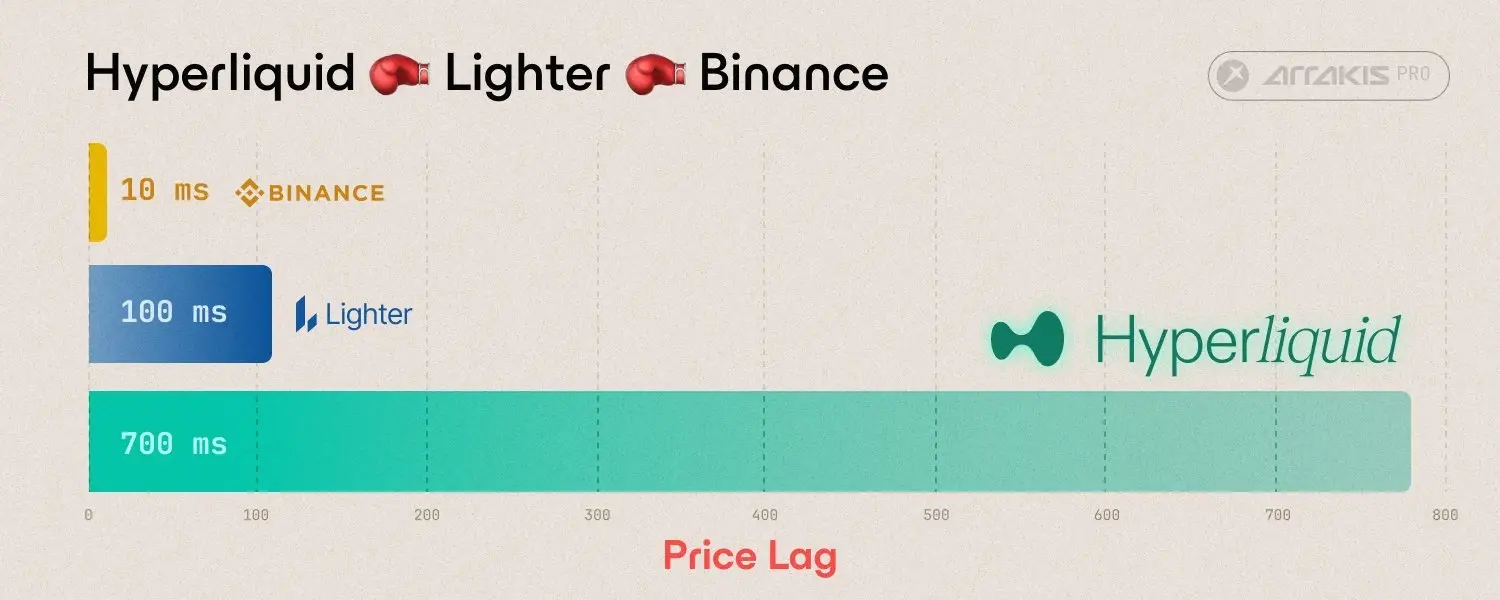
One of the innovations in the crypto-native capital markets, "Hyperliquid," has emerged as one of the most significant on-chain derivatives exchanges since its launch in 2023, powered by its unique high-performance order book model and 70-millisecond block times. Hyperliquid can replicate the latency and liquidity characteristics of centralized exchanges while maintaining non-custodial features, marking a significant step forward for on-chain markets. Since its debut, Hyperliquid has processed over 200 digital asset trading pairs, with total trading volume exceeding $3 trillion, achieving significant growth in 2025 while demonstrating resilience across multiple market cycles.
USDC has played a central role in the Hyperliquid ecosystem from the start. It is the primary stablecoin on the platform, with a circulation of nearly $4 billion. In September 2025, Circle announced a deepened collaboration with the Hyperliquid community, including the introduction of native USDC on HyperEVM and the implementation of cross-chain transfer protocol v2, allowing Hyperliquid users to benefit from the seamless flow of USDC across various blockchain ecosystems. Hyperliquid users will also be able to mint and redeem USDC directly within the ecosystem.
Circle has also taken on the role of a direct stakeholder by acquiring native Hyperliquid tokens and announced a comprehensive strategy to support HyperEVM developers through funding, tools, and liquidity. For developers, this means the ability to leverage the world's largest regulated stablecoin to build financial primitives, applications, and services directly on HyperEVM.
Jeff Yan of Hyperliquid Labs stated, "USDC has been our cornerstone from day one. As Hyperliquid grows into the blockchain that hosts all financial activities, the reliability and trust behind USDC enable traders and developers to operate with confidence. The integration of USDC on HyperEVM and HyperCore will serve as an important entry point to leverage the deep global liquidity that Circle is working to cultivate."
3. Global Payments and Cash Management
The potential of regulated stablecoins to transform global payments has been evident for years, with major global payment networks beginning to use USDC to connect digital wallets since 2020.
Since then, steady progress in technology, regulation, and user experience has driven its increasingly widespread mainstream adoption. These technological advancements include the rise of high-performance third-generation blockchains capable of providing the throughput, security, privacy, and user experience required for mainstream applications, supporting a full range of payment use cases from programmable payments to micropayments, streaming payments, and agent commerce. The era of smart business requires smart money, and USDC is the ideal medium of exchange for today and the future.
With the formal legislation of the Genius Act, banks, payment companies, and enterprises in the U.S. and other major global markets where relevant rules have been enacted now have regulatory certainty regarding USDC. This regulatory clarity is unlocking the potential for cross-border payment use cases, which is precisely where stablecoins can deliver maximum payment utility. Since the passage of the act in July 2025, the usage of stablecoins for payments has grown by 70%.
These factors have collectively prompted many leading payment networks today to accelerate their stablecoin initiatives, and as the largest regulated stablecoin globally, USDC will undoubtedly play a significant role in many such initiatives, leveraging its substantial network effects and robust fiat banking integration worldwide.
Looking at the bigger picture, upgrading mainstream payment flows using the speed, scale, and always-on availability of the internet is just the beginning of a broader transformation in how funds flow. Over time, the programmability of stablecoin payments will unlock greater advancements, paving the way for a more automated and efficient future. In short, old rails cannot carry new money. The growth of stablecoins as an extension of banking and payment systems has prompted a comprehensive upgrade of the financial infrastructure that supports the global economy. Arc, CPN, and Circle's other platforms are gradually becoming integral parts of this new internet economic operating system.
The upgraded payment workflows can also enhance cash management. Faster and more transparent payments help optimize and make more informed working capital decisions. Even businesses that have not yet accepted customer stablecoin payments can utilize them for treasury operations, pooling funds between global accounts and subsidiaries to improve cash consolidation across borders, time zones, banking hours, and weekends.
3.1 CPN: Faster, Simpler Global Fund Flows
As a complement to the application of USDC in major payment networks, Circle launched CPN in May 2025, an open standard for orchestrating cross-border payments. CPN leverages the flow of funds from stablecoins to connect rigorously vetted initiating financial institutions and receiving financial institutions, simplifying fiat payments and optimizing settlement processes for specific global markets. CPN connects banks, payment service providers, virtual asset service providers, and enterprises, aiming to support various payment application scenarios at the consumer, business, and institutional levels. CPN achieves near-instant settlement 24/7, with all partners undergoing rigorous vetting in terms of licensing, regulatory compliance, operational risk management, and security.
Circle is working with a broad range of partners to rapidly develop CPN into a payment orchestration layer to fully unleash the advantages of stablecoin payments, particularly in addressing the pain points of slow and costly cross-border fund flows. CPN is in the early stages of opening up payment corridors in multiple emerging markets, with USDC flows covering Brazil, Canada, Hong Kong, India, Mexico, Nigeria, and the U.S.
The sharply rising application curve of CPN confirms a clear market demand. Since its official launch in May 2025, CPN's rolling total payment transaction volume has achieved a hundredfold increase, with an annualized scale reaching $3.4 billion.
3.2 CPN Partner ------ dLocal
dLocal is a leading cross-border payment platform listed on NASDAQ, connecting global merchants with billions of consumers in emerging markets. Founded in Uruguay, the company operates in over 40 countries across Africa, the Middle East, Asia, and Latin America, offering more than 900 local payment methods. It maintains a strong on-the-ground presence in each market it operates in, ensuring local knowledge and operational support within its network.
In 2025, dLocal announced a partnership with Circle, joining CPN as a receiving financial institution to support stablecoin-based fund distribution and enhance payment efficiency in emerging markets. By integrating dLocal's deep local infrastructure, CPN participants can seamlessly pay funds in local currencies in major emerging markets. This partnership supports near-instant settlement for merchant payouts, B2B treasury fund flows, and remittances, with initial launches planned in Mexico and Brazil, and plans to expand to Latin America, Asia-Pacific, the Middle East, and Africa.
This CPN integration simplifies fund flows and empowers remittance and fund distribution businesses in emerging markets. dLocal's expertise and extensive regional payment capabilities provide CPN participants with lower costs and a reliable user experience. By utilizing Circle's USDC and EURC stablecoin infrastructure through regulated intermediaries for instant conversion and settlement, this partnership also addresses the long-standing issues of high costs and slow speeds in cross-border transactions.
"This alliance marks a milestone in connecting global stablecoin liquidity with local payment ecosystems," said John O'Brien, Chief Revenue Officer of dLocal. "By leveraging dLocal's extensive footprint in emerging markets, it enables financial institutions and fintech companies to operate more efficiently, reduce costs, and provide a better experience for businesses remitting to these high-growth economies."
As a cornerstone of CPN, dLocal exemplifies how financial institutions can connect digital currency infrastructure with traditional payment channels, while also setting a precedent for stablecoin-driven inclusive finance across the developing world.
3.3 ZEPZ
For over a decade, Zepz's mission has been simple yet powerful: to break down financial access barriers and improve the lives of the most vulnerable populations. Zepz is the result of the merger of digital remittance brands Sendwave and WorldRemit in 2021, now serving over 10 million customers and more than 90 payment partners across 130 countries/regions, with 95% of transactions settled within minutes.
Zepz first made remittances as simple as sending a text message, improving processes that once made cross-border payments slow and expensive. This focus has helped millions support loved ones, gain opportunities, and establish cross-border stability.
Now, Zepz is expanding from a remittance business to a financial empowerment platform, aiming to make fund management as simple, reliable, and affordable as possible. Zepz has built a "digital-first" compliance model that allows customers to complete transactions via mobile in minutes, improving the traditionally manual and document-heavy KYC processes. Its secure, traceable distribution network reaches many underdeveloped economies that previously relied on informal remittance channels that could pose fraud and consumer protection risks.
In 2025, the company launched the USDC-powered Sendwave wallet, enabling customers to quickly and directly remit funds to anyone in the Zepz network worldwide, including recipients without bank accounts. Recipients living in countries frequently facing currency devaluation can hold USDC in their Sendwave wallets instead of converting to local fiat, providing security and stability.
Zepz's decade-long global distribution network allows customers to easily withdraw USDC funds as fiat through trusted partners and use them for everyday essentials like food, healthcare, and education. Zepz is now beginning to enhance its traditional remittance processes and Sendwave wallet by integrating CPN, joining CPN as an initiating financial institution with an initial focus on payments to India and the Philippines.
Zepz CEO Mark Lenhard summarized, "CPN is a highly practical network designed by payment experts to facilitate fast, affordable cross-border transactions, which is what our customers care about most. Zepz's decision to join CPN is because it enables real-time, secure settlements, ensuring that more funds can return home faster with less friction and greater efficiency."
4. Humanitarian and NGO Finance
Beyond mainstream commercial flows, the internet financial system offers significantly improved pathways for humanitarian organizations and NGOs to handle funds.
Take the United Nations, for example, which circulates over $60 billion annually, much of which supports vulnerable populations worldwide. Under the limitations of the traditional financial system, humanitarian organizations have always faced challenges in delivering critical mission aid funds. Slow cross-border settlements, high costs, limited coverage, and lack of transparency have effectively forced these organizations to confront a "handcuffed" dilemma in their operations.
Regulated stablecoins flowing at internet speed are helping major humanitarian organizations deliver the resources they rely on to anyone with a mobile phone or internet access, reaching remote communities at very low costs while enhancing accountability for humanitarian organizations.
Since 2020, Circle has supported humanitarian aid efforts in Latin America, the Middle East, and Europe, sending millions of dollars in borderless USDC to people displaced by economic, political, and social crises. These projects have improved transparency and accountability for donors and aid organizations while providing beneficiaries with quick and secure access to funds through digital wallets. In some cases, partners have reduced cross-border transfer costs by nearly 40% and shortened settlement times from weeks to minutes.
Starting in December 2022, the UN Refugee Agency launched a program with Circle to distribute borderless digital dollars in the form of USDC to those displaced by the war in Ukraine. This solution provides donors with greater transparency and beneficiaries and their stakeholders with traceability. Digital wallets and ecosystems make aid accessible, even for those without traditional bank accounts.
Over the past three years, this program has benefited thousands of Ukrainian refugees, enabling them to sustain their livelihoods and contribute to the economies of host countries. Subsequently, the program has expanded to Latin America, supporting immigrants in rebuilding their lives and businesses. In 2026, Circle will expand its involvement in the UN ecosystem by launching its new charitable branch—the Circle Foundation.
DHoTS, initiated by the UN Refugee Agency, aims to transform how the UN manages global treasury operations and reduce systemic risks. As the platform's initiator, the UN Refugee Agency continues to play a strategic leadership role in advancing next-generation digital financial technologies, ensuring that the UN system benefits from cutting-edge approaches in treasury management, payment innovation, and enterprise risk management.
Today, over 15 UN organizations rely on DHoTS, which processes billions of dollars annually and supports over a million transactions. The platform is developed and governed by participating agencies and operates with technical support from the UN International Computing Centre.
The Circle Foundation's direct support for DHoTS will accelerate the building of critical capabilities, improving the delivery of funds to vulnerable communities through the following functionalities:
Near-instant cross-border transfers: Reducing costs and delays associated with traditional correspondent banks;
Local currency exchange: Expanding service reach in hard-to-reach markets through integration with banks, mobile money operators, and fintech companies;
Greater transparency and accountability: Driven by a simplified and interoperable financial system;
Programmable disbursements: Automating manual steps to alleviate operational and reporting burdens.
By supporting DHoTS, the Circle Foundation aims to help humanitarian and development organizations deliver resources faster, more efficiently, and with greater confidence, ultimately expanding their impact on the ground.
Circle is also advocating for innovation through the "Release Impact" proposal competition, aimed at identifying entrepreneurs and transformative ideas that drive measurable social and economic progress. Since its launch in New York City in 2023, this roadshow competition has rapidly grown in prominence and scale, expanding to Paris, Washington D.C., and other major cities, with its sixth edition taking place this year. Each competition brings together an outstanding jury from leading global institutions, including representatives from the United Nations, World Bank, Visa Foundation, Mastercard Center for Inclusive Growth, Ernst & Young, BlackRock, and Circle's broader ecosystem.
In 2025, Cambodia-based climate tech company ATEC Global received top honors for its clean cooking systems and on-chain carbon credit platform. By using USDC to help rural families and women entrepreneurs tokenize and trade verified carbon assets, ATEC exemplifies how Circle's stablecoin infrastructure drives the development of inclusive climate finance. The company received a $100,000 USDC prize, along with guidance and strategic support from Circle and its partners to expand its impact in Asia and Africa.
5. Arc and Circle Infrastructure
Arc will become an open and scalable blockchain network, positioned at the core of Circle's vision for native internet economic infrastructure.
As we launch Arc, we are at a turning point where distributed networks are beginning to carry more global economic activity. These activities are extending beyond mere payments to areas such as capital formation, contract signing, and workforce collaboration.
We designed Arc as the economic operating system of the internet. Given time, we believe it can drive a broader platform-level transformation, with far-reaching impacts comparable to the birth of the internet and the subsequent evolution of social, mobile, cloud, and AI platforms.
Arc is built on Circle's steadfast support for third-party blockchain ecosystems, where USDC is widely used. From a user perspective, Arc complements these networks with several unique features designed for traditional business needs, including:
Transaction fees denominated in USDC. Eliminating the need to hold and use complex and potentially volatile tokens to pay network "Gas" fees.
"Deterministic" settlement finality. Providing clear, final settlements in less than a second, in line with established principles of international settlement finality.
Opt-in Privacy. Integrating privacy-preserving technologies to empower sensitive traditional financial workflows and support institutional compliance programs.
We are still at the beginning of the Arc journey. The Arc testnet launched in October 2025, with over 100 leading companies from key areas of the global financial system and on-chain economy signing on to participate. These companies collectively manage trillions of dollars in assets, facilitating massive global payment flows and supporting billions of transactions daily.
Testnet participants span the Americas, Asia, Europe, Africa, and the Middle East, highlighting a decisive advantage of Arc: it is built to connect every local market with the global economy, which will translate into geographical diversity and technological sovereignty over time. Arc provides opportunities for various companies to build on enterprise-grade network infrastructure, collectively advancing the vision of a more open, inclusive, and efficient global economic system.
5.1 Early Arc Partner Representatives
Stablecoin and Asset Issuers
Arc aims to become the foundational platform for fiat-backed stablecoins, tokenized stocks, credit instruments, money market funds, and more. At its core is Arc's roadmap: to use stablecoins to pay Gas fees and provide native infrastructure for core stablecoin swaps and foreign exchange liquidity. In addition to USDC, EURC, and USYC, we envision Arc becoming the home for other stablecoin issuers globally.
Developers
Many leading ecosystem participants providing developer tools and blockchain infrastructure have introduced their applications and solutions to Arc. Testnet participants are actively building in areas such as AI, digital wallets, development tools, cross-chain services, and core network infrastructure.
Digital Asset Markets and Liquidity
The major protocols, exchanges, and services supporting existing digital asset markets form the foundation of Arc. This includes exchanges, market makers, over-the-counter (OTC) firms, and lending and yield protocols.
Global Payments, Technology, and Fintech
Payments are a key use case for Arc, as they provide individuals, businesses, and institutions with more frictionless payment utility. This encompasses today's payment processes and future agent-based AI systems, where autonomous agents can send, exchange, and settle value globally in real-time. Early Arc participants include technology leaders, fintech companies, cross-border payment firms, retail and B2B payment networks, remittance companies, and e-commerce businesses.
Capital Markets
Capital markets underpin the foundation of our economic system. We view Arc as the future home for digital asset markets and traditional markets (from stocks and fixed income to commodities, covering both spot and derivatives). Migrating traditional markets onto the chain can pave the way for significant improvements in efficiency, innovation, coverage, and resilience. We are excited to see leading capital market companies participating in Arc at this early stage.
Banks, Asset Management Firms, and Insurance Companies
By shifting business activities to the native internet economic operating system, traditional financial companies globally will benefit and have the opportunity to improve lending, capital management, and risk allocation. Many leading banks, asset management firms, and insurance companies have already begun experimenting on Arc.
In 2026, we will continue to enhance Arc's capabilities in collaboration with these existing and new partners, optimizing it as a global-scale economic infrastructure. In addition to Arc, Circle also offers a full-stack product platform that enterprises, developers, and other third parties can use as building blocks to create their own applications and achieve interoperability within the internet financial system.
These products include our stablecoins, wallets, cross-chain interoperability solutions, and more. Along with our "compliance-first" approach, this neutral, interoperable, ecosystem-wide "shared software" model has guided Circle since its inception and remains at the core of our long-term vision.
Circle has grown alongside developers on many of the most popular blockchain networks, with USDC becoming the default stablecoin and developer infrastructure for those engaged in building the internet financial system. Data from across the ecosystem indicates that Circle plays a significant role in driving shared success and growth.
As of December 14, 2025, USDC has achieved native support on 30 blockchain networks. Our cross-chain transfer protocol supports the seamless transfer of USDC across 18 blockchains and processed $31 billion in transactions in the third quarter of 2025, a year-on-year increase of 740%.
Arc and third-party blockchains are deeply integrated with the rest of the Circle platform. These products and services include:
Circle Mint -- Circle Mint enables account holders to instantly and automatically convert fiat funds from their bank accounts into USDC and EURC.
Cross-Chain Transfer Protocol -- CCTP allows USDC to flow natively between supported blockchains at a 1:1 ratio, unifying liquidity and simplifying the user experience.
Wallet -- Our secure, frictionless wallet can be customized for individual applications, empowering users to send, receive, and trade digital assets.
Contracts -- A curated library of smart contracts that makes leveraging the programmability of the internet financial system easier.
Gateway -- Allows USDC holders to view their single, unified USDC balance across multiple blockchains.
Circle Payment Network -- Connecting banks, payment service providers, virtual asset service providers, and enterprises to enable consumer, business, and institutional payment use cases through stablecoins.
6. Regulatory Foundation
In 2025, a global consensus began to form: stablecoins are not speculative assets but a new form of digital cash that must be safe, redeemable, transparent, and incorporated into a rule of law framework.
Policymakers around the world are leaning toward a similar approach, supporting the innovation of internet currency infrastructure while bringing regulated stablecoins within the boundaries of financial system oversight.
In July 2025, the Genius Act was passed in the U.S., establishing a federal framework for stablecoins, ensuring they are regulated as fully backed payment instruments with strong consumer protections and financial integrity safeguards. The act sets clear boundaries. Stablecoins must be backed 1:1 by cash and short-term government bonds; issuers must provide audited monthly disclosures; interest payments to holders are prohibited; and in bankruptcy proceedings, stablecoin holders' claims enjoy super-priority status. Under the Bank Secrecy Act, issuers are treated as financial institutions and must comply with strict anti-money laundering, sanctions, and technical requirements, including cooperating with law enforcement orders. Regulated foreign issuers are allowed to enter the U.S. market under clear equivalence and reciprocity rules, meaning only those from jurisdictions with comparable regulatory systems and subject to U.S. oversight can enter the U.S. market.
In December 2025, Circle received conditional approval from the Office of the Comptroller of the Currency (OCC) to establish a national trust bank—the First National Digital Currency Bank. Once fully approved, the First National Digital Currency Bank will operate as a federally regulated trust bank, subject to OCC oversight, and will supervise the management of USDC reserves on behalf of Circle's U.S. issuers. This conditional approval is an important milestone for Circle to further strengthen the infrastructure supporting the world's largest regulated stablecoin, USDC, and meet the requirements of the Genius Act.
The Genius Act decisively ended the regulatory vacuum that allowed offshore entities to enter the U.S. market. By establishing consumer protections, financial stability safeguards, and national security controls, the U.S. has set a global benchmark for regulated digital dollars.
Other major jurisdictions have implemented or are finalizing stablecoin regimes reflecting similar principles:
In the EU, the MiCA (Markets in Crypto-Assets) framework will take effect in 2024. It regulates fiat-backed stablecoins as electronic money tokens (EMTs). MiCA prohibits algorithmic stablecoins and sets limits on non-EU currency tokens used for real-world payments to protect monetary sovereignty.
The UK is implementing a framework through the Financial Conduct Authority that treats qualifying stablecoins as payment instruments. Issuers must segregate reserves, redeem at par, and comply with prudential and conduct rules. The Bank of England will provide systemic oversight for large issuers. This framework aims to integrate stablecoins into the payment system while maintaining financial stability.
In Japan, the Diet passed an amendment to the Fund Settlement Act in 2022, legalizing stablecoins. The Financial Services Agency subsequently drafted regulations that took effect on June 1, 2023. The revised law requires stablecoins to be issued only by licensed banks, trust companies, or registered fund transfer agents. The law allows for the approval of both domestic and foreign-issued stablecoins and mandates full backing by safe assets and strong redemption rights. This regulatory clarity has prompted major Japanese financial institutions to begin piloting stablecoin issuance.
Hong Kong, as one of the largest financial markets globally, saw its Stablecoin Ordinance take effect on August 1, 2025. The ordinance requires stablecoins promoted to the public to obtain local licensing. The law sets high standards for reserve assets, redemption, transparency, and anti-money laundering compliance.
In Singapore, the Monetary Authority of Singapore (MAS) governs the laws regarding digital assets under the Payment Services Act for digital payment tokens and the Securities and Futures Act for security tokens. MAS's regulatory focus is on consumer protection, anti-money laundering/anti-terrorist financing, and risk mitigation, requiring licensed digital token service providers to safeguard assets, segregate funds, and limit retail promotions, thereby establishing a risk-centric innovation framework. In 2023, MAS proposed a stablecoin framework for single-coin stablecoins pegged to the Singapore dollar or G10 currencies, but this framework awaits parliamentary approval before coming into effect.
Switzerland has announced new legislative plans for cryptocurrencies and stablecoins, including public consultations, emphasizing reserve quality, redemption rights, and anti-money laundering compliance.
The UAE launched the Payment Token Services Regulation, which will take effect in July 2024, establishing the country's first federal framework for fiat-referenced stablecoins, with the central bank licensing issuers and service providers, requiring payment tokens to be fully backed and redeemable at 1:1. The Abu Dhabi Global Market and Dubai International Financial Centre have also introduced corresponding stablecoin regimes, mandating redemption at par, segregation of high-quality reserves, strict compliance with anti-money laundering/anti-terrorist financing and "travel rules," and prohibiting interest or yield payments, thereby creating one of the most comprehensive regulatory environments for fiat-backed digital assets globally.
Canada proposed the Stablecoin Act in November 2025, aiming to establish a federal prudential framework for stablecoin issuance under the oversight of the Bank of Canada. This payment-centric framework aims to unlock the growth potential of Canadian dollar stablecoins and solidify Canada's leading position in tokenized settlement and foreign exchange markets.
Global standard-setting bodies such as the Financial Stability Board and the Bank for International Settlements have also issued guiding principles. These emphasize one-to-one backing, prudent regulation, and cross-border regulatory coordination.
These frameworks collectively represent an increasing global consistency. Stablecoins are being formally integrated into the regulated financial system, establishing a foundation of trust for businesses, banks, and institutional investors. This regulatory clarity allows stablecoins to serve as the "cash layer" of the internet financial system, a role with profound implications.
As global frameworks converge, new opportunities are emerging. Regulated stablecoins are now positioned to support capital market settlements, corporate treasury operations, cross-border trade financing, and consumer payments. With the U.S. implementing the Genius Act, Europe implementing MiCA, and Asia and other regions adopting similar regimes, the world is entering a coordinated and innovation-friendly era of digital currency.
 Risk warning
 Risk warning