






A comprehensive analysis of the decline in DeFi yields: What real value do RWAs have?

 The market has not disappeared. Although overall yields are declining, real-world assets (RWA) and stablecoins have grown into a multi-hundred-billion-dollar sector, and the industry is entering a new direction of development.
Core Points
- This report is written by Tiger Research. The USDC deposit rate for Aave V3 is currently 2.7%, lower than the yield of the US 10-year Treasury bond at 4.3%. The short-term dividends brought by speculation in DeFi are fading.
- The market has not perished. Although yields are generally declining, real-world assets (RWA) and stablecoins have grown into a multi-hundred billion dollar sector, and the industry is entering a new development direction.
- The collapse of projects like Compound, Curve, and Olympus reveals a profound lesson: relying on a model where tokens support each other will lead to a system collapse once external incremental funds dry up.
- Past DeFi was like a power strip without an external power source; RWA is now connecting this circuit to a real external value grid.
- The industry is maturing: using RWA as a value anchor while gradually establishing collaborative governance and accountability mechanisms, initiatives like DeFi United are typical representations.
1. Declining Yields, Growing Market
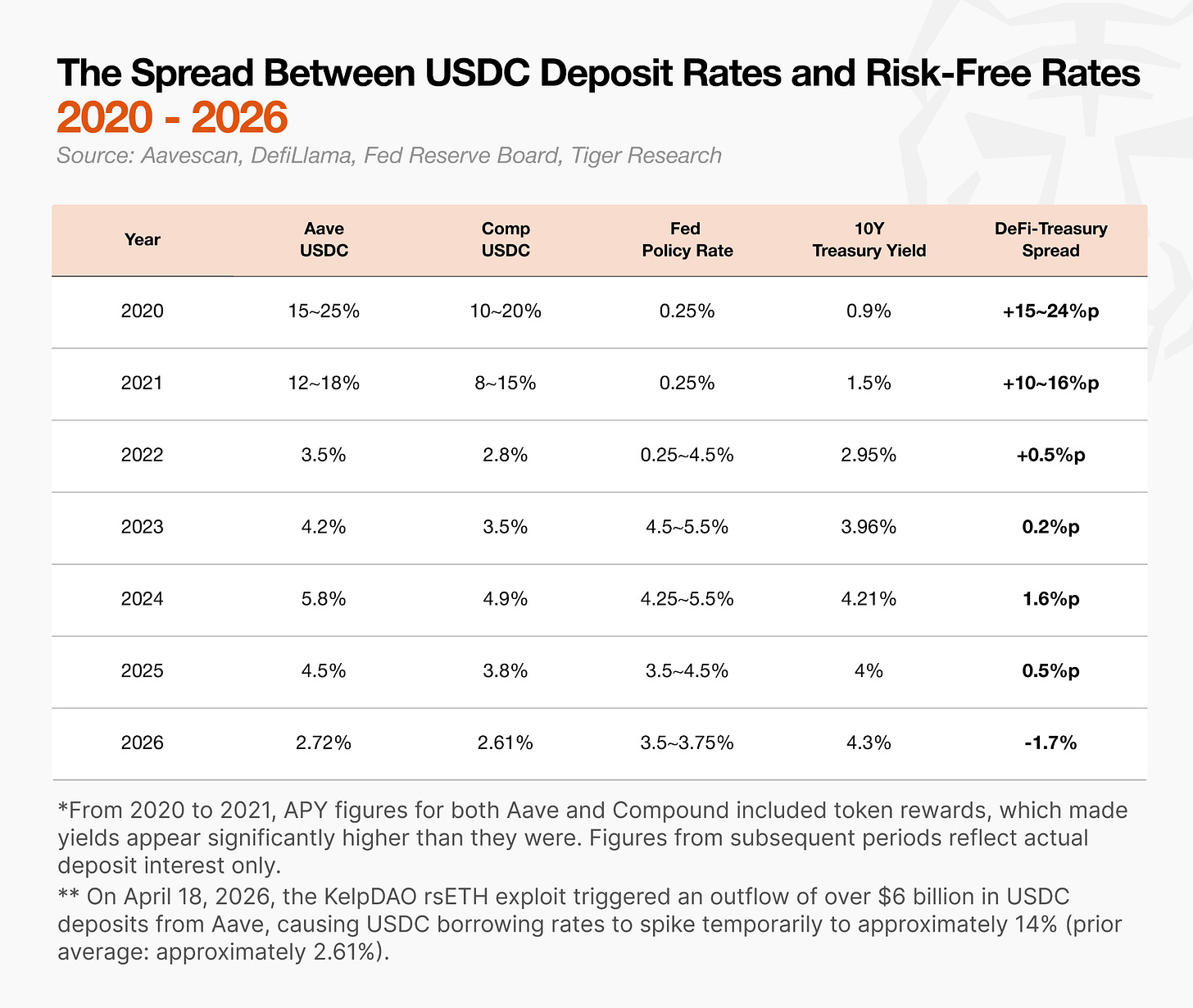
Decentralized finance (DeFi) is no longer a high-yield product.
Since 2022, the yield spread between DeFi and Treasury yields has narrowed to nearly zero, with periods of inverted yields. As of April 2026, the USDC deposit rate for Aave V3 is about 2.7%, lower than the US federal funds rate (3.5%) and the US 10-year Treasury yield (4.3%).
In the past, users took risks with a clear return logic.
At that time, on-chain yields were far higher than bank deposits, an unmatched advantage. But now the situation has reversed. If the actual return rate of DeFi, after accounting for various on-chain risks like hacking and stablecoin de-pegging, is lower than traditional financial products, the motivation for ordinary retail investors to actively participate in DeFi will be significantly weakened.
However, the entire industry is continuously developing in a new direction. DeFi's native yields are declining, but real-world assets (RWA) and the stablecoin market are deeply integrating with traditional finance, with a scale that has risen to hundreds of billions of dollars. The entry of institutional funds is the core factor driving this change.
However, institutions often overlook the development history and native community ecology of DeFi, blindly copying the rules and paradigms of traditional finance. Before the large-scale entry of institutions, DeFi was a market driven by token incentives. Many protocols relied on incentive mechanisms to gain market visibility and reshaped the operational logic of the entire industry. This model still profoundly influences DeFi today. The leading protocol Aave, born during the DeFi summer, has now become the benchmark interest rate for the entire DeFi industry.
For new institutional participants, deeply understanding the core players in the market that have survived through cycles is a necessary foundational task before entering. This article will outline the key protocols that shaped the core narrative of the industry throughout DeFi's complete development cycle and summarize the lessons learned from the market.
2. History of DeFi Development: From Experimentation, Collapse to Restructuring
DeFi was not initially built on the promise of token incentives. The starting point was very simple: can we complete asset lending, exchange, and collateralization on the blockchain without intermediaries?
The early industry was more like a financial experiment. The core value lay in the model itself: lending without bank participation, asset exchange without centralized exchanges, and any user holding collateral assets could provide liquidity autonomously. However, after 2020, the market direction changed rapidly, and token incentives began to become the core means of attracting funds. A massive number of protocols and innovative ideas emerged, but ultimately only a few projects survived through the cycles. The industry learned lessons and continuously corrected its development direction through narrative iterations.
Compound integrated its native token $COMP into the yield incentive system, thereby massively attracting liquidity. However, when similar projects began to replicate this approach, the inflow of new funds dried up, exposing the structural fragility of its model.
Curve transformed the governance voting mechanism into a battleground for the distribution of yields across various liquidity pools, turning yield competition into a struggle for control over the protocol. The market thus realized that DeFi governance could also become a tool for power and incentive monopolization.
OlympusDAO is one of the most extreme cases. The project attempted to validate the feasibility of DeFi controlling liquidity without external capital by offering extremely high annualized yields. However, most of its yields did not come from real cash flows but relied on issuing new tokens and new deposits. Once the inflow of funds slowed, the governance token OHM's price collapsed, and market confidence in the protocol was completely shattered.
These three projects collectively sounded the alarm for the industry: if the core source of yield is the protocol's native token, this business model will ultimately be unsustainable. This past has completely reshaped the understanding of DeFi among ordinary users, development teams, and institutional capital.
It was after the burst of this model bubble that a new track emerged: EigenLayer, Pendle, YBS, and RWA.
2.1. Compound: A Bubble Built on Token Distribution
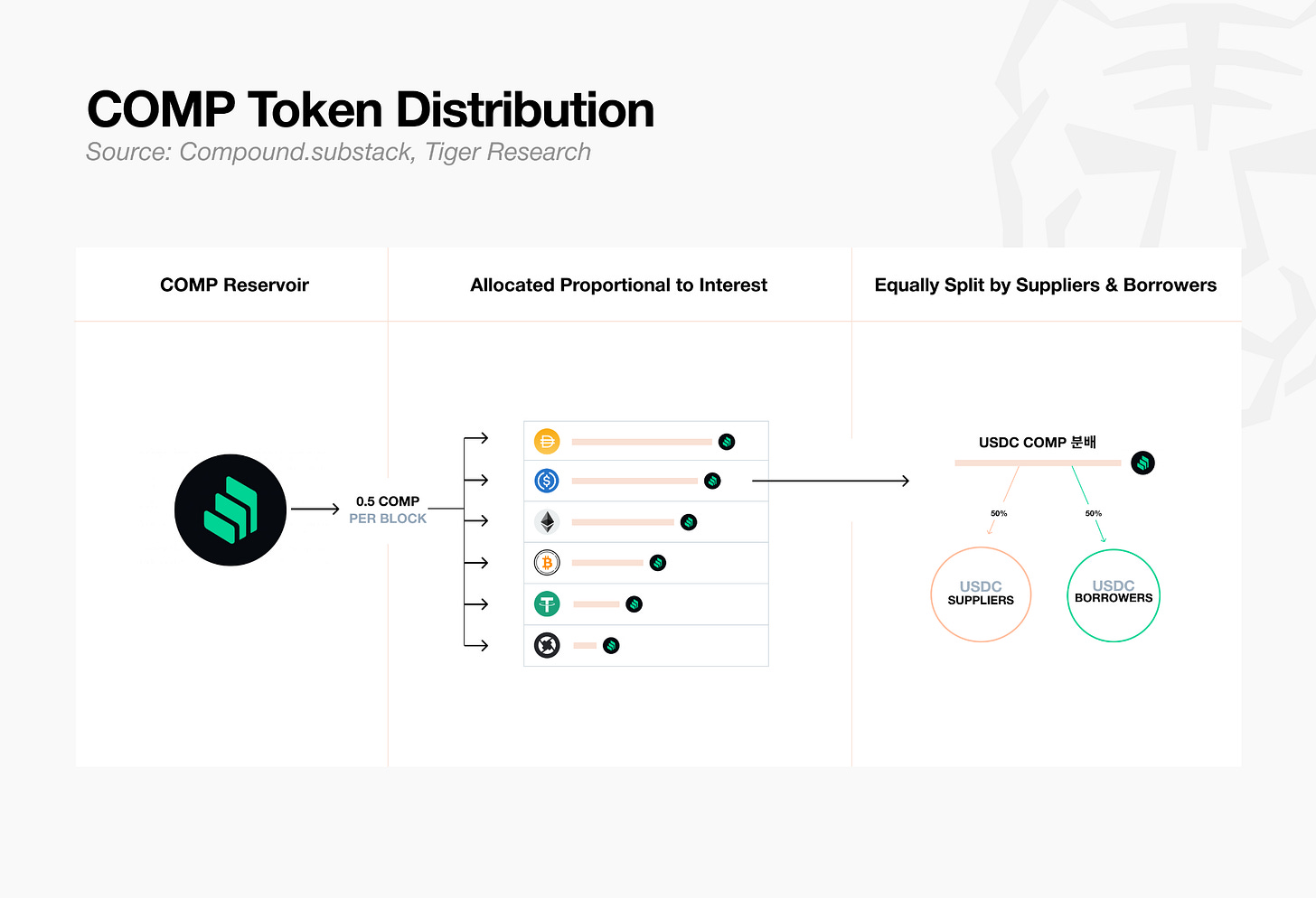
In June 2020, Compound began distributing governance tokens to users, with both depositors and borrowers receiving token rewards. At certain stages, COMP rewards even exceeded borrowing costs, creating a peculiar phenomenon where borrowing money could actually earn money.
This established a new industry paradigm. As users flooded in, Ethereum chain transaction fees skyrocketed, with single transaction fees often reaching dozens of dollars. Depositing and borrowing were no longer just simple financial operations but became tools for mining rewards, with capital chasing high yields rapidly circulating among various protocols.
This period is known in the industry as "DeFi Summer." Projects like Uniswap, Aave, and Yearn Finance rose one after another, and on-chain finance officially established itself as an independent sector. However, the model ultimately built by Compound relied on token incentives to attract funds, which then pushed up token prices through the influx of funds, creating a positive feedback loop. The behavior of DeFi users today, who are highly sensitive to yields, liquidity, and reward mechanisms, gradually solidified during this phase.
2.2. Curve and veCRV: The Start of the Curve War
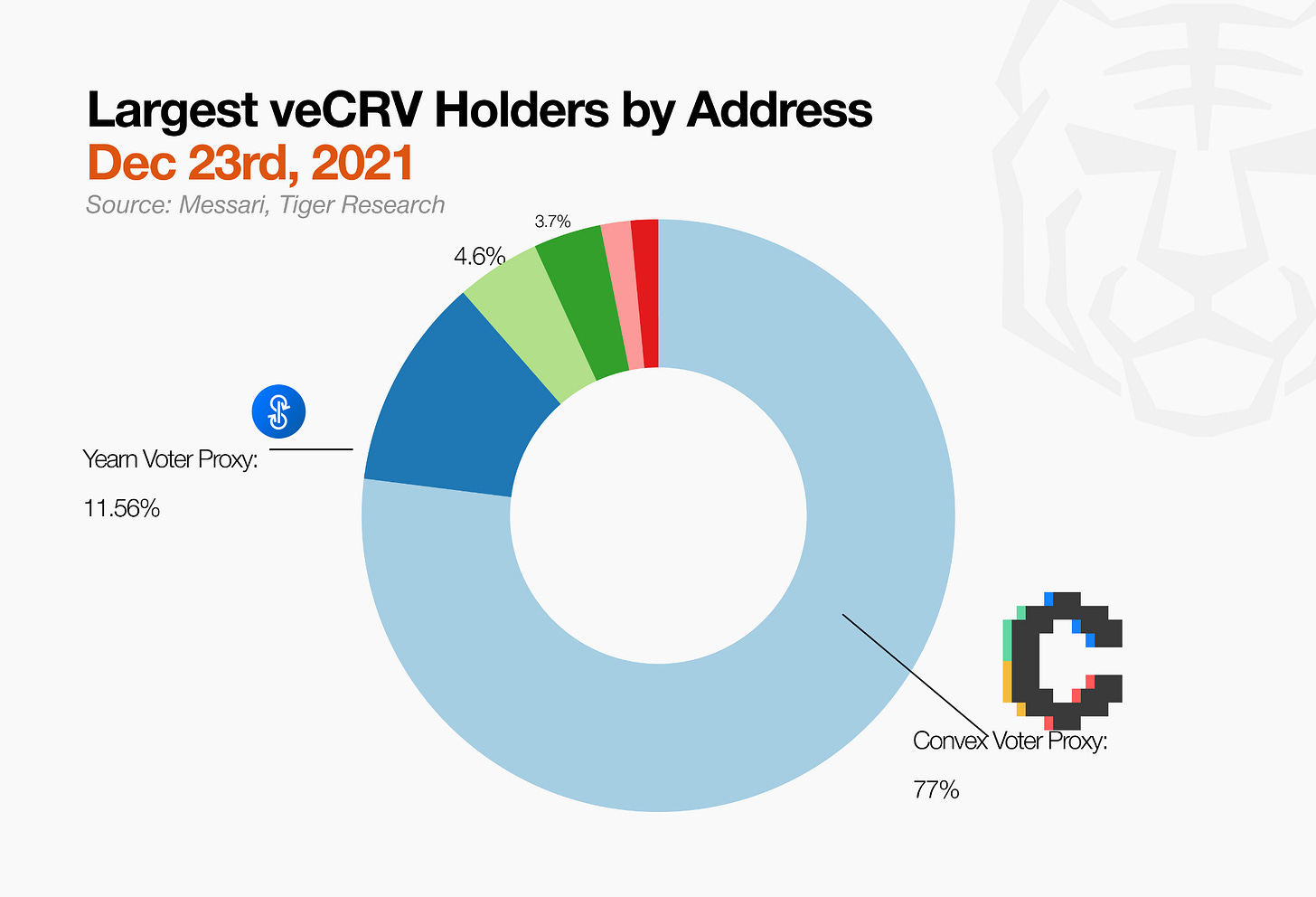
Curve initially was just a trading platform focused on stablecoin exchanges, but the emergence of veCRV completely rewrote its underlying logic. The longer users lock CRV, the more veCRV they earn; veCRV represents weighted voting power, which can determine the distribution ratio of CRV rewards among various liquidity pools.
From then on, the core of industry competition was no longer the height of yields but the power to control yield distribution. Entities holding large amounts of veCRV could direct more token rewards to their own liquidity pools. Major protocols began hoarding veCRV, leading to intense competition, and the Curve war was thus ignited.
Initially, this mechanism was quite attractive to both retail investors and project parties: the longer retail investors locked their assets, the higher their yields; project parties could use this to reduce token circulation and direct liquidity to target liquidity pools. Because of this, similar locking governance models quickly proliferated within the ecosystem, such as Balancer's veBAL and Frax's veFXS.
However, over time, governance power was no longer in the hands of ordinary users. Meta-protocols like Convex began to aggregate and lock CRV on behalf of users, using higher yield bonuses as leverage to concentrate veCRV voting power. The Curve war escalated further, with the main battleground shifting to Convex.
veCRV ultimately confirmed a core conclusion: the power to control yields is far more attractive than the yields themselves. Users no longer held governance power directly but delegated it to more efficient intermediaries like Convex. Curve also revealed to the market that DeFi governance rights themselves could become income-generating assets, and this power is easily prone to concentration and monopoly.
2.3. OlympusDAO: A Golden Age Built on Game Theory
Even after the introduction of Curve's veToken mechanism, liquidity remained the biggest long-term challenge for DeFi. Once external liquidity is attracted elsewhere by higher incentives, it will immediately withdraw; this type of capital essentially belongs to profit-seeking speculative capital.
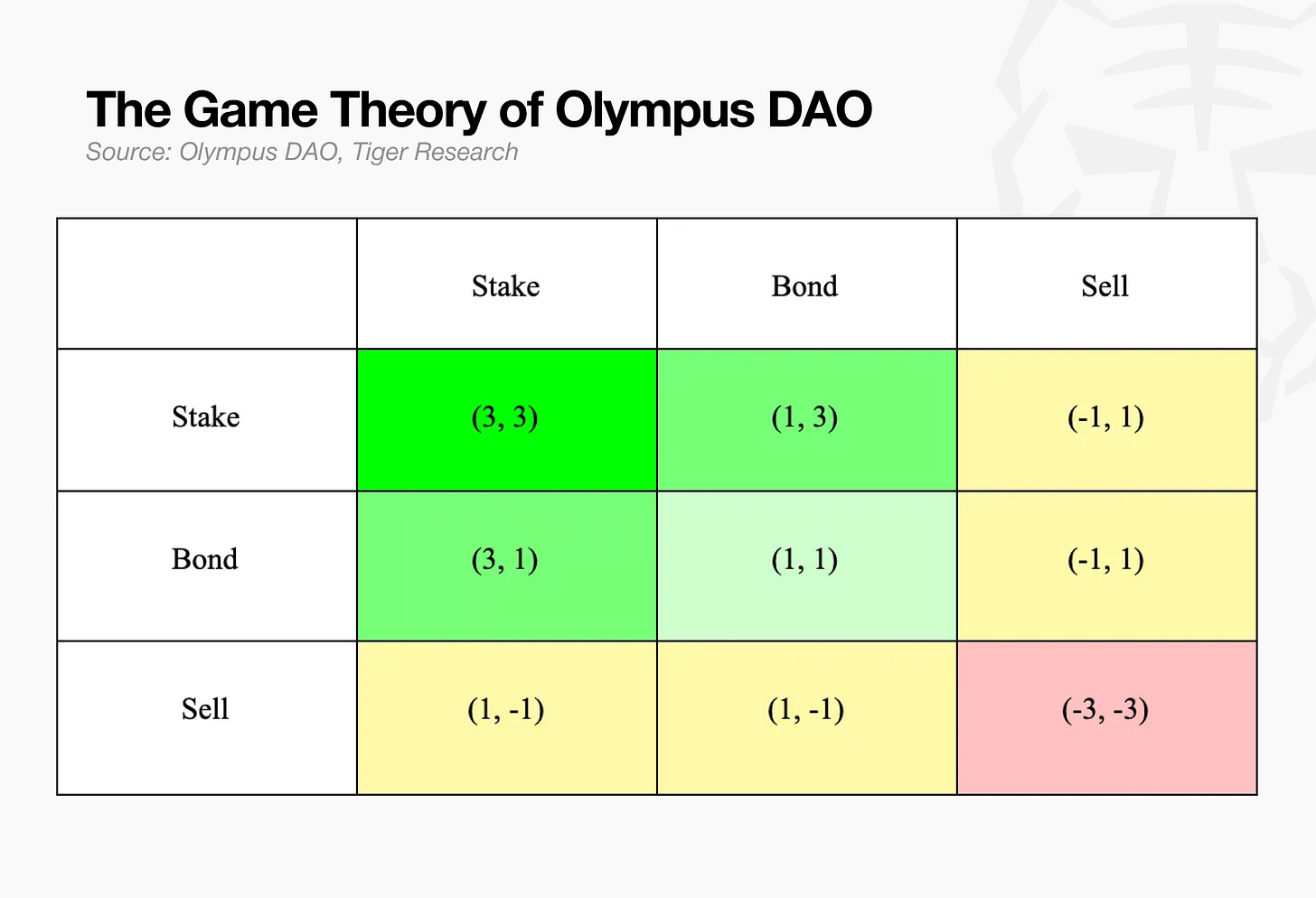
OlympusDAO, born in the second half of 2021, was once seen as a solution to this problem. Its core design includes three major elements: protocol-owned liquidity (POL), where the protocol directly holds its own liquidity; a (3,3) game theory model that advocates for all users to choose to stake and lock up to achieve the globally optimal result; and an initial annualized yield exceeding 200,000%.
However, this model ultimately proved unsustainable. The yields of OHM heavily relied on issuing new tokens rather than real business cash flows. Its bond mechanism spawned numerous copycat fork projects, and the price of OHM eventually plummeted over 90%. After this incident, the thinking of developers and users completely shifted: before chasing "how high yields can go," people began to prioritize examining the real sources of yields.
2.4. EigenLayer and Pendle: From Horizontal Yield Mining to Vertical Leverage
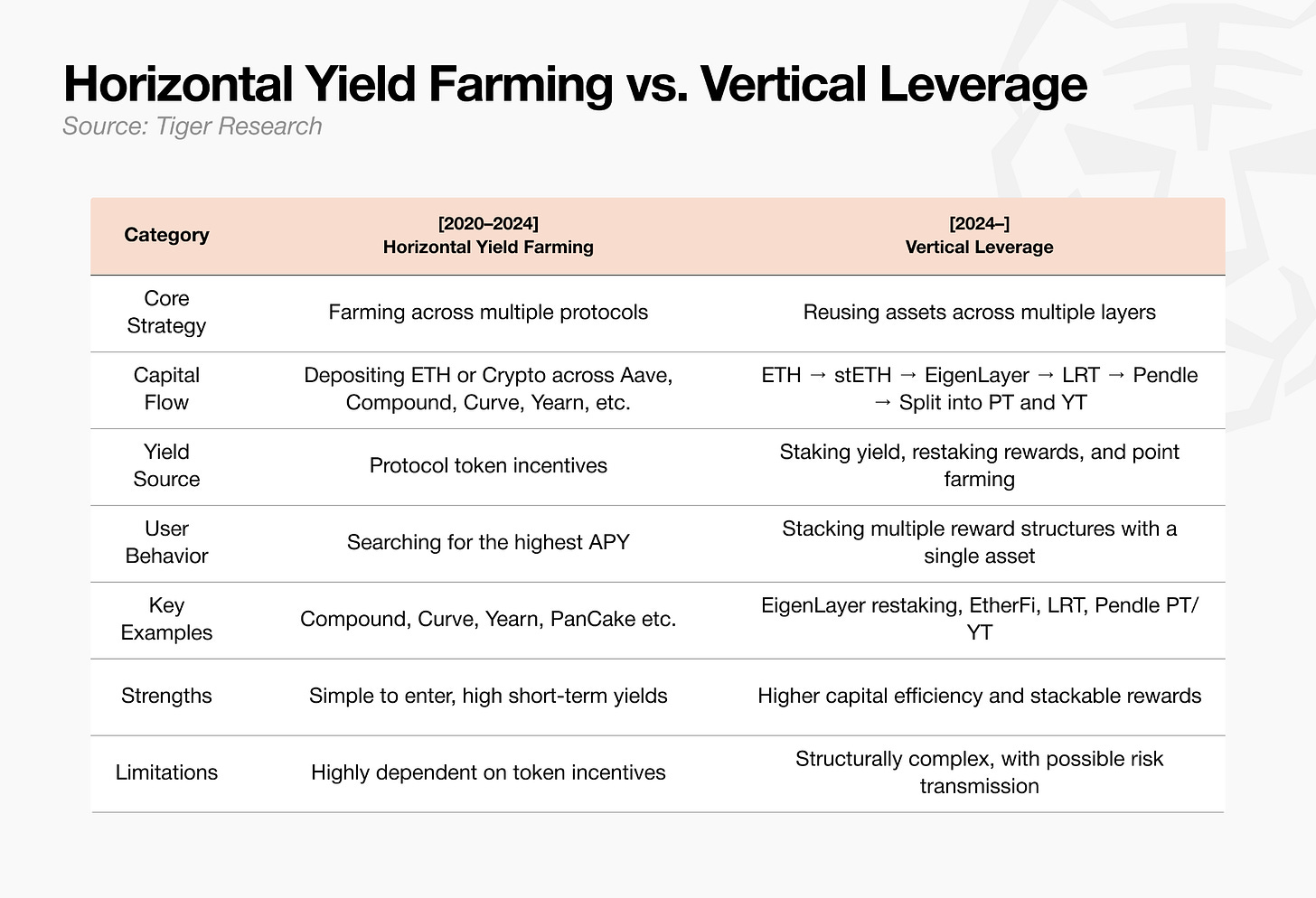
This collapse fundamentally changed the behavior patterns of retail investors. The strategies from 2020 to 2022 were simple and crude: first mine incentives, then cash out. It became common for the same user to spread funds across multiple protocols. The mining during that period was horizontal arbitrage: capital flowed rapidly between different protocols in pursuit of higher annualized yields.
After 2022, this model's efficiency plummeted. The token incentive model was proven unsustainable, and airdrop competition became increasingly fierce. Simply diversifying deposits across multiple platforms led to diminishing marginal returns. The market direction shifted, and capital began to pursue multi-layered yield stacking on a single asset: re-staking Ethereum (stETH), reinvesting liquid staking derivatives (LRT) into DeFi, and splitting yield ownership to capture points and future potential returns.
EigenLayer and Pendle became the core representatives of this transformation. Starting in 2024, EigenLayer launched a re-staking framework that allows already staked ETH and liquid staking assets (LST) to earn additional rewards. In just about six months, its total value locked (TVL) surged from less than $400 million to $18.8 billion, clearly indicating that capital is massively shifting from simple deposits to the re-staking track.
Pendle splits income-generating assets into Principal Tokens (PT) and Yield Tokens (YT). PT corresponds to nearly principal-protected equity; YT encompasses all interest, mining rewards, and point rights during the term. Yield tokens have a value of zero at maturity, but during the holding period, they can maximize the capture of points and yields. Even without understanding the underlying complex mechanisms, buying YT has evolved into a mainstream mining strategy that utilizes both time and capital leverage.
The industry strategy has thus been rewritten: from spreading capital widely and diversifying across multiple protocols to focusing on a single target and layering yield stacking for compound interest.
3. Restructuring Profit Models: RWA and YBS
In the past, project parties heavily relied on token incentives to boost total value locked (TVL). As the locked amount increased, the protocol seemed to achieve expansion, and token prices rose accordingly. However, the core flaw always existed: external liquidity came and went quickly, making it difficult to settle.
Today, while TVL remains an important industry indicator, the industry's focus has shifted entirely: transaction fee revenue, backing by real assets, and compliance capabilities. The key variable behind this shift is the entry of institutional funds. Institutions will rigorously scrutinize the sources of yields and the true nature of underlying collateral assets. A new generation of products is iterating and upgrading, simultaneously adapting to retail needs and institutional compliance requirements.
3.1. Real-World Assets (RWA): Institutional Entry
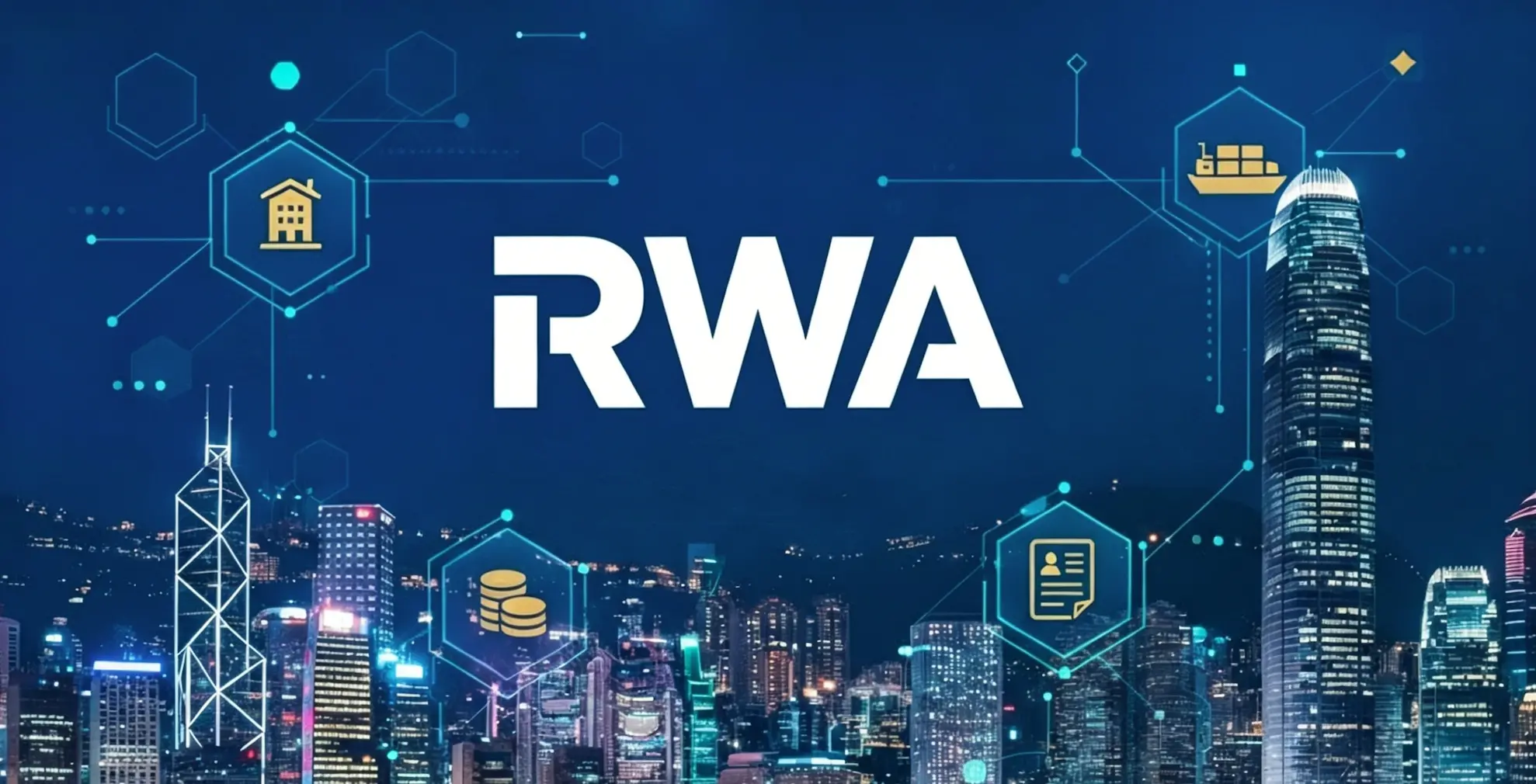
Since 2024, traditional financial institutions like BlackRock, Franklin Templeton, and JPMorgan have entered the on-chain market through real-world assets (RWA). Their operating model involves tokenizing off-chain real assets such as US Treasury bonds, money market funds, private credit, gold, and real estate, and issuing them on the blockchain.
The on-chain RWA market size has grown from several billion dollars in 2022 to hundreds of billions by April 2026. The tokenization of Treasury bonds and private credit has been the core driving force behind this growth.
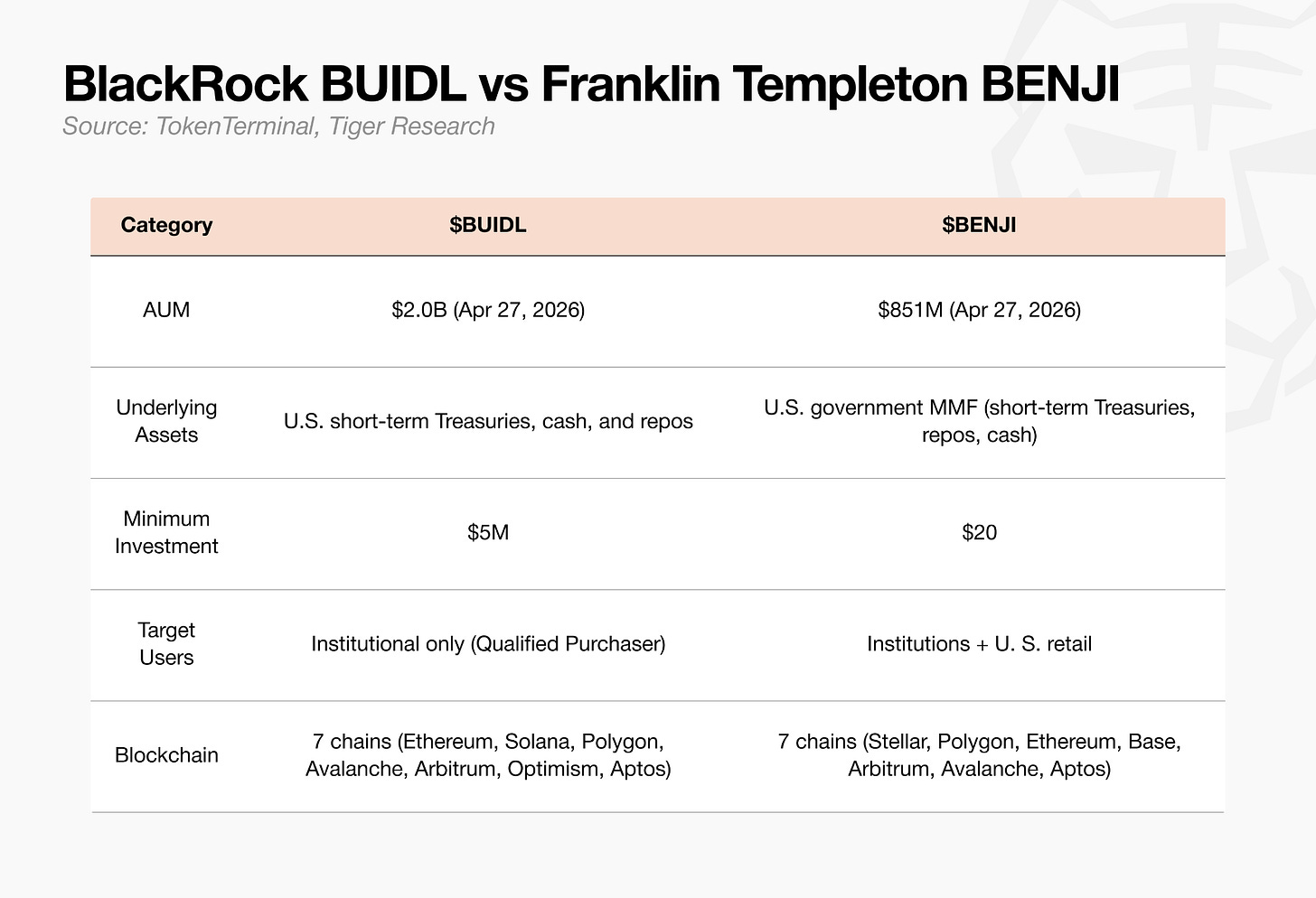
Currently leading the market are institutional-grade products represented by BlackRock's BUIDL and Franklin Templeton's BENJI. While the underlying asset types of these two products are similar, their operating models differ: BUIDL is strictly aimed at institutional investors, while BENJI has a minimum entry threshold of only $20, making it accessible to ordinary retail investors in the US.
In addition, asset management giants like Apollo, Hamilton Lane, and KKR are collaborating with on-chain issuance platforms like Securitize to accelerate the tokenization of private equity funds and private credit.
For traditional institutions, the on-chain market is not a completely unknown territory but a new asset distribution channel. Therefore, various protocols serving institutional clients are improving their supporting systems: building compliant customer identity verification (KYC) and anti-money laundering (AML) mechanisms, custodial infrastructure, global legal jurisdiction adaptability, and specialized risk management frameworks.
3.2. Yield-Generating Stablecoins (YBS): Dollar Assets with Built-in Yield
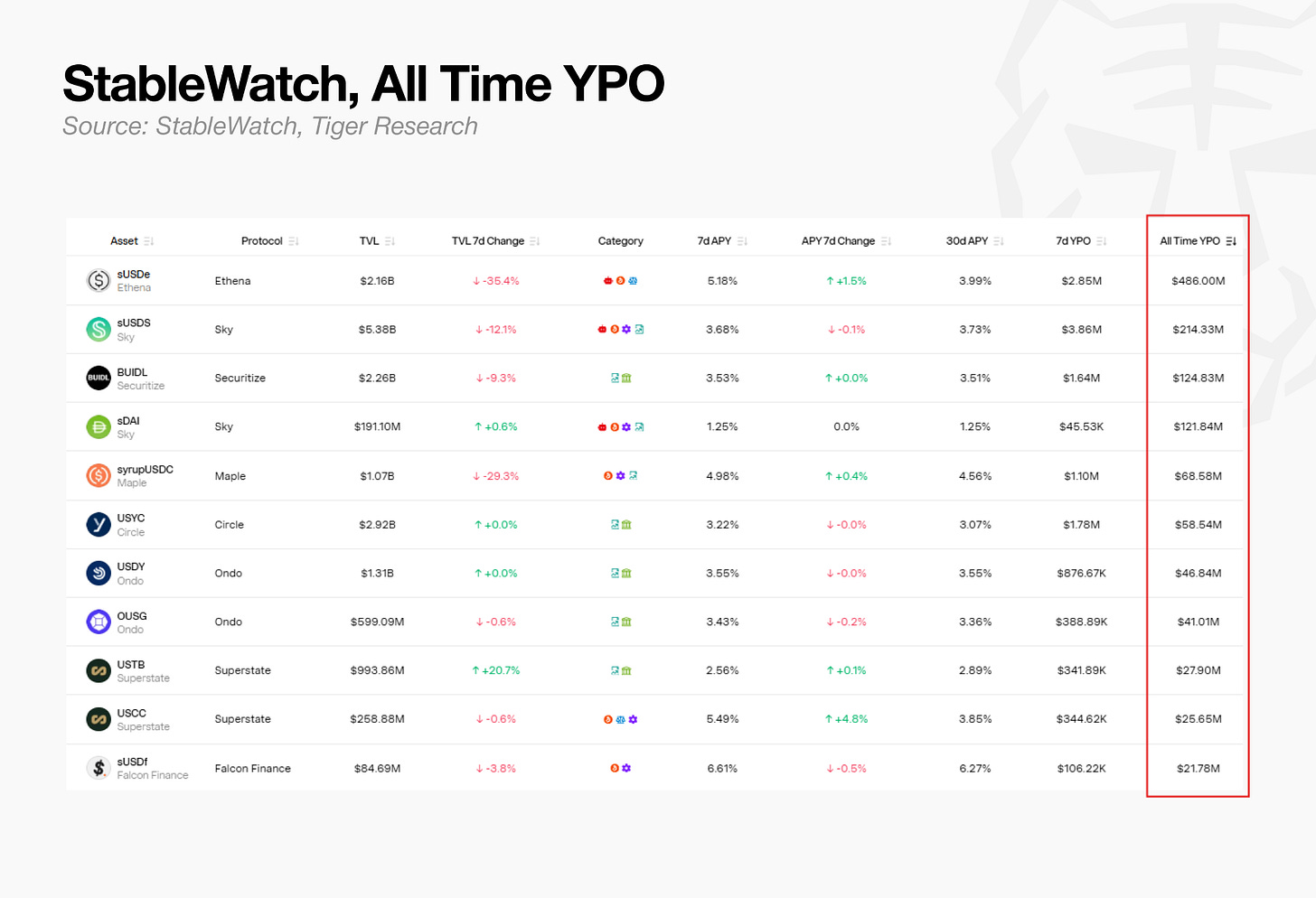
The most noteworthy sub-sector currently is yield-generating stablecoins (YBS). Yield-generating stablecoins are stablecoin products that embed the yield mechanism directly within the token itself. Ondo USDY, Sky sUSDS, Ethena sUSDe, and the previously mentioned BlackRock BUIDL and Franklin BENJI all belong to this category.
Users only need to hold these assets to automatically accumulate the yields generated by the underlying assets. The underlying assets include US Treasury bonds, funding rate yields, staking interest, and money market funds. The entire structure is essentially equivalent to the on-chain migration of traditional money market funds (MMF).
According to StableWatch's cumulative yield output (YPO) data, Ethena sUSDe, Sky sUSDS, BlackRock BUIDL, and Sky sDAI rank among the top products in terms of cumulative interest paid in the entire market. While there are slight differences in data under different statistical criteria, it is undeniable that yield-generating stablecoins have already moved beyond the niche experimental stage and grown into a mature sector capable of continuously distributing real interest.
Even so, simply moving money market funds on-chain does not constitute a core differentiated advantage. The real barrier lies in composability. BlackRock BUIDL accounts for 90% of the collateral backing Ethena's dollar reserve asset USDtb, which can also be used as collateral to access the Aave lending ecosystem.
In other words, financial products originally designed as tools for real-world assets have now transformed into stable underlying components of on-chain finance. DeFi no longer relies on a limited "built-in battery" for operation but is beginning to connect to external real value energy.
4. Building the RWA Value Grid: Learning from Historical Failures
Before this, DeFi was always doing one thing: layer upon layer of interconnected, self-nesting power strip circuits, under the guise of a growth flywheel.
Layer upon layer of leverage and derivatives, all links are closed-loop and self-consistent. The fatal problem is that the energy comes from the future externally, and most of the yields are artificially created by the protocol's self-developed token incentives. Compound relied on its native token to back loans, while Curve used its own token to retain liquidity providers.
On the surface, all parties were supplying blood to each other and operating in a cycle, but in reality, the entire system shared a limited battery. Once the market encountered shocks, the underlying value would collapse first, transmitting upward through layers, and the end derivatives would be the first to stop functioning. This self-closed, self-backed model has a natural limit to its carrying capacity.
RWA is the first to connect this system to a real external value grid. Bond interest, property rents, trade receivables, and other cash flows from the real economy have become stable power sources for on-chain finance. Interest rate pricing is no longer artificially manipulated by internal token incentives but is determined by external market supply and demand, macro interest rates, and credit risks.
When stable cash flows continue to circulate, various financial modules such as issuance, custody, collateralization, lending, and settlement can layer onto this grid. Many complex financial products that were difficult to implement in traditional DeFi have now become feasible solutions relying on the RWA underlying architecture. The core proposition of the industry is no longer to endlessly stack power strips and build layers but to obtain long-term stable value flows.
This is the core essence of on-chain RWA: bringing assets with real underlying value on-chain, using their continuously generated cash flows as a foundation, and layering various financial business modules. If the old-style DeFi relied on token incentives as a temporary battery to borrow liquidity, then the current RWA track is achieving long-term liquidity settlement through the endogenous cash flows of the assets themselves.
The leading players in the current track are each starting from their respective sectors to jointly build this new financial grid:
- Theo is responsible for screening the underlying assets that can be brought on-chain, deciding which real assets to connect, acting as the energy source for the entire grid.
- Plume builds the underlying infrastructure for asset issuance and circulation, laying down power transmission lines and scheduling hubs to ensure smooth value flow.
- Morpho uses the circulating real assets as collateral to build lending and collateral markets, serving as the first true financial terminal that consumes and utilizes value on this new grid.
No single institution can monopolize the entire grid. This new financial loop called on-chain RWA can only be considered a complete closed loop when the energy source, transmission network, and application terminals are interconnected.
4.1. Theo: A Case Study in Strategic Reconstruction of User Groups
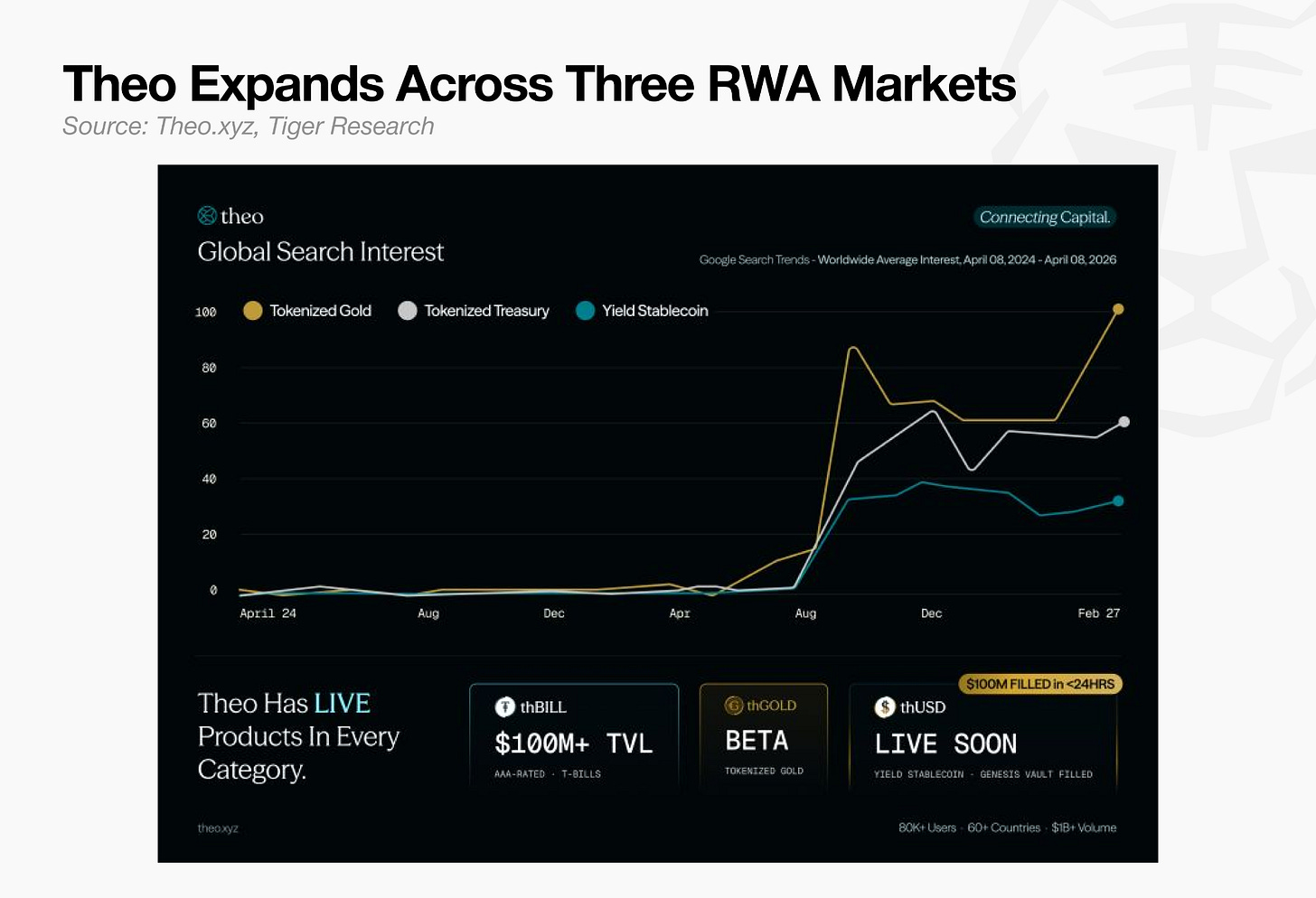
Theo is a typical case: starting from the screening of underlying assets, it has completely reshaped its customer base and undergone a comprehensive transformation.
Theo's flagship product was initially a strategy vault. However, as market dynamics changed, the needs of retail and institutional clients began to diverge significantly. Theo actively adapted to industry trends and redefined its target customer group comprehensively.
The current core product is thBILL. This product consists of a tokenized US short-term Treasury bond portfolio provided by a compliant issuer, serving as the core underlying asset of the Theo ecosystem, continuously generating stable yields. The project roadmap has added thGOLD (tokenized gold), and a yield-generating stablecoin thUSD backed by thGOLD will also be launched soon.
This transformation is not just a product iteration but also confirms one point: projects that originated in the retail incentive sector can completely reconstruct their underlying architecture to adapt to and connect with institutional compliance and business needs.
4.2. Plume: Building the Underlying Ecosystem for RWA Implementation
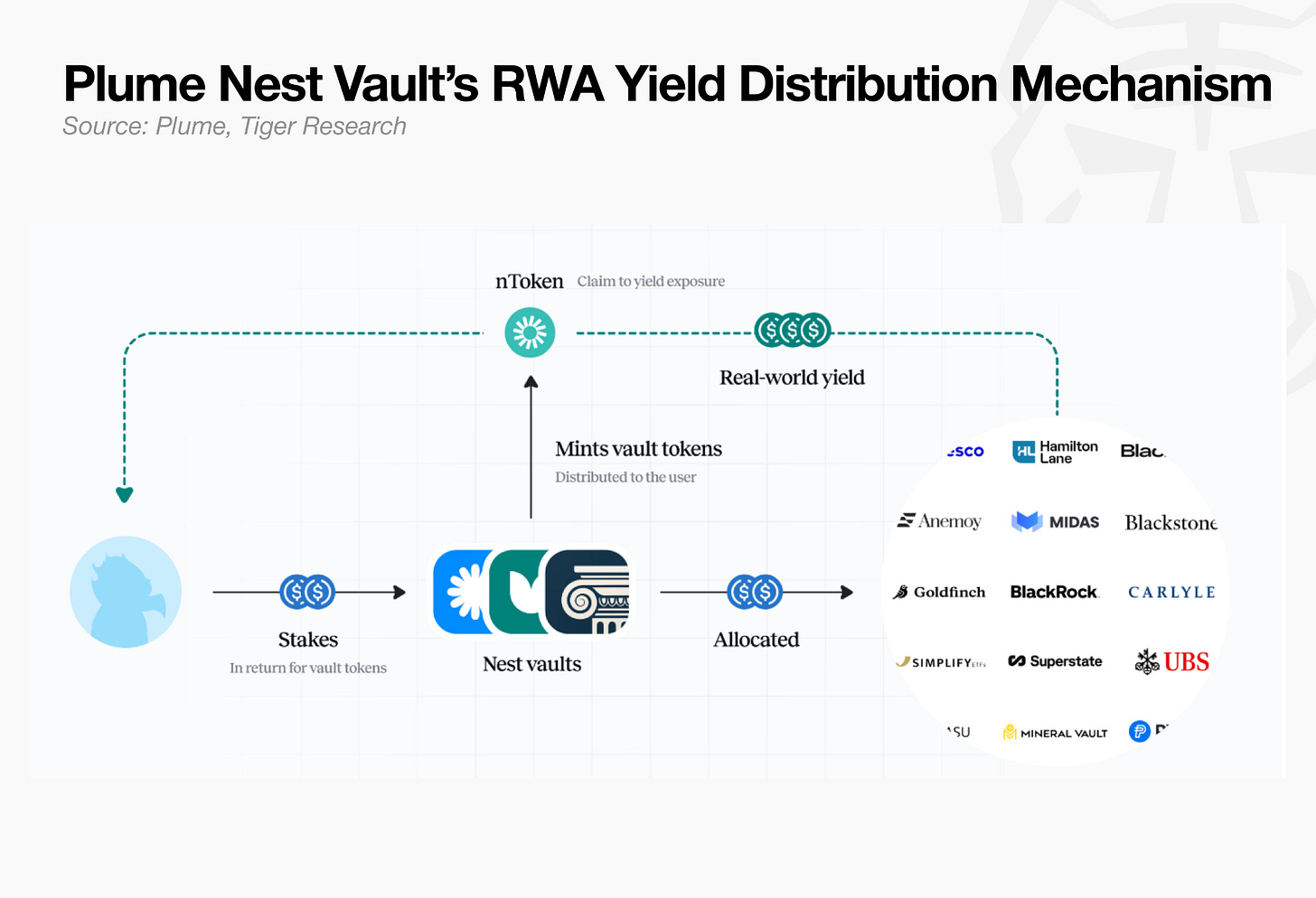
Plume is another typical example, deeply integrating and building the infrastructure for asset circulation with upper-level market demand.
For institutions, simply bringing assets on-chain is far from enough; they also need to cover the entire chain of infrastructure for issuance, compliance, distribution, and yield productization. For on-chain users, wanting to invest in Treasury bonds, funds, and other institutional-grade assets also requires a well-supported product system.
Nest is a yield protocol built on Plume's underlying infrastructure. Users can conveniently obtain yields generated by institutional-grade real-world assets (RWA) by depositing stablecoins. Its various vault products, including nBASIS, nTBILL, and nWisdom, rely on different real assets as yield underpinnings; vault tokens can be freely transferred and circulated within the DeFi ecosystem.
WisdomTree has issued 14 tokenized funds on Plume, Apollo Global Management has implemented a $50 million credit strategy, and Invesco has migrated a $6.3 billion senior loan strategy to the Plume blockchain. Nest has become the core entry point for ordinary users to access such institutional assets.
In addition to its own ecosystem, Plume is also a comprehensive integrated infrastructure that builds standardized distribution channels between institutional assets and on-chain capital needs.
4.3. Morpho: Adding Complete Financial Functions to Institutional Assets
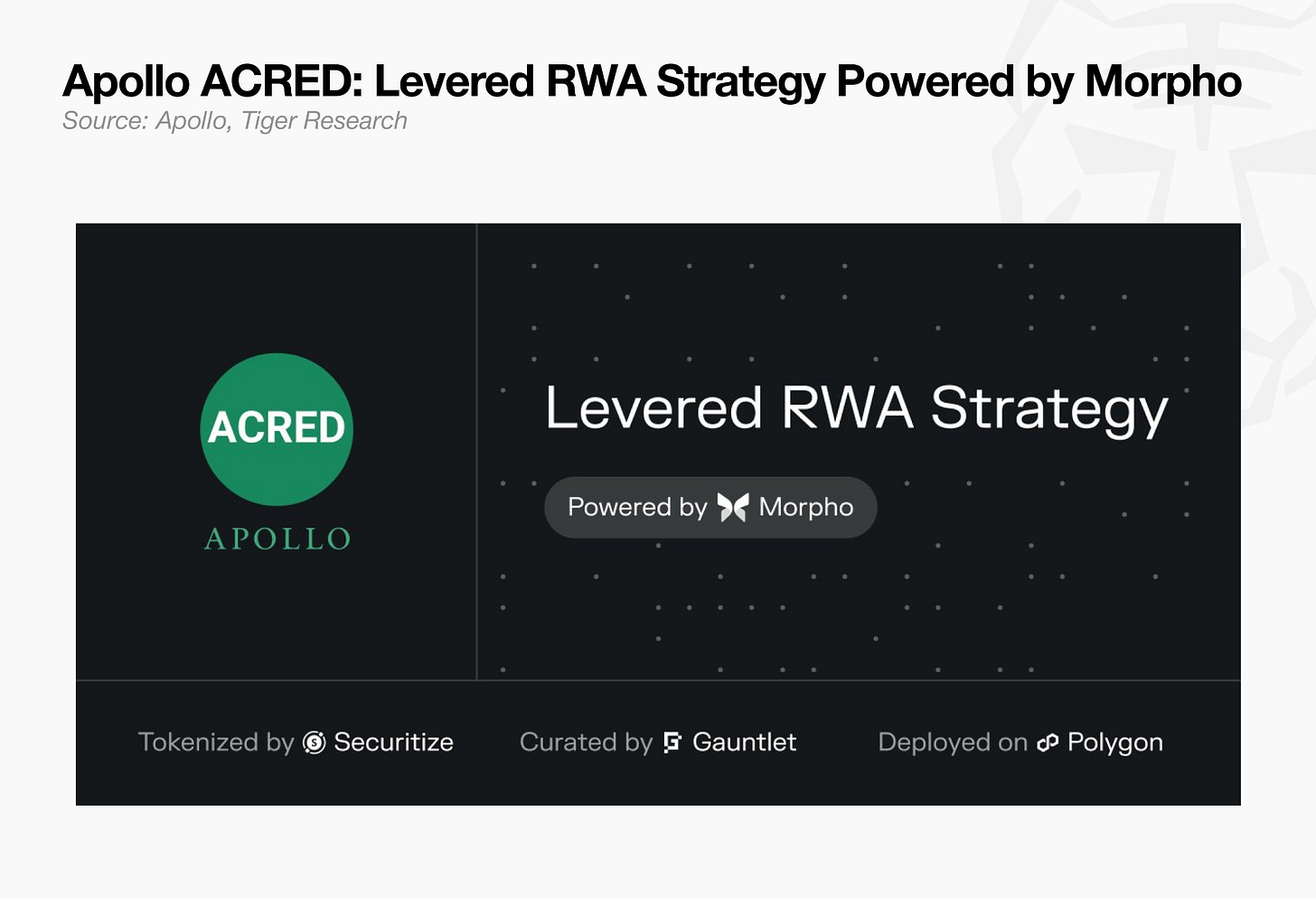
Morpho is the third typical case, illustrating how to transform assets into collateral, lending tools, and sources of liquidity.
For institutions, registering assets on-chain is just the starting point; the real key is whether these assets can serve as collateral and thereby release liquidity. Lending terms and risk parameters must be clearly defined, and all business operations must be legally implemented within a custodial and compliance framework.
A typical representative is Apollo's ACRED product. Apollo not only deploys credit strategies on Plume but also allows ACRED to be used as collateral in Morpho, enabling holders to borrow stablecoins while retaining their fund holdings. ACRED is a tokenized private credit fund built on Apollo's diversified credit securitization fund, issued on-chain by Securitize.
Only when institutional assets can serve as collateral, support lending, and release liquidity can they truly become usable underlying materials for on-chain finance.
5. What Remains After the Dopamine Rush Fades
Looking back, the golden age of DeFi resembled a mirage built on token incentives and leveraged stacking.
Despite some voices in the industry continuously pessimistic about DeFi's recovery prospects, citing hacking incidents as reasons.
However, the recent handling of the Kelp DAO rsETH incident and the establishment of the DeFi United alliance present a starkly contrasting industry direction. As of April 28, 2026, Aave and DeFi United have successfully raised over $300 million, far exceeding the $190 million loss from this hacking incident.
This fully demonstrates that the industry is gradually building a trust infrastructure, and a more mature collective accountability mechanism has already begun to take shape.
Throughout the development history of DeFi, it can be observed that the early industry was in a completely unaccountable and chaotic state. The only goal for users was to quickly seize high-yield tokens; project parties designed various high-yield mechanisms, often withdrawing once their financing goals were achieved.
Now the industry is undergoing a complete shift: institutional accountability is being actively written into system design. A complete and mature financial system has yet to take shape, but it is certain that the industry has reached a consensus: to face common risks, reasonably share losses, and clarify responsibilities.
Many people are bearish on the market not only due to frequent security vulnerabilities but also because short-term high yields have completely faded, and the market lacks new narratives and growth catalysts.
The influence of the vague concept of "DeFi" is continuously weakening. The market has been segmented into more precise vertical tracks: lending, stablecoins, real-world assets (RWA), re-staking, on-chain credit, etc.
The names of concepts are no longer important. The various innovative experiments originating from early DeFi are steadily maturing, evolving into sustainable underlying architectures that allow more assets to truly enter the real economy and generate actual value.
 Risk warning