







From subnet competition to network effects: Will Bittensor (TAO) become the BTC of AI?

Summary
Bittensor is committed to building a decentralized machine learning network that integrates computing power, models, and data contributors into a "peer-to-peer intelligence market" through token incentives, addressing the issues of high concentration of computing power and data in the traditional AI field and limited innovation. Its core mechanisms include a Subnets architecture, the Yuma Consensus contribution assessment system, and a dTAO-driven market incentive model, enabling dynamic matching and continuous optimization of AI production and value distribution on-chain.
Currently, the Bittensor ecosystem has entered a rapid expansion phase, with the number of subnets growing to 129, gradually forming a concentrated and hierarchical structure; at the same time, of the approximately $2.36 billion in TAO staked, over 30% has flowed into the subnet side, indicating that funds are migrating from the mainnet to the application layer. On a macro level, the AI market is moving towards a trillion-dollar scale, and decentralized AI, as a complementary infrastructure, has long-term penetration potential. Bittensor has formed a differentiated positioning among similar projects through "subnet market competition."
From the driving factors, the price of TAO benefits from the warming AI narrative, supply contraction brought about by the 2025 halving, and potential institutional capital inflow from Grayscale Investments' launch of compliant trust products, forming a structural support of "supply contraction + demand enhancement." However, the ecosystem still faces multiple challenges, including uneven subnet quality, misalignment of incentives and real demand, governance concentration, and regulatory uncertainty.
Table of Contents
Structural Contradictions of the AI Era and the Rise of Decentralized AI
Project Overview and Background
2.1 Project Positioning and Mission
2.2 Project Background and Development History
2.3 Core Issues and Value Proposition
- System Architecture and Technical Components
3.1 Core Architecture Design
3.2 Consensus Mechanism and Incentive Mechanism
3.3 Subnets
3.4 Protocol Expansion and Modularity
- Token Economics and Governance
4.1 TAO Token Model
4.2 Tokenomics
4.3 Dynamic TAO (dTAO) and Alpha Token
4.4 Will Alpha Token Experience Inflation? - Dynamic Balance Mechanism in dTAO
4.5 Emission Mechanism and Distribution Logic
4.6 Governance Model
- Ecosystem Map
5.1 Ecosystem Participants
5.2 Subnet Ecosystem Map
5.3 Ecosystem Status
Market and Competition: Bittensor's Position and Differentiation
Risk Assessment and Challenges
Development Roadmap and Future Outlook
References
1. Structural Contradictions of the AI Era and the Rise of Decentralized AI
As artificial intelligence enters a phase of rapid development, the entire industry is quickly moving towards a trillion-dollar market. From a macro perspective, the development space for decentralized AI is essentially built on the continuous expansion of the overall AI industry. Currently, the global AI market size is estimated to be around $350 billion to $400 billion by 2025, and is expected to grow to $1.5 trillion to $2 trillion by 2030, corresponding to an annual compound growth rate of about 35% to 40%. AI is becoming a new generation of general infrastructure, providing a broad application and carrying space for decentralized AI.
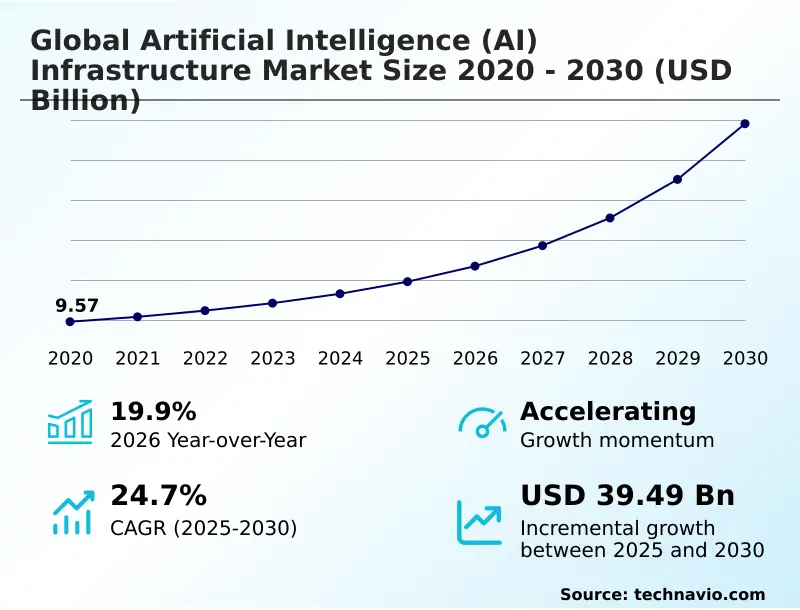
Figure 1. Source:https://www.technavio.com/report/ai-infrastructure-market-industry-analysis
In the more segmented field of "Decentralized AI / Blockchain + AI," although still in its early stages, the growth trend is also clear. Research shows that this submarket is expected to be around $13 billion by 2025 and is projected to grow to $38.4 billion by 2032. Although the absolute scale is still much smaller than the overall AI market, its growth logic is clear: as data privacy constraints increase, computing costs rise, and resource concentration intensifies, the market's demand for decentralized architecture is gradually being released.
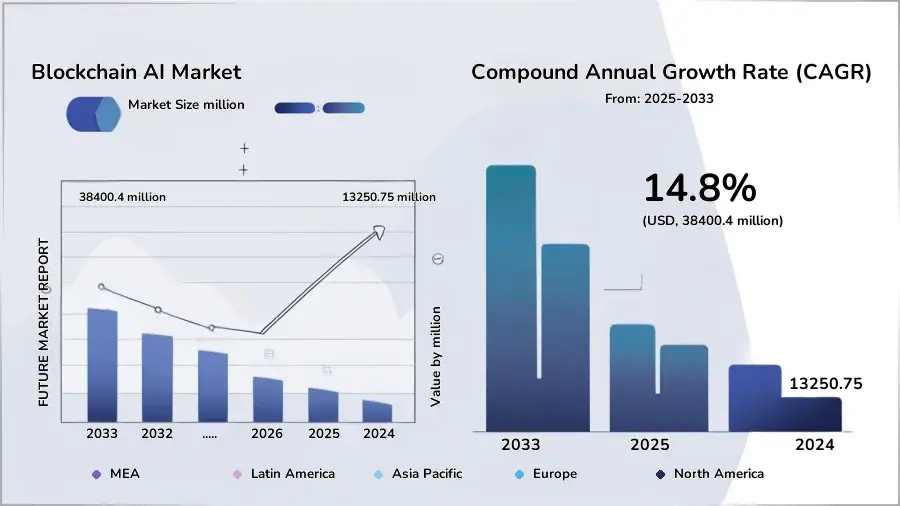
Figure 2. Source:https://www.futuremarketreport.com/industry-report/blockchain-ai-market
Behind this growth trend, a key structural issue is gradually emerging: key AI resources are highly concentrated in the hands of a few tech giants. This concentration, while bringing efficiency advantages, also limits the openness of innovation to some extent and provides a realistic impetus for new organizational models. Against this backdrop, the market is beginning to explore a new path: reconstructing the production relationships of AI through open networks, allowing computing power, models, and demand to flow and collaborate among a broader range of participants. In this trend, a new type of protocol centered on "decentralized training and evaluation networks" is gradually emerging, with Bittensor being one of the most representative explorations. Furthermore, this issue raises a more forward-looking proposition: in an era where AI becomes infrastructure, will there be an "AI native foundational asset" similar to Bitcoin's role in value storage? Bittensor's practice is an important attempt in this direction.
2. Project Overview and Background
2.1 Project Positioning and Mission
Bittensor is an open-source protocol aimed at building a decentralized machine learning ecosystem. By integrating blockchain with artificial intelligence technology, it creates a global collaborative AI market. In this market, participants contribute machine learning models, computing resources, and intelligent outputs, and the protocol rewards them based on the value of their contributions, encouraging global developers and researchers to collaboratively build composable and continuously evolving AI systems.
Bittensor's design goal is to make machine intelligence a tradable and shareable public good, allowing every contributor to receive direct returns from value creation. The protocol promotes collaborative development of distributed machine learning globally through a decentralized consensus mechanism and economic incentive system. The official white paper defines Bittensor as a "Peer-to-Peer Intelligence Market," where AI outputs from different contributors are evaluated collaboratively through the network, forming a continuously growing intelligent ecosystem. This incentive-driven collaborative model is expected to break through the limitations of data silos and resource centralization in today's AI training processes.
2.2 Project Background and Development History
Bittensor was co-founded in 2019 by AI researchers Jacob Steeves and Ala Shaabana, with a core ideological contributor referred to by the pseudonym "Yuma Rao," who is likened to a shaper of the protocol's philosophy in the official white paper and literature.
The project's development has gone through several important milestones:
2019-2021: Conceptualization and early development phase. Bittensor was initially architected based on the Polkadot parachain, completing protocol design, preliminary consensus mechanisms, and early AI network experiments, laying the foundation for the mainnet launch. In 2021, the network officially went live (Kusanagi) and upgraded to the Nakamoto version in the same year, making key optimizations to the consensus mechanism and reward system, enhancing network stability and scalability.
2023: Underlying architecture transformation. The project shifted to the Substrate-based autonomous chain Finney, freeing itself from reliance on Polkadot, significantly enhancing ecological independence and scalability, and providing greater space for the evolution of subnet mechanisms and economic models.
2024: Subnet validation phase. Multiple subnets (such as SN9) conducted decentralized model training experiments to validate the feasibility of distributed AI running on-chain and provided data support for subsequent economic mechanism upgrades.
2025: Mechanism upgrades and economic model reconstruction. The dTAO mechanism was launched within the year, shifting incentive distribution from static rules to market-driven; at the same time, key upgrades were made to the mainnet (including optimizations to staking and burning mechanisms), and the first halving was completed in December, reducing daily output from 7,200 TAO to 3,600 TAO, reinforcing its deflationary attributes. Additionally, the subnet mechanism continued to be optimized, and institutional validation nodes (such as BitGo and Copper) were introduced to enhance ecological scale and participation depth.
2026: Ecological expansion and maturity phase. The number of subnets continued to grow, with a planned upper limit expanded to 256, while optimizing staking and asset circulation mechanisms. The ecological narrative also gradually shifted from "token mining" to "subnet ecological construction," further solidifying its positioning as decentralized AI infrastructure.
In terms of funding and ecological support, Bittensor's development has received backing from crypto investment institutions and community funds, primarily including Digital Currency Group (DCG), Polychain Capital, and a small number of strategic angel investments. Compared to traditional projects that rely on large-scale financing to drive early development, Bittensor emphasizes community-driven and long-term incentive mechanisms, ensuring that funding sources are primarily ecological development funds and strategic support, providing stable capital assurance while pursuing decentralization and long-term technological iteration.
In addition to the core founding team, the project has also attracted some senior talent and community contributors in ecological expansion and technical implementation, forming an early support pattern of technology and capital synergy, providing foundational assurance for Bittensor's subsequent subnet expansion and decentralized AI market construction.
2.3 Core Issues and Value Proposition
The centralization of traditional AI is not accidental but is gradually reinforced by a "positive feedback loop" of three key resources: the overlapping monopoly of computing power, data, and model capabilities. At the computing power level, large model training heavily relies on GPU clusters and data centers, which require massive capital investment and have long been dominated by tech giants like NVIDIA, Amazon, and Google. The scale effect causes computing costs to continue concentrating at the top, making it difficult for small teams to bear training costs. At the data level, internet platforms have accumulated vast amounts of user data (search, social, transactions, etc.) through long-term operations. This data is not only large in scale but also has high quality and structured advantages, forming a natural data barrier that external developers find difficult to access. Finally, at the model level, leading institutions continuously enhance model capabilities through ongoing training and optimization (such as OpenAI and DeepMind), while encapsulating models as API services, providing capabilities without opening the core, further consolidating their leading advantages. This ultimately leads to the concentration of AI innovation resources in a few institutions, making it difficult for small and medium developers to participate in training and profit distribution, thus limiting ecological vitality.
Bittensor (TAO) attempts to break this closed loop, with the core idea of "marketizing + decentralizing" the three key resources of AI. At the computing power level, Bittensor no longer relies on centralized data centers but allows any participant with computing power to connect to the network and provide training or inference services through a global node network; at the data and model level, the protocol treats "the model itself" as a tradable asset, allowing participants to submit models, data, or inference results, which are evaluated and scored by validators in the network. Through on-chain mechanisms, contributions are transformed into quantifiable value and rewarded with TAO tokens.
Bittensor also introduces a decentralized evaluation mechanism (validation + incentive): different subnets operate around specific tasks (such as text generation, image understanding, etc.), and validators score the quality of model outputs, dynamically determining the weight of reward distribution. This mechanism replaces the centralized evaluation method in traditional AI where "a single company defines the quality of models," allowing high-quality models to earn more rewards in open competition rather than relying on endorsements from closed systems.
From an overall structural perspective, Bittensor builds a collaborative network involving computing power providers, data contributors, and model developers, automatically completing value distribution through on-chain rules and economic incentives, with decentralized governance ensuring long-term operation. This model not only breaks the resource monopoly and data silos of traditional AI but also shifts AI from an internal enterprise asset to an open network resource, providing a path for long-tail developers to participate in model training and profit distribution, fundamentally reshaping the organizational methods and innovation mechanisms of the AI industry.
3. System Architecture and Technical Components
3.1 Core Architecture Design
The overall architecture of Bittensor is built around a decentralized Subtensor main chain, which serves as the infrastructure layer of the protocol, responsible for coordinating network activities within the ecosystem, recording contribution data, and distributing TAO rewards. Subtensor is a blockchain node software implemented based on Substrate, providing basic logic such as on-chain ledgers, account management, node registration, and value transfer, serving as the underlying ledger and security foundation of the entire decentralized AI network.
The protocol adopts a layered structure to decouple different logical modules to improve scalability:
(1) Chain Layer (Subtensor Main Chain): Serves as the foundational ledger and reward distribution layer for the entire network, recording all contributions and incentive distributions.
(2) Node Layer (Neurons): Composed of miners and validators, this layer acts as the executors of the protocol. Miners are responsible for executing AI inference and training tasks, while validators evaluate the quality of miners' work.
(3) AI Layer (Subnets): Composed of subnets, each subnet sets its own reward rules and quality metrics for specific AI tasks, serving as higher-level functional building blocks.
In this multi-layer architecture, subnets are designed as independent, customizable environments that support horizontal scaling. Each subnet organizes nodes around specific AI workflows (such as NLP, image recognition, inference tasks, etc.) and uses on-chain mechanisms for task assignment and result scoring.
3.2 Consensus Mechanism and Incentive Mechanism
The core of Bittensor's incentive and reputation logic is the Yuma Consensus (YC), which is sometimes conceptualized by the community as Proof of Intelligence, aiming to establish a network value distribution system based on contribution quality. YC is not a traditional block production consensus but is used to reach consensus on the quality of work contributed by miners within a subnet and to distribute rewards based on contribution quality. In a subnet, validators score each miner's AI output or contribution (referred to as weight), and these weights are aggregated, weighted, and consensus is reached through the Yuma consensus algorithm. The consensus results are used to calculate the reward ratios for miners and validators. This mechanism ensures that rewards reflect both contribution quality and depend on the validators' stake levels, thus incentivizing high-quality evaluations and honest participation.
In the Bittensor network, the quality scoring of AI contributions directly determines the reward distribution for miners and validators, making the fairness of scoring crucial. Yuma Consensus (YC) introduces multiple protective mechanisms to prevent score manipulation, with core methods including Clipping and Trust Score mechanisms.
The Clipping mechanism refers to the process of weakening or removing outliers that significantly deviate from the majority scores during subnet score aggregation. For example, if a validator gives an extremely high or low score to a miner's contribution while most validators' scores cluster in the middle range, this extreme score will be automatically adjusted to reduce its impact on the final reward calculation. The Clipping mechanism essentially quantifies constraints on anomalous behavior, preventing a minority of validators from manipulating reward distribution through malicious scoring or collusion.
The Trust Score mechanism: Each validator has a dynamic trust score in the network, reflecting the reliability and consistency of their historical scoring. If a validator's scores consistently deviate significantly from the majority consensus, their trust score will decrease, and the weight of subsequent scores will also decrease. This mechanism creates an incentive: the more honestly validators assess contributions, the higher their scoring weight, leading to more stable long-term returns; conversely, manipulative or irresponsible scoring behavior will be naturally diminished.
The combination of Clipping and Trust Score gives Yuma Consensus strong robustness against collusion attacks, score inflation, or malicious manipulation. Even if a minority of nodes attempt to collude to manipulate scores, as long as the majority of nodes adhere to honest evaluation principles, their influence will be clipped and weakened by trust score weights, thus protecting the fairness of network rewards. It is worth noting that while the foundational block production of the Bittensor main chain may still adopt Proof of Authority (PoA) or similar chain-level security mechanisms to ensure rapid confirmation and basic security, these mechanisms are primarily used for transactions, node registration, and on-chain ledger maintenance. In the logic of AI contribution scoring and reward distribution, Yuma Consensus is the core framework, as it directly determines the distribution of economic incentives and contribution value, ensuring the fairness and sustainability of decentralized AI collaboration.
3.3 Subnets
Subnets are the most important functional modules in the Bittensor network, enabling the protocol to horizontally scale and support various AI tasks. Each subnet is designed as an independent collaborative community, setting its own working standards and evaluation metrics around a specific type of AI workflow, such as natural language processing, image recognition, or specific inference tasks. A subnet is created by its owner, who must lock a certain amount of TAO as registration capital. Subsequently, miners and validators can register in that subnet and begin executing tasks and quality assessments. Subnets are closer to independent competitive units operating around specific AI tasks, with competition and performance among different subnets coordinated through the network reward mechanism.
The reward distribution for each subnet is controlled by on-chain economic logic, further distributing emissions allocated from the entire network to that subnet based on the contributions of miners and validators. As mechanisms like dTAO evolve, each subnet may also have its own local token (Alpha Token) as a medium for its contribution value, with its value determined through an AMM mechanism. The contribution scoring system within the subnet is evaluated by validators based on miners' contributions, then aggregated through Yuma Consensus to ensure that reward distribution reflects work quality and incentivizes nodes to continuously provide high-value contributions.
3.4 Protocol Expansion and Modularity
To enhance the network's autonomy, fairness of incentives, and marketization, Bittensor has introduced the Dynamic TAO (dTAO) mechanism, which replaces the original fixed reward distribution rules with a market-driven mechanism. dTAO introduces local Alpha Tokens for subnets, which can be exchanged with TAO through AMM pools and reflect the value positioning of the subnet within the network ecosystem. In the dTAO model, subnet rewards are no longer determined by a few validators but are instead driven by TAO holders staking TAO in the subnet pool to exchange for corresponding Alpha, with emissions distribution dynamically determined by market-formed prices. This mechanism allows subnet valuations to more closely align with the market's assessment of their contribution value and reduces manipulation and centralization tendencies.
The design of Alpha Tokens and subnet incentive modules provides the protocol with greater autonomy: Subnets issue their own Alpha as an incentive medium, having their own economic circulation mechanisms, while TAO serves as the underlying value settlement and governance token for the entire ecosystem. This modular design supports independent operation of subnets while providing a foundational platform for interoperability across subnets. Bittensor is also exploring interoperability with external chains and cross-protocols, such as by encapsulating TAO or Alpha or developing bridging mechanisms to connect the value of subnets with external DeFi or AI application scenarios, further enhancing the protocol's ecological interconnectivity.
4. Token Economics and Governance
4.1 TAO Token Model
Bittensor's token system is designed around its native token TAO. The total supply of TAO is set at a fixed limit of 21 million, mimicking Bitcoin's scarcity model and controlling the issuance speed through periodic halving mechanisms, ensuring that the token maintains its scarcity attribute over the long term. New TAO is generated through network operations: for each block produced by the base chain, a certain amount of TAO is released (approximately 1 TAO/block before halving, about 7,200 TAO per day), and as the token reaches its supply threshold, rewards will be halved sequentially. The first halving occurred in December 2025, reducing daily output to approximately 3,600 TAO.
The issuance mechanism of TAO differs from traditional blockchains: there is no ICO or presale, and no allocations reserved for teams, advisors, or venture capital. All TAO must be earned through participation in the network, including:
(1) Miners: Provide AI computation, inference, or model contributions, serving as the fundamental value producers.
(2) Validators: Validate the quality of miners' outputs, assessing contributions through Yuma Consensus and scoring systems.
(3) Subnet Owners: Responsible for creating and maintaining subnets, receiving a share of subnet rewards.
The core idea of this design is "earned rather than sold": TAO is not sold to investors but is "earned" by participants through contributing value to the network. This not only ensures fairness in token distribution but also directly links each participant's earnings to their actual contributions, avoiding the concentration of external speculative funds in the early stages or manipulation of tokens. Everyone in the network must genuinely contribute to earn TAO, aligning the reward mechanism naturally with contribution value and incentivizing participants to invest in ecological construction over the long term.
4.2 Tokenomics
Holding TAO not only means possessing a scarce asset within the network but also represents the right to participate in the Bittensor main chain economic system. TAO holders can stake or delegate their tokens to validators or subnets to earn a portion of the rewards. The staking mechanism enhances network security while allowing ordinary holders to share in the network's growth benefits. The uses of TAO in the ecosystem include but are not limited to:
(1) Paying on-chain fees: For example, transaction fees, subnet registration costs, etc., are all paid with TAO.
(2) Accessing services and resources: When users utilize AI services provided by a subnet, they may need to pay for access rights with TAO (depending on subnet design).
(3) Governance and voting: TAO serves as the foundational carrier for on-chain governance within the protocol, used for proposal voting and decision-making participation.
This tokenomics design combines value acquisition with actual contributions, encouraging more people to participate in network maintenance, AI model contributions, and ecological construction.
4.3 Dynamic TAO (dTAO) and Alpha Token
In 2025, Bittensor launched the Dynamic TAO (dTAO) mechanism, a significant upgrade to the original token economy, evolving the protocol from a single TAO issuance model to a market-driven multi-token economic system. In the previous traditional model, subnet rewards were entirely evaluated and distributed by the Root Network (mainnet), with the value of contributions and reward ratios determined by on-chain rules. However, this approach struggled to fully reflect the actual market demand and value of different subnets. The introduction of dTAO changed this model: each subnet can issue its own Alpha token and establish a market liquidity relationship with TAO through automated market makers (AMM), allowing the value of subnets to be determined by market supply and demand rather than dominated by the scores of a few validators.
In the dTAO system, each subnet has its own Alpha token, establishing a dual-token AMM liquidity pool with TAO on-chain. Users can stake TAO in the subnet's reserve pool to receive a corresponding amount of Alpha tokens. The price of Alpha is determined by the ratio of TAO reserves to Alpha reserves, changing in real-time with market supply and demand. This means that if a subnet's AI services are widely used or demand increases, the value of its Alpha token will rise, attracting more TAO into that subnet and creating a positive incentive cycle.
Alpha tokens are not only used to measure subnet value but also directly participate in reward distribution. Miners, validators, and subnet owners within the subnet receive Alpha token rewards based on their contributions, and these Alpha tokens can be exchanged in the AMM for TAO or other subnet tokens, achieving value recirculation. Through this mechanism, participants' earnings are directly linked to their actual contributions to the network and subnet, forming a fair and transparent incentive mechanism.
The core advantage of this design lies in market-driven value discovery: the market performance of subnets determines their rewards and resource allocation, rather than relying on a single on-chain scoring system or centralized decision-making. The result is that network resources can automatically flow to the most outstanding contributors and highest demand subnets, encouraging high-quality AI model contributions while allowing emerging subnets to gain a fair share through market recognition. For users, this means that participating in the dTAO network not only allows them to earn rewards but also provides a clear sense of how their contributions are valued by the market.
4.4 Will Alpha Token Experience Inflation? - Dynamic Balance Mechanism in dTAO
A common question regarding the dTAO mechanism is: since Alpha tokens will continuously be issued as rewards, if the staking scale of TAO in the subnet remains unchanged, will this lead to each Alpha being able to exchange for less and less TAO, resulting in inflation? From a localized mechanism perspective, this situation could indeed occur, but from an overall design perspective, the system avoids uncontrolled inflation through market adjustments.
In the dTAO system, Alpha and TAO are priced through AMM liquidity pools. If a subnet's TAO reserves remain unchanged while Alpha continues to be issued into the liquidity pool, then according to the automated market-making mechanism, the relative price of Alpha will gradually decrease, meaning that each Alpha can exchange for fewer TAO, which can be understood as a form of "endogenous dilution." However, this dilution will not continue indefinitely, as the issuance of Alpha does not occur in isolation but is closely linked to the inflow of TAO and the actual demand of the subnet.
When a subnet possesses real value, for example, when its AI services are continuously used by users, the market will actively respond: users will buy Alpha or inject TAO into that subnet, thereby increasing the TAO reserves in the liquidity pool. This influx of funds can offset the dilution caused by the issuance of Alpha and even drive its price up, creating a positive cycle of "increased demand - fund inflow - price rise." Conversely, if a subnet lacks real demand and relies solely on Alpha issuance for incentives, its token price will continue to decline, leading to reduced earnings, ultimately resulting in participant attrition and TAO outflow, naturally eliminating it from the market.
Therefore, overall, Alpha does not have a rigid anchoring relationship with the issuance speed of TAO; it does not avoid inflation by restricting issuance but relies on market competition and capital flow to achieve dynamic balance. Furthermore, Alpha itself adopts a "gradual release model with an upper limit": the maximum supply for each subnet is 21 million, and it is issued gradually through a mechanism similar to halving. Before reaching the upper limit, Alpha will continue to be issued, thus exhibiting characteristics of supply expansion in the short to medium term; however, in the long term, its total amount is constrained. It is this combination of "short-term issuance expansion + long-term upper limit + market adjustment" that makes dTAO more like a market-driven subnet value discovery system rather than a simple incentive model relying on token deflation or inflation logic.
4.5 Emission Mechanism and Distribution Logic
In Bittensor, the Emission mechanism is the core mechanism driving the operation of the entire subnet ecosystem. Essentially, the system continuously releases TAO according to established rules and dynamically allocates it among different subnets and their participants. Overall, the issuance of TAO follows a deflationary model similar to Bitcoin (decreasing over time), with each block generating a certain amount of new TAO, which constitutes the "Emission pool." These new incentives will be competitively distributed among different subnets based on a mechanism linked to "subnet performance." The distribution of Emission is primarily influenced by three core factors:
The first is subnet weight (Subnet Weight), which indicates the "importance" of a subnet within the entire network. This weight is essentially determined by both capital (Stake) and market signals: the more TAO that flows into a subnet, the higher its proportion of incentive distribution. Therefore, the flow of funds directly determines the initial distribution structure of Emission.
The second is the performance evaluation within the subnet (Performance / Incentive mechanism). Within each subnet, miners (providing models/computing power) and validators (responsible for quality assessment) will engage in a game based on output quality, with validators determining which miners receive more rewards through scoring (weights). Thus, Emission is a "contribution-based distribution" process within the subnet, rather than a simple average.
The third is the dynamic adjustment mechanism (EMA price and liquidity signals). The price of the subnet (such as EMA Price) reflects the market's expectations of its future value, and this price will influence Stake inflows, indirectly affecting Emission distribution. This creates a closed loop: well-performing subnets will attract more Stake, thereby increasing their weight, allowing them to receive more Emission, which further reinforces their advantages.
Bittensor's Emission mechanism is essentially a distribution system driven by both "market + algorithm": externally, funds (Stake) determine the resource tilt among subnets, while internally, the evaluation mechanism determines the distribution of earnings among participants. This design ensures that incentives continuously flow to "the most valuable models and subnets," but it also reinforces the head effect, allowing high-quality subnets to continuously gain higher shares in competition.
4.6 Governance Model
Bittensor's governance mechanism is designed to operate on-chain, managing major decisions such as protocol upgrades and parameter adjustments through a decentralized proposal and voting system. TAO holders can participate in community proposals, including changes to protocol parameters, new subnet economic designs, reward rule modifications, and more. Once a proposal is approved, it is incorporated into the on-chain execution process, updating the protocol logic in real-time. Governance is not limited to direct TAO holders; under the dTAO framework, governance of each subnet is gradually opened to those holding Alpha tokens and staking TAO, making the internal economy and strategy of subnets more autonomous. Overall, the governance structure emphasizes power decentralization and high participation, ensuring that protocol evolution is not monopolized by a few large holders or centralized entities. The fundamental logic of this governance model is to ensure that protocol parameters and economic policies align with the interests of the majority of network participants, and all changes are executed transparently and recorded on-chain, thereby enhancing the long-term autonomy and resilience of the network.
5. Ecosystem Map
5.1 Ecosystem Participants
The Bittensor ecosystem is not driven by a single role but is a collaborative network built by multiple types of participants. Different roles in the system perform their respective functions and form tight interdependencies through incentive mechanisms, ultimately driving the operation of the entire decentralized AI market. Overall, the Bittensor ecosystem can be understood as a closed-loop system centered around "AI production - evaluation - consumption - construction," where miners, validators, users, and developers/subnet creators correspond to different links, collectively completing value creation and distribution.
In this system, miners are the core "producers." They provide actual machine intelligence outputs for subnets by running AI models, offering inference capabilities, or contributing computing resources. The participation threshold for miners is relatively high, typically requiring certain technical skills and hardware resources (such as GPUs), with their user profile being closer to AI engineers, independent developers, or computing power providers. Their earnings directly depend on the quality of model outputs and their ranking within the subnet, necessitating continuous optimization of model performance to achieve higher reward distributions. This mechanism ensures that miners are not only resource providers but also ongoing participants in model optimization.
Complementing the miners are the validators. The core responsibility of validators is to evaluate the outputs of miners and participate in the reward distribution mechanism through scoring. Validators can be understood as the "quality control layer" in the network, with their judgments directly affecting the fairness and effectiveness of value distribution. In terms of access mechanisms, Bittensor does not set a unified minimum staking threshold, but validators typically need to stake a certain amount of TAO (or Alpha assets within the subnet) as economic guarantees and compete to enter the validator pool of the subnet based on staking size and performance rankings (usually Top-K). Staking is merely a basic condition for participation; whether one can become a validator also depends on comprehensive weight and competition results, forming a "hidden threshold" determined by market dynamics. Validators typically need to possess certain model understanding capabilities or evaluation mechanism design skills, with their user profile leaning more towards algorithm researchers, data scientists, or developers with evaluation experience. They not only participate in scoring but also need to maintain their own reputation and weight, thus tending to engage in long-term stable and rational participation.
On the supply side, users constitute the demand side and are an important force driving the formation of subnet value. Users indirectly influence the demand and price of Alpha tokens by calling AI services provided by subnets (such as text generation, image processing, or inference APIs), thus affecting the flow direction of TAO among different subnets. Unlike traditional blockchain users, this category includes not only Web3 native users but also AI application developers, enterprise clients, and even ordinary end users. They may not directly participate in consensus or staking, but their actual usage behaviors will feedback into the entire network through market mechanisms, becoming an important source of value discovery.
Developers and subnet creators are the roles with the most "building attributes" in the ecosystem. They are responsible for designing the types of tasks for subnets, defining evaluation standards, building model frameworks, and continuously optimizing incentive mechanisms, serving as a key bridge connecting technology and economic models. Their user profile typically includes AI startup teams, protocol developers, or technical personnel with product thinking. Subnet creators not only need to solve technical issues but also need to think about how to attract miners and validators to participate and how to achieve long-term sustainable development through Alpha token design. To some extent, they play a role similar to "project parties," but their power is constrained by on-chain mechanisms and market feedback.
From a collaborative perspective, these four roles together form a dynamic cycle: developers create subnets and define rules, miners provide AI capabilities, validators assess quality and distribute rewards, and users provide feedback on demand and value through actual usage, thereby influencing the economic performance and resource inflow of subnets. This closed loop makes Bittensor not only a technical network but also an evolving economic system. Different participants are both independent entities and closely connected through token incentives and market mechanisms, collectively driving the continuous development of the entire decentralized AI ecosystem.
5.2 Subnet Ecosystem Map
In the Bittensor ecosystem, subnets constitute the core structure of the entire network. Each subnet is essentially a self-contained value market and AI task node community, gathering miners, validators, and users around specific AI tasks to jointly participate in contribution, evaluation, and incentive distribution. The task types of different subnets can be highly differentiated, including but not limited to text generation and understanding, image processing and generation, inference services, bioinformatics tasks, data infrastructure, etc. This represents that Bittensor is no longer a single model but an ecological network composed of numerous communities focused on segmented AI capabilities.
From the current ecological practice, some leading subnets have gradually formed clear functional hierarchies and represent different evolutionary paths. For example, in the language and dialogue AI space, Subnet 1 (Text Prompting) primarily focuses on dialogue generation and semantic understanding, resembling a decentralized ChatGPT network, aiming to optimize model output quality through incentive mechanisms; in the pre-training model direction, Subnet 9 (Pretraining) focuses on foundational model training, incentivizing miners to participate in data training and model optimization, exploring paths for constructing decentralized large models.
In the inference and computing power market direction, some emerging subnets are beginning to carry more commercialized AI services. For instance, Subnet 64 (Chutes) is positioned as a decentralized inference infrastructure, focusing on matching GPU computing resources with model inference demands, similar to an on-chain AI inference computing power market, allowing developers to call model capabilities on demand; while Subnet 19 (Nineteen) also belongs to this direction, emphasizing multimodal inference and image generation capabilities, which can be understood as a decentralized AI API service layer.
In the vertical application direction, subnets are beginning to extend into segmented scenarios. For example, Subnet 11 (Dippy Roleplay) focuses on role-playing language models, enhancing immersive dialogue experiences through optimizing specific corpora and interaction methods, reflecting the plasticity of subnets at the application layer. In the data and validation infrastructure direction, Subnet 4 (Targon) provides deterministic data validation and query capabilities, helping the network assess the authenticity of information, which can be understood as a "trusted data layer" within the AI network; while Subnet 3 (Templar) leans more towards data processing and model evaluation infrastructure, dedicated to building high-quality data and evaluation systems to provide foundational support for other subnets. Although these subnets do not directly target end users, they are crucial for the overall stability and data quality of the ecosystem.
Technically, each subnet, in addition to undertaking the computations and scoring of miners and validators, also has its own "Alpha" token economic cycle. Alpha and TAO are exchanged through automated market maker (AMM) pools, with their prices dynamically changing according to market supply and demand, thus reflecting the current popularity and actual value of the AI services provided by that subnet. This mechanism creates a "competition + collaboration" relationship among different subnets: high-quality, high-demand subnets will attract more TAO inflow, while low-value subnets will gradually be eliminated by the market.
In terms of scale, the current ecosystem has developed over a hundred active subnets, each corresponding to a specific AI capability module and connected through a unified incentive and consensus mechanism. Overall, Bittensor is gradually forming a structure similar to a "decentralized AI cloud market": the underlying layer consists of data and validation subnets, the middle layer consists of model training and inference subnets, and the upper layer consists of application-oriented subnets targeting specific scenarios. Different layers collaborate with each other, collectively forming a composable AI service network, which also provides a foundation for the future construction of complex AI applications (such as agents, automated decision-making systems, etc.).
5.3 Ecosystem Status
Since 2023, the subnet ecosystem of Bittensor has shown a significant trend of continuous expansion: the number of active subnets has grown from initially 0 to 129 by April 2026, and the ecosystem is still in a rapid expansion phase, not yet entering a noticeable contraction or clearing cycle. The continuous increase in subnet supply reflects both the high enthusiasm of developers and project parties for participating in this mechanism and indicates that internal competition within the ecosystem is gradually intensifying, making future elimination and differentiation inevitable.
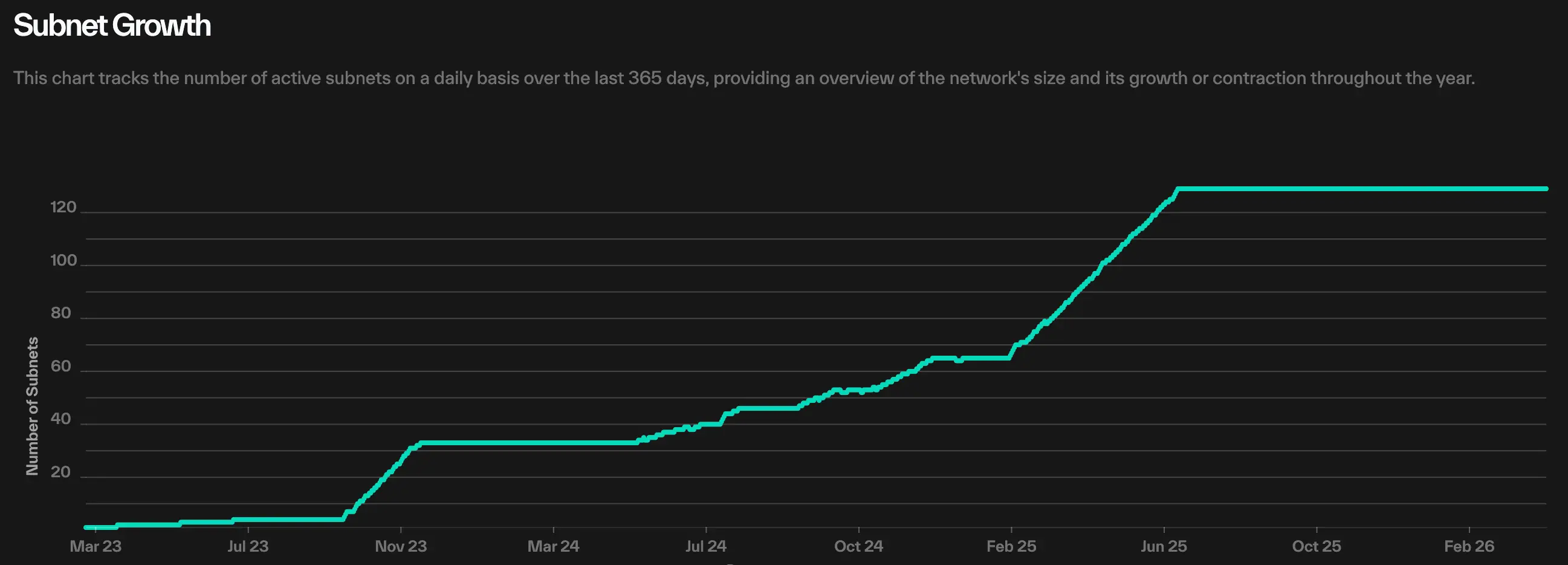
Figure 3. Bittensor subnet growth. Source:https://taostats.io/analytics/subnets
Significant stratification has emerged among different subnets, with market values ranging from tens of thousands to hundreds of millions of dollars. Leading subnets like Chutes have reached a market value of approximately $129 million, followed by Tamplar and Targon, with market values of $98.39 million and $88.33 million, respectively, indicating that funds and resources are concentrating towards a few high-quality subnets. Despite the rapid growth in the number of subnets, projects that can continuously attract funding and incentivize participation remain limited, and the ecosystem is transitioning from "quantity expansion" to "quality selection."
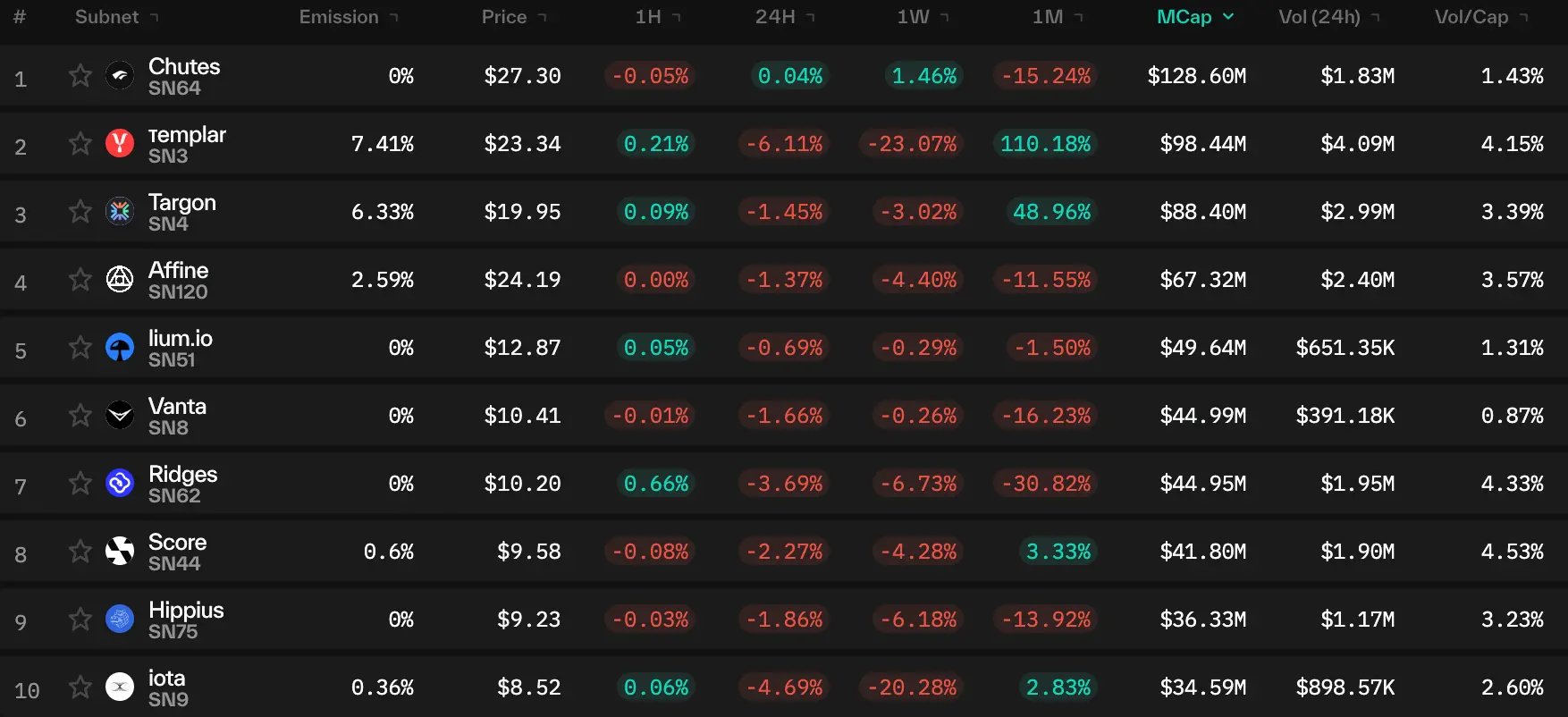
Figure 4. Bittensor subnets. Source:https://taostats.io/subnets
Currently, approximately 7.36 million TAO (equivalent to about $2.36 billion) are staked in the Bittensor ecosystem, while the total circulating supply of TAO is about 10.81 million, resulting in an overall staking rate of approximately 68%. Structurally, about 68.69% of the staked TAO is still concentrated in the mainnet Root layer, while 31.31% has flowed into various subnets (Alpha). Most funds remain in foundational layer configurations or a wait-and-see state, with subnets not yet becoming the core carriers of value; however, the over 30% share also indicates that funds have begun to migrate towards subnets, with the ecosystem transitioning from "mainnet-driven" to "subnet-driven."

Figure 5. Bittensor subnets. Source:https://taostats.io/subnets
Bittensor is currently in a phase of "rapid supply expansion + cautious capital entry." As funds further tilt towards subnets, combined with the reinforcement of head effects, competition and elimination among subnets are expected to intensify significantly, and the ecosystem will gradually move towards a clearer stratification pattern.
6. Market and Competition: Bittensor's Position and Differentiation
In the "AI + Web3" track, which is still in its early stages, different projects are exploring along different paths, with Bittensor representing a paradigm that is closer to underlying infrastructure. Overall, decentralized AI can currently be divided into three main paths: one focuses on computing power and model training networks, emphasizing the construction of open AI infrastructure, to which Bittensor belongs; another is the AI service market, connecting model providers with demanders, such as SingularityNET; and the third is agent networks, emphasizing agent collaboration and task execution, such as Fetch.ai, which leans more towards the application layer. Different paths correspond to different segments of the AI industry chain, determining their differing methods of value capture.
Within this framework, Bittensor's core differentiation lies in its "subnet mechanism" and market-driven incentives. It breaks down different AI tasks into multiple subnets, making each subnet an independent competitive market that trains and evaluates around specific tasks. Resource allocation does not rely on platform matchmaking or fixed rules but is dynamically determined by the flow relationship between TAO and Alpha, driven by market demand. This allows the network to evolve in parallel across multiple segmented directions and achieve adaptive resource allocation through capital flow.
Compared to other paths, Bittensor is closer to an "AI production factor market." It organizes computing power and model supply through subnets and drives resource flow with dynamic incentives and pricing mechanisms, directly linking incentives to demand; while the AI service market leans more towards transaction matchmaking, and agent networks rely on application scenarios. Bittensor is not a single application or platform but attempts to construct a foundational resource allocation system for AI. This positioning brings certain advantages: market-driven incentives help concentrate resources towards high-demand subnets, improving allocation efficiency; the subnet structure has good scalability, accommodating diverse AI tasks; at the same time, the dual structure of TAO and Alpha forms a clearer path for value recirculation.
From a market space perspective, decentralized AI is still in its early stages, with growth relying on the overall expansion of the AI industry. As the demand for computing power, models, and data continues to grow, and the cost and fairness issues arising from resource concentration intensify, the market's demand for open infrastructure is gradually being released. In this trend, decentralized networks have the opportunity to move from the margins to a more core position. Overall, Bittensor is situated in an undeveloped infrastructure track. Its long-term competitiveness does not lie in short-term application scale but in whether it can continuously attract computing power, models, and demand-side resources through subnet mechanisms and market-driven incentives, establishing a stable value distribution system.
7. Risk Assessment and Challenges
Technical Risks
In Bittensor's subnet architecture, technical risks primarily manifest in the uneven quality of subnets. Since different subnets are built by independent teams, there are significant differences in model capabilities, task designs, and data quality. The current reliance on validators' scoring evaluation mechanisms may still lead to evaluation biases or exploitation through strategic gaming, affecting the fairness and efficiency of incentive distribution. Additionally, the overall system involves a multi-layer coupling mechanism of "model training, validation assessment, and incentive distribution," which presents high technical implementation complexity and demands high requirements for computing power, data, and engineering capabilities, thereby somewhat limiting the scale expansion of quality participants.
Economic and Token Risks
From an economic model perspective, while the TAO Emission mechanism can continuously incentivize network operation, its long-term sustainability still relies on the support of real demand. If subnets fail to generate stable actual value and rely solely on token incentives, it may lead to inflationary pressures and "incentive churn" issues. At the same time, market fluctuations in token prices can have amplifying effects on the ecosystem: when prices rise, it may attract excessive speculation and low-quality participation; conversely, when prices decline, it may weaken the participation enthusiasm of miners and validators, causing loss of computing power and resources, creating asymmetry between incentives and actual contributions.
Community and Governance Risks
In terms of governance, Bittensor relies on weight distribution based on holdings and participation levels, but this may also lead to imbalances in governance participation, where a few large Stake holders exert greater influence over key decisions, thereby weakening the degree of decentralization. Furthermore, key decisions such as subnet parameter adjustments and incentive mechanism optimizations, if lacking sufficient consensus or transparent processes, may have long-term impacts on ecosystem health, such as overly favoring short-term gains or leading subnets, thus suppressing innovation and the development space for new entrants.
Regulatory and Legal Risks
From a regulatory perspective, the combination of AI and blockchain is still in a policy gray area, with significant differences in regulatory attitudes towards data usage, algorithmic responsibility, and crypto assets across different countries. Decentralized AI networks may face compliance challenges in terms of cross-border data flow, model output responsibility, and token incentive mechanisms. If major markets tighten regulations in the future, such as imposing stricter requirements on computing power, data, or token transactions, it may directly impact the operational models of ecosystem participants and even limit the development space for certain subnets or application scenarios.
8. Development Roadmap and Future Outlook
Version and Protocol Upgrade Path: From Incentive Network to "AI Production Infrastructure"
From a development path perspective, Bittensor is undergoing a key transition from a foundational network to a subnet economy. The introduction of dTAO (Dynamic TAO distribution mechanism) has transformed the original static rule-based reward distribution into a market-driven competitive system determined by subnet performance and capital flow, significantly enhancing resource allocation efficiency. At the same time, the halving event completed in December 2025 reduced the daily output of TAO from 7,200 to 3,600, officially entering a long-term contraction cycle and reinforcing its scarcity foundation. Moving forward, the evolution direction of the protocol will no longer solely revolve around "incentive distribution," but will gradually shift towards "production efficiency." Specifically, the network is expected to continuously optimize across three dimensions: first, refining the evaluation mechanism to enhance the judgment capability of subnet output quality; second, strengthening resistance to gaming behaviors, reducing interference from score inflation and arbitrage; and third, managing the lifecycle of subnets, including more comprehensive registration, competition, and elimination mechanisms. The common goal of these upgrades is to drive Bittensor from an "incentive-driven network" to an infrastructure layer capable of continuously producing effective AI capabilities.
Ecological Development: From "Subnet Expansion" to "Real Demand Driven"
At the ecological level, Bittensor has currently formed approximately 129 active subnets, and the overall ecosystem remains in a rapid expansion phase. Different subnets are unfolding around segmented AI tasks, gradually constructing a diversified capability market. The core characteristic of this phase is exploring possibilities in different directions by continuously increasing the number of subnets, essentially resembling "parallel experiments." However, a more critical change is that the ecosystem is transitioning from "internal incentive cycles" to "external demand-driven." The growth of early subnets relied more on token incentives to attract participants; in the future, the sustainability of subnets will depend more on whether they can accommodate real AI usage demands, such as providing usable model capabilities for developers, enterprises, or applications. This means that competition among subnets will shift from "who receives more incentives" to "who can provide more valuable services." If this transition can be successfully completed, Bittensor's subnet system will no longer just be an experimental field but has the opportunity to evolve into a real-world AI capability supply network.
Institutional Capital Entry is Becoming a Potential Variable
In terms of funding, an important potential variable is the gradual entry of institutional capital. Grayscale Investments' launch of the TAO trust product provides traditional capital with a compliant entry point to participate in Bittensor; at the same time, the potential applications and transformation expectations surrounding ETFs are continuously reinforcing the market's recognition of its asset attributes. The significance of this change lies not only in "increased capital scale" but also in the transformation of capital structure: transitioning from primarily crypto-native funds to a multi-layer structure that includes long-term allocation funds. Such funds typically focus more on long-term scarcity and asset positioning rather than short-term volatility. When "subnet expansion" resonates with "institutional capital entry," Bittensor's growth logic will upgrade from a single ecological expansion to a dual-driven model of "technological evolution + capital deepening."
Investment Logic and Long-term Value: Will Bittensor Become "Bitcoin of the AI Era"?
From a more macro perspective, Bittensor's long-term imaginative space is gradually shifting from an "AI conceptual project" to a more concrete proposition: is it possible for it to become the "Bitcoin of the AI era"? This analogy is not merely a narrative comparison but is based on the structural similarities between the two: on one hand, TAO forms long-term supply constraints through the halving mechanism, possessing a foundation of scarcity similar to Bitcoin; on the other hand, Bittensor is not merely a store of value but attempts to carry the core resource flow of "computing power, models, and evaluation" in the AI production process, which is fundamentally closer to a "production factor network" rather than a single asset.
This also determines the differences in their value capture logic: Bittensor's long-term value depends not only on supply contraction and capital inflow but also on whether it can form a self-reinforcing positive cycle: "high-quality subnets generate value - attract more TAO inflow - receive more incentives - continuously optimize capabilities." If this cycle can be established, its network value will be strongly bound to the growth of AI demand. From the current stage, the warming AI narrative, supply contraction brought about by halving, and potential institutional capital inflow together constitute a structural support of "supply constraints + demand expansion." However, in the medium to long term, prices will ultimately return to fundamentals: whether subnets can continuously produce real value and occupy a place in the AI industry chain.
Therefore, the future of Bittensor is not just a price issue but a more fundamental judgment: can it evolve from a narrative and incentive-driven network into a true infrastructure of the AI era? If the answer is affirmative, then its upper limit will no longer be confined to the crypto market but may enter a broader AI economic system; conversely, if real demand cannot be established, its growth logic will face repricing.
References
Bittensor documentation:https://docs.learnbittensor.org
Bittensor: A Peer-to-Peer Intelligence Market:https://bittensor.com/whitepaper
Taostats:https://taostats.io/subnets
Global AI Market Outlook 2025-2030: Growth, Vendors & Regional Dynamics, 2030 Forecast:https://arensic.international/global-ai-market-outlook-2025-2030-growth-vendors-regional-dynamics-2030-forecast
Artificial Intelligence (AI) Infrastructure Market Size 2026-2030:https://www.technavio.com/report/ai-infrastructure-market-industry-analysis
TAO Emission: https://docs.learnbittensor.org/learn/emissions
 Risk warning
Popular articles