Daily Observation of Cryptocurrency Concept Stocks: Wall Street Factions Diverge, Goldman Sachs CEO Switches Sides to Support the Clarity Act, Striking at the Banking Industry's Defense Line

 Released on July 24, 2026. On the eve of the U.S. Congress's full vote on the Clarity Act (Digital Asset Clarity Act), a profound division occurred at the highest levels of Wall Street. Goldman Sachs Chairman and CEO David Solomon publicly stated that he "strongly supports" the bill, breaking the traditional banking industry's opposition led by JPMorgan, and providing strong momentum from top investment banks for the final push towards crypto compliance legislation.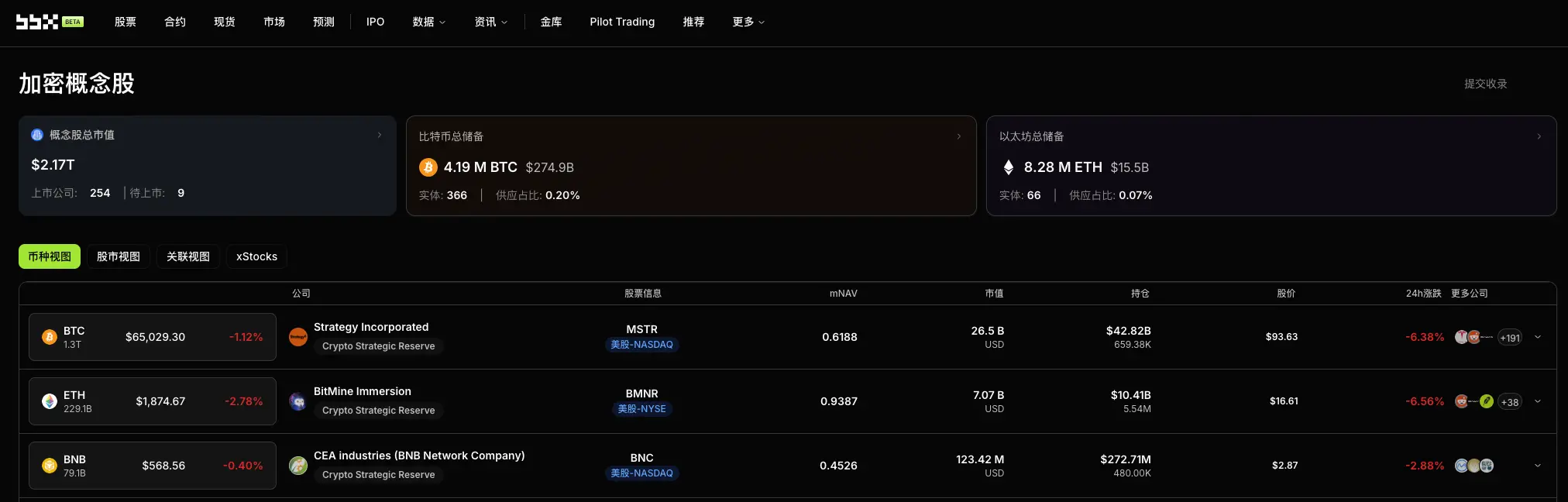
Wall Street Giants Diverge: Goldman Sachs' Solomon Stands Firm in Support of the Clarity Act
As Republican senators in the United States begin to distribute the latest text of the Clarity Act and plan to advance a full Senate vote next week, Wall Street investment banking giant Goldman Sachs has made a statement that has caught the market's attention.
Goldman Sachs Chairman and CEO David Solomon clearly stated in a recent public interview that although the bill is not perfect, its core value lies in "creating a fair competitive environment to enhance market stability and allow these digital asset markets to develop appropriately." Solomon emphasized that he is "very supportive" of advancing the bill. This statement not only represents Goldman Sachs' optimism about the compliance of digital assets but also directly tears apart the traditional financial sector's opposition alliance on cryptocurrency regulation.
Interests at Stake: Stablecoin Yield Provisions Trigger Extreme Panic Among Traditional Commercial Banks
Solomon's stance sharply contrasts with that of JPMorgan Chase CEO Jamie Dimon and traditional commercial banking groups.
Previously, the banking front led by JPMorgan Chase, along with groups such as the American Bankers Association (ABA) and the Bank Policy Institute, launched a strong protest, arguing that the provision in the Clarity Act allowing crypto companies to pay users "yield rewards" on stablecoins effectively bypasses traditional banks' capital and liquidity regulatory requirements. Commercial banks warned that this unfair competitive advantage would lead to a significant outflow of traditional deposits from community banks, thereby severely threatening "the local credit that supports the U.S. real economy."
Political Tug-of-War: Bipartisan Maneuvering Before Next Week's Full Vote
In addition to the resistance from traditional banks, the bill is also facing subtle political tug-of-war within Congress.
In the latest revised text, the bill added ethical and moral provisions prohibiting federal officials from issuing their own tokens. However, Democratic senators are not convinced, arguing that the new text's concessions on regulatory penetration and consumer protection are still insufficient, and they expect to continue pushing for substantial amendments before next week's full vote. Despite significant political resistance, the public defection of leaders like Solomon from investment banks undoubtedly provides a weighty endorsement for the bill among moderate members of both parties.
The Break Between Old and New Orders on Wall Street Under Institutional Dividends
In summary of Wall Street dynamics in late July, the advancement of the Clarity Act has evolved into a conflict of interests between traditional deposit-taking commercial banks (like JPMorgan Chase) and capital market-oriented investment banks (like Goldman Sachs). For Goldman Sachs, a clearly regulated digital asset market with defined compliance pathways will open up trillion-dollar incremental space for its institutional custody, tokenized securities (RWA), and derivatives trading businesses. As the full Senate vote approaches next week, this Wall Street shadow war concerning the legal status of global crypto assets is about to reach a historic conclusion.
Source: https://bbx.com/ Crypto Concept Stock Information Database, compiled based on global public company announcements and SEC/TSE disclosure documents from last weekend.
 Risk warning



Popular articles