MarsCoin ignites BNB Chain: Is meme coin entering the RWA era?
 Core Viewpoint

 In the future, the competition for meme coins may no longer just be about vying for attention, but rather about how to convert that attention into real asset value.
Author: Gu Yu, ChainCatcher
In the early morning of August 5, the BSC ecosystem Meme coin MarsCoin experienced a rapid surge half an hour before the release of SpaceX's financial report, with its market capitalization soaring to $70.53 million, setting a new historical high. Data shows that MarsCoin's price increased by approximately 110% in the past 24 hours, with a trading volume of about $25.1 million.
Just a week earlier, on July 30, MarsCoin had just entered Binance Alpha, and after the announcement, its price surged over 525% in a short period. Since its issuance on July 27, MarsCoin has accumulated a price increase of over 100 times, becoming one of the highest-gaining tokens in the recent Meme market and one of the most watched projects in the BNB Chain ecosystem.
However, the explosion of MarsCoin is not purely driven by Meme sentiment. Unlike past Meme coins that gained popularity through animal imagery, community culture, and viral spread, MarsCoin attempts to combine BSC Meme culture with tokenized real-world assets (RWA) in the bStocks ecosystem, connecting SpaceX's tokenized stock SPCXB through a holding reward mechanism.
At the same time, the rise of MarsCoin also occurs during Binance's phase of re-establishing its presence in the Meme market. Over the past year, the Solana Meme ecosystem has rapidly expanded with platforms like Pump.fun, leading to a decline in BNB Chain's influence in the Meme space; meanwhile, the wealth effect of new coins launched by Binance has gradually weakened, and market expectations for creating hotspots and wealth effects have diminished.
Therefore, for Binance, MarsCoin may not just be an ordinary Meme project, but an attempt to re-engage in the competition for Meme narratives, vying for market attention and on-chain asset pricing power.
I. The Rise of MarsCoin: From Musk's Prophecy to RWA+Meme New Narrative
The name MarsCoin itself has strong market dissemination attributes.
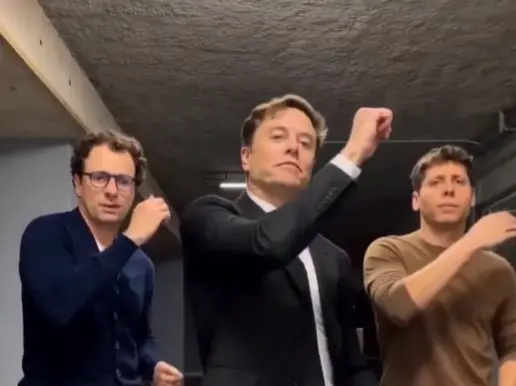
The project is issued by Flap, and its name comes from a public interaction between Musk and Binance founder CZ in 2021. At that time, CZ stated on social media, "It seems we will have a MarsCoin; this is inevitable in the long run." Musk then responded that MarsCoin would definitely appear in the future.
However, there have historically been multiple projects with the same or similar names. The reason MarsCoin can quickly stand out is not just because of its name but because it combines Musk's ecological narrative with the current market's hottest RWA direction.
When MarsCoin launched on Flap, it directly established a connection with SPCXB in the bStocks ecosystem and operated in the form of a "MARS/SPCXB" trading pair, giving it dual attributes of Meme and RWA from its inception.
The biggest feature of MarsCoin is its attempt to give Meme coins the logic of traditional asset returns.
Its core mechanism can be summarized as:
Hold MarsCoin to earn SPCXB rewards.
SPCXB is the tokenized stock asset of SpaceX in the bStocks ecosystem, providing users with exposure to SpaceX-related assets through on-chain tokens. According to the project, SPCXB is held by a regulated custodian that owns the corresponding underlying shares and provides asset support through a reserve proof mechanism.
MarsCoin establishes a trading pool with SPCXB through PancakeSwap V2, with current liquidity of about $944,000, including approximately 8.1 million MarsCoins and 4,040 SPCXBs.
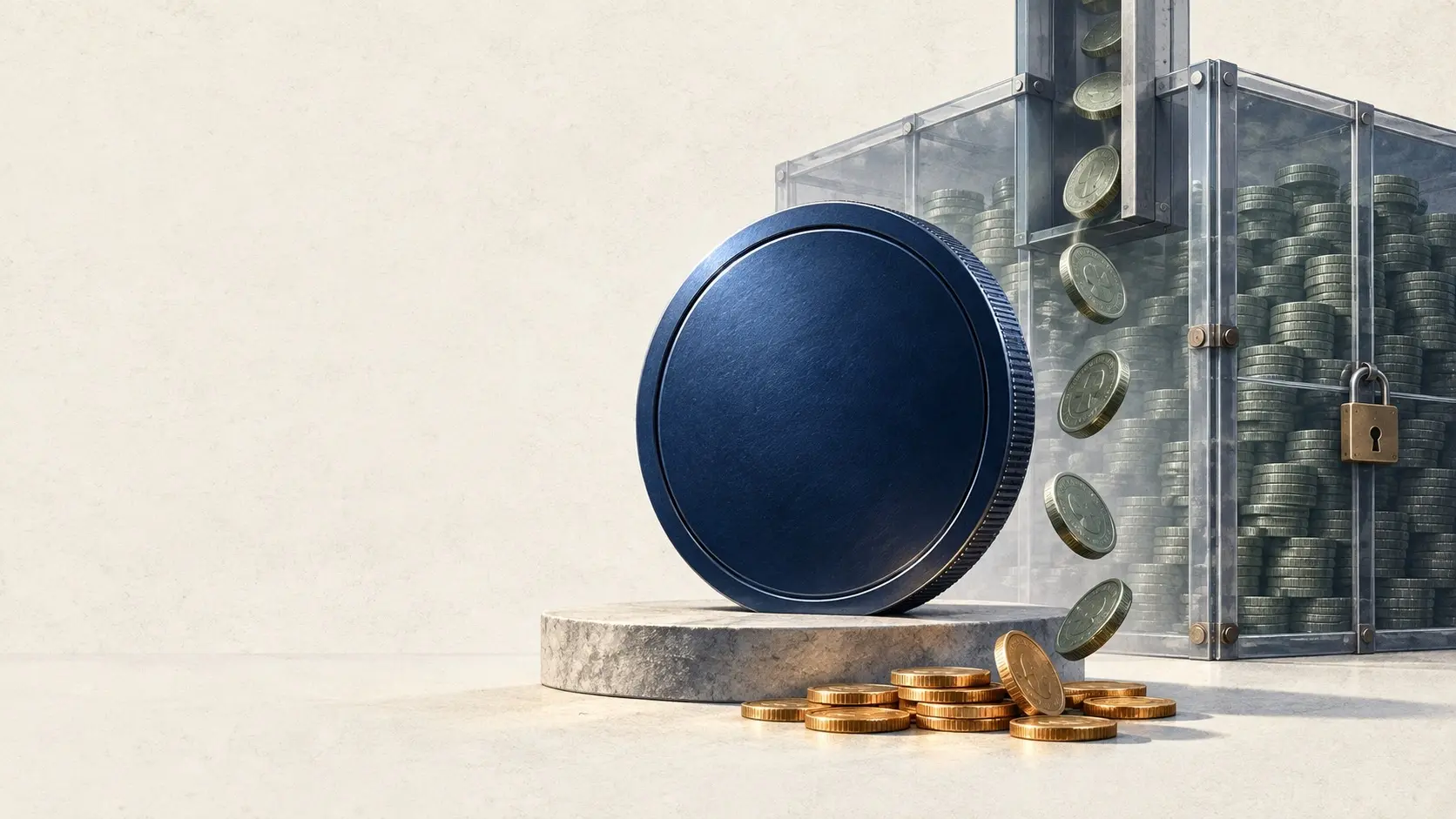
In terms of trading mechanism, users need to pay a 3% transaction tax when buying or selling MarsCoin, and this portion of funds will enter the project treasury and be automatically converted into SPCXB, which will then be distributed to eligible holders according to the rules.
This means that holders of MarsCoin are not only betting on a Meme concept but are also indirectly gaining exposure to the tokenized assets of SpaceX, the world's most watched unlisted tech company.
Thus, MarsCoin layers three levels of market narrative: the outer layer is the cultural dissemination effect brought by Mars, Musk, and SpaceX; the middle layer is the value capture mechanism of "holding equals rewards"; and the inner layer is the trend of RWA asset tokenization.
II. Why Binance Promotes MarsCoin: From Alpha Launch to Meme Market Competition
The explosion of MarsCoin is closely related to the support from the Binance ecosystem.
On July 30, MarsCoin entered Binance Alpha, marking the return of Meme-type projects to Binance Alpha after more than four months. After the announcement, MarsCoin's price quickly rose, attracting a large number of traders' attention.
On the same day, CZ expressed support for Meme coins on the X platform and mentioned that he might buy or sell one or two Meme coins in the coming weeks to test new content directions. Although CZ did not directly name MarsCoin, the occurrence of both events on the same day further reinforced market expectations that Binance is refocusing on the Meme track.
Subsequently, Binance's support for MarsCoin further increased.
On August 1, Binance Wallet launched a "stock Meme" section, showcasing related tokens from the BNB Chain and Robinhood Chain. MarsCoin became one of the most watched projects in this section and the only token among several stock Meme projects to enter Binance Alpha.
On August 4, Binance Alpha announced the reward distribution rules for MarsCoin. For Binance Wallet users, SPCXB rewards are automatically distributed to on-chain addresses by Flap; for centralized exchange users, they need to maintain an average monthly holding of at least 10,000 MarsCoins, and rewards will be distributed in SPCXB form to their spot accounts at the beginning of the following month.
In the early morning of August 5, Aster launched MarsCoin perpetual contracts. On the same day, Binance launched ten bStocks tokenized stock trading pairs, including Netflix and BitMine, further expanding the trading layout of RWA assets.
From these actions, it can be seen that MarsCoin is not just an early project in Binance Alpha but is becoming an important case for Binance to promote the narrative of the fusion of Meme and RWA.
III. Binance's Ambition Behind MarsCoin: Regaining Discourse Power in the Meme Market
From a broader perspective, the emergence of MarsCoin reflects Binance's current strategic needs in the competition of the Meme market.
In recent years, Meme coins have gradually become one of the most important traffic entry points in the crypto market, but the way market hotspots are created is changing. Especially in the Solana ecosystem, on-chain platforms like Pump.fun have lowered the issuance threshold for Meme coins, allowing many projects to directly complete the issuance, dissemination, and trading loop, with market attention increasingly driven by on-chain communities rather than traditional trading platforms.
This poses a new challenge for Binance.
In the past, Binance, with the largest trading liquidity and user base globally, could often create market attention through new coin listings. However, as more and more projects complete price discovery on-chain in advance, the wealth effect of "Binance listing means soaring" has significantly declined.
The Meme market is precisely one of the most user-attractive tracks currently.
Therefore, Binance's support for MarsCoin is essentially an attempt to re-engage in the narrative creation process of Meme, reconnecting the trading platform to the early stages of hotspot formation through Alpha, wallet entry, and RWA ecosystem layout.
The uniqueness of MarsCoin lies in its combination of the BNB Chain Meme ecosystem, the global-level IP of SpaceX, and the trend of RWA asset tokenization. If this model can continue to develop, more "Meme+asset returns" new projects may emerge in the future.
Of course, whether MarsCoin can become a long-term asset still depends on several key factors, including whether the SPCXB reward mechanism can be sustained, whether user demand comes from long-term value rather than short-term speculation, and whether issues related to RWA assets in terms of regulation and liquidity can be resolved.
If successful, MarsCoin could become a template for the next phase of Meme asset innovation; if it fails, it may just be another brief market experiment under the RWA boom.
But regardless of the final outcome, MarsCoin has already demonstrated a clear trend:
In the future, the competition among Meme coins may no longer just be about capturing attention but about how to convert that attention into real asset value.
For Binance, the significance behind this experiment may be even more direct—regaining discourse power in the Meme market in an era where on-chain hotspots are becoming increasingly decentralized also means regaining the entry point of traffic in the crypto market.
 Risk warning
Popular articles