Daily Observation of Cryptocurrency Concept Stocks: Putin Signs the "Digital Currency and Digital Rights Law," Russia Establishes a Legal Framework for Cryptocurrency Trading, Retail Investors Have an Annual Purchase Limit of Only $3,700

 Released on August 6, 2026. Russian President Putin officially signed the "Digital Currency and Digital Rights Law," with core provisions set to take effect on September 1, 2026. This law establishes a comprehensive operational framework for cryptocurrency exchanges, digital asset treasuries, and market participants for the first time, clarifying the classification and access standards for qualified investors and retail investors. Retail investors have an annual purchase limit of 300,000 rubles (approximately $3,700) through a single intermediary, but the law simultaneously retains the ban on using cryptocurrencies for domestic payments, marking a key step for Russia on the regulatory path of "combining control and facilitation."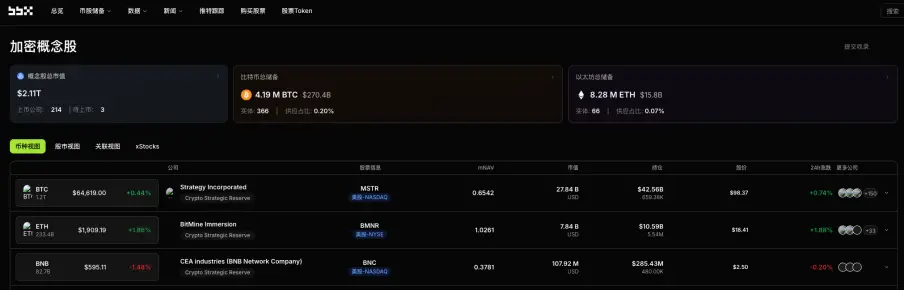
Legal Framework Implementation: Licensed Operation for Exchanges, One-Year Transition Period
After multiple rounds of review, the "Digital Currency and Digital Rights Law" has been finalized, establishing a foundational legal framework for the Russian crypto market.
According to the provisions of the bill, only entities registered with a specialized registration body are allowed to engage in digital currency trading activities. To provide the market with sufficient compliance buffer, the bill includes a transition period clause: before July 1, 2027, relevant entities can operate without completing formal registration. In addition, the law specifies the minimum capital threshold for exchanges—such licensed entities must have a minimum capital requirement of 15 million rubles (approximately $187,000).
Investor Tiered Management: Retail Investors Annual Purchase Limit of $3,700, Trading Records Can Be Exchanged for Qualified Status
The bill implements a strict tiered protection system for investors, with retail investors facing significant investment limits.
Retail (non-qualified) investors are only allowed to purchase the most liquid cryptocurrencies through licensed intermediaries, with each investor having an annual purchase limit of 300,000 rubles (approximately $3,700) at a single intermediary. In contrast, qualified investors are not subject to currency and amount restrictions, but both types of investors must pass a specialized qualification test. Notably, the bill introduces a dynamic access channel—individuals can obtain qualified investor status based on their actual trading records in the cryptocurrency market, providing a pathway for active traders to upgrade their status.
Payment Ban Remains: Digital Currency Limited to Investment, Cannot Be Used as "Money"
While opening investment channels, Russian legislators have clearly defined the boundaries for the use of digital currency.
The law retains a core prohibition: it is strictly forbidden to use digital currency and digital rights as a means of payment or legal tender within Russia. This means that cryptocurrencies are still positioned as investment assets rather than currency substitutes within the Russian legal system, and the ruble's status as legal tender remains unshaken. This arrangement is consistent with the long-standing anti-crypto payment stance of the Russian central bank, reflecting the regulatory mindset of preventing systemic financial risks.
From Gray Area to Institutionalization: Russian Crypto Market is About to Enter the "Licensed Era"
Overall, the "Digital Currency and Digital Rights Law" signed by Putin ends the long-standing gray area of the Russian crypto market lacking higher-level laws. By establishing three core principles—licensed operation, tiered investor classification, and payment prohibition—Russia is taking a middle path that is neither fully open nor absolutely prohibited. For exchanges and digital asset treasury, the countdown to the transition period has begun; whether they can complete compliance arrangements before mid-2027 will determine who can gain entry into this important geopolitical market.
Data Source: ++https://bbx.com/++ Crypto Concept Stock Information Database, compiled based on global public company announcements and SEC/TSE disclosure documents from last weekend.
 Risk warning



Popular articles