Before the non-farm payroll and the US-Iran agreement are finalized, the market is cautious. Storage chip stocks lead the decline in US stocks, with Western Digital down 13%, and crude oil strengthening
 Core Viewpoint

 The Dow halted its five-day winning streak, bidding farewell to record highs, while the S&P and Nasdaq fell for two consecutive days; the chip index rebounded by 0.3%, AMD rose by 1.5%, and SanDisk fell nearly 7%. After earnings, AppLovin dropped nearly 20%. SpaceX rose over 6% on the day of the lock-up expiration. The yield on the 10-year U.S. Treasury rose by more than 6 basis points. The offshore yuan briefly rose above 6.75, approaching a three-year high, before turning to decline. Brent crude oil rose by more than 5% during the session; gold rose by over 1% before turning to decline; copper halted its three-day winning streak.
Author: Bao Yilong, Zhang Yaqi, Li Jia
Geopolitical risks have reignited, causing a sharp rise in oil prices and renewed inflationary pressures. U.S. stocks faced downward pressure and closed lower, with market focus shifting to Friday's non-farm payroll report.
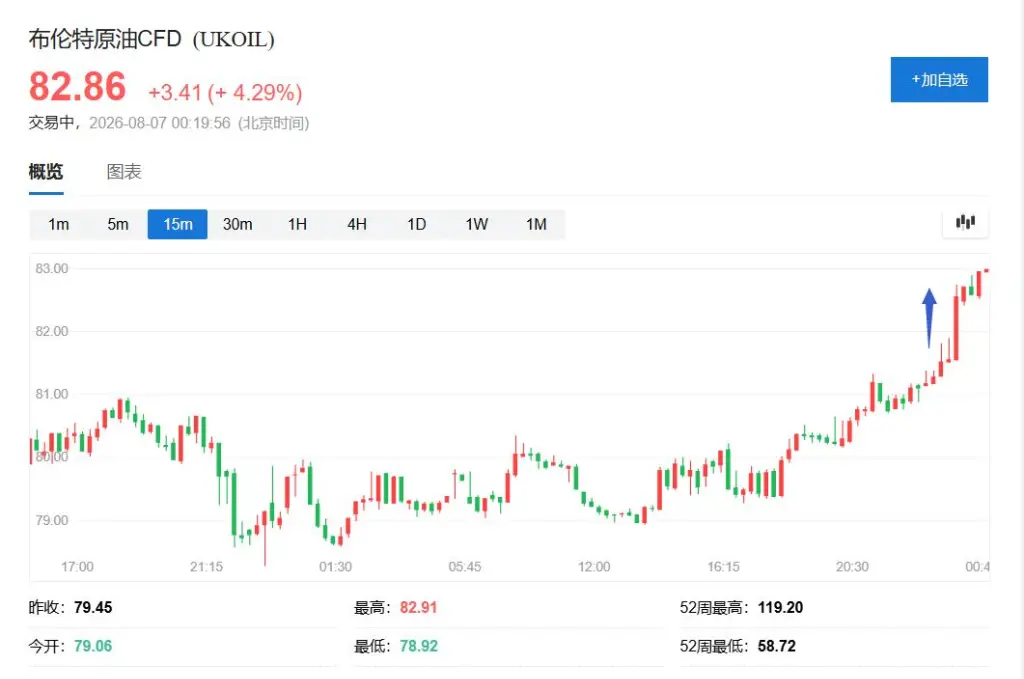
Iranian state media disclosed a draft management plan for the Strait of Hormuz, which is stricter than market expectations. Brent crude oil rose to $83 per barrel during trading, breaking the previous downward trend formed by optimistic expectations surrounding U.S.-Iran negotiations.
The rise in oil prices has reignited inflation concerns, leading to increased expectations for a rate hike by the Federal Reserve this year. U.S. Treasury yields rose across the board, the dollar strengthened, and all three major U.S. stock indices closed lower.
The S&P 500 index fell for the second consecutive trading day, with the Dow Jones Industrial Average leading the decline, dropping over 0.8%. Storage chip stocks SanDisk and Western Digital plummeted due to disappointing earnings outlooks, becoming one of the largest weights dragging down the index.
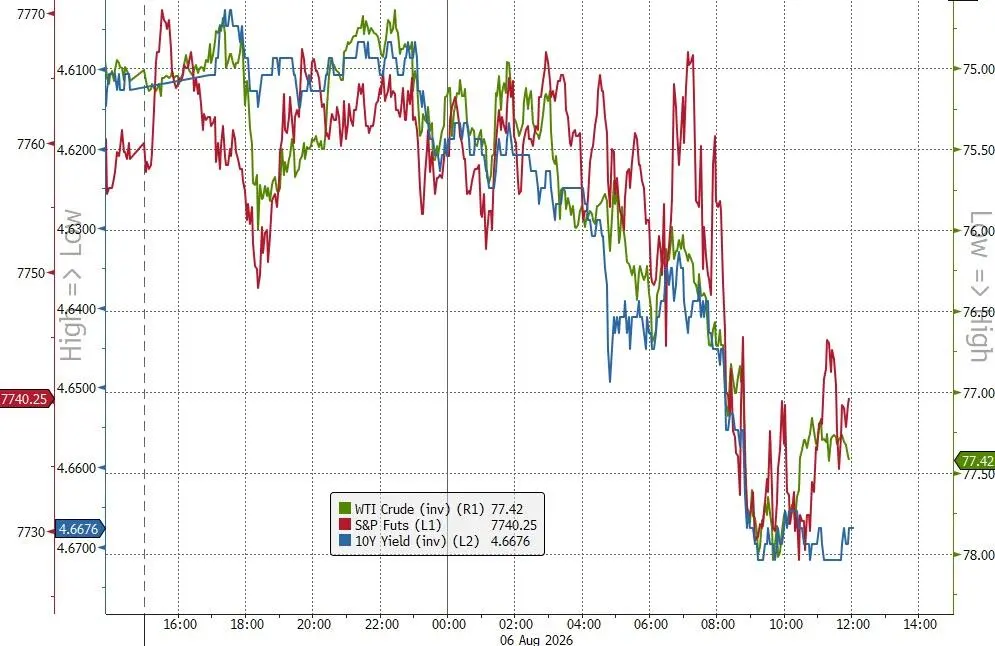
Meanwhile, Google issued $25 billion in corporate bonds, adding significant new supply that created additional pressure on the U.S. Treasury market, with the yield on 10-year U.S. Treasuries rising by 5 basis points to 4.66%.
Iran's Draft Exceeds Expectations for Toughness, Reassessing Risks in the Strait of Hormuz
Wall Street Journal mentioned that new details have emerged regarding the new navigation agreement between Iran and Oman for the Strait of Hormuz, indicating Iran's intention to maintain control over the strait. Furthermore, Iran has taken action to strike "enemy targets" near the strait.
Iran's FARS news agency reported on Thursday, local time, that the Iranian parliament is reviewing this agreement. According to the agreement, U.S. and Israeli vessels will be prohibited from passing through the Strait of Hormuz, and countries that have "caused harm to Iran" will also be denied navigation permits.
Following this news, market concerns about global energy transportation risks rapidly intensified. In the early trading session on Thursday, international crude oil futures saw significant gains, with U.S. WTI crude briefly rising above $78 per barrel, up nearly 4% for the day; Brent crude approached $83 per barrel, gaining over 4% for the day.
At the same time, FARS reported that the Iranian navy has struck "hostile targets" at the entrance of the strait. According to CCTV News, around 21:40 local time on the 6th, two explosions were heard from Iran's Qeshm Island.
Iran stated that the explosions were caused by strikes on enemy targets near the entrance of the Strait of Hormuz, and the results of this operation will be announced to the public in the coming hours. This news has shifted market perceptions of the risks in the strait from "agreement in sight" to "uncertain prospects."
After the news of Iran striking enemy targets, international crude oil further rose, hitting a new daily high, with Brent crude nearing $83.50, up nearly 5.1% from Wednesday's close, reclaiming above the 50-day moving average. U.S. oil rose above $78.30, up over 4.1% from Wednesday's close.
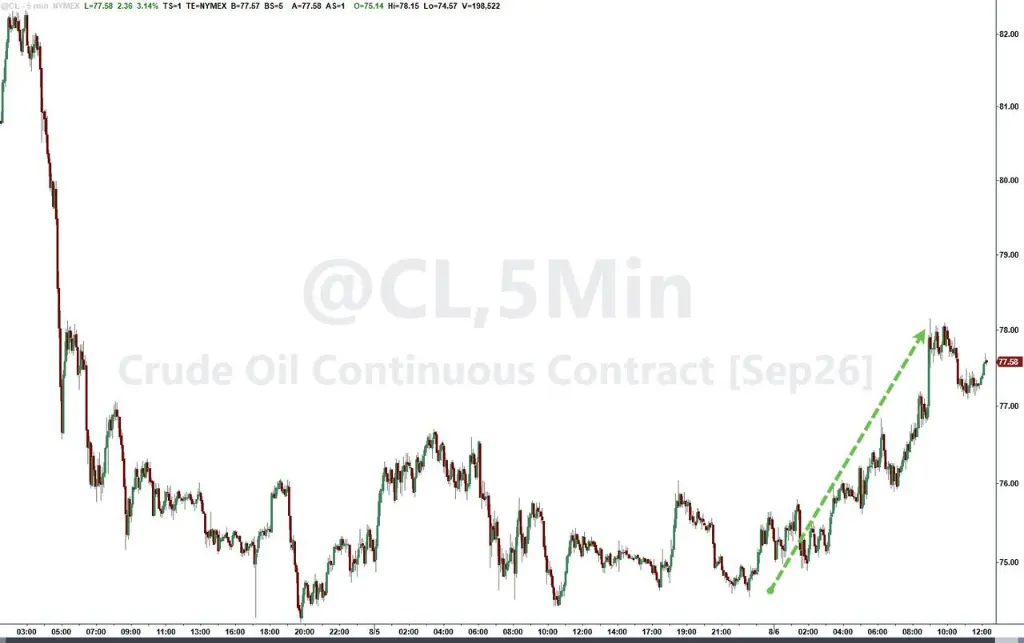
According to Goldman Sachs' energy research team, Brent crude oil around $80 per barrel is considered a reasonable fair value range, and they expect oil prices to remain between $80 and $90 per barrel until a new U.S.-Iran agreement is confirmed or the situation escalates significantly.
U.S. Stocks Close Lower for Two Consecutive Days
All three major U.S. stock indices closed slightly lower, with the S&P 500 down 0.18%, the Nasdaq down 0.06%, and the Dow down 0.83%.
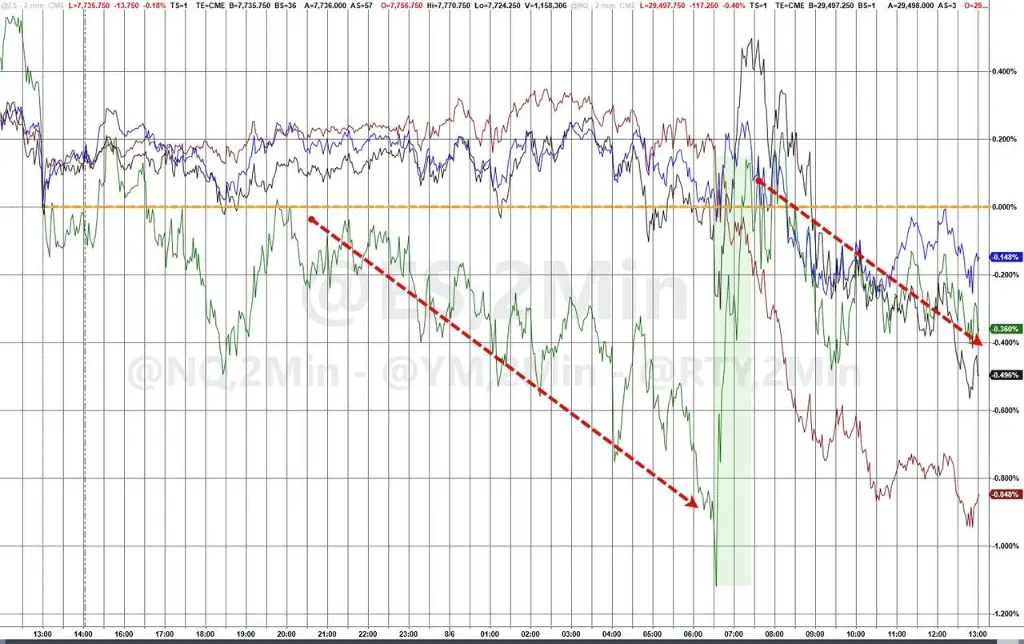
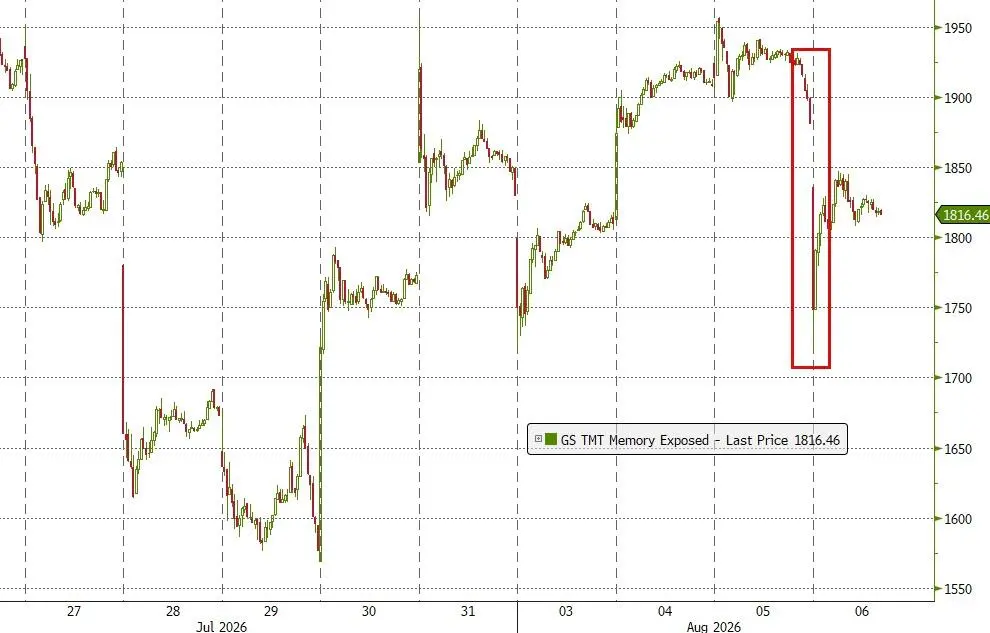
In addition to macro pressures, downward adjustments in micro-level earnings expectations further dampened sentiment. SanDisk and Western Digital both suffered significant declines due to disappointing earnings guidance, leading to a sharp drop in storage chip stocks. Western Digital fell over 13%, SanDisk dropped 6.8%, and SK Hynix fell about 5%.
The marketing platform AppLovin plummeted due to quarterly revenue falling short of Wall Street expectations, while cloud security company Datadog also fell sharply by 19% after a slowdown in expected revenue growth for the third quarter.
However, looking at the overall earnings season, among the 382 companies in the S&P 500 that have reported, 84.8% exceeded analyst expectations, significantly higher than the historical average of 68% since 1994.
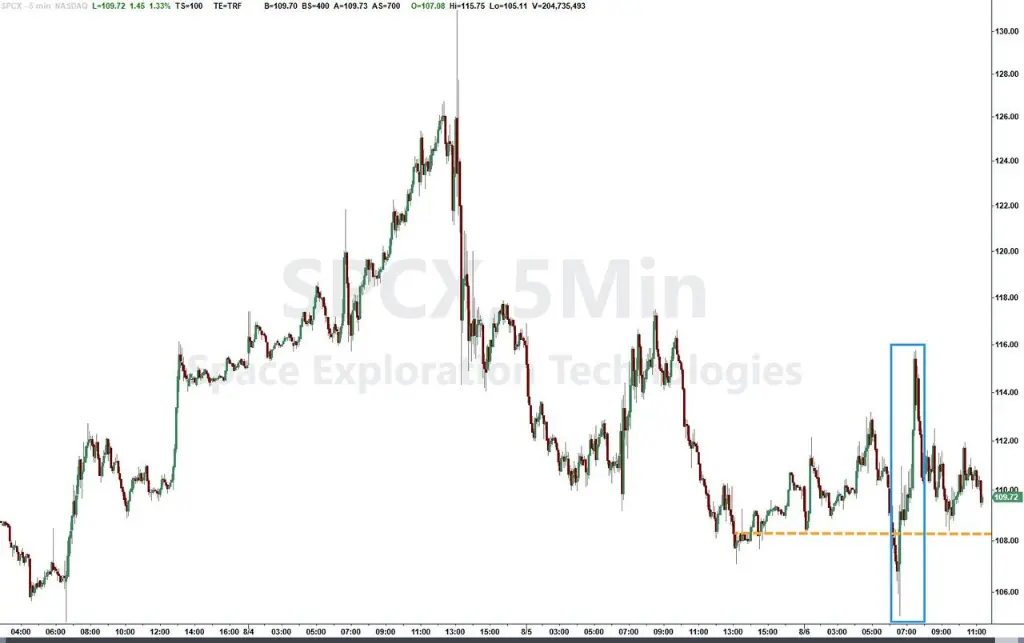
In a highly watched case, SpaceX erased its early losses and closed higher after its lock-up period expired. Wall Street Journal mentioned that SpaceX's first batch of 911.5 million restricted shares was unlocked, and the stock price rose by 6.14% on that day, with a trading volume of 250 million shares, marking a new high in a month and a half.
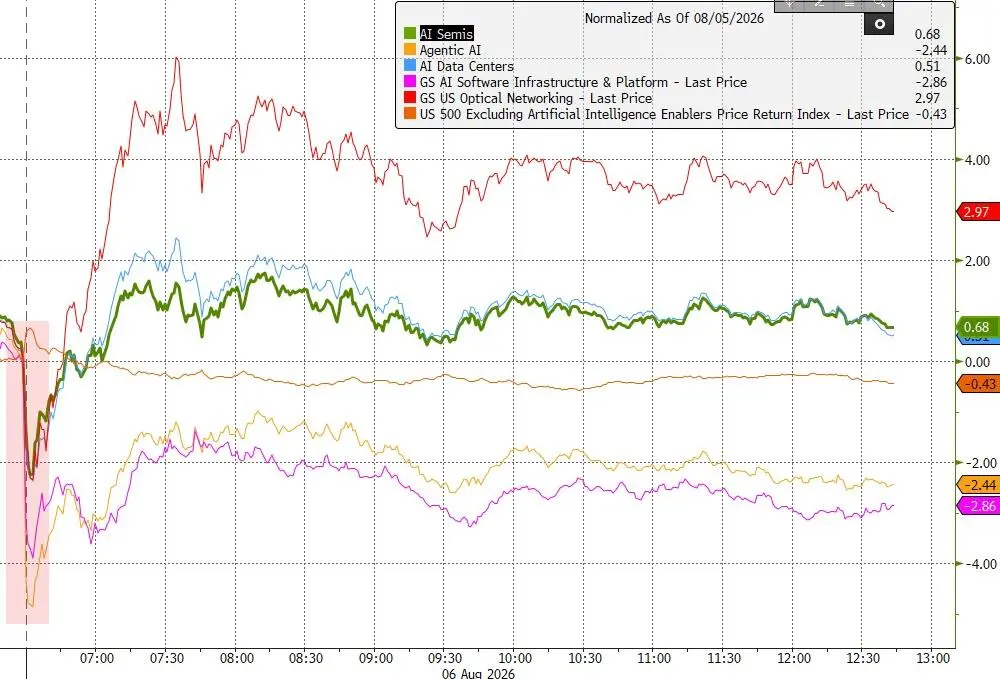
Stocks of leading artificial intelligence companies showed mixed performance, with the S&P excluding the AI index declining that day.
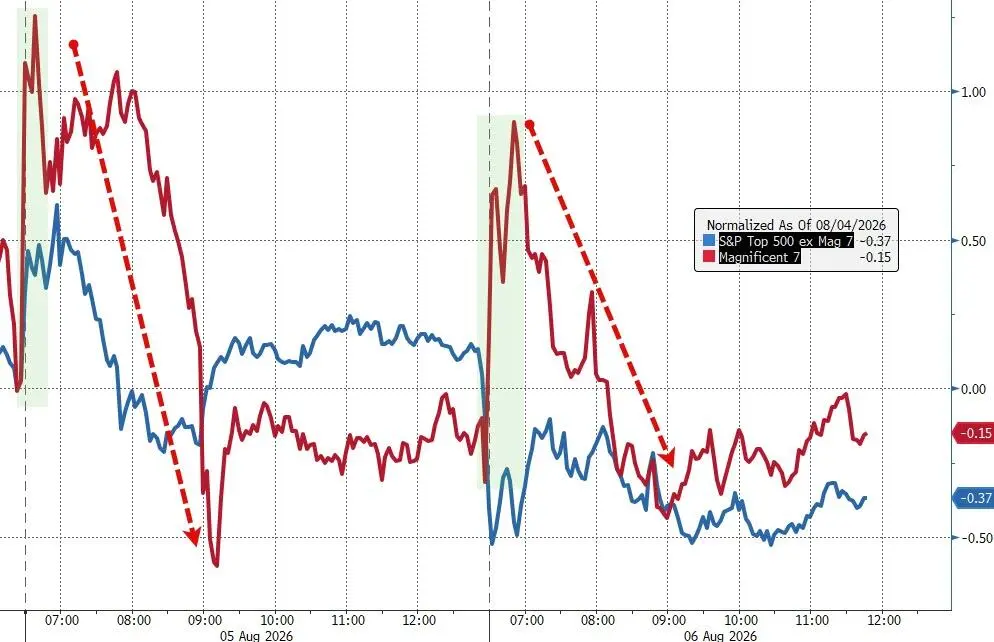
The narrow leadership of the seven tech giants masked a broader weakness in the market today.
Notably, there was a clear divergence in market turnover behavior during the session: hedge funds turned to buy tech stocks, while long-term funds significantly reduced their positions in the information technology and healthcare sectors.
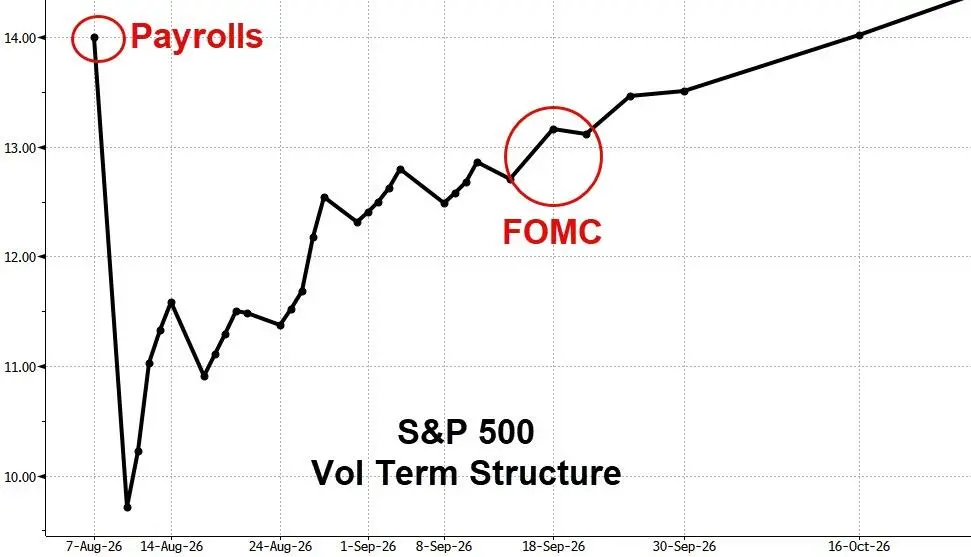
Goldman Sachs trading desk data showed that overall activity was only 4 out of 10, with total trading volume 12% lower than the 5-day moving average, indicating that the market chose to wait and see ahead of tomorrow's non-farm payroll report. Volatility also suggests that the market is preparing for tomorrow's chaotic situation.
U.S. Treasury Yields Under Pressure, Google's Huge Bond Issuance Adds to the Burden
In addition to rising oil prices, Google announced the issuance of $25 billion in bonds, with the high yield attracting one of the largest subscription orders in the AI-related bond market this year, further increasing supply pressure on the U.S. Treasury market, dragging U.S. Treasury yields up by 5 to 7 basis points in a single day.
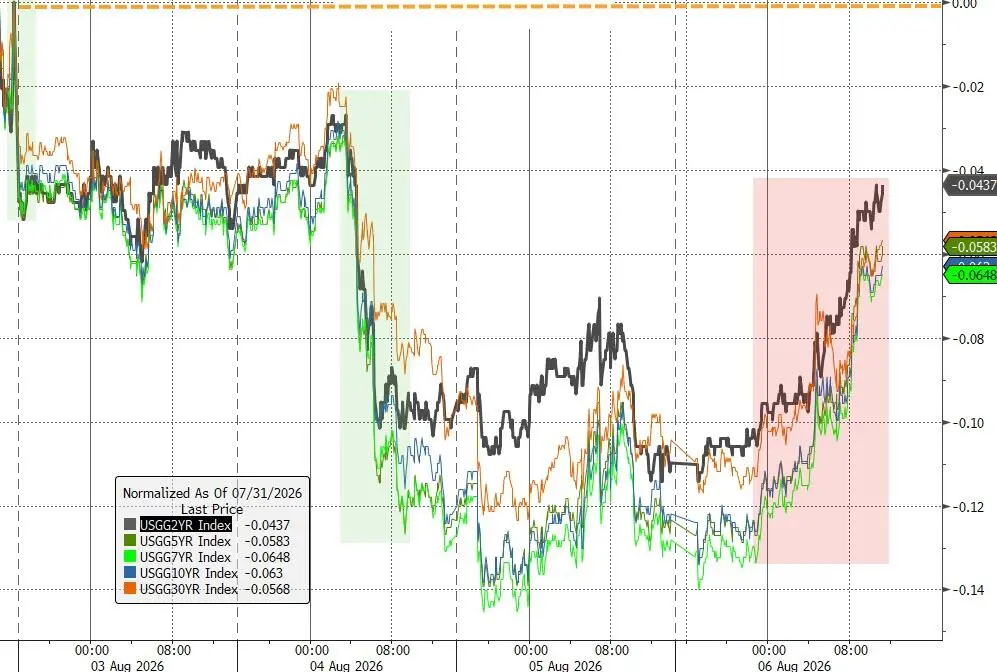
Nevertheless, the 10-year yield remains at a relatively low level for the week. The interest rate futures market has seen increased pricing for a Federal Reserve rate hike, with the probability of a rate hike rising significantly.
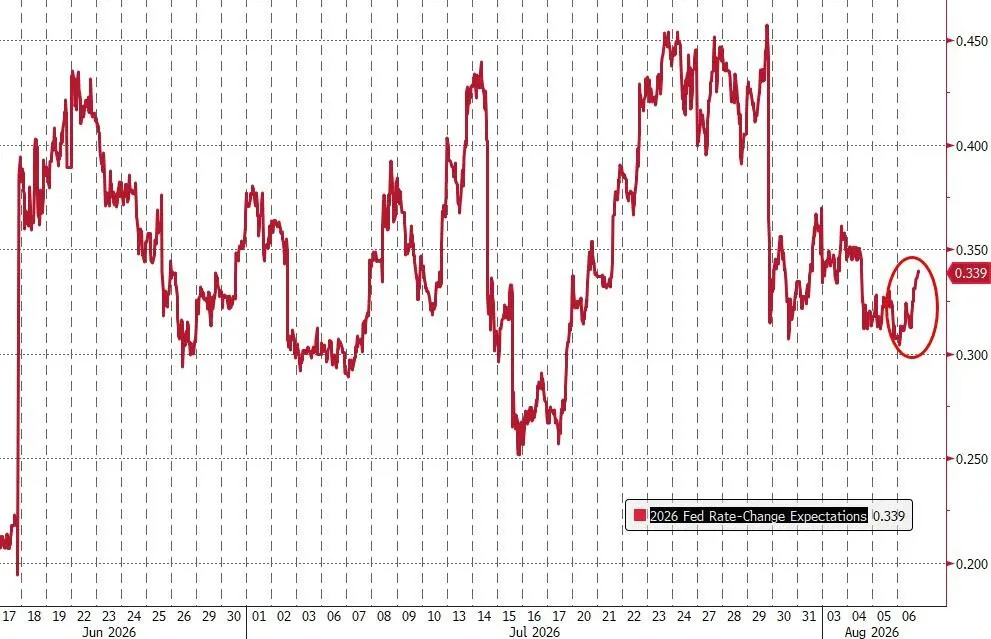
Vail Hartman from BMO Capital Markets stated that the latest data continues to reflect the resilience of the labor market, further reinforcing market expectations that inflation will dominate the Federal Reserve's decision-making in September.
Uncertainty surrounding the Federal Reserve's policy framework is also affecting market nerves. According to the Financial Times, Federal Reserve Chairman Waller is expected to clarify the policy rationale behind the reduction of forward guidance at the Jackson Hole meeting later this month.
Molly Brooks, a U.S. interest rate strategist at TD Securities, stated:
The Federal Reserve may indeed need to demonstrate the credibility of its anti-inflation stance through actual rate hikes.
Bloomberg macro strategist Michael Ball pointed out that recent policy signals have been relatively clear: interest rates remain the primary tool, and the September meeting is still an "active meeting"; adjustments to the balance sheet are a longer-term issue.
Cautious Market Sentiment Ahead of Non-Farm Report
The number of initial jobless claims in the U.S. rose slightly in the week reported on Thursday but has remained below 200,000 for the third consecutive week. Another report showed that productivity growth in the second quarter exceeded expectations, reflecting that companies are actively seeking to hedge against rising cost pressures.
The July non-farm payroll report will be released on Friday, with the market expecting an increase of 80,000 jobs for the month, higher than June's disappointing figure of 57,000. This data will directly impact the pricing of the Federal Reserve's path.
Clark Bellin from Bellwether Wealth stated:
Given the significant gains in the stock market since last week, the importance of Friday's employment report is even more pronounced. For the market to continue pushing upward, it needs data that is neither too hot nor too cold.
Bellin also noted that the labor market remains resilient under the dual pressures of high interest rates and increased productivity from artificial intelligence, with many companies choosing to retain their existing workforce even as AI investments gradually materialize.
Ulrike Hoffmann-Burchardi from UBS's Chief Investment Office warned:
Recent risks remain, especially if U.S. data continues to be strong and oil prices keep fueling inflation concerns, or if the market continues to price in a more hawkish rate hike path from the Federal Reserve.
Performance of Other Major Asset Classes
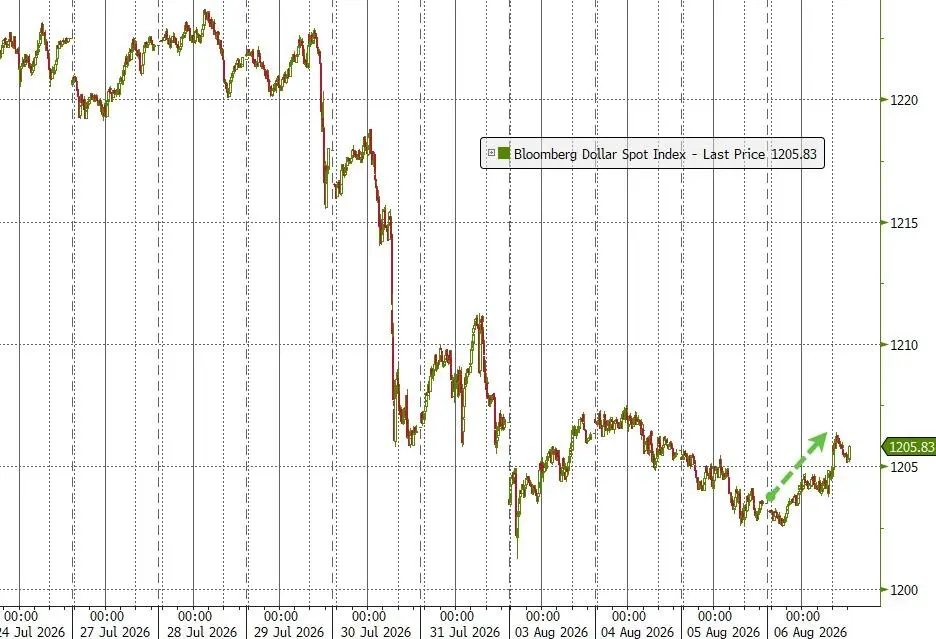
The dollar rebounded due to rising yields.
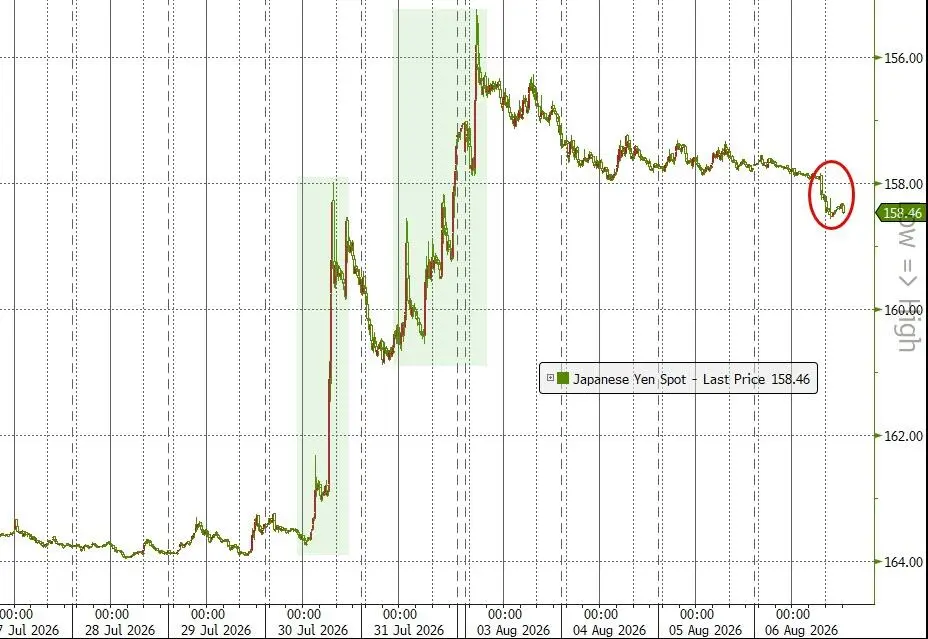
The yen continued to decline, returning above 158/dollar, gradually diminishing the impact of interventions.
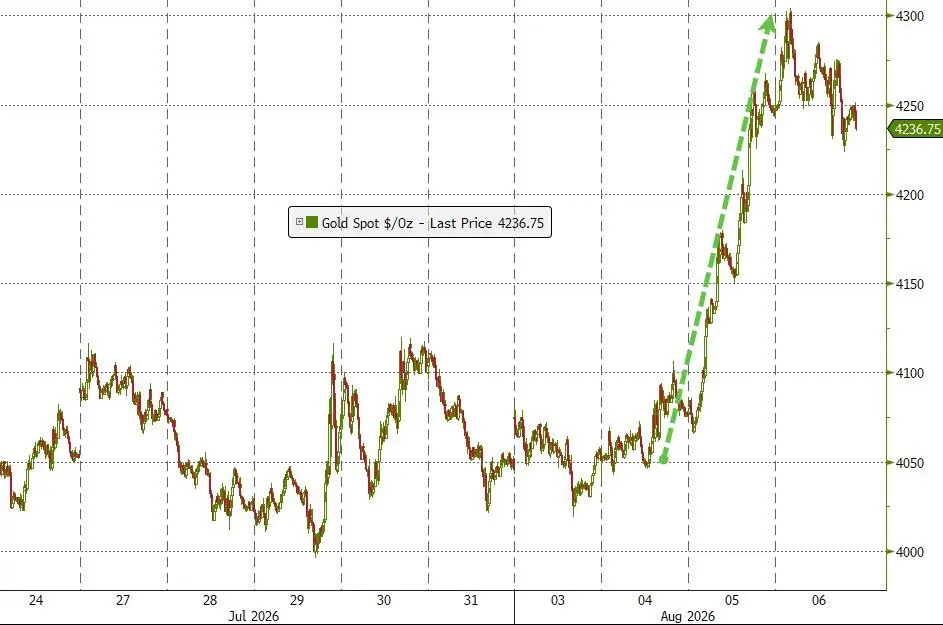
Gold briefly broke above $4,300 but then retreated, ultimately closing at the same price as the previous day.
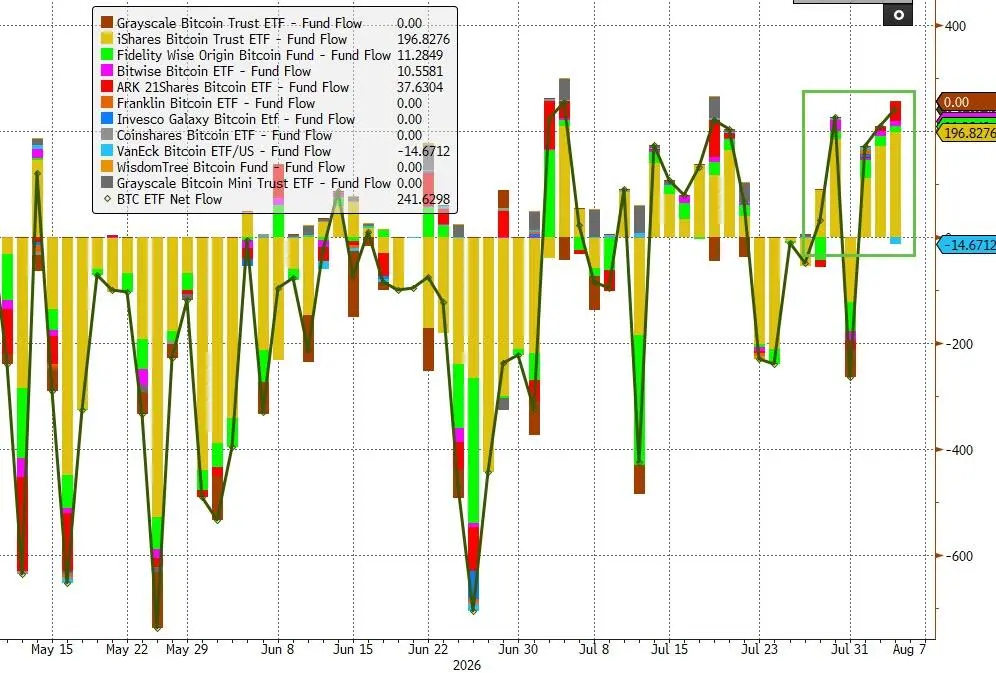
Driven by a week of inflows into U.S. spot Bitcoin ETFs, Bitcoin tested the $65,000 level multiple times but failed to break through that price today.
On Thursday, all three major U.S. stock indices closed lower, with the Dow down 0.85%, the S&P 500 down 0.18%, and the Nasdaq down 0.06%. Storage chip stocks plummeted, with Western Digital falling over 13%. The Wind U.S. Tech Seven Index rose 0.23%, with Microsoft up over 2%.
U.S. Stock Benchmark Indices:
The S&P 500 index closed down 13.59 points, a decrease of 0.18%, at 7709.96 points.
The Dow Jones Industrial Average closed down 464.02 points, a decrease of 0.85%, at 53885.10 points.
The Nasdaq closed down 15.087 points, a decrease of 0.06%, at 26348.352 points. The Nasdaq 100 index closed down 114.457 points, a decrease of 0.39%, at 29373.334 points.
The Russell 2000 index closed down 0.58%, at 3001.547 points.
The VIX index closed down 4.24%, at 15.14, rising slightly from the European market open to the U.S. market open, then continued to decline.
U.S. Sector ETFs:
- U.S. sector ETFs generally closed lower, with the global airline ETF down 2.65%, internet stock index ETF, banking ETF, and regional bank ETF down at most 1.36%, global tech stock index ETF down 0.41%, and tech sector ETF down 0.31%.
(August 6, Performance of Major U.S. Sector ETFs)
Tech Seven Giants:
The Wind U.S. Tech Seven (Magnificent 7) index rose 0.23%.
Microsoft rose 2.54%, Apple rose 0.45%, Meta rose 0.19%, Nvidia fell 0.10%, Amazon fell 0.14%, Tesla fell 0.63%, and Google A fell 1.29%.
Chip Stocks:
The Philadelphia Semiconductor Index closed up 39.81 points, an increase of 0.33%, at 12048.693 points.
TSMC ADR rose 0.98%, AMD rose 1.50%.
Chinese Concept Stocks:
The Nasdaq Golden Dragon China Index closed up 0.27%, at 6570.30 points, overall opening lower and closing higher.
Among popular Chinese concept stocks, Zai Lab rose 13.7%, JinkoSolar rose 2.8%, Daqo New Energy rose 2.2%, NetEase rose 1.7%, ASE Technology rose 1.4%, Canadian Solar rose 0.6%, Tencent fell 1.3%, and Alibaba fell 1.4%.
Other Individual Stocks:
- Circle fell slightly by 0.01%.
The European STOXX 600 index continued to set closing historical highs, showing an N-shaped trend during the session. The Italian stock market set a closing historical high.
Pan-European European Stocks:
The European STOXX 600 index closed up 0.16%, at 658.19 points.
The Eurozone STOXX 50 index closed up 0.39%, at 6502.56 points, setting a closing historical high again after one trading day.
Country Indices:
The German DAX 30 index closed up 0.05%, at 26140.13 points.
The French CAC 40 index closed up 0.35%, at 8699.71 points, setting a closing historical high for three consecutive trading days.
The UK FTSE 100 index closed down 0.19%, at 10867.89 points.
(August 6, Performance of Major European and U.S. Indices)
Sectors and Individual Stocks:
Among Eurozone blue chips, Deutsche Telekom rose 6.31%, Hermès rose 5.17%, ASML Holding rose 1.92% to rank third, while Airbus closed down 1.16%, the fourth largest decline, and Ahold Delhaize fell 1.36%.
Among all components of the European STOXX 600 index, WPP rose 28.62%, SBM Offshore rose 11.93%, Hikma Pharmaceuticals rose 8.15% to rank third, and Deutsche Telekom had the sixth largest increase.
 Risk warning