1confirmation: 5 Consumer-Grade Crypto Tracks Worth Reassessing
 Core Viewpoint

 The cryptocurrency industry has left behind a large number of failed consumer application experiments over the past decade, but failure does not necessarily mean the direction is wrong.
Author: 1confirmation
Compiled by: Jiahua, ChainCatcher
There are many reasons for company failures, but one of the most common is timing.
The most successful companies today are often not the first to try a particular idea. Infrastructure gradually matures, consumer behavior changes, and eventually, the right timing arrives.
The crypto industry has now gone through over a decade of consumer application experiments, leaving behind a vast "project graveyard" from which we can learn.
Here are some ideas that have failed in the past but may now give rise to blockbuster consumer applications.
1. Internet Native Assets
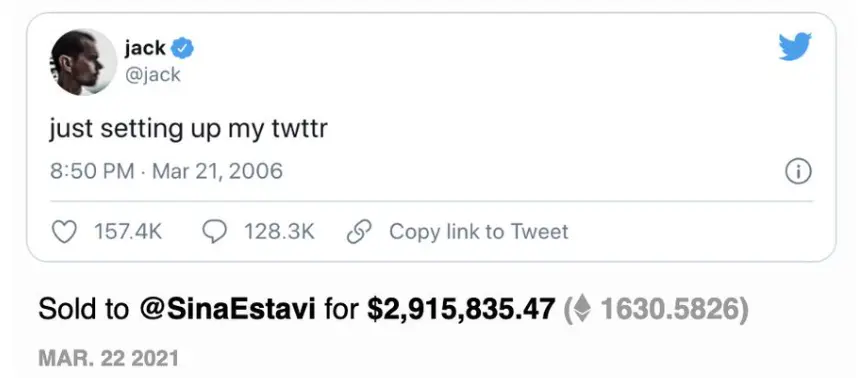
During the NFT craze in 2021, Cent created a marketplace for tokenizing tweets. On March 22, 2021, Jack Dorsey's first tweet was sold for $2,915,835.47, which is 1,630 ETH.
NBA Top Shot also attempted to bring some culturally significant classic moments onto the blockchain, but ultimately, it packaged these moments into something that looked and felt very much like digital trading cards.
To this day, we still haven't found a truly good way to meaningfully capture attention or cultural moments from the internet.
Many people think of memecoins, but memecoins are more viewed as proxies for attention rather than assets that truly carry the cultural moments behind them.
Now everyone is discussing RWA, bringing assets like stocks, U.S. Treasury bonds, real estate, and trading cards onto the blockchain.
But the reverse direction might present a bigger opportunity: is there a brand new crypto-native asset that fundamentally does not exist in the real world?
2. X-to-Earn
Projects like STEPN and Axie Infinity were once all the rage, partly because they did not require users to purchase cryptocurrency upfront but instead offered a way to earn cryptocurrency.
We shouldn't conclude that "doing something to earn cryptocurrency" is inherently a foolish idea.
The real lesson to be learned is that endlessly distributing freely tradable tokens to users is not a sustainable economic model.
In the future, most people may acquire their first cryptocurrency not through purchase, but through earning.
The question is, what exactly are they earning? Why would they want to continue holding it?
3. Metaverse
Considering how poorly the last round of the metaverse ultimately developed, it's almost unbelievable to even say the word "metaverse."
Decentraland, The Sandbox, and many other projects have basically tried to recreate the real world online, including land, buildings, and digital real estate. When Facebook rebranded to Meta, it was still a company valued at $900 billion.
The hottest trend now emphasizes "building for the real world," or build for IRL.
But if everyone is moving towards IRL, then another direction might be worth rethinking: what should the next generation of "people hanging out online together" really look like?
The real mistake of the metaverse may not be believing that people are willing to spend time in a digital world.
The problem might simply be that we once thought these digital worlds had to look like the real world.
4. DAO
DAOs cannot be considered a complete failure, as many DAOs still exist today, but they clearly have not reached the potential that people initially envisioned.
ConstitutionDAO is one of the more interesting experiments because what it did was actually much simpler.
A group of strangers raised about $47 million in just a few days, trying to buy an original copy of the U.S. Constitution.
Buying a sports team, funding a movie, supporting an athlete, purchasing a historical artifact, saving a local business, funding research, acquiring land, or completing any task that is impossible for one person alone.
Perhaps DAOs later became too focused on governance and overlooked a much simpler consumer behavior: a group of people on the internet pooling money together to do something collectively.
5. People as Market
This is the most obvious direction on this list.
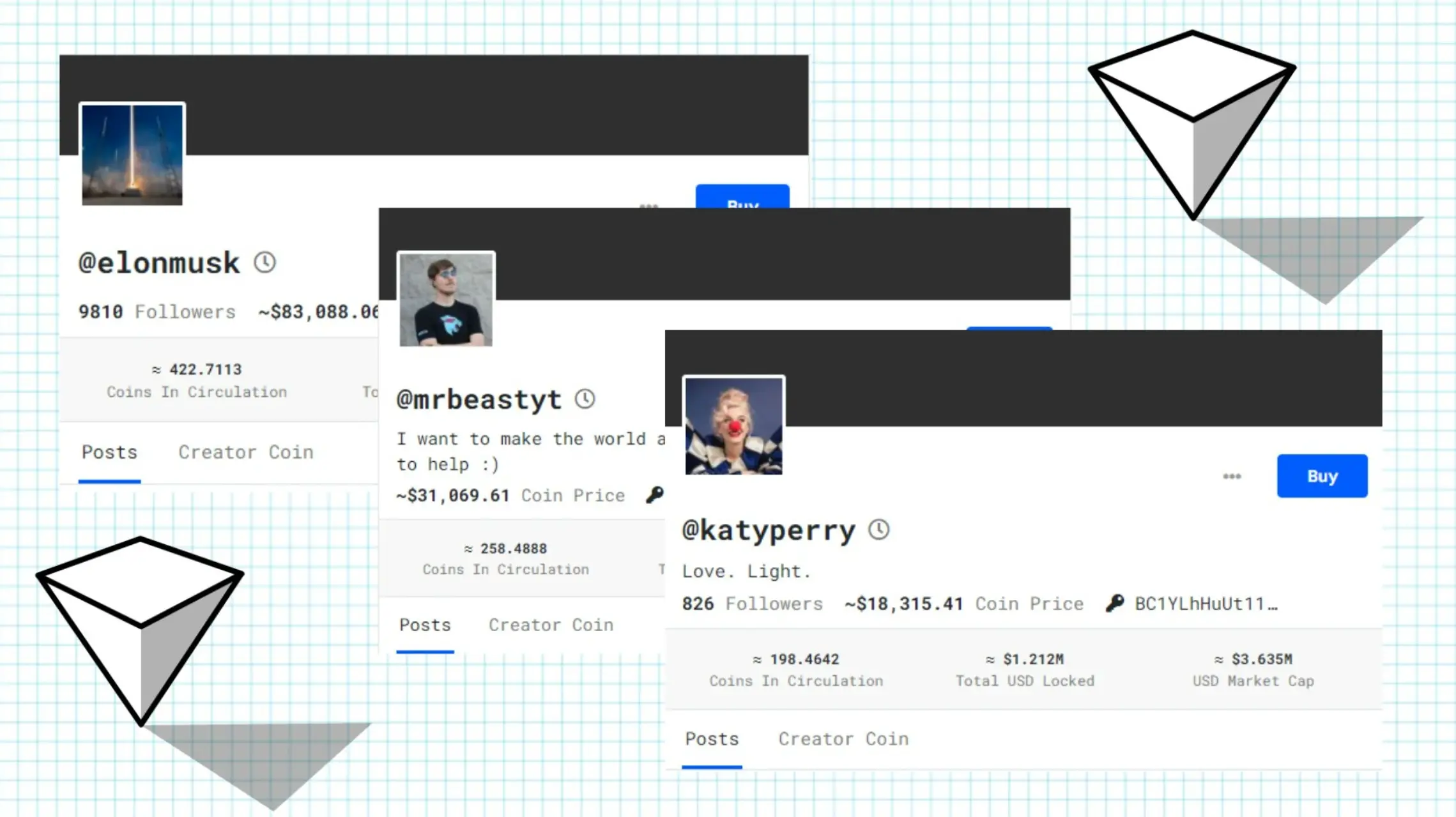
Friend.tech, Rally, Roll, BitClout, and many other projects. The creator economy and SocialFi era have left behind a vast array of failed projects.
The basic idea behind these products has always been some form of "building a market for everyone."
Sometimes it's creator tokens, sometimes it's access rights, sometimes it's bonding curves, but these models ultimately did not sustain.
People trade memecoins related to someone, bet on what political figures will do next, buy trading cards based on athletes' performances, and trade a company's stock to some extent based on its founder.
So, the idea of "people as market" itself may not be wrong; it’s just that the implementations in the past may have had issues.
Traders and fans may indeed want to build a market around someone, but do the creators themselves really want to become a market?
If they are unwilling, is there a way to build a market around a person without requiring that person to become the traded product?
The next truly explosive consumer-grade crypto application will not come from what everyone is doing today.
It is likely to be an idea that failed five years ago, but now, the infrastructure and timing have finally matured.
 Risk warning