








Daily Observation of Cryptography Technology: Ethereum plans to shorten the consensus layer retention window to 36 days, significantly reducing the synchronization and storage pressure on nodes

 Released on August 19, 2026. As the historical state and block data of the Ethereum network continue to expand, the hardware threshold for node operation is facing severe challenges. The Ethereum community recently officially released a key EIP improvement proposal, suggesting to significantly shorten the consensus layer (CL) block retention window from approximately 146 days to about 36.4 days. As a non-fork informational change, this proposal aims to significantly reduce the backfill overhead for new nodes after checkpoint synchronization, further safeguarding the decentralized foundation of the Ethereum network.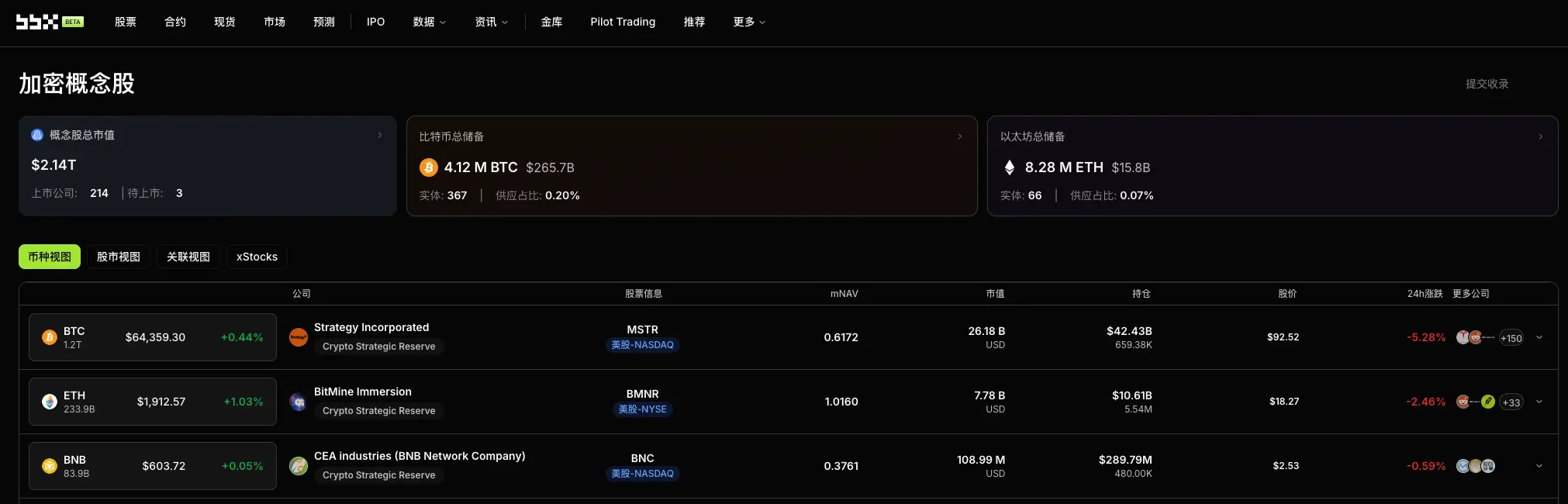
Historical Data Slimming: Consensus Layer Retention Window Proposed to be Compressed from 146 Days to 36 Days
The Ethereum consensus layer has accumulated a massive amount of historical data during its long-term operation, which has increasingly burdened the infrastructure of validating nodes.
According to the latest EIP proposal draft released by the Ethereum community, core developers propose a significant optimization of the storage mechanism for the consensus layer (Consensus Layer, CL): shortening the retention window for consensus layer blocks from the current 33,024 epochs (approximately 146 days) to 8,192 epochs (approximately 36.4 days). This adjustment means that nodes will no longer need to retain nearly 5 months of complete historical consensus layer blocks in local persistent storage, effectively reducing the lifecycle to just over a month.
Addressing Backfill Pain Points: Optimizing Checkpoint Sync, Reducing Bandwidth and Disk Overhead
The most direct benefit of this proposal is the complete optimization of the synchronization experience for new nodes and recovery nodes.
Under the current mechanism, when nodes use "Checkpoint Sync" for a quick start, the backend still needs to execute a lengthy historical data backfill. The long 146-day window causes nodes to consume enormous amounts of network downlink bandwidth, continuously occupy disk I/O resources, and take several days to complete data supplementation. With the retention window significantly compressed to about 36 days, the volume of backfill data after checkpoint sync is reduced by nearly three-quarters, greatly enhancing the deployment and recovery efficiency of nodes.
Non-Forking Informational Change: Smooth Upgrades Without Compromising Consensus Security
It is noteworthy that this proposal maintains a high degree of technical restraint in its design.
This EIP is explicitly classified as a "Non-forking Informational Change." This means that the optimization only involves the local retention strategy of historical consensus data by node clients and does not involve underlying changes to the consensus mechanism, block production rules, or state transition logic. Therefore, it can be smoothly implemented at the client level without the need for a hard fork upgrade, and it will not have any negative impact on the consensus security of the Ethereum mainnet.
Lowering Hardware Thresholds, Protecting the Decentralized Defense Line of Independent Stakers
In light of the technical evolution roadmap of the Ethereum ecosystem in mid-August, from reducing state bloat to optimizing consensus storage, the development team is making every effort to "lighten the load" for full nodes. Shortening the consensus layer retention window not only saves massive server and bandwidth operational costs for large staking service providers and RPC infrastructure nodes, but more importantly, it significantly lowers the hardware configuration threshold for individual independent validators (Solo Stakers) to participate in Ethereum consensus. In today's wave of institutionalization sweeping Web3, maintaining a low-threshold decentralized node network through code-level optimizations is the core foundation of Ethereum's long-term resistance to censorship.
Data Source: https://bbx.com/ Cryptocurrency Concept Stock Information Database, compiled based on global public company announcements and SEC/TSE disclosure documents from last weekend.
 Risk warning




Popular articles





