Daily Observation of Cryptography Technology: Ethereum Foundation Publicly Releases 2029 Roadmap for Full-Scale Quantum Resistance Upgrade Scheduled for the End of 2029

 Released on September 8, 2026. In the face of the potential threat that quantum computing poses to traditional cryptographic systems, the Ethereum network officially kicked off the upgrade of sovereign-level cryptographic defenses. The Ethereum Foundation (EF) publicly released a global priority roadmap extending to 2029, clearly establishing that Ethereum Layer 1 will fully achieve "Post-Quantum capabilities" in the execution layer, consensus layer, and data layer, with a target delivery date set for December 2029. Ethereum will advance at a pace of a hard fork approximately every 7.2 months, with the upcoming Hegotá upgrade becoming a key prerequisite for determining whether the subsequent transformation can be implemented as scheduled.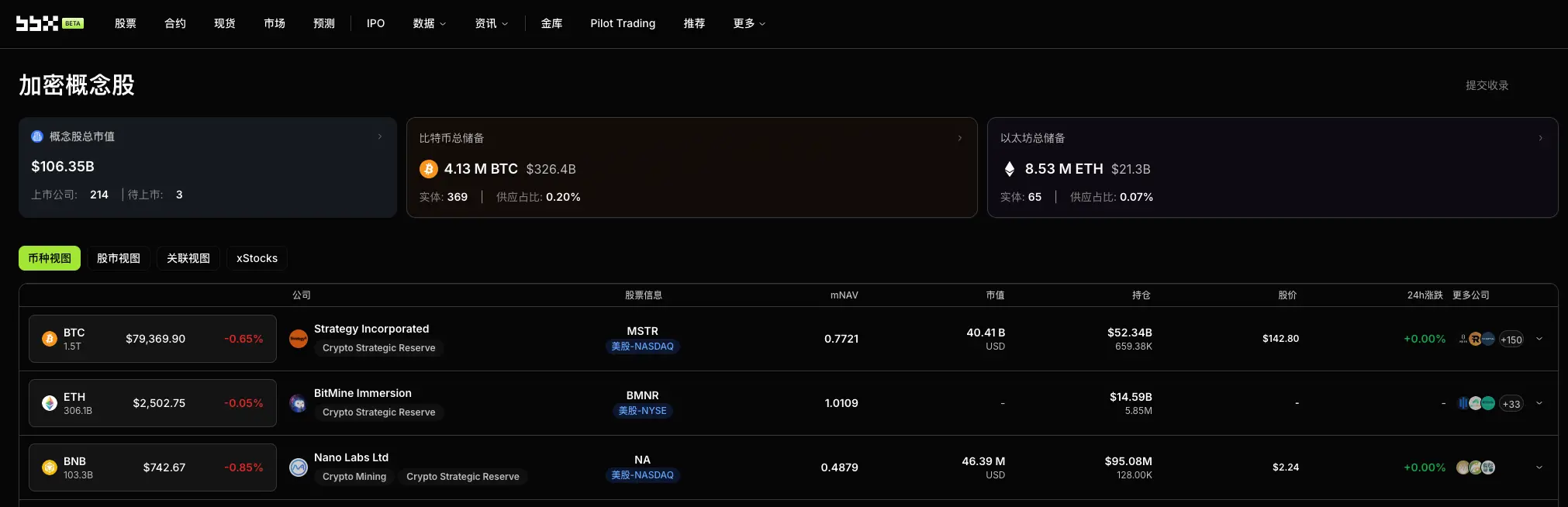
2029 Ultimate Vision: Comprehensive Construction of Quantum-Resistant Defense Across Three Levels of L1
The rapid advancement of quantum computing is forcing top global blockchain systems to reconstruct their underlying security and trust.
The latest roadmap released by the Ethereum Foundation (EF) establishes an extremely clear strategic endpoint: to ensure that Ethereum Layer 1 fully achieves quantum resistance across three core layers: Execution Layer (EL), Consensus Layer (CL), and Data Layer, with the ultimate goal time locked in December 2029. This timeline is strictly synchronized with the quantum migration cycles currently set by global tech giants such as Google, Cloudflare, and Microsoft, demonstrating the Ethereum core development team's foresight in the generational upgrade of cryptography.
Evolution Rhythm: 7.2-Month Hard Fork Cycle and Transitional J* Milestones
To smoothly achieve the cryptographic switch of the vast network, Ethereum has established a highly disciplined upgrade advancement rhythm:
Hard Fork Advancement Rule: The team will start from the upcoming Glamsterdam upgrade, iterating in an orderly manner with an engineering rhythm of a hard fork approximately every 7.2 months. It is expected that after five forks, the complete quantum resistance capability will be achieved in the final L* phase;
Dual-Track Defense (MV-PQ): To prevent systemic risks arising from the premature outbreak of quantum threats, the roadmap has established a "Minimum Viable Quantum Resistance (MV-PQ)" milestone J* during the transition period as a safety net emergency plan;
Five Core Main Lines: The entire upgrade marathon will deeply revolve around five major cross-fork frontier research directions, covering Fast Finality, Quantum Resistance (PQ), Native Privacy, State Management, and zkEVM.
Key Outpost: Hegotá Upgrade Locks Core EIPs to Pave the Way
On the long march towards quantum resistance in 2029, the upcoming Hegotá upgrade is assigned a pivotal historical mission.
The roadmap clearly emphasizes that while the Hegotá upgrade itself is not a quantum resistance upgrade, it is a key cornerstone determining whether a series of subsequent quantum resistance hard forks can be launched on time. Currently, the Hegotá upgrade has locked in two major underlying core proposals:
Consensus Layer EIP-7805 (FOCIL): Introduces a committee-mandated inclusion list mechanism to curb validator monopolies at the base layer, enhancing censorship resistance and consensus robustness;
Execution Layer EIP-8141 (Frame Transactions): The implementation of a framework-based transaction mechanism will reserve core architectural space for the future smooth introduction of new quantum-resistant signature algorithms at the execution layer.
Decentralized Ledger Transitioning from "Financial Innovation" to "Sovereign-Level Cryptographic Defense"
Based on the signals released by the Ethereum Foundation in early September, this 2029 roadmap marks a profound transformation in Ethereum's technical narrative. Ethereum is no longer merely satisfied with improvements in scalability and throughput but is proactively benchmarking against the most stringent national and tech giant security standards, directly extending the risk resistance cycle of its underlying cryptographic defenses into the coming decades. Through a high-density forking rhythm and rigorous modular iteration, Ethereum is fully committed to ensuring that when the next computing revolution arrives, it remains the most robust and trustworthy decentralized clearing layer in the global digital economy.
Source: https://bbx.com/ Cryptocurrency Concept Stock Information Database, compiled based on announcements from global listed companies and SEC/TSE disclosure documents from yesterday.
 Risk warning