TRON On-Chain Gas Saving Guide: Energy Leasing + Energy Direct Purchase + Gas-Free Transfer Three Practical Tools Guide
 Say goodbye to high Gas fees! A step-by-step guide to unlocking money-saving strategies on the TRON blockchain, easily saving over 60% on interaction costs!
On August 20, the core DeFi lending platform of the TRON ecosystem, JustLend DAO, announced the launch of a new TRON energy buy-and-use service—Buy Energy. According to official estimates, compared to directly burning TRX to obtain on-chain resources, users can save up to approximately 64% in transaction fees by using this product.
Thus, the newly launched Buy Energy service, in conjunction with the previously stable Energy Rental and GasFree no "Gas" transfer solutions, forms a synergistic matrix of Gas cost optimization tools that cover various demand scenarios within the TRON ecosystem.
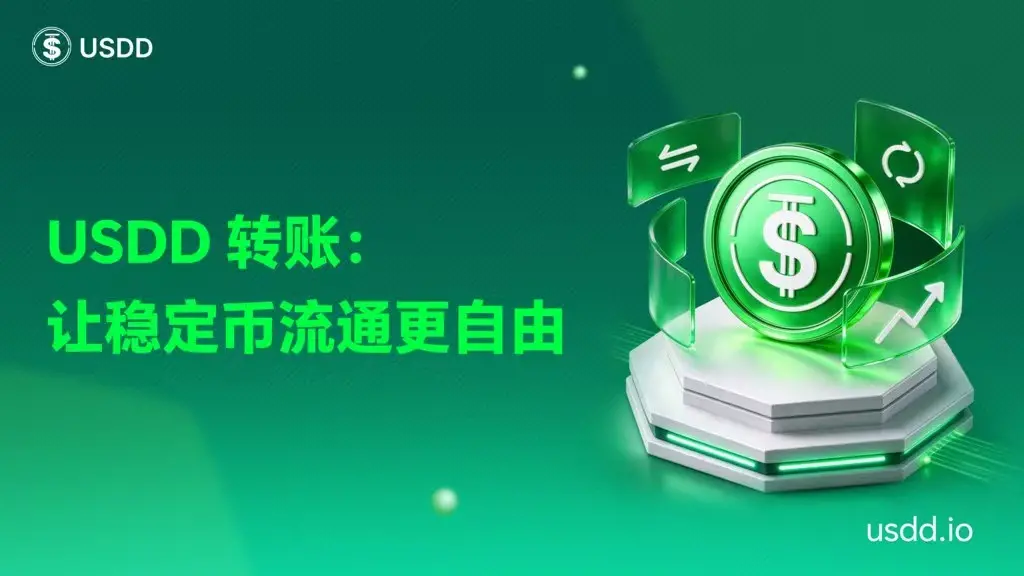
From the product positioning perspective, Energy Rental and Buy Energy provide users with low-threshold, high-flexibility paths for acquiring energy: users do not need to stake TRX to obtain Energy or burn TRX to acquire it; instead, they can choose to rent or directly purchase energy based on their actual needs. The energy obtained can be directly used to offset resource consumption related to operations on the TRON blockchain, offering significant advantages in operational flexibility and cost of use. The GasFree no "Gas" transfer solution provides a groundbreaking payment paradigm for on-chain transfer scenarios, allowing users to pay Gas fees directly with transfer tokens such as USDT and USDD, breaking the traditional limitation that on-chain transfers must hold the native token TRX, making the circulation of stablecoins smoother and more unobstructed.
The three Gas optimization tools almost cover the common different Gas and Energy demand scenarios in the TRON ecosystem. For example, in the case of transferring stablecoins like USDT or USDD, if there is insufficient TRX in the wallet, users can choose GasFree no "Gas" transfer to pay Gas fees directly with the transfer token; when facing temporary bulk address operations or high-frequency small interactions, they can choose Buy Energy for immediate use, which is flexible and efficient; for ongoing smart contract calls and DeFi interactions, Energy Rental should be prioritized for better cost-effectiveness and sustainability. The three Gas optimization solutions complement each other, allowing for on-demand selection, controllable costs, and convenient operations, accurately adapting to the on-chain cost reduction needs of different users and scenarios, helping every on-chain transaction achieve higher efficiency and lower costs.
Interpreting the TRON "Bandwidth + Energy" Dual Gas Resource Mechanism, JustLend DAO's "Three Major Tools" Assist in One-Click Cost Reduction
In the past, users interacting on the TRON blockchain often faced the following situations: high transfer fees for stablecoins like USDT due to rising TRX prices; insufficient TRX in the wallet, leading to an inability to pay Gas; frequently encountering energy shortages when engaging in DeFi scenarios such as DEX exchanges, adding LP liquidity, and participating in lending, as well as calling various smart contract DApps; and if they chose to directly burn TRX to supplement energy, the costs were significantly high. These pain points not only raised the threshold for on-chain operations but also directly affected users' transaction efficiency and cost experience.
Now, with the three Gas cost reduction tools launched by JustLend DAO—Energy Rental, GasFree no Gas transfer, and Buy Energy—users can solve core issues such as "high fees, high thresholds for energy acquisition, and inability to trade without native tokens" in a one-stop manner. Regardless of the on-chain scenario, users can achieve precise cost reduction and quality improvement while ensuring transaction efficiency.
To deeply understand this TRON-exclusive Gas optimization solution, it is essential to clarify its underlying logic—the unique "Bandwidth + Energy" dual resource Gas system of TRON. This design is the core technical feature that distinguishes TRON from other public chains and is the fundamental premise for the effectiveness of Gas optimization tools:
Bandwidth—Basic Resource with Free Quota: Bandwidth is primarily used to measure the storage and network resources consumed by transactions. All on-chain operations require bandwidth consumption. For basic on-chain operations such as ordinary TRX transfers, voting, staking, and unlocking, only bandwidth resources are consumed. Each account can receive 600 units of bandwidth for free each day. Once the free quota is exhausted, users can replenish resources by staking or burning TRX. Currently, the cost of burning TRX for each unit of bandwidth is 0.001 TRX.
Energy—Advanced Resource for Smart Contracts with No Free Quota: Energy represents the processing power resources consumed when running smart contracts. Scenarios involving DeFi interactions, NFT minting, TRC-20 token issuance, and transfers will consume energy. Unlike bandwidth, energy does not have a daily free quota and can only be obtained by staking or burning TRX; the consumption amount varies with contract complexity, and the actual cost is also affected by TRX price fluctuations.
To alleviate users' on-chain costs, TRON officials have repeatedly lowered the cost of burning energy. In August 2025, they directly reduced the price of burning TRX for each unit of energy from 0.0021 TRX to 0.0001 TRX, a reduction of over 50%. However, due to the upward trend in TRX prices, the actual cost of directly burning TRX to obtain energy remains high.

Based on a deep insight into these pain points, JustLend DAO, as the core DeFi lending platform of the TRON ecosystem, provides users with multi-dimensional cost reduction solutions through its three Gas optimization tools—Energy Rental, GasFree no Gas transfer, and Buy Energy:
① Energy Rental—On-Demand Rental with Flexible Periods: This service allows users to flexibly rent energy by the hour or day without needing to stake or burn TRX. The rental period is flexible (minimum 1 hour, maximum 30 days) and supports renting for other addresses. Rental fees are settled based on actual rental duration and consumption, and any unused energy can be refunded. It is suitable for users with ongoing Energy needs and can be used for medium to long-term smart contract calls and DeFi interactions.
② Buy Energy—Immediate Purchase for Short-Term Bulk Operations: This feature allows users to buy the required energy in one go, effective for a short period (automatically reclaimed after 1 hour), with simple operations and no rental refund process. A single order can inject energy into up to 50 addresses in bulk and supports quick ordering based on the number of USDT transfer transactions. Calculations show that compared to directly burning TRX, it can save about 64% in costs, especially for short-term, high-frequency transfer needs and temporary scenarios involving bulk address operations.
③ GasFree—Direct Payment of Gas Fees with Transfer Tokens Without Holding Native Tokens: Innovatively breaking the traditional logic of "must use native tokens to pay Gas," it supports directly using transfer tokens to offset transaction fees. Currently, GasFree supports two major assets, USDT and USDD, with plans to expand to more assets in the future.
These three Gas optimization tools are not substitutes for each other but form a complementary gradient of cost optimization, providing differentiated solutions for different on-chain scenarios: for stablecoin (USDT/USDD) transfers, GasFree is prioritized; for TRC-20 transfers, DeFi, NFTs, and DApp interactions, users can flexibly choose between Buy Energy and Energy Rental based on demand—choosing Buy Energy for short-term bulk operations and Energy Rental for medium to long-term continuous interactions. Together, they provide users with multiple adaptable options, ensuring that regardless of the scenario, users can easily achieve controllable costs and a smooth operational experience.
Detailed Functionality and Operation Guide for "Energy Rental + Buy Energy + GasFree No Gas Transfer" Three Major Gas Optimization Tools

1. Energy Rental: Rent as Needed, Flexible Rental Period, Unused Portion Can Be Refunded
Energy Rental is the first on-chain energy solution launched by JustLend DAO in 2023, allowing users to flexibly rent energy by the hour or day without needing to stake or burn TRX. The rental period is flexible and controllable, with a duration range from a minimum of 1 hour to a maximum of 30 days, and it also supports renting energy for any address. Rental fees are settled based on the actual rental duration and real energy consumption, with unused energy corresponding to rental fees fully refunded, minimizing users' on-chain operational costs from a mechanistic perspective.

Compared to traditional energy acquisition methods such as staking TRX or directly burning TRX, JustLend DAO's Energy Rental has disruptive advantages in capital efficiency and usage flexibility: traditional staking models require locking a large amount of TRX assets, with unlocking periods lasting up to 14 days, leading to high capital occupation costs and severely limited liquidity; directly burning TRX to obtain energy not only incurs high costs per transaction but also results in irreversible asset loss due to the destruction of TRX.
Energy Rental fundamentally avoids the core drawbacks of these two schemes, truly implementing the lightweight usage concept of "rent as much as you need," achieving an experience without long-term locking of TRX funds or asset destruction losses, thanks to its core characteristics of "rent as needed and flexible rental periods." Users can choose a rental period from 1 hour to 30 days based on their business needs, accurately matching diverse on-chain demands: it is suitable for temporary and scattered on-chain operations such as single NFT minting, meme coin trading, and short-term DeFi interactions, as well as providing stable and continuous energy supply for long-term arbitrage users and project developers through the longest 30-day rental.
In addition, Energy Rental also features "transparent billing and refundable surplus": the entire rental process is automatically executed by on-chain smart contracts, with billing rules fully public and transparent. Users can proactively terminate the rental service at any time, and the system will strictly settle fees based on actual rental duration and real energy consumption, with the rental fees for unused portions fully refunded, ensuring no hidden losses or charges throughout the process.
According to the official data on August 27, JustLend DAO's energy rental service outputs nearly 48 billion units of energy daily, with a single-day rental peak exceeding 16 billion units. The cumulative number of users served has surpassed 82,300, making it the largest and most recognized official energy rental channel on the TRON network.

In terms of cost, according to the latest official data (August 27), the energy rental price of JustLend DAO is only 40 sun per day, meaning renting 100,000 units of energy only requires 4.03 TRX (the energy price will vary with utilization). This amount of energy is equivalent to the output obtained from staking approximately 10,450 TRX, enough to cover two contract transactions; whereas if TRX is directly burned, it would require 10 TRX. In comparison, under the same energy consumption, the rental cost can be directly reduced by nearly 60%.
From the perspective of real USDT transfers, using energy rental to offset Gas costs is extremely low. During the same period, the Gas cost for transferring USDT by directly burning TRX is about $2.092, while through the energy rental offset mechanism, the Gas only costs $0.115, saving over 94.5% per transaction.


Energy Rental Usage Tutorial: Complete in Three Steps
The operation process of Energy Rental is simple and efficient, requiring only three steps to complete. Currently, this service supports multiple mainstream wallet integrations, including TronLink (the official recommended wallet for TRON), OKX, Binance, TokenPocket, WalletConnect, Ledger, etc., accommodating the vast majority of users' on-chain operation scenarios.

Step 1: Fill in Rental Data
On the rental page, sequentially set the required amount of energy to rent (minimum 100,000 units), rental duration (minimum 1 hour, maximum 30 days), and receiving address (the system automatically fills in the current connected wallet address; if you need to rent on behalf of someone else, you can choose "Other Address" to input the corresponding address).

Step 2: Pay Deposit and Submit Order
Energy rental uses a "prepayment model." Each order fee consists of three parts: energy fee (core rental cost), deposit (fully refundable after normal rental termination), and settlement fee (this fee will be incurred if the rental is not actively terminated after the rental period ends).
When submitting the rental order, the system will automatically calculate the total fee, with all fee details being real-time and transparent, with no hidden costs. After confirming the details, click "Submit," complete the payment in the wallet, and the order will take effect immediately, with energy allocated to the specified address.


Step 3: Order Management and Refund of Deposit
During the rental period, users can manage their orders at any time in the "Energy Rental" interface, and it also supports early termination of the rental (End), extending the rental period or adding energy (Renew), and viewing remaining energy and rental period details.
It is worth mentioning that early termination of the order can be settled based on actual consumption, and the remaining rental fee will be refunded through the original route; upon normal completion of the rental period, the system will automatically refund the full deposit.

Friendly Reminder: It is recommended to reasonably choose the rental duration and energy amount based on your actual frequency of on-chain operations and usage time period, return idle energy in a timely manner, effectively avoid unnecessary settlement fees, and maximize savings on on-chain usage costs.
2. Buy Energy: Buy and Use Immediately, Valid for 1 Hour, Saving About 64% Compared to Directly Burning TRX
Buy Energy is a new energy service feature launched by JustLend DAO on August 20, 2026, focusing on "buy and use immediately, no staking, no waiting," further lowering the threshold for acquiring energy.
Similar to energy rental, this service also allows users to buy short-term energy (valid for 1 hour) at a lower cost without staking or burning TRX, which can be used to offset on-chain fees for transferring USDT and other TRC-20 assets or executing smart contracts. Compared to directly burning TRX, this service can reduce on-chain transaction costs by about 64%, making it a "short-term energy gas station" for on-chain interactions.
It is important to note that the energy obtained from Buy Energy is valid for 1 hour (counting from the completion of the purchase), and will be automatically reclaimed by the system after expiration. Therefore, this service is more suitable for short-term, bulk, and clearly defined transfer needs, and it is recommended to purchase as needed to avoid idle waste.
From the user experience perspective, Buy Energy has three core advantages:
- Buy and Use Immediately, Efficient in Bulk: Orders are usually confirmed within 10 seconds after submission, and energy is immediately available. It also supports bulk address purchases, allowing a single order to inject energy into up to 50 receiving addresses simultaneously, enabling quick selection based on the number of USDT transfers, precise billing, and avoiding waste.
- Zero Lock-up Risk, Flexible Funds: No need to stake TRX, completely avoiding the 14-day un-staking waiting period under traditional staking models. For example, to obtain 65,000 units of energy (supporting 1 USDT transfer), the traditional staking method requires locking approximately 6,791 TRX, with funds being occupied for a long time; whereas Buy Energy allows for immediate use without locking any liquid funds.
- High Cost Performance, Saving About 64% on Fees: According to official calculations, compared to directly burning TRX, it can save about 64% on fees.
In terms of usage costs, according to official data, transferring one USDT currently requires purchasing 65,000 units of energy. When paying USDT transfer fees by directly burning TRX, a single transfer typically consumes about 6.5 TRX. Through Buy Energy, purchasing 65,000 units of energy only requires about 2.34 TRX, reducing costs by about 64%.

Taking the real USDT transfer scenario as an example: directly burning TRX to pay Gas requires about 6.2371 TRX ($2.092) per transaction; whereas through Buy Energy, a single USDT transfer only requires 1.0076 TRX ($0.338). A single transfer can directly reduce costs by about 84%, saving approximately $1.754, making the cost reduction effect clear, especially prominent in high-frequency transfers.

Compared to energy rental (which requires prepayment and handling of rental fees and deposit refunds after the rental period ends), the Buy Energy process is simpler—one-time purchase with no subsequent refund management steps, but corresponds to a 1-hour usage window. In short: for operations with a clear number of transfers that need to be completed in a short time, choose Buy Energy; for operations that require stable energy supply over a longer duration, choose energy rental. Users can flexibly choose based on their time window and transaction frequency.
Buy Energy Operation Guide: Two Major Steps for Quick Start
Buy Energy currently also supports wallet integrations such as TronLink, OKX, Binance, TokenPocket, WalletConnect, Ledger, etc. The overall usage process is divided into "Choose Purchase Method" and "Place Order," which is simple to operate.
Step 1: Choose Purchase Method
Buy Energy provides three purchase entry points, allowing users to choose according to their needs:
- For USDT Transfers: Input the planned number of USDT transfers, and the system will automatically calculate the required energy (approximately 65,000 units per transfer), saving manual conversion. Suitable for users who clearly know the number of transfers.
- Presets: Provides six commonly used quick presets of 65k, 131k, 650k, 1M, 2M, and 5M for one-click purchase. For example, 65k supports 1 USDT transfer, 131k is suitable for cases where the receiving address is not activated, and 650k can cover about 10 USDT transfers. Suitable for users seeking convenience.
- Custom: Manually input the required energy value to flexibly meet personalized needs.


Step 2: Complete Order Placement
Regardless of which method is used to determine the purchase quantity, the subsequent process is completely consistent and can be completed in two steps:
Fill in the receiving address: In the receiving address (Receiving Addresses) input box, add one or more addresses (up to 50), and you can quickly fill in using shortcuts like History, Current Address, Reset, etc.

Submit the order and pay the fee. The order page will clearly display the receiving address, single address energy, total resources (e.g., "1 USDT transfers" indicates it can support approximately 1 USDT transfer) and the total amount payable. (Friendly reminder, if there are unactivated addresses included, the system will charge an additional activation fee of 1.1 TRX per address).
After a successful purchase, you can view the order information, remaining time, energy usage, and other information in the order history (Order History).


3. No "Gas" Transfer Plan GasFree: Transfer tokens deduct Gas, lift restrictions on holding native tokens
GasFree is a no "Gas" transfer plan launched by JustLend DAO in March 2025, aimed at providing users with a new solution for completing TRC-20 asset transfers without holding native tokens. Its core mechanism supports the direct payment of Gas with the tokens being transferred, breaking the traditional limitation that on-chain transfers must hold the corresponding public chain native tokens.
This innovative design of "transfer what token, pay what fee" simplifies the originally cumbersome multi-step process of "pre-holding native tokens → initiating transfer with target tokens → paying Gas with native tokens" into a single-step operation of "directly transferring target tokens and simultaneously paying Gas fees," significantly improving operational efficiency while making the experience of transferring crypto assets more aligned with traditional financial payment habits, greatly lowering the on-chain operational threshold for new users.
Currently, GasFree fully supports the two major mainstream stablecoin assets, USDT and USDD, and will continue to expand the types of tokens supported and the scenarios covered. As of August 26, GasFree has processed a cumulative transaction volume exceeding $130.5 billion, completed over 7.58 million transactions, and saved $8.4 million in fees, becoming one of the preferred transfer tools for stablecoin users. 
In terms of transaction costs, GasFree's pricing mechanism is clear and transparent: in June 2025, the platform unified the activation fee and transfer fee for USDT addresses to 1.5 USDT; in August 2025, support for USDD transfers was added, with an activation fee of 1 USDD, and the subsequent transfer fee for each USDD transfer is only 0.5 USDD. Notably, users only need to use either USDT or USDD to complete the address activation, and that address can support GasFree transfers for both assets without needing to pay the activation fee again.
More importantly, the transfer fee for each GasFree transaction is completely decoupled from the transfer amount—whether transferring 100 USDT or 100,000 USDT, the fee remains constant. Compared to the uncertainty of fees fluctuating with TRX prices and network energy unit prices under the traditional Gas model, this design provides strong cost certainty for users making large transfers, completely avoiding the uncontrollable risk of fees due to market fluctuations.
GasFree Operation Guide: One-click activation, zero TRX required
Currently, GasFree has completed wallet integrations with TronLink (recommended), Guarda, Klever Wallet, eDir, and will continue to open support for more mainstream wallets.

Taking TronLink wallet as an example, users can directly click the "GasFree" icon on the left side of the address in the TronLink interface to quickly switch to the exclusive GasFree wallet address.

Step 1: Activate GasFree Address
GasFree currently supports the two major mainstream stablecoins, USDT and USDD, and will gradually expand to support more asset types. Users only need to deposit the corresponding stablecoin into the exclusive GasFree address to complete account activation: the activation fee for USDT is 1.5 USDT, and for USDD, it is 1 USDD. Using either asset for activation allows the address to support GasFree transfer services for both types of assets without needing to activate repeatedly.
Currently, there are two activation paths supported:
- Withdraw from CEX exchanges: Directly withdraw USDT/USDD to your exclusive GasFree address from mainstream centralized exchanges like Binance, OKX, etc.
- On-chain transfer: Directly transfer USDT/USDD already held on the TRON chain to the GasFree address (if you need to obtain USDD, you can use the PSM tool on SUN.io or the USDD official website to exchange USDT with one click).

Step 2: Initiate Transfer, Complete Instantly
Enter the GasFree operation interface, accurately fill in the recipient address and target transfer amount, verify the information, and submit the transaction. The corresponding fee will be automatically deducted from the transferred USDT or USDD tokens: the transfer fee for USDT is 1.5 USDT per transaction, and for USDD, it is 0.5 USDD per transaction. The entire process does not require holding or using TRX, allowing for the completion of the entire on-chain transfer operation.

 Risk warning Risk warning