








HashKey Capital: GameFi enters a cooling period, what is the next main theme?
 The GameFi sector entered a cooling period after December last year. The market underwent adjustments, eliminating some speculative games that were merely filling the space. Leading projects like Axie are also facing a slowdown in user growth and a decrease in player earnings, and the entire sector is looking for new growth points.
Source: HashKey Capital Research
1. Market Overview
1.1 Significant Decline in Trading Volume, Increase in Active User Fluctuations
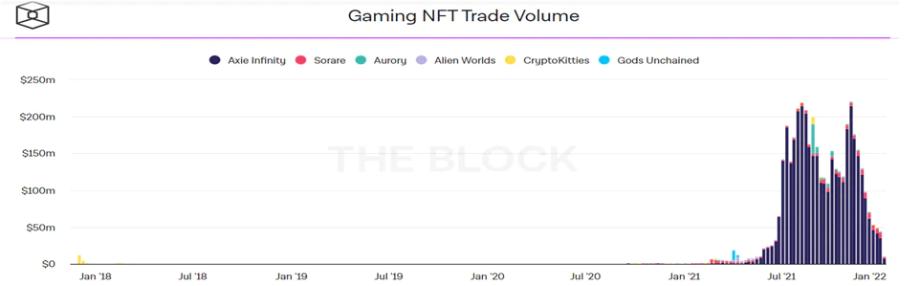
From the data perspective, looking back at 2021, the peak trading volumes of GameFi were concentrated in early August and early November, with trading volumes reaching around $220 million in the first week of August and the first week of November, over 90% of which came from Axie Infinity. Other games with notable trading volumes included Alien Worlds, Sorare, Aurory, Gods Unchained, and Crypto Kitties.
The trading volumes of these games continued to decline after November, and by the first week of 2022, GameFi's trading volume was around $44 million, which represented a drop of over 80% from the peak. Axie Infinity's trading volume was only about $35 million, approximately 16% of its highest point.
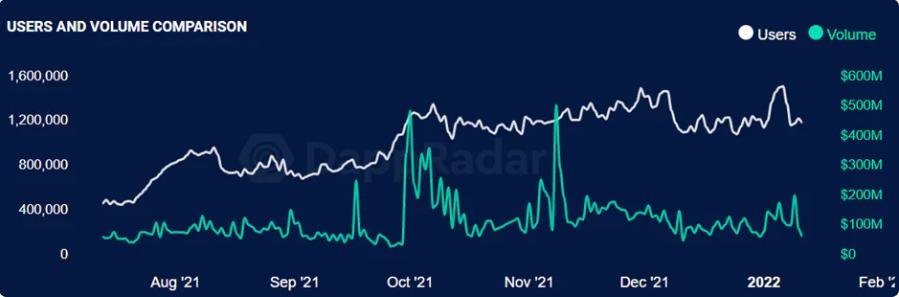
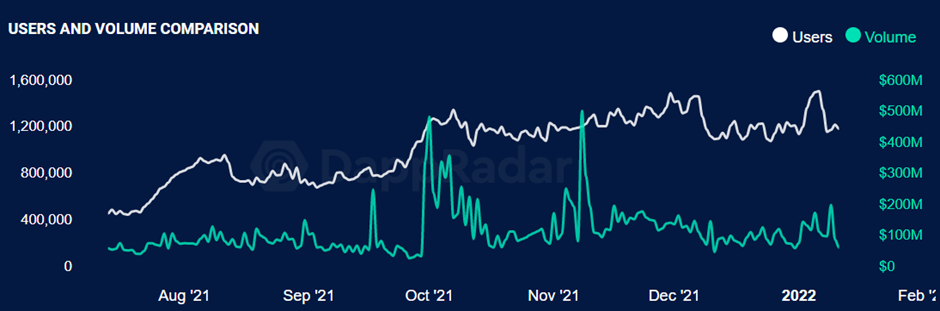
However, despite the significant decline in trading volume, the number of active users in blockchain games has been fluctuating upwards, rising from 470,000 at the end of July last year to 1.53 million at the beginning of January this year, more than tripling in half a year. This indicates that although trading volumes have dropped significantly after the market cooled down, new users continue to participate in GameFi.
GameFi NFT Asset Trading Volume
Source: The Block
Active Users in GameFi
Source: Dapp Radar
1.2 Multiple Ecosystems Flourishing
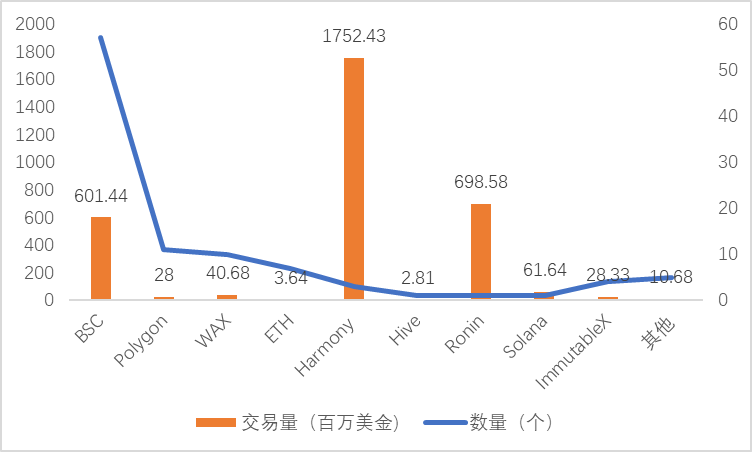
Due to the high performance requirements of GameFi, which necessitates lower transaction fees and faster transaction speeds, Ethereum sidechains, Layer 2, and other Layer 1 public chains can serve as the infrastructure for blockchain games. According to Dapp Radar's statistics on the top 100 GameFi Dapps by trading volume over the past 30 days, 57 are deployed on BSC, 11 on Polygon, 10 on Wax, 7 on Ethereum, 4 on Immutable X, and 3 on Harmony.
In terms of quantity, the GameFi ecosystem on BSC is quite large. BSC has been very enthusiastic about games in the second half of this year, with a series of P2E games characterized by competition, represented by Crypto Mines, emerging from the previous year's Crypto Blades. Although the quality of games in the BSC ecosystem has received mixed reviews due to some games' token prices and economic model designs.
However, GameFi has clearly become one of the main directions for BSC now, with low transaction fees and support from the Binance ecosystem making BSC one of the most suitable public chains for developing GameFi.
Additionally, there are instances where a single GameFi project drives the development of the entire public chain ecosystem. For example, Hive and WAX, where the card game Splinterlands has propelled the entire Hive's development, consistently ranking among the top five Dapps in active users and accounting for over 90% of Hive's total usage.
WAX also relies on Alien Worlds to drive the entire gaming ecosystem, with Alien Worlds accounting for half of WAX's activity. For Harmony, the largest contributor to GameFi trading volume comes from DeFi Kingdoms, which reached a trading volume of $1.76 billion in thirty days, making Harmony the public chain with the largest trading volume for GameFi Dapps.
The development of the entire public chain ecosystem driven by a single game further proves that the GameFi P2E sector is continuously growing and its influence should not be underestimated.
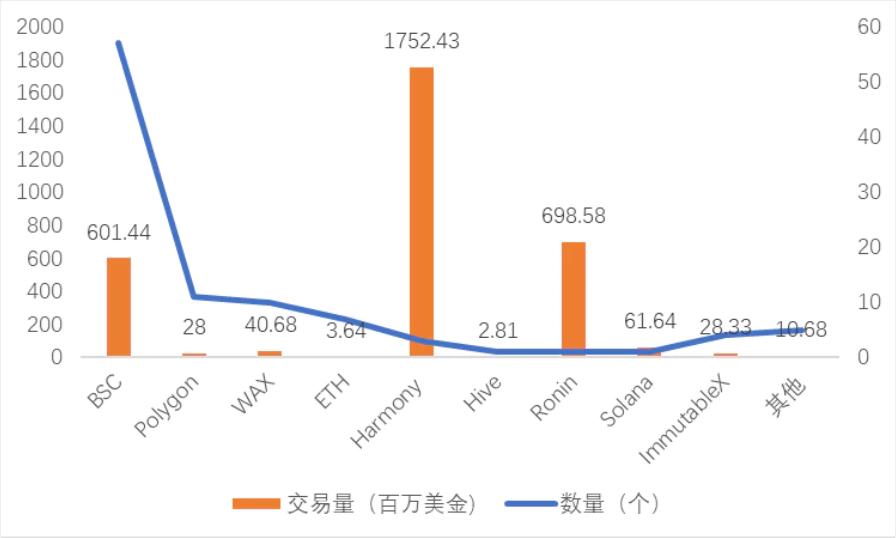
GameFi Dapp Distribution and Trading Volume Across Chains
Source: Dapp Radar, Hashkey Capital整理
1.3 Active Investment and Financing
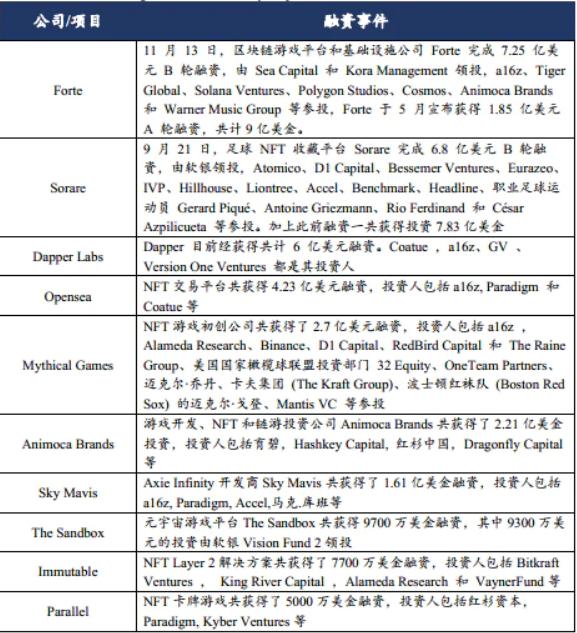
The development and progress of the GameFi sector in 2021 attracted the attention of numerous venture capitalists. In 2020, the investment amount in blockchain games was approximately $88.8 million, while the total investment in 2021 reached $4 billion, an increase of about 43 times. As of now, the total investment in blockchain games is approximately $5.4 billion, with traditional investments (VC) accounting for 85% and blockchain investments for 15%. The table below displays blockchain game financing events sorted by investment amount:
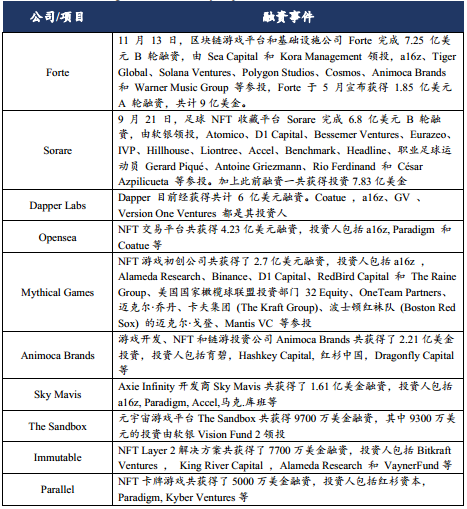
Data Source: blockchaingamer.biz, Hashkey Capital整理
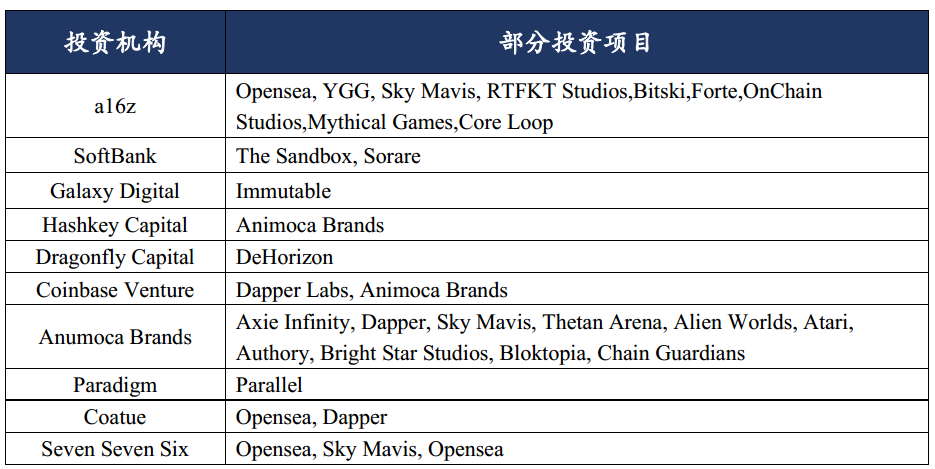
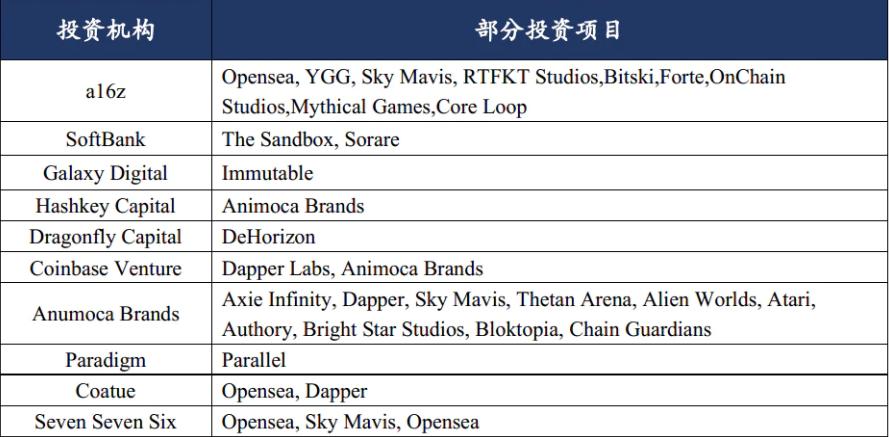
Data Source: crunchbase, Hashkey Capital整理
2. Strategic Directions
Through the analysis of the current market, we believe that the following four aspects are the key strategic directions that GameFi needs to focus on in the future:
2.1 GameFi with Stronger Gameplay
We believe that the current GameFi, primarily based on play-to-earn, possesses some gaming attributes compared to traditional games, but lacks strong gameplay. Whether in terms of narrative or graphics, these games generally emphasize "earn," while "play" occupies a relatively secondary position.
Many blockchain games currently on the market exhibit this characteristic, with most participating users being cryptocurrency players, resulting in varying game quality. After Axie Infinity, the November GameFi wave represented by games like Crypto Mines, Wolf Game, and BNX further illustrates that game items are primarily obtained through blind boxes, with very few combat and competitive scenes in the games.
There is more emphasis on strategy and competition, and the sustainability of economic models is relatively short. Some non-crypto players even view these blockchain games as "online gambling," leading to the emergence of many high-risk speculators in GameFi during this phase.
We believe that the GameFi sector is one of the most effective means to attract non-crypto users into the crypto space. The development of GameFi cannot rely solely on crypto-native players; attracting traditional gamers is crucial. High-quality blockchain games with stronger gameplay and playability will become the main direction for the future of the GameFi sector. The Nansen GameFi report also suggests that blockchain games need to evolve towards the next generation of high-quality games after play-to-earn.
However, for investors, while AAA-level blockchain games that require large funding and take years to launch may guarantee quality and have a low risk of running away or failing to deliver, they still carry certain risks. This is because the GameFi industry is subject to rapid changes in trends, and economic mechanisms and gameplay designs can undergo significant changes within a few months.
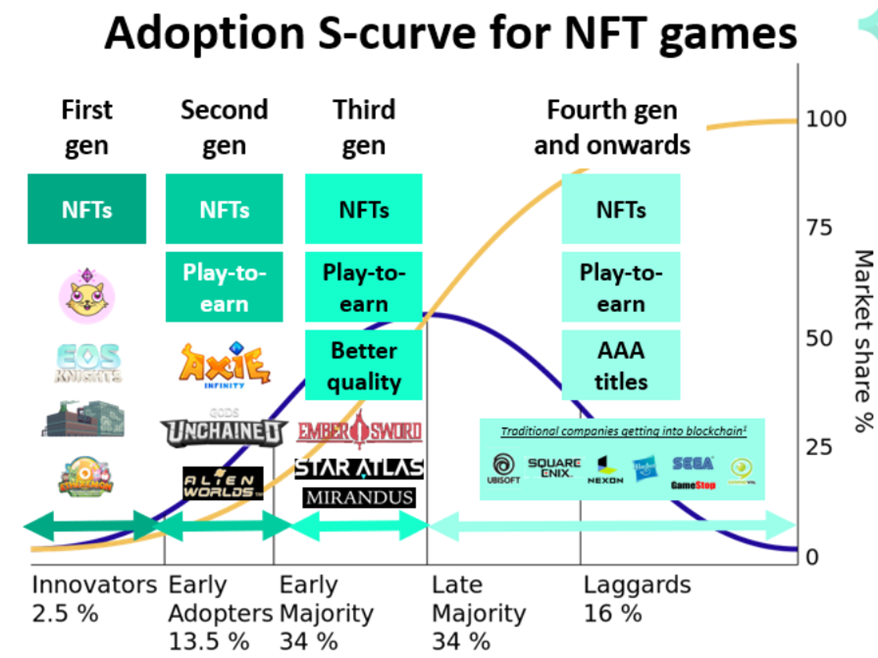
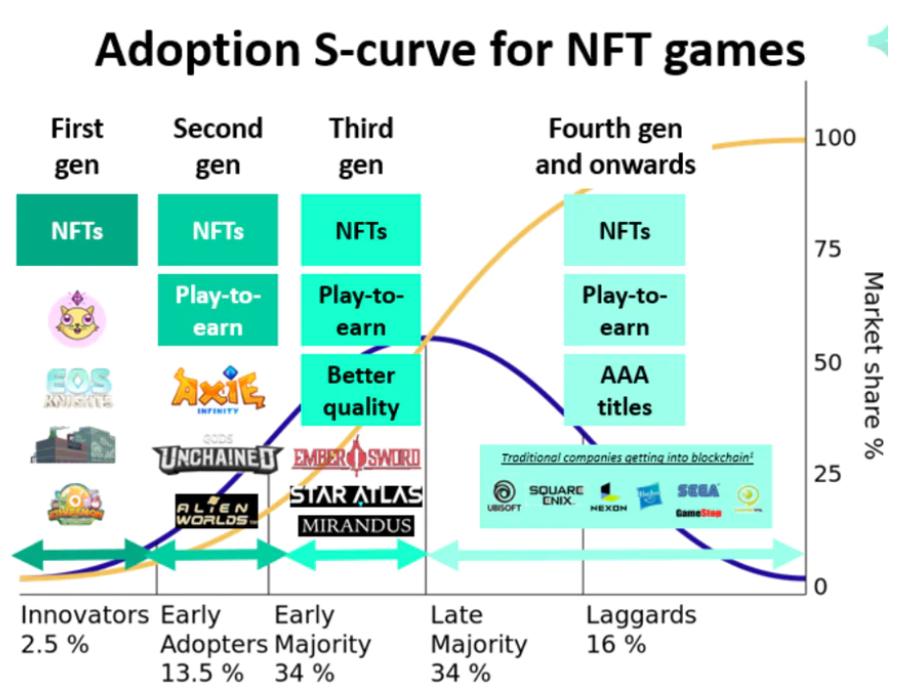
Source: Nansen
We believe the following three blockchain games exhibit strong gameplay:
2.1.1 Thetan Arena
Thetan Arena is a MOBA game referred to by many players as "the on-chain League of Legends," developed by the well-known Vietnamese traditional game company Wolffun, which was established in 2014 and created popular games like Heroes Strike. Thetan Arena is like the on-chain version of Heroes Strike, featuring several modes:
- Battle Royale (Solo/Duo): Become the last surviving player among twelve players, with all players tasked with attacking supply boxes and eliminating other enemies.
- Tower Defense: A 4v4 team mode where destroying the opponent's tower is considered victory.
- Deathmatch: A 4v4 team mode where players need to eliminate as many opponents as possible.
- Superstars: A 4v4 team mode where players need to accumulate points to win.
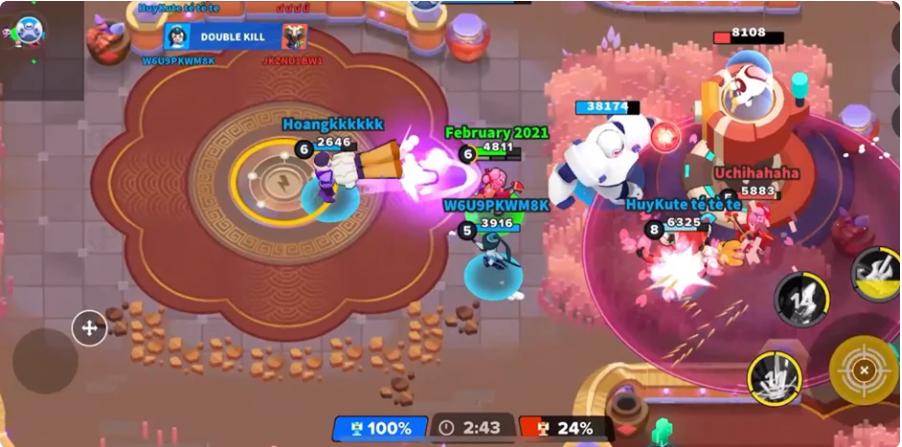
The game features two types of tokens: the governance token THG and the in-game token THC. THG can be used to purchase blind boxes and upgrade heroes, while users can earn it through PVE, PVP battles, and tournaments; THC can be obtained by completing tasks and improving rankings.
This game has several advantages:
- Diverse gameplay and strong playability, similar to League of Legends and Brawl Stars, allowing players to enjoy fun while earning.
- Operable on mobile devices, supporting users on PC, Android, and iOS.
- Short game duration, with each match lasting about 3-5 minutes, allowing players to utilize fragmented time to play.
- Free to play and earn, enabling users to experience the game and earn rewards without investing money.
- The team has a rich background in traditional game development, having produced several high-quality games.
- Numerous heavyweight partners and investors, such as Animoca Brands and Mask.
- High popularity: Currently, there are over 18 million players, with nearly 360,000 Twitter followers and 320,000 Discord community members.
However, during actual gameplay, there may be instances of lag, and there are many restrictions on withdrawals. Both THC and THG tokens require players to create accounts for at least 12 days, with withdrawals allowed every 48 hours, subject to fees and minimum and maximum withdrawal limits, which are related to the account's reputation. Reputation affects battles, rankings, and purchasing power in the marketplace, making this game more suitable for players who want to play rather than just earn.
2.1.2 Sidus Heroes
Sidus Heroes is a large-scale multiplayer online role-playing game (MMORPG) Sci-Fi game built on Ethereum, currently still in a relatively early stage, with only a demo version available on the official website, and the Marketplace and other features still under construction.
The game features twelve races, each with different skills, all related to blockchain, such as Polygopus, Solantrum, Bitcoione, and Polkacyon. There are four gameplay modules in the game: one is the PVP arena, where players can adjust strategies and combine different skills and weapons to battle other players; the second is the planetary exploration module, where players can purchase spaceships to explore space and conquer other planets through combat; the third is the land management module, where players can acquire resources by purchasing assets or conquering planets, managing and building their land, similar to RPG-style games; the fourth is the political module.
This module includes elections for parliament and parties, which relate to the future direction of the entire interstellar space. Players need to hold NFTs to enter the game, with the current avatar floor price on Opensea being 0.7 ETH, significantly lower than similar games like Star Atlas. Economically, it still adopts a dual-token model, with the in-game token being Sidus and the governance token being Senate.
The game's highlights include: 1. High-quality production and detailed graphics, with strong artistic value for avatars; 2. Rich game content with a complete and detailed storyline; 3. A compact roadmap with long-term plans, very detailed, providing a demo, while most AAA games on the market only offer a few images and promotional videos.
This is the only game where gameplay can be experienced; 4. The team's tokens are locked for four years, giving investors the impression that they are serious about developing this game; 5. Active social media presence: Twitter followers have exceeded 330,000, and Discord members are around 210,000.
However, we believe this game also carries certain risks, such as the investor lineup not being strong enough for an AAA title, the team members lacking experience in large-scale game production, and the relatively short development time.
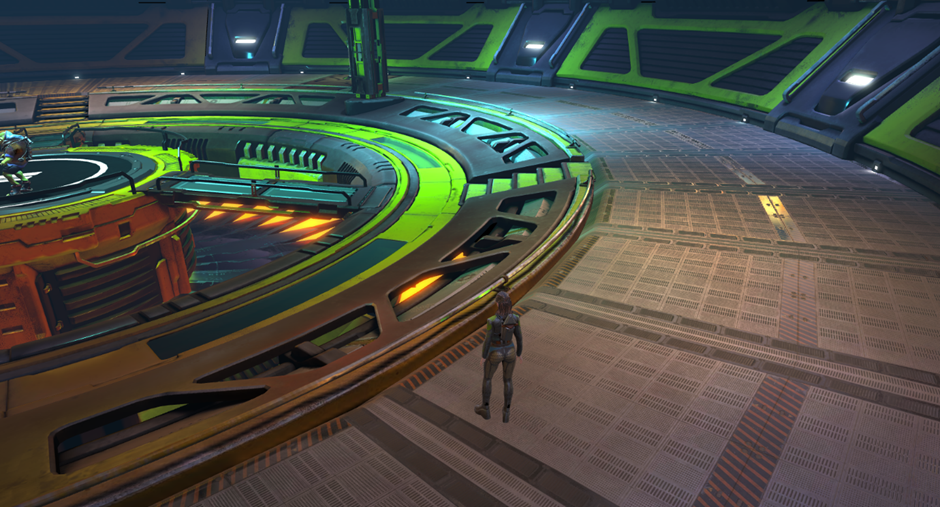
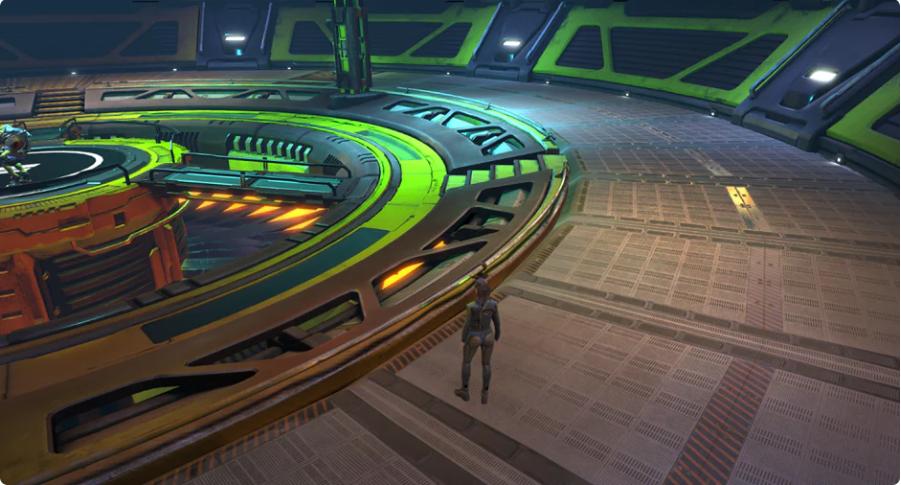
Source: SidusHeroes Demo
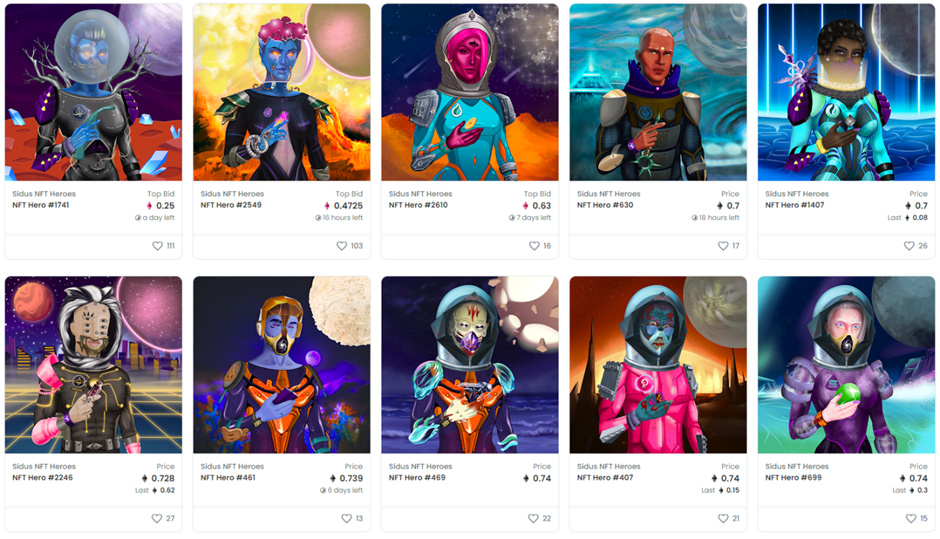
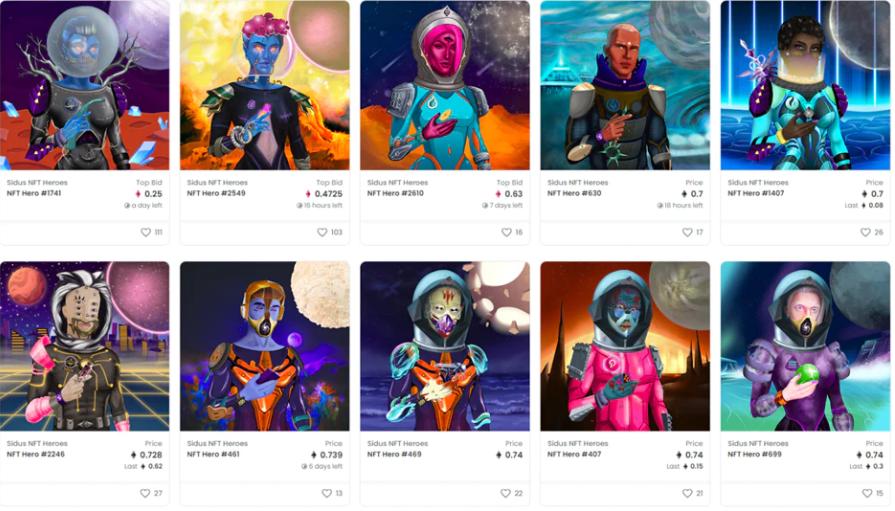
Source: Opensea
2.1.3 Illuvium
The story of Illuvium revolves around a spaceship discovering a mysterious planet sending out a distress signal. After the ship crashes, people attempt to explore and conquer the creatures known as Illuvials on the planet. Players can capture Illuvials and incorporate them into their teams, requiring crystal balls to capture these creatures, which players must mine resources from the planet to synthesize.
The game features both PVP and PVE modes, with Illuvials having different rarities and attributes of water, fire, earth, nature, and air, along with different professions. Players need to use their strategies to adjust the positioning of the creatures, which is somewhat similar to board games, but the battle scenes are also very well crafted. Players can also fuse different creatures to create more powerful ones.
According to official sources, there are still undeveloped plots in the game, which may be used for future game development or allow players to create their own games, thus forming a rich game ecosystem. Illuvium is expected to enter public beta in Q1 of this year, currently only allowing staking of the ILV token and the sale of NFTs, including creatures, weapons, armor, and skins. The game also employs a dual-token mechanism, with ILV used for governance and sILV as in-game assets.
Several highlights of Illuvium include:
- The artistic design and graphics are of very high quality, with strong gameplay (this is the game's biggest highlight);
- Built on ImmutableX, designed specifically for NFTs on Ethereum Layer 2, allowing players to avoid high transaction fees;
- Before the game launches, a DeFi Staking mechanism has been introduced to reduce selling pressure and bolster investor confidence, stabilizing token prices to some extent. The longer the staking time, the greater the APY coefficient (providing higher rewards for players intending to invest long-term);
- The team includes many experienced game developers, with co-founders Kieran Warwick and Aaron Warwick being brothers of Synthetix founder Kain;
- The investor lineup is quite strong, including YGG; 6. Strong social media presence, with nearly 250,000 Twitter followers and around 250,000 Discord members.
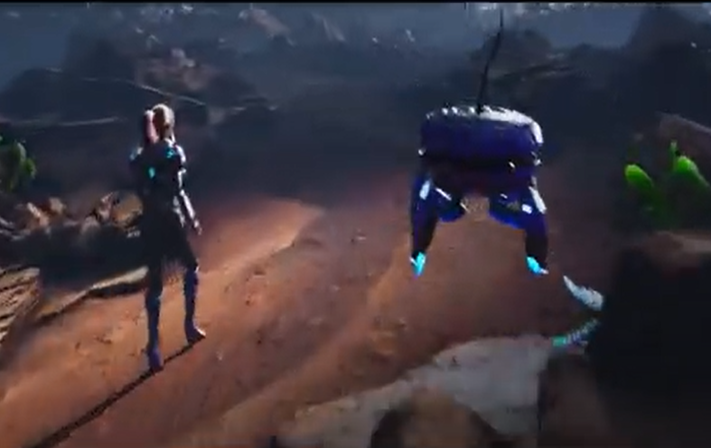
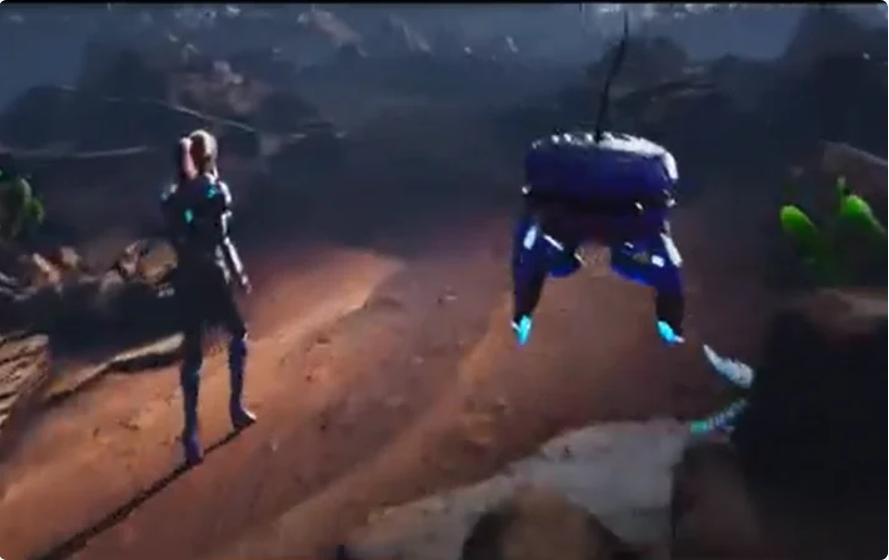
Source: Illuvium Trailer
2.2 "Steam for Blockchain Games"
The mechanisms and gameplay designs in the blockchain gaming sector change rapidly, and a single game and economic system may lead to slow user growth, with a lack of novelty in gameplay and mechanisms potentially causing user attrition.
Conversely, we should focus on the "Steam" of the blockchain gaming field, which consists of multiple blockchain games forming a game ecosystem. A multi-game ecosystem can provide more narratives (e.g., Metaverse) compared to a single game, and token economies can be applied across multiple games, creating a cycle with stronger interoperability among the games. Currently, noteworthy projects in the multi-game ecosystem include Gala and Mobox.
2.2.1 Gala Games
Gala Games is both a game developer and a game aggregation platform. In addition to developing games themselves, the team allows nodes to vote for other developers, attracting other game studios to integrate. Gala Games' NFT assets and Gala tokens are all based on Ethereum, while in-game transactions rely on their own network, ensuring asset security and maintaining game smoothness.
Gala's node ecosystem has already exceeded 26,000, with founder nodes sold to the public, currently priced at nearly 300,000 GALA. The rewards earned by nodes are based on three consensus mechanisms: Proof of Stake (validating network transactions), Proof of Work (providing computing power for the network), and Proof of Storage (providing storage support for the ecosystem).
Overall, the equipment requirements for nodes are not high, needing to run six hours a day, but the payback period for nodes is relatively long, with rewards halving each year. Nodes also have governance responsibilities, allowing them to vote on which games to launch and how funds are used.
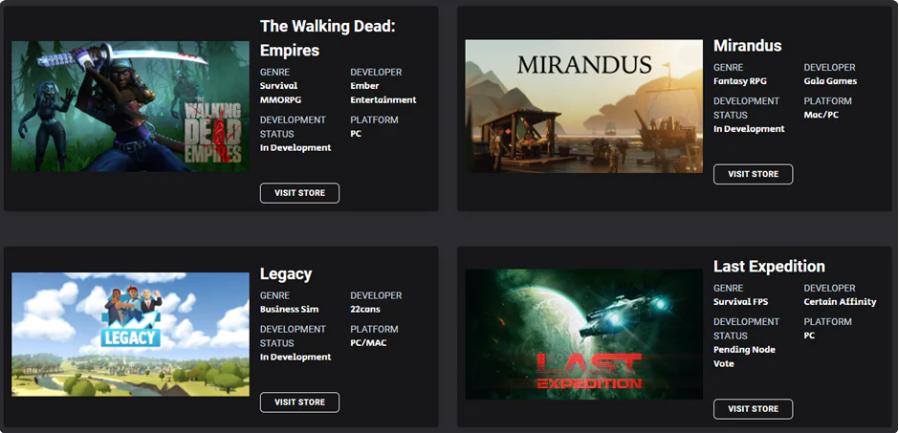
Currently, there are eight games in the ecosystem, with only the farming game Town Star and the multiplayer online battle arena (MOBA) game Spider Tank launched. The other games have only opened item sales, and GALA tokens can be used to purchase items from all games in the ecosystem. The sales situation for items before their launch in the ecosystem has also been relatively good.
Now, Town Star has transitioned from only providing ranked rewards to introducing P2E, allowing players to earn TOWN tokens by completing daily tasks. The two games currently launched by Gala have received positive feedback, and the future development of the ecosystem will largely depend on the quality of upcoming games. High-quality games will attract more users, and the increase in users will bring in more high-quality games, thus forming a positive cycle for ecosystem growth.
However, currently, the relationships between games in the ecosystem lack connection, with both narratives and economic systems being independent. The GALA token merely serves as a medium for transactions, without introducing DeFi gameplay. In the future, we look forward to more diverse interactions among games within the GALA ecosystem.
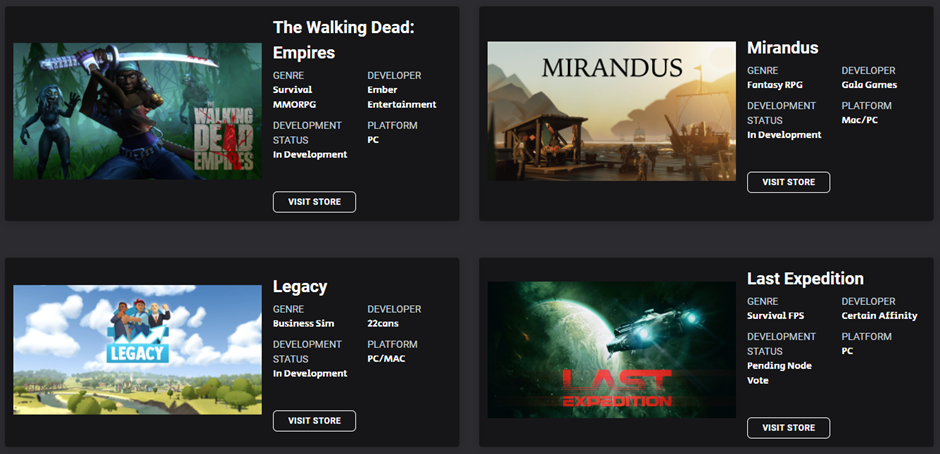
2.2.2 Mobox
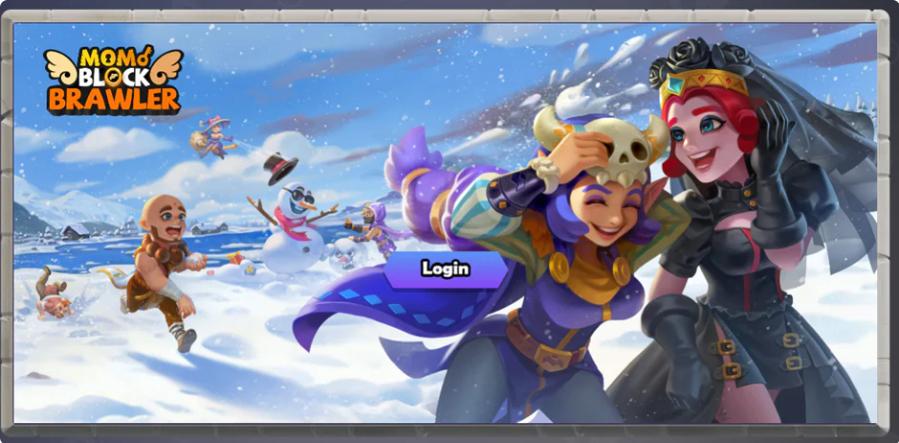
Mobox is a comprehensive platform that combines DeFi, NFT, and GameFi, with the main goal of creating a GameFi platform that is easy for players to earn while being developer-friendly. In November 2021, Binance Labs made a strategic investment in MOBOX, jointly establishing the gaming fund MetaFund.
Currently, there are four ways to earn on Mobox:
- Liquidity Mining: Players can participate in liquidity mining by staking MBOX-BNB as LP, with the current platform APY around 100%. An advanced play is to freeze MBOX to obtain veMBOX, which can accelerate LP staking rewards. Freezing does not equal staking, and frozen tokens do not earn additional staking rewards.
- MOMO NFT Mining: The earnings from NFT mining depend on the computing power of MOMO NFTs. If a team of MOMO is formed, it will receive a 300 computing power bonus. Teaming up with MOMO not only allows participation in MOMO NFT mining but also in P2E games to earn rewards.
- Purchasing BOX Blind Boxes: Players can purchase blind boxes, open them, and sell the MOMO obtained in the market for profit. If a rare, legendary MOMO is opened, players can achieve considerable earnings.
- Play to Earn: Currently, there are three P2E games on the MBOX platform—Gold Master, Block War, and ChainZ Arena. Players can earn MBOX rewards by competing in ranked matches or renting MOMO to participate in games. Block War has also partnered with YGG. The short-term goal of the project is to attract more high-quality games to the platform and become a leading game distribution platform.
Game Block War
Source: MOBOX
It is worth mentioning that the MBOX token has a buyback and burn mechanism, with 80% of the platform's profits automatically entering the buyback pool. When the MBOX price falls below the average price over the last 72 hours, the smart contract will automatically purchase and burn from the secondary market, which will help stabilize the token price.
Overall, MOBOX is built on DeFi infrastructure, empowering DeFi and GameFi through NFTs, deeply integrating the three. Players can earn MBOX through liquidity mining in the farm, use MBOX to purchase blind boxes to obtain MOMO pets, and the MOMO obtained can help players earn in games. The MBOX earned from P2E can be reinvested into the liquidity pool, forming a cycle within the ecosystem.
2.3 Gold Farming Guilds
GameFi's play-to-earn differs from traditional games' play-for-fun. In addition to game participants, a group of gold farmers has emerged, giving rise to guilds that provide game NFT item rentals, game strategy training, breeding, and scholarship programs. Guilds typically enter the game by renting NFT items and share the income from gold farming with players, while also charging certain service fees.
Some game guilds, such as YGG, also invest in GameFi projects, participating in angel rounds and private placements to acquire project tokens or high-quality NFT items, forming their own game ecosystems. Currently, game guilds are mainly concentrated in Southeast Asia and other third-world countries, where blockchain game guilds have lowered the entry barriers for players by renting items and have effectively improved the lives of local impoverished communities through training and gold farming.
Most guilds originated from Axie Infinity, and as Axie Infinity's income declines, transitioning to other high-quality games is a challenge that game guilds must face. In addition to the well-known YGG, other second-tier gold farming guilds are also worth noting:
2.3.1 Avocado Guild
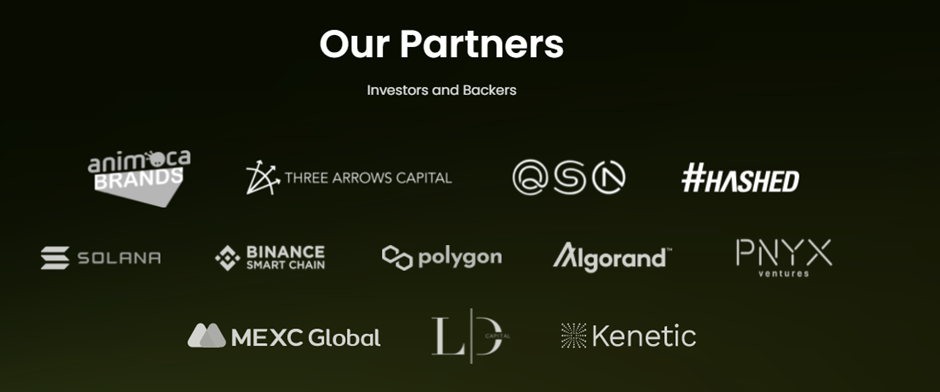
Avocado Guild completed a $18 million Series A financing round in November last year, setting a record for Series A financing in blockchain game guilds. Investors include Animoca Brands, QCP Soteria Node (QSN), Three Arrows Capital, Solana, and Binance Capital Management, among others, with a post-investment valuation exceeding $200 million.
As of now, there are over 10,000 scholars, mainly concentrated in Southeast Asia, such as the Philippines and Malaysia. The games supported by Avocado Guild include Axie Infinity, Theta Arena, Cyball, REVV Racing, Sipher, Elpis Battle, and Big Time Games.
Avocado Guild Investors and Supporters
Source: avocadodao.io
The revenue share between Avocado players and the guild is 50-50, unlike YGG and other guilds that typically have a 30-70 or 40-60 split. While players receive relatively lower earnings, AG can still attract thousands of scholars to join the guild. AG's main advantage lies in its excellent operations; AG's players are not just gold farming machines but turn gold farming into a job. AG places greater emphasis on educating community members about blockchain, DeFi, and other knowledge, forming a mutually beneficial relationship, advocating for education, and earning wealth through gold farming.
Avocado Guild also organizes offline events, publishes guild newsletters, and has used guild resources for various charitable activities, fostering a stronger sense of belonging and community engagement among members, which in turn contributes more to the community, ensuring stable DAO revenues and forming a virtuous cycle. The more positive the image of AG's organization, the more it can recruit trustworthy players, rather than those who might steal guild accounts by not following guild guidelines.
2.3.2 Achip & Achair Guild (AAG)
AAG is a rising star among blockchain game guilds. At the end of November last year, AAG completed a $12.5 million private placement round, led by Shima Capital, Trible Capital, and Tess Ventures, with other investors including Republic Realm, Hashkey Capital, Portico Ventures, ViaBTC Capital, and Harmony. The biggest difference between AAG and other blockchain game guilds is that P2E gold farming is just one of its business lines. AAG's business lines include four parts:
- P2E Platform
AAG envisions a cooperative relationship with other guilds rather than a competitive one. The P2E Platform is an interactive environment that combines players, investors, and guilds. It includes a game library in collaboration with AGG and plans to develop its own marketplace, which will also integrate other markets like Opensea. - It will also integrate a game dashboard, including overall earnings statistics, participation time statistics, and management tools for the guild, including scholarship payments, performance monitoring, and in-game Axie automation breeding tools.
AAG P2E platform
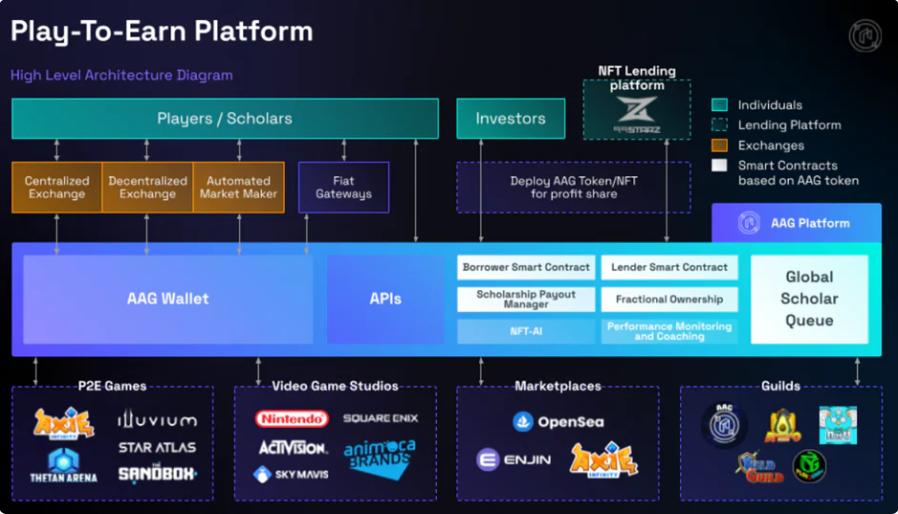
Source: aag.ventures
- P2E Guild
AAG's gold farming guild has already acquired 1,500 scholars playing Axie within seven weeks, with over 2,000 scholars in seven countries and regions, mainly distributed in the Philippines, Indonesia, Brazil, India, Colombia, Nigeria, and Argentina. AAG shares revenue with players at a 60-40 split, allowing players to earn the majority of the income. - Learn to Earn
AAG aims to establish a Learn to Earn platform that enhances players' employability while they engage in gold farming. Players can earn AAG tokens by taking courses on the platform. Planned courses include basic education, financial literacy, information science, public health, and social welfare, with potential interest and support from government entities, companies, or non-profit organizations. - Foundation
AAG Foundation is a non-profit organization aimed at promoting self-sustaining charitable programs.
It is worth noting that AAG's wallet plan allows players to convert any tokens earned from gold farming into AAG tokens, making the withdrawal process smoother and more friendly for blockchain newcomers.
2.4 Auxiliary Tools
Auxiliary tools for blockchain games are derivative products of the GameFi sector. We believe that as the GameFi sector grows, the role of auxiliary tools will become increasingly important for players, developers, and project parties, including data monitoring dashboards, low-barrier game development tools, DAO operation management tools, and more.
2.4.1 Game Maker (The Sandbox)
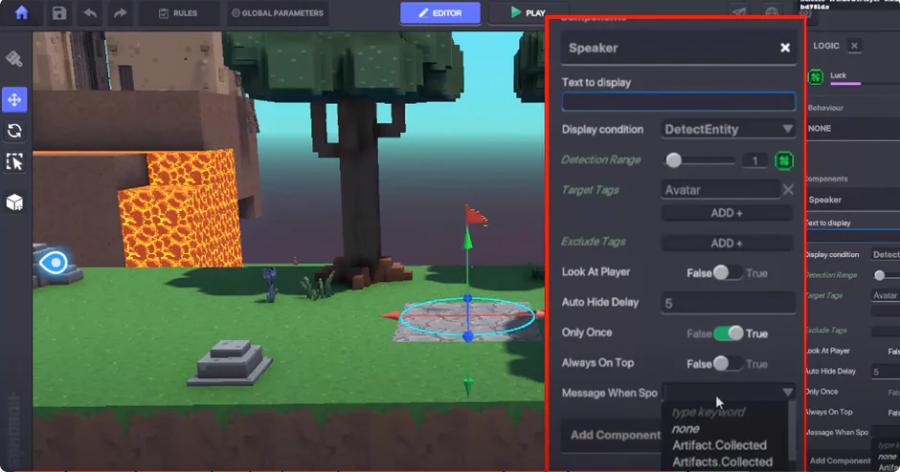
Game Maker is a game development program provided by The Sandbox, designed as a UGC game creation tool for users. Players can create games without needing programming knowledge, using existing elements to place on LAND plots or directly build on The Sandbox's templates. Game Maker is very friendly for independent and small teams, providing a wealth of high-quality elements and assets for players to build with, allowing them to focus on game development without spending too much time creating assets.
The $2 million Game Maker Fund was established in October 2019, specifically to reward users who develop games on The Sandbox platform. This fund is supervised by a DAO, and several game projects have already entered production.
On December 24, The Sandbox held the SAND Play game creation competition, requiring players to use Game Maker to create a sports-related experience, with a total prize pool of 50,000 SAND to encourage more creators to participate. We believe that as UGC games develop, it will be important to focus on simple, user-friendly tools specifically designed for game creation.
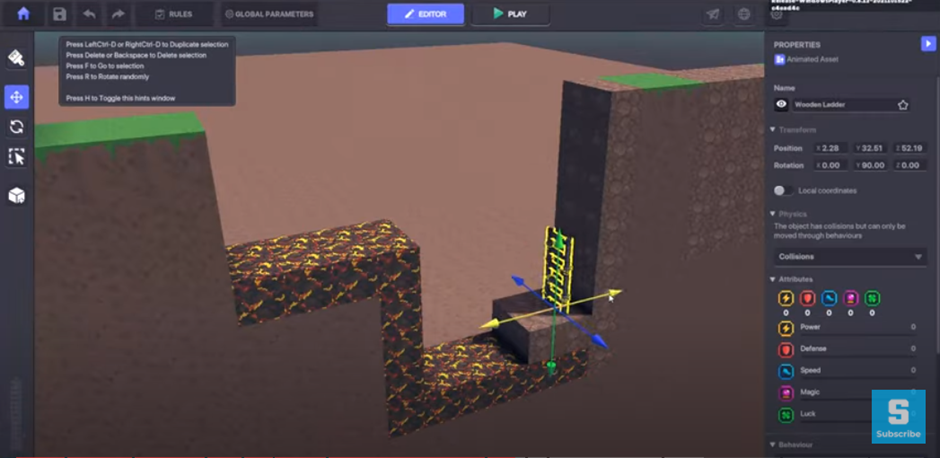
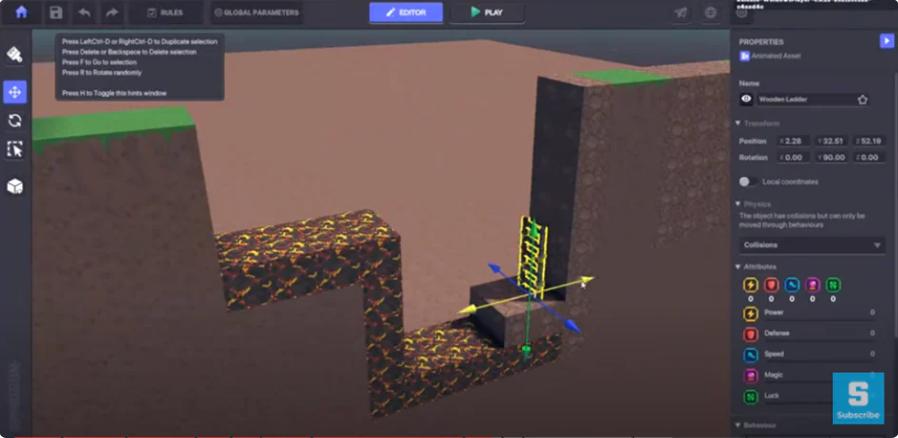
Source: Game Maker (The Sandbox)
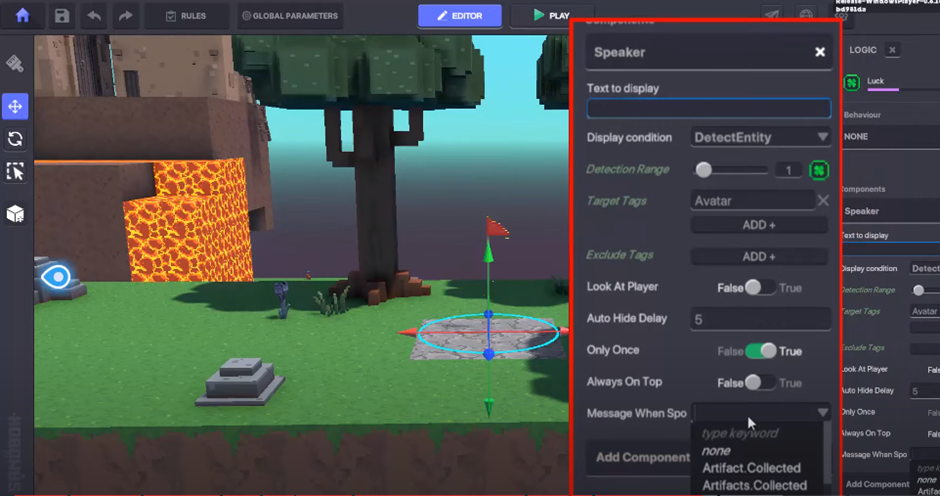
Source: Game Maker (The Sandbox)
2.4.2 Gametaverse
Gametaverse is a dashboard specifically designed for GameFi. Currently, most data about GameFi comes from Dapp data websites' Game sections, such as Dapp Radar and nonfungible.com, lacking a dedicated data statistics and analysis website focused on the GameFi sector. We believe that as the GameFi sector continues to develop and grow, it needs its own one-stop portal.
Investors in Gametaverse include Animoca Brands, Dragonfly Capital, YGG, YGG SEA, and others, with a strong lineup of investors. Additionally, the project's advisors include well-known KOL Mr. Blockchain and Brian, co-founder of YGG SEA.
The features of the Gametaverse platform include:
- GameFi token ranking: Tokens can be ranked by growth rate, active user count, trading volume, and market cap;
- Upcoming events: Including project IDOs, Airdrops, AMAs, etc.;
- Project reports and blogs: Connected to Medium;
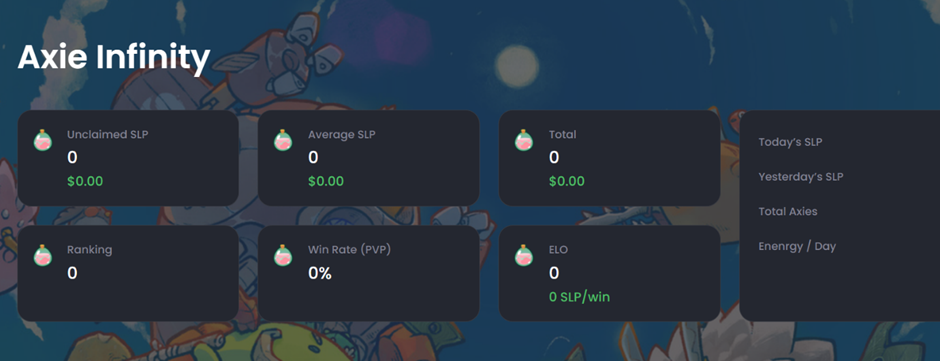
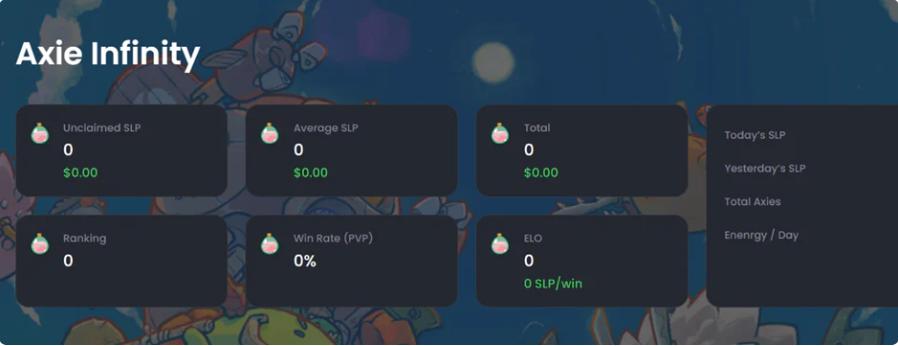
- Earnings estimation: Users can connect their wallets to enjoy the earnings estimation feature, currently supporting four games—Axie Infinity, Farmers World, REVV Racing, and Thetan Arena. We believe this is one of the platform's biggest highlights.
- Staking: Users can stake the platform token GTA to earn rewards.
Axie Infinity Earnings Estimation
Source: gametaverse.io
We believe that future GameFi dashboard data websites can develop in a more refined direction, such as differentiating by ecosystem: GameFi on BSC or GameFi on Matic, etc.
 Risk warning
 Risk warning
Popular articles





