Foresight Ventures: Bear Market, Returning to the Formula of Paradigm Shift to Find Investment Opportunities

 We have just experienced the super deleveraging of Luna, and many people are very frustrated. However, as long as we return to the thinking of paradigm shifts, this is still the most promising industry.
Author: Forest, Foresight Ventures
The Formula for Paradigm Shift
The formula for paradigm shift has been continuously validated for over two hundred years since the first industrial revolution in 1769, with steam engines, alternating current, the internet, and Bitcoin.

The formula for paradigm shift has been continuously validated for over two hundred years since the first industrial revolution in 1769, with steam engines, alternating current, the internet, and Bitcoin.
Demand and Technology Cannot Succeed Alone
Amazon, valued at $1.5 trillion, started as an online bookstore. Bezos discovered that the book market was huge but had low concentration, with high intermediary fees and costs for physical stores.
Here, the user demands are: 1. Lower prices; 2. More titles; 3. Faster retrieval of titles.
And the technology meets these demands by: 1. Internet commerce does not require the costs of physical stores and incurs lower labor costs; 2. Compared to the limited space of physical bookstores, internet storage is almost unlimited; 3. Electronic retrieval significantly shortens the time needed to find titles.
The world's largest unicorn, ByteDance, has seen its subsidiary TikTok's revenue surpass the combined total of Twitter and Snap. Founder Zhang Yiming's original intention was to use algorithms to push content to users. He experimented with comics, jokes, news, and short videos, achieving varying degrees of success, with the short video app ushering in a new era of the internet.
Here, the user demands are: 1. Diverse content; 2. Content that carries more information; 3. Content that aligns with their preferences; 4. Social relationships based on preferences.
When Zhang Yiming first sought funding, he did not receive much recognition from VCs. Shen Nanpeng mentioned two main reasons in an interview: 1. The algorithm-based content recommendation model had not succeeded before. 2. Other giants were making similar attempts.
ByteDance's success is inseparable from technological support: 1. Zhang Yiming developed an algorithm that better meets user needs. 2. 4G brought faster internet experiences, making online short video viewing possible. 3. Short videos carry more information than text, images, or sound. 4. High-frequency content loading allows the algorithm to gather more data, quickly optimizing push results.
These two examples suggest that technology determines whether a paradigm shift occurs, which is often stated as technological revolutions leading to business revolutions. Let’s find some examples where technology was sufficient but still failed due to a lack of demand.
The Segway scooter, which gained attention when a reporter rode it into sprint world champion Usain Bolt during the Beijing Olympics, was discontinued in 2020.
Various new medical devices failed to gain market acceptance largely because doctors needed more patients, not cooler operating rooms.
CB Insights once listed 20 reasons for startup failures, among which the biggest reason was developing products without analyzing demand, accounting for 42%.
Narratives are the Bonds of Human Society
1. The Importance of Narratives
First, let’s quote Everett Rogers' innovation diffusion theory model, where users experience a process from Awareness to Adoption, with a slope that rises and then falls. In the complete innovation cycle, dissemination also spirals upward.
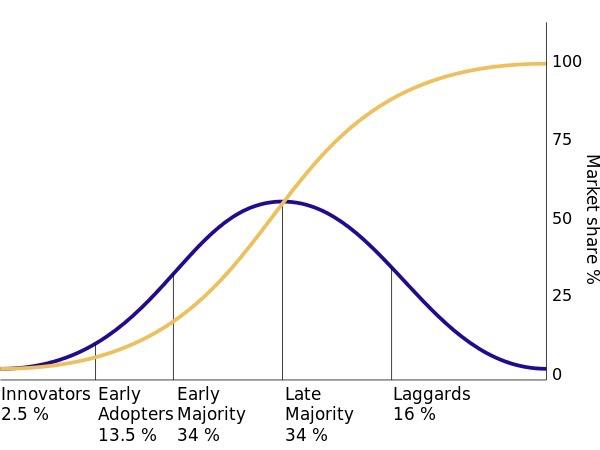
Narratives are crucial in human social change. Narratives are the foundation of social organization trust. Yuval Noah Harari writes in his book "Sapiens" that Homo sapiens could convey the existence and non-existence of things through language 70,000 years ago. Narratives convince people to believe in deities and can lead them to work for unknown bosses. Narratives are also a core way of transferring and storing human knowledge. Through continuous repetition and inheritance, narratives are reinforced, guiding human behavior. The humanistic spirit of ancient Greece and Confucian culture still significantly influences countries, governments, and industries in the East and West today.
In the Crypto world, the ability of narratives is often mentioned. Gavin Wood coined the term Web3 in 2014, during which pioneers like Chris Dixon continuously explained and reinforced this term. Projects like Polkadot and Dfinity have actively worked to realize this vision. Similarly, concepts like Metaverse, DAO, Ownership, and most importantly, Decentralization.
Let’s analyze the narrative process and details of BAYC: born from the rebellion of the new forces of Web3 against the traditional world; emphasizing brand membership; expanding ecological content; granting commercial rights to NFT owners; airdropping NFTs and issuing Apecoin; acquiring more NFT IPs; creating Metaverse, Game, and Movie; developing public chains and marketplaces, etc.

NFTs, especially those driven by narratives, lack utility, and this "uselessness" attribute allows their valuation ceiling to be infinitely high.
We must admit that in the secondary market during a bull market, price performance can be said to be primarily driven by narratives. It can support a market value of billions of dollars without products and actual users.
2. How to Narrate
What is a good narrative? Concise and engaging.
What is a bad narrative? Lacks focus, does not address pain points, and is hard to understand.
We can see that even the largest companies in the world can summarize their narratives in one sentence:
Apple: Creating world-class designed products and protecting user privacy.
Alibaba: Making it easy to do business anywhere.
A startup team usually needs an excellent narrative to attract like-minded employees, draw VC investors, attract users, and engage public market holders. If a startup team lacks a strong narrative, its chances of success will be significantly reduced. Overly grand and hard-to-understand narratives are often too big to launch. In actual financing processes, the ability to narrate often has a significant impact on valuation.
3. Narratives Are Not a Panacea
We must recognize that narratives are important, and sometimes even more important than data in driving capital market prices. However, narratives alone cannot truly bring about paradigm shifts. We know that projects like on-chain exchanges and blockchain games emerged in the last cycle but did not succeed at that time.
Allow me to use Loot as an example of a failed narrative. Loot can be considered a phenomenon-level product in 2021, rising rapidly with numerous supporters, leaving a deep impression. Multicoin Capital invested tens of millions of dollars, but to this day, it has dropped by 95%. At this moment, we can say that Loot has failed to some extent.
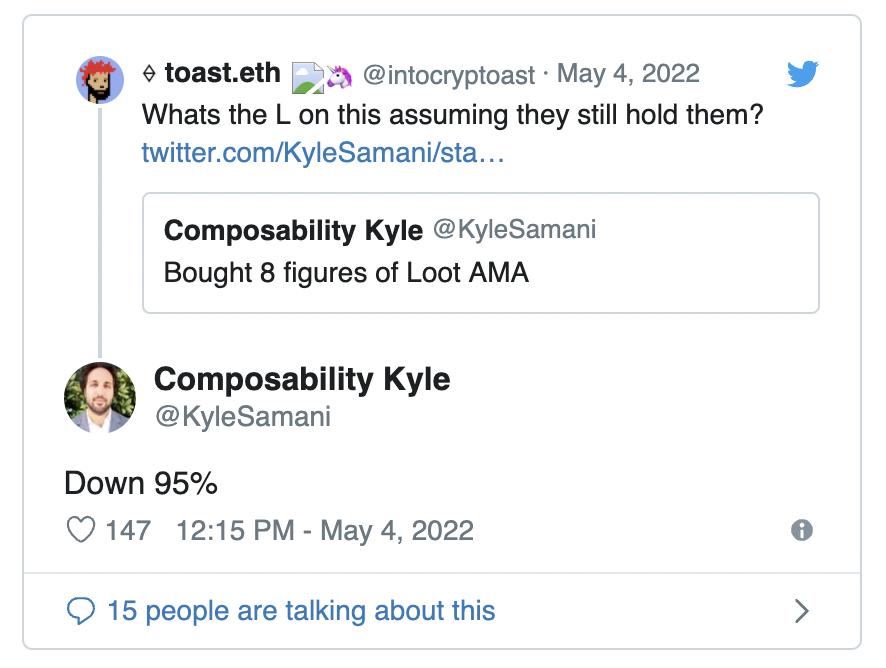
The narrative of Loot is indeed interesting: granting the community bottom-up open creation rights.
Players have praised it in many ways:
- The Ethereum of NFTs
- Decentralized fundamentalism
- Infinite compatibility and scalability
Within a week, the price rose from hundreds of dollars to tens of thousands of dollars, quickly spawning a series of derivative projects like Rarity, Loot Realm, and TreasureDAO.
Why did Loot fail?
- As an asset, the forking threshold is too low, making it easy to create better Loot.
- Co-creation does not equal orderly writing, making it difficult to create excellent products.
- A chaotic community struggles to form a consensus.
Technological Iteration Power
Rome was not built in a day, and paradigm shifts also rise in a tortuous manner, ultimately occurring after reaching a critical point. The ability of technology to iterate will significantly affect its large-scale application and may even lead to its replacement by other technological solutions.
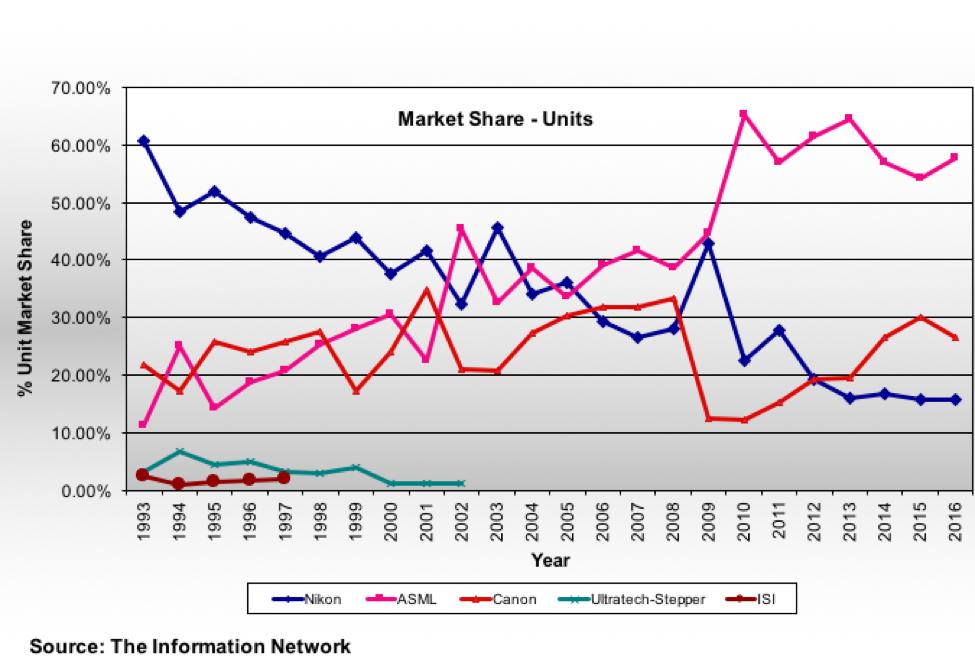
In the 1980s, Nikon once held over 50% of the lithography machine market. By 2020, Nikon's market share had dwindled to 8%, while ASML surpassed 60%, with only ASML capable of producing EUV lithography machines. In 2004, ASML collaborated with TSMC's Lin Benjian to boldly attempt immersion lithography technology, reducing the light source wavelength from 193mm to 132nm. Nikon, on the other hand, was more conservative in architectural innovation, with its new products having a wavelength of only 157nm, falling far behind. In this example, Nikon had stronger technological accumulation and production capacity but failed due to insufficient openness in iteration.
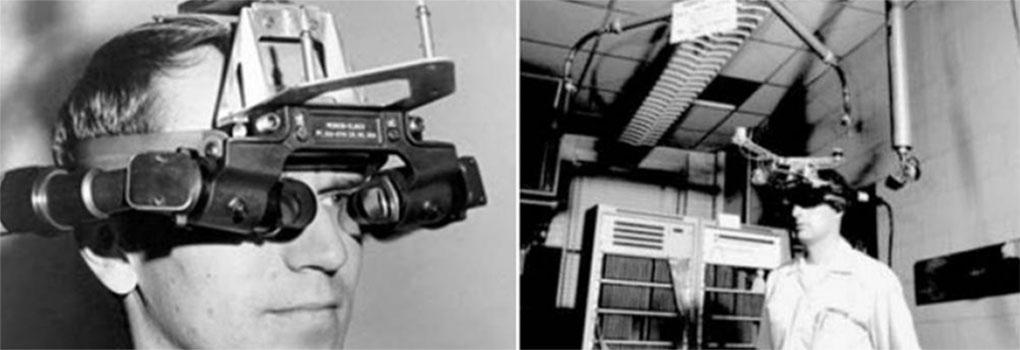
The development of VR devices more clearly reflects the impact of technological iteration speed on large-scale application. Leaving aside products from the last century, the Oculus Rift was launched in 2012, and countless developers worked for a decade to create excellent products like HTC VIVE and Valve Index. However, to this day, VR devices have not become as ubiquitous as smartphones and TVs. The large size, low resolution, and frame rate are the main issues affecting the experience. Even if we determine that VR devices will be the mainstream of future interaction, the speed of paradigm shift is severely constrained by the power of technological iteration.
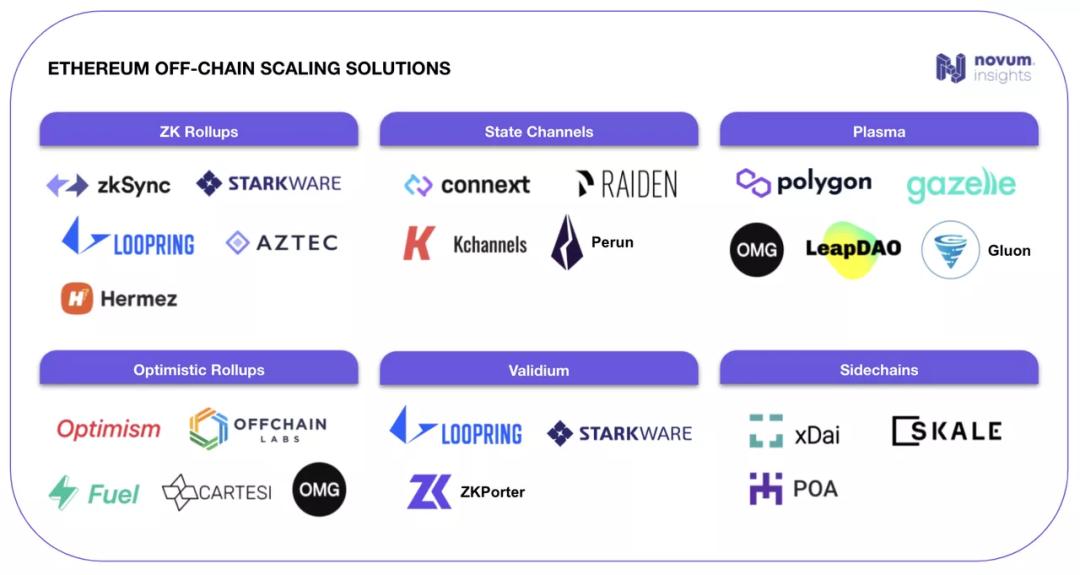
The development of technologies like blockchain scalability will also dominate the speed of upper-layer application development and user acceptance. Currently, the TPS and finality of blockchain are significantly behind centralized servers.
Barriers
Here, we mainly discuss learning barriers, usage barriers, and switching barriers.
Learning barrier: The difficulty for users to go from 0 to mastering the basic capabilities of using the product.
Usage barrier: The cost of time, money, and other conditions that users need to invest to use the product.
Switching barrier: The cost and sacrifices users must make to switch from other products to this product.
Stepn is an excellent example here.
The learning barrier for Move to Earn is 0; everyone can walk.
There is not much difference in running habits among people from different countries.
The app's operation is not particularly difficult compared to traditional running apps.
The main usage barrier for Stepn is the monetary cost of purchasing running shoe NFTs, which typically range from $1,000 to $2,000. Of course, if users wish to upgrade or purchase rarer NFTs, they will need to spend more.
The entry cost is acceptable even for non-Web3 users. This is an important reason for Stepn's success, and not all business models can apply the Web3 model in this way.
However, the switching barrier of the Stepn model is not high, which poses a challenge for user retention. When faced with similar competitors, users only need to sell their NFTs and download a new app. Of course, it does not mean that competitors will have better anti-cheat measures, economic models, or more stable returns; I am merely expressing that when users wish to switch to a new app, their actual cost is relatively low.
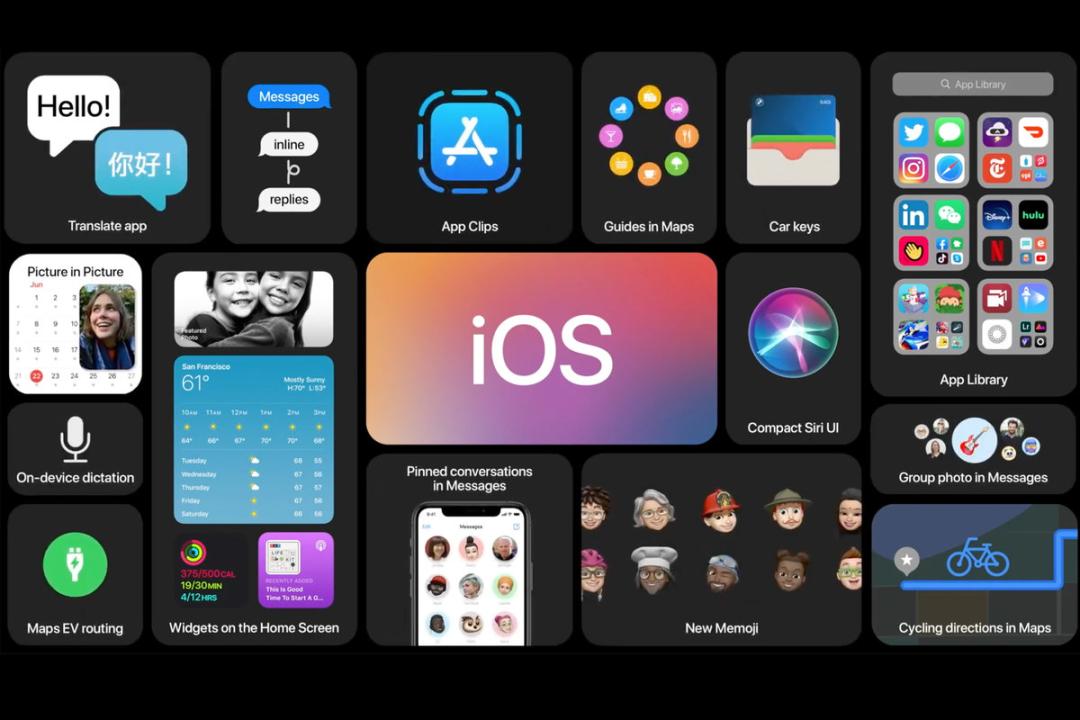
The iPhone has a very high switching barrier. Most people think of Apple as a hardware manufacturer, but I believe its biggest barrier comes from its software ecosystem. It is well known that iOS is a relatively closed system, with its own operating system, programming language, and office and entertainment suites. More importantly, its iCloud service stores user data, which not only backs up photos but also records user behavior habits. When users switch to a new iPhone, they can seamlessly transition by copying data, retaining all their original habits and experiences. However, switching to an Android system is very difficult, meaning users need to spend weeks learning how to use a new device.
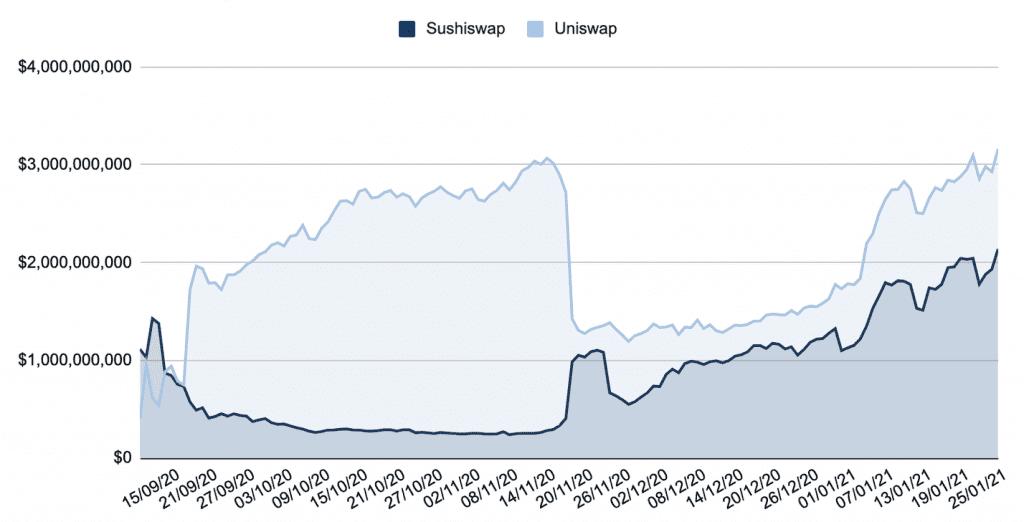
Uniswap once faced challenges from low switching barriers when Sushiswap launched an LP attack, quickly incentivizing and taking away most of Uniswap's LPs. This forced Uniswap to issue tokens to cope with competition. With the launch of Uniswap V3, Uniswap did not open-source its code, increasing its switching barrier, achieving higher capital efficiency, better reputation, and establishing a stronger moat.
Looking Forward to the Occurrence of Paradigm Revolution
The paradigm revolution will be a revolution based on the technological characteristics of blockchain and crypto and human needs.
Technological characteristics include: decentralization, interoperability, programmability, and composability.
Needs include: ownership, asset protection and appreciation, speculation, showoff, privacy, etc.
Let’s use first principles to envision what the underlying paradigm revolution of crypto might entail:
- Lower customer acquisition costs
- Lower transaction costs
- Perpetual, non-custodial operating environments
- Open protocols and composable apps
- Token-oriented programming
- User-owned platforms, assets, data, and identities
- Immutable trust systems
- New sources of income
- New types of stablecoins
- New organizational forms
- And more
Thus, this article completes the analysis of the formula for paradigm shift. We have just experienced the super deleveraging of Luna, and many people are very frustrated, but as long as we return to the thinking of paradigm shift, this remains the most promising industry. We will re-experience the resonance of capital cycles, innovation cycles, and talent cycles. Looking forward to new narratives, new models, and new leverage.
 Risk warning
 Risk warning