






Comprehensive Analysis of Bitcoin ETF: Definition, Progress, Controversies, and Potential Impact

 What exactly is a Bitcoin ETF, why are they so important, and what are the obstacles?
Written by: Blockchain Today
Translated by: Huo Huo, Baihua Blockchain
Among mainstream financial professionals, Bitcoin exchange-traded funds (ETFs) are seen as the holy grail that could truly propel cryptocurrencies into the spotlight alongside stocks and bonds. But what exactly is a Bitcoin ETF, why are they so important, and what are the obstacles? This comprehensive guide aims to unveil all the information you need to know about this coveted prize in the race for the mass adoption of cryptocurrencies.
1. Defining Bitcoin ETFs
An exchange-traded fund (ETF) is an investment tool that tracks a basket of underlying assets. ETF shares are traded on exchanges like stocks. Because ETFs simplify investments in commodities, stocks, bonds, and other assets, they manage trillions of dollars. Now, Bitcoin and other cryptocurrencies are seeking the same model.
A Bitcoin ETF will provide regulated, liquid exposure to Bitcoin price movements by tracking futures contracts rather than directly holding BTC. Top ETF issuers like Vanguard eliminate tail risks by using futures hedging.
In simple terms, crypto ETFs provide indirect exposure to Bitcoin investments without the need for self-custody or understanding its complex technologies (like digital wallets). Given Bitcoin's reputation for complexity and risk, this is expected to eventually open the capital floodgates for conservative institutional investors who are cautious about directly trading Bitcoin.
2. A Brief History of Bitcoin ETF Proposals
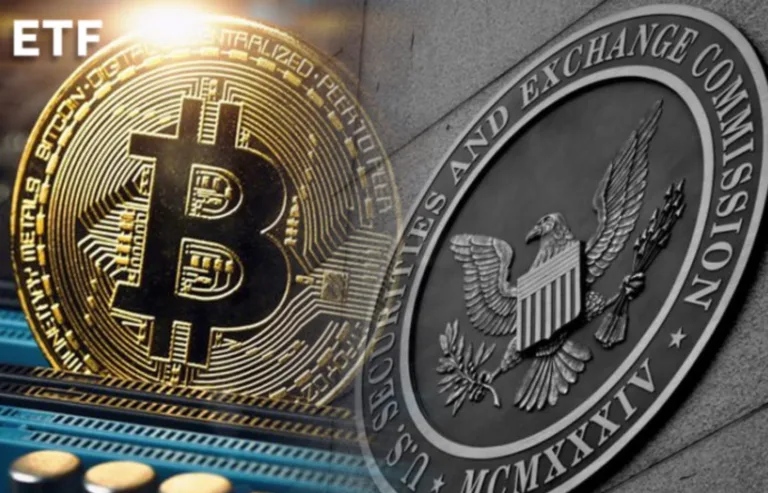
Since the Winklevoss twins (famous for Facebook) applied for approval of the first U.S. Bitcoin ETF in 2013, the race to approve the first Bitcoin ETF has been ongoing for nearly a decade. However, the SEC has consistently refused to approve applications—over a dozen applications have been rejected due to concerns about cryptocurrency market manipulation and a lack of regulatory transparency to adequately protect investors.
Nevertheless, large traditional financial institutions are still seeking approval. After years of futility, optimism emerged in mid-2022 as the regulatory stance began to shift following long-standing legal appeals from issuers, ultimately allowing the first-mover Bitcoin ETF. But the fierce competition for dominance in crypto ETFs has only just begun…
3. Key Advantages of Bitcoin ETFs
From the perspective of cryptocurrency advocates, the approval of Bitcoin ETFs brings several significant benefits:
1) Mainstream Credibility—ETFs approved by the SEC provide regulatory legitimacy for cryptocurrencies as an investable asset class, rather than a speculative novelty in traditional finance.
2) Easy Market Access—It allows any investor willing to buy shares through a brokerage account to gain exposure to cryptocurrencies without needing a digital wallet or trading account.
3) Liquidity—Compared to decentralized cryptocurrency spot and derivatives markets, large regulated exchanges like CME and ICE provide more liquidity for ETFs. Converting to cash is also easier.
4) Improved Market Dynamics—Large institutional participants trading ETFs may help mitigate excessive volatility and manipulation in the cryptocurrency market.
5) Professional Custody—ETFs managed by large issuers provide time-tested custody solutions, ensuring the safety of managed assets rather than relying on retail investors to protect their cryptocurrencies.
4. The Case Against Bitcoin ETFs
Despite the eager hopes of the crypto community, there are still some drawbacks and criticisms of Bitcoin ETFs aimed at institutional investors:
1) Contradiction to Decentralization Ideals—Regulated ETFs contradict the core idea of Bitcoin as a direct peer-to-peer currency that requires no trusted intermediaries. For cryptocurrency purists, ETFs undermine the purpose of Bitcoin.
2) Diminished Bullish Arguments—If investing becomes easier and a flood of speculative capital enters the market, inevitable corrections will likely suppress the appreciation potential driven by scarcity.
3) Contradiction to "Not Your Keys, Not Your Coins"—The appeal of Bitcoin's self-sovereign savings relies on investors protecting their private keys. ETFs, however, forfeit this benefit by handing custody to traditional banks.
4) Complex Tax Treatment—Fund issuers warn that the complex tax reporting rules for cryptocurrencies still apply to ETFs, undermining simplification. For example, cryptocurrencies are subject to wash sale and 1099-B reporting rules.
5) Subject to Institutional Whims—Allowing Wall Street participants like BlackRock to dominate the inflow and outflow of funds gives them undue influence over prices, potentially manipulating the market to the detriment of retail holders.
6) Mainnet Settlement Delays—ETFs rely on monthly futures settlements rather than direct and immediate Bitcoin transactions, which can distort spot exposure and cause failures during volatility.
While the benefits of Bitcoin ETFs seem very clear to most, they also come with drawbacks to the principles of decentralization. Like most aspects of cryptocurrency, the costs and benefits remain fiercely debated as evolution continues.
5. Key Players in the Bitcoin ETF Race
The fiercest competition is among major ETF issuers seeking first-mover advantages to list what will undoubtedly be lucrative large funds:
1) Grayscale Bitcoin Trust—Currently the most well-known crypto asset management company, controlling over $20 billion in Bitcoin through its GBTC trust. Grayscale leads the ETF pack in terms of resources and institutional brand familiarity.
2) Valkyrie—A smaller asset management firm that has applied for a leveraged Bitcoin futures ETF and hopes to outpace more well-known participants in execution. Valkyrie also offers niche ETFs focused on space exploration and medicinal fungi.
3) VanEck—An experienced ETF issuer managing over $70 billion in assets across all sectors from gold to video games. After years of attempts to launch regulated crypto products, VanEck has applied to participate in Bitcoin ETFs and futures instruments.
4) Fidelity—The financial services giant is also vying for an early Bitcoin ETF position to complement its institutional digital asset division, which offers custody, research, and trading services.
Major issuers like WisdomTree, First Trust, Morgan Stanley, Goldman Sachs, and Galaxy Digital continue to seek approval for future ETFs to ensure lasting competition.
6. How the ETF Approval Process Works
So when can investors expect to see Bitcoin ETFs? Here are the key steps in the detailed regulatory approval process:
1) Application
Issuers like Grayscale or VanEck formally apply for exchange-traded products related to Bitcoin and cryptocurrency futures contracts. This kicks off a marathon of drafting and review.
2) SEC Engagement and Feedback
Once submitted, the SEC will provide initial feedback and follow-up rounds, inquiring how the proposal meets standards for investor protection, fair markets, manipulation prevention, disclosure, and more.
3) Revision Process
Issuers repeatedly revise their applications using new data and models to address SEC questions and public comments, aiming to resolve deficiencies and uncertainties pointed out by regulators.
5) SEC's Decision
Finally, after extensive discussions, if the last proposal successfully convinces the SEC that investor risks have been minimized, the commission will formally approve the application under the Securities Exchange Act of 1934 and Reg A+.
6) Listing and Trading
The issuing company will list its new Bitcoin ETF, which can then be traded on major exchanges like CBOE, NYSE, and NASDAQ once approved. Authorized participants create and redeem shares based on market demand.
This marathon-like process can quickly stretch over years, but despite legal costs exceeding seven figures, issuers remain eager for first-mover advantages. The potential returns from trillions flowing into a victorious Bitcoin ETF outweigh the costs.
7) Reasons for Delays
So what key issues raised by the SEC have continued to hinder approvals after nearly a decade of rejections? The regulators cite:
1) Manipulation—Allegations of rampant market manipulation related to wash trading, fraud, and improper stablecoin printing lead skeptics to believe that the Bitcoin market remains overly manipulated and unable to protect mainstream investors.
2) Volatility—The volatility of cryptocurrencies far exceeds that of stocks and other mainstream assets. The stomach-churning fluctuations of Bitcoin may not be suitable for retail investors who are less accustomed to thrilling rollercoaster risk conditions.
3) Transparency—The opaque nature of cross-border cryptocurrency markets raises concerns for regulators, as the large trading volumes and participants from loosely regulated jurisdictions undermine the transparency necessary for a fair and trustworthy market.
4) Custody Solutions—The SEC remains skeptical about the security standards and insured custody solutions for institutional-scale Bitcoin investments, which require bulletproof protection against theft and fraud present in traditional finance.
But pure, sustained interest makes approval seem long-term inevitable. It becomes a question of which issuer cracks the code first. As futures ETFs launch internationally, the SEC faces increasing global pressure.
7. Latest Developments in Bitcoin ETF Approvals
After a decade of pessimism and delays, the door to the dream of U.S. cryptocurrency ETFs slightly opened in mid-2022, with positive signals accumulating:
1) Improved Bitcoin Market Fundamentals—Cooling volatility and deepening liquidity have strengthened arguments around manipulation and maturity.
2) Global ETF Approvals—Regulators in Canada, Australia, Brazil, and some European countries have approved Bitcoin ETFs, putting pressure on the SEC.
3) Futures ETF Quotas—The SEC allowed ProShares and Valkyrie to launch futures-based Bitcoin ETFs rather than spot exposure, marking a significant milestone.
4) Regulatory Discourse Heats Up—Comments from SEC Chair Gary Gensler and CFTC Chair Rostin Behnam acknowledge the potential development paths for crypto ETF products.
Although futures ETFs lack the direct ideal exposure sought by issuers, any thawing of regulatory resistance after multiple strong rejections would revive optimism. The situation is slowly shifting towards a balance between cryptocurrency decentralization and necessary investor protection.
Prospects for Bitcoin ETF Approval
Looking ahead, maturity and specialization seem to be the most likely pathways for the SEC to allow U.S. investors to use Bitcoin ETFs:
1) Mature Market Fundamentals—As the cryptocurrency market infrastructure improves in custody, monitoring, liquidity depth, price discovery, regulatory compliance, complexity of fund issuers, and oversight of major trading platforms, concerns about manipulation and consumer protection have eased.
2) Specialized Bitcoin ETF Products—The SEC may be persuaded by targeted products with stricter investor requirements, insurance guarantees, or recognition of the unique risks of cryptocurrencies, rather than a one-size-fits-all filing. Consider ETFs for gold that are suitable for qualified investors and retirement accounts.
3) Competition with Foreign Jurisdictions—As crypto ETFs successfully launch abroad, the SEC faces greater pressure to follow suit and provide a fair competitive environment, or risk ceding digital asset innovation entirely to other jurisdictions.
When the stars finally align, the floodgates for Bitcoin and cryptocurrency funds may finally open to a waiting tide of potential institutional capital. The impact will be loud, signaling to Wall Street that cryptocurrencies have earned a seat at the investment table of major corporations.
But this passionate race for crypto ETFs remains a marathon, not a sprint—despite the finish line shimmering in the distance. Patience and perseverance will timely overcome all obstacles.
8. The Ripple Effect of Bitcoin ETF Approval
When the dam finally breaks and the SEC approves its first Bitcoin ETF, the ripple effects are expected to trigger a massive chain reaction:
1) With potential investor demand gaining SEC approval for legitimate entry, trillions in institutional capital will flow into the cryptocurrency market over the coming years.
2) As financial advisors pitch crypto ETFs alongside traditional assets, mainstream awareness and adoption will also rise. Grandma can now ask about Bitcoin without fear.
3) Market dynamics will change significantly, primarily through reduced volatility and manipulation, with large institutional funds driving the market rather than whale games.
4) Greater trading influence will shift from East Asia to the West. But if Wall Street dominates, will decentralization be compromised?
5) Fund issuers and cryptocurrency companies will rush to launch secondary ETFs for other digital assets like Ethereum and decentralized finance tokens.
6) Given the severity of the impact of capital inflows, struggling cryptocurrency companies and currencies will see valuations soar, merely due to unrelated rumors of potential future ETF exposure.
Undoubtedly, the financial and cultural tsunami triggered by the collapse of the first approved Bitcoin ETF will reshape the entire cryptocurrency landscape, making previous fervor seem quaint. Activity on the cryptocurrency Richter scale will explode.
9. Reasons for Approval
Despite frustrations over the SEC's perpetual delays, there are compelling reasons supporting their cautious stance thus far:
1) Investor Protection First—The SEC's duty prioritizes the protection of retail investors over catering to the demands of cryptocurrency enthusiasts. Approving inappropriate products would undermine their mission.
2) Need for Higher Standards—For Bitcoin ETFs to safely integrate with the broader financial ecosystem, the crypto market must reach higher maturity and compliance standards than the currently loosely regulated spot trading platforms.
3) Lessons from the Housing Crisis—Regulators remain haunted by the 2008 real estate bubble, where demand for exotic investment products forced Wall Street to overlook risks and abandon due diligence. This classic greed cycle bears similarities to today's crypto ETF frenzy, raising concerns.
4) If It Ain't Broke, Don't Fix It—Trillions continue to flow happily into profitable stock, bond, and commodity ETFs. Why risk reputational damage and investor lawsuits by prematurely exposing complex cryptocurrencies?
Their skepticism stems from experience, not unfounded cryptocurrency phobia. But incentives surrounding enhancing U.S. innovation leadership may ultimately influence incremental openings.
10. Common Misunderstandings About Bitcoin ETFs
Investors should avoid several long-standing misconceptions surrounding Bitcoin ETFs:
1) Approval Guarantees Smooth Sailing—An approved ETF does not guarantee that Bitcoin prices will soar forever. Poor structure or conditions during a crypto winter could still lead to fund closures, losses, or mergers like any ETF.
2) It Will Trade at Full Bitcoin Value—Due to the involvement of futures, Bitcoin ETFs may trade at prices that consistently lag behind actual Bitcoin pricing, as perpetual futures rarely trade 1:1 with spot.
3) Altcoin ETFs Will Follow Quickly—Just because the first Bitcoin ETF is approved does not automatically mean that other cryptocurrencies' ETFs will quickly follow; the SEC will still evaluate them individually.
4) ETFs Mean Full Regulatory Acceptance—Allowing crypto ETFs does not equate to full acceptance of cryptocurrencies. ETF approvals will come with strict limitations, not wholesale approval of cryptocurrencies for retail investors.
5) Bitcoin Becomes Risk-Free—Trading as an SEC-regulated product does not eliminate the inherent risks of the cryptocurrency market, such as volatility, trading platform outages, trading halts, and closures.
While Bitcoin ETFs are clearly positive, they also have nuances and are not a magical, risk-free panacea for investing in digital assets. Maintaining realistic expectations helps individual investors protect themselves from excessive exuberance.
11. Criticisms and Concerns About Bitcoin ETFs
In addition to common cryptocurrency critics, even supporters of ETF approvals recognize potential issues that may arise:
1) Excessive Institutional Influence—Wall Street's influence over inflows/outflows of funds could create tail risks, with manipulative whales colluding at the expense of retail traders to drive the market.
2) Increased Volatility—Making trading easier could exacerbate speculative boom and bust cycles, as foolish capital floods in based on mainstream cryptocurrency hype rather than fundamentals.
3) Undermined Bull Market Arguments—If approved too early, a disastrous unsuccessful ETF could severely hinder further approval prospects rather than drive overall adoption.
4) Conflicting Cryptocurrency Values—Allowing intermediaries to custody and large institutions to dominate conflicts with the direct peer-to-peer ownership and financial sovereignty spirit of cryptocurrencies.
5) Complex Tax Treatment—The complex tax reporting rules for cryptocurrencies (like 1099-B and wash sales) may surprise advisors and investors, creating headaches for accountants.
While approval clearly marks a milestone, thoughtfully executed ETFs that respect the structure of cryptocurrencies and align with investor readiness may yield more sustainable results than prematurely offering them to everyone. Finding the best balance is key.
12. The Philosophy of Bitcoin ETFs
At the value level, the debate surrounding Bitcoin ETFs revolves around whether they uphold or undermine the core philosophical foundations of cryptocurrencies:
1) Purist Case—Bitcoin ETFs undermine its intent as a provably scarce digital currency that individuals can directly hold the keys to. Allowing Wall Street intermediaries to dominate inflows contradicts the spirit of "being your own bank."
2) Pragmatist Response—ETFs provide prudent portfolio diversification for mainstream investors unfamiliar with or uncomfortable with the complexities of self-custody required to achieve libertarian ideals.
3) Purist Rebuttal—Perhaps so, but attracting newcomers through traditional financial instruments will deepen reliance on institutions rather than allowing ordinary people to adopt revolutionary technology based on its novel merits.
4) Pragmatist Counter—If the goal of decentralized finance is global inclusivity, we cannot expect ordinary investors to immediately plunge into complete self-sovereignty. Some transitional ramps help democratize access, even if philosophically imperfect. Mainstream adoption and understanding require several stages. We must allow progress that connects the world.
This eternal tension between idealism and practicality, between the radical vision of cryptocurrencies and incremental adoption, is only intensifying. As always, the answer lies in the gray areas.
13. BlackRock Drives the Bitcoin ETF Race
In the realm of institutional asset management, few names are as significant as BlackRock. This $10 trillion investment giant is eyeing the launch of a spot Bitcoin exchange-traded fund that could shape the crypto ETF landscape.
In August 2022, BlackRock partnered with Coinbase to submit an application for a Bitcoin-focused ETF with unique potential advantages. With over $20 trillion managed through its Aladdin software, BlackRock's scale gives it immense influence.
This section explores BlackRock's bid and how it compares to competitors vying for SEC approval.
1) Why BlackRock's Bitcoin ETF Matters
As the world's largest asset manager, any ETF issued by BlackRock would immediately gain the highest brand recognition and trust. This makes it more likely to attract skeptical institutional investors compared to lesser-known issuers.
BlackRock's strong reputation in pension funds and retirement accounts addresses investor protection and security concerns. Partnering with regulated exchange Coinbase further strengthens custody arrangements.
The company manages hundreds of ETFs globally, covering stocks, bonds, commodities, real estate, and more. Its extensive ETF experience allows BlackRock to build a bulletproof Bitcoin tool that meets regulatory requirements.
With assets under management reaching $10 trillion, no competitor can match its scale. BlackRock's formidable firepower in pursuing a Bitcoin ETF dwarfs its rivals.
2) How BlackRock's ETF Differs from Competitors
Unique aspects of BlackRock's application include:
1) It will track actual Bitcoin rather than futures, providing better direct spot exposure. This meets the needs of purists.
2) Coinbase will ensure the security of the underlying assets, combining BlackRock's financial strength with Coinbase's native cryptocurrency credibility.
3) The ETF will target higher-risk institutional investors rather than easily swayed newcomers. This conservative focus reflects the SEC's preferences.
4) BlackRock's Aladdin software can allow pools of funds like pension funds to establish cryptocurrency allocation models for entire portfolios rather than isolated products.
5) BlackRock pledges to encourage sustainable mining practices for the Bitcoin it tracks through transparency standards and industry dialogue.
These differentiating factors have enabled BlackRock to succeed with the SEC, while other firms have failed by acknowledging flaws and developing targeted solutions.
4) Criticisms of BlackRock's Bitcoin ETF
Despite its advantages, BlackRock's ETF application and features have faced criticism:
A. As a traditional financial giant, BlackRock's first major Bitcoin ETF design contradicts the spirit of cryptocurrency centered around personal financial sovereignty, rather than opposing centralized intermediaries like asset management firms.
B. Given past abuses driven by greed and lack of accountability, trusting Wall Street institutions like BlackRock to act benevolently once authorized for massive cryptocurrency inflows poses moral hazards.
C. Allowing giants like BlackRock to monopolize early control over Bitcoin investment channels concentrates too much influence in companies already criticized for being anti-competitive and politically overwhelming.
D. Despite BlackRock's commitment to sustainability, its environmental record in supporting fossil fuel projects raises doubts about its ability to ensure responsible Bitcoin mining practices.
E. Partnering with Coinbase introduces single-point failure custody risks, as Coinbase frequently experiences outages and has faced criticism for customer support. Putting all eggs in one basket.
Despite reservations, BlackRock's scale and reputation make it a strong contender for providing approved ETFs, while pure cryptocurrency participants have failed after battling years of strong regulatory resistance.
14. Conclusion
The emergence of Bitcoin exchange-traded funds approved by the SEC is expected to open the floodgates of institutional capital needed for the cryptocurrency revolution to truly disrupt mainstream finance. However, this tool for democratizing and maturing blockchain investment channels requires careful and responsible execution after years of reasonable regulatory resistance.
Through market evolution and specialized fund structures, addressing concerns about volatility, manipulation, security, and investor protection, Bitcoin ETFs can provide a holy grail entry for sustainable mass adoption. But in learning from past financial frenzies, prudent safeguards and standards must take precedence over the enthusiasm for quick riches to avoid catastrophic setbacks.
The intertwined approval process aims to balance innovation with stability. Within a decade, approval seems inevitable—but premature approval could jeopardize long-term credibility and acceptance unless the SEC's mission to serve households and retirement accounts is meticulously upheld, especially now that there is interest in this paradigm shift in currency.
 Risk warning
 Risk warning