Grayscale Survey: The Position of Cryptocurrency in the U.S. Election is Growing, Voter Interest in Bitcoin is Increasing

 Nearly half of voters (47%) now want to include cryptocurrency in their portfolios (up from 40% at the end of last year).
Original Title: “2024 Election: The Role of Crypto”
Author: Grayscale
Compiled by: Felix, PANews
According to Grayscale's latest poll, driven by macroeconomic developments and Bitcoin's maturation as an asset, American voters are increasingly interested in Bitcoin. About 47% of voters wish to include cryptocurrency in their portfolios, highlighting the prominent role of cryptocurrency in the upcoming November elections. Below is the full report:
Harris Poll conducted a survey of voters for Grayscale regarding the 2024 U.S. elections. The latest longitudinal survey data from the second phase (collected between April 30, 2024 and May 2, 2024) confirmed the findings of the first phase and* emphasized that since the first phase survey conducted from November 27, 2023 to 29, American voters still have many of the same priorities and attitudes. However, there have been some notable changes in interest and perceptions regarding holding cryptocurrency, as well as how voters view cryptocurrency in the political landscape ------ these two topics have become increasingly important ahead of the 2024 U.S. elections.
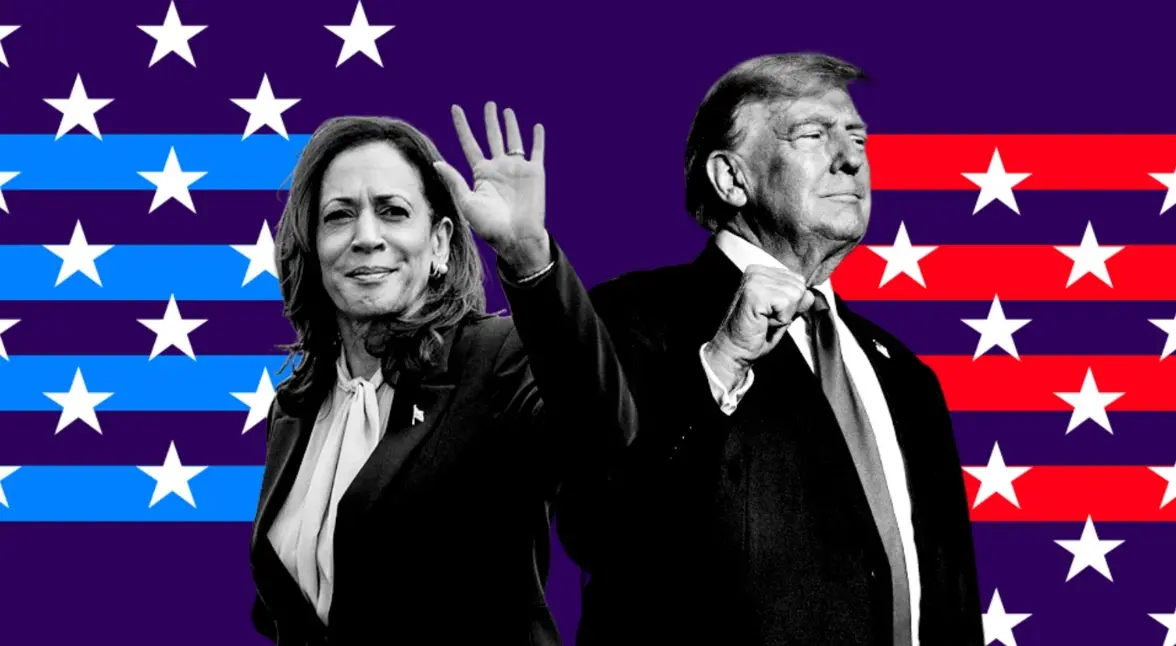
Ahead of the U.S. presidential debate between Biden and Trump in June 2024, voters expressed uncertainty and stakes: wars raging around the world, political discourse continuing to polarize, and persistent inflation in the U.S. economy, among others. The two potential presidential candidates have starkly different views on the nation, with nearly half of voters indicating they would prefer to replace the current candidates if given the choice. As revealed by the latest survey conducted by Harris on behalf of Grayscale, amidst this uncertainty, the relationship between crypto assets and voters is becoming increasingly close. Key points include:
- We believe that due to macro dynamics and Bitcoin's own maturation, Bitcoin's relevance is increasing, with nearly half of voters (47%) now wanting to include cryptocurrency in their portfolios (up from 40% at the end of last year).
- Similar to the first phase of this year's survey, respondents listed inflation as the top issue in the election (28%), again highlighting the potential value of assets like Bitcoin, which offer transparency and a supply cap.
- Trump has embraced cryptocurrency in his campaign, and recent crypto bills FIT21 and SAB 121 have received bipartisan support in Congress. Harris Poll data supports the view that cryptocurrency is a topic of mutual concern for both parties, with similar ownership rates among Republicans (18%) and Democrats (19%).
- Will November become "Bitcoin Election Month"?
Bitcoin Gaining Attention
Grayscale believes that due to macroeconomic developments and Bitcoin's maturation as an asset, Bitcoin is receiving increasing attention. In the past six months, since the first phase of this survey, voters have become more focused on Bitcoin (41%, compared to 34% in November 2023) due to geopolitical tensions, inflation, and risks facing the dollar. Notably, 28% of voters consider inflation the top issue in the election so far, underscoring the potential value of assets like Bitcoin, which have transparency and strict supply limits.
Meanwhile, Grayscale added a series of questions in the survey to gain deeper insights into voter opinions. The Harris Poll found that events related to Bitcoin, including the approval of the U.S. spot Bitcoin ETF in January 2024 and the halving in April 2024, have made voters more interested in investing in Bitcoin and other crypto assets (18% and 20%, respectively). In particular, the approval of the Bitcoin ETF has made 9% of retired voters more interested in investing in Bitcoin or crypto assets.
Figure 1: Voters are increasingly focused on Bitcoin

So far, 2024 has been a fruitful year for Bitcoin. Bitcoin reached an all-time high on March 13; additionally, Bitcoin's price has been higher each day this year compared to previous election periods. Will November become "Bitcoin Election Month"?
Figure 2: Bitcoin's Price is Higher than in Previous Election Periods

The growing interest in cryptocurrency is not limited to Bitcoin but extends to a broader range of crypto assets. This interest is reflected in widespread curiosity and willingness to invest. Nearly one-third of voters (32%) indicated that since the beginning of this year, they have been more open to understanding crypto investments or actually investing in cryptocurrencies. Compared to November 2023, voters are also more likely to view cryptocurrency as a good long-term investment opportunity (23% vs 19%), and an increasing number of voters expect to include cryptocurrency in their portfolios (47% vs 40%).
Figure 3: Voters are increasingly expecting their portfolios to include cryptocurrency

Cryptocurrency is a Bipartisan Issue
Although Trump has shown more support for cryptocurrency during his campaign, the data indicates that cryptocurrency is a bipartisan concern, with similar ownership rates among Republicans (18%) and Democrats (19%).
Voters are divided on which party is more favorable to the crypto industry, with equal proportions of voters (30% each) believing that both the Democratic and Republican parties hold the most favorable positions on crypto policy. These findings suggest that support for cryptocurrency is not entirely skewed toward one party but maintains a balance across the political spectrum. This aligns with the recent bipartisan support in Congress for the SAB 121 resolution, which allows financial institutions to act as custodians for digital assets, potentially increasing accessibility for crypto investors.
Nevertheless, Republican voters tend to view inflation and economic issues as the most pressing problems facing the U.S. (54%, compared to 33% for Democrats). However, Republicans seem to place more emphasis on issues related to Bitcoin and cryptocurrency (inflation and economy), while data shows that Democrats are more concerned about issues like gun violence, climate change, and income inequality, as shown in Figure 4. This may explain why Trump has recently leaned toward supporting cryptocurrency in his campaign.
Figure 4: Both Parties Identify the Most Pressing Issues Currently Facing the Country

Conclusion
The U.S. is facing a "crossroads" in many ways. The two candidates hold differing political views on government deficits and debt, inflation and Federal Reserve independence, and America's role in the world. These positions have direct implications for the dollar and Bitcoin.
As voter interest in cryptocurrency grows, the next administration's attitude toward this emerging digital asset will be crucial. This is especially important for younger voters, as 62% of Generation Z and millennial voters believe that cryptocurrency and blockchain technology are the future of finance. Regardless, as November approaches, a clear trend is emerging: all candidates preparing for the 2024 election and policymakers across departments will increasingly prioritize cryptocurrency.
 Risk warning
 Risk warning




Popular articles