$75 billion in foreign capital has fled, and South Korean retail investors have fully absorbed it using leverage
 Core Viewpoint

 Despite the accelerated migration of Korean funds from cryptocurrency to the stock market, the Korean market remains an important barometer for global cryptocurrency retail liquidity and recovery turning points.
Author: Zhou, ChainCatcher
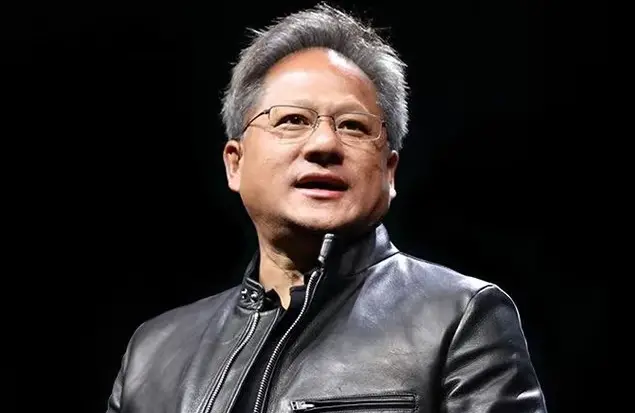
Last Sunday, NVIDIA CEO Jensen Huang arrived in Seoul and had dinner with SK Group Chairman Chey Tae-won and SK Hynix CEO Lee Seok-hee. After the meal, NVIDIA and SK Hynix officially announced a multi-year technology cooperation agreement, and Huang publicly stated that AI company stock prices are currently very low, and the shortage of memory chips will continue for several years.
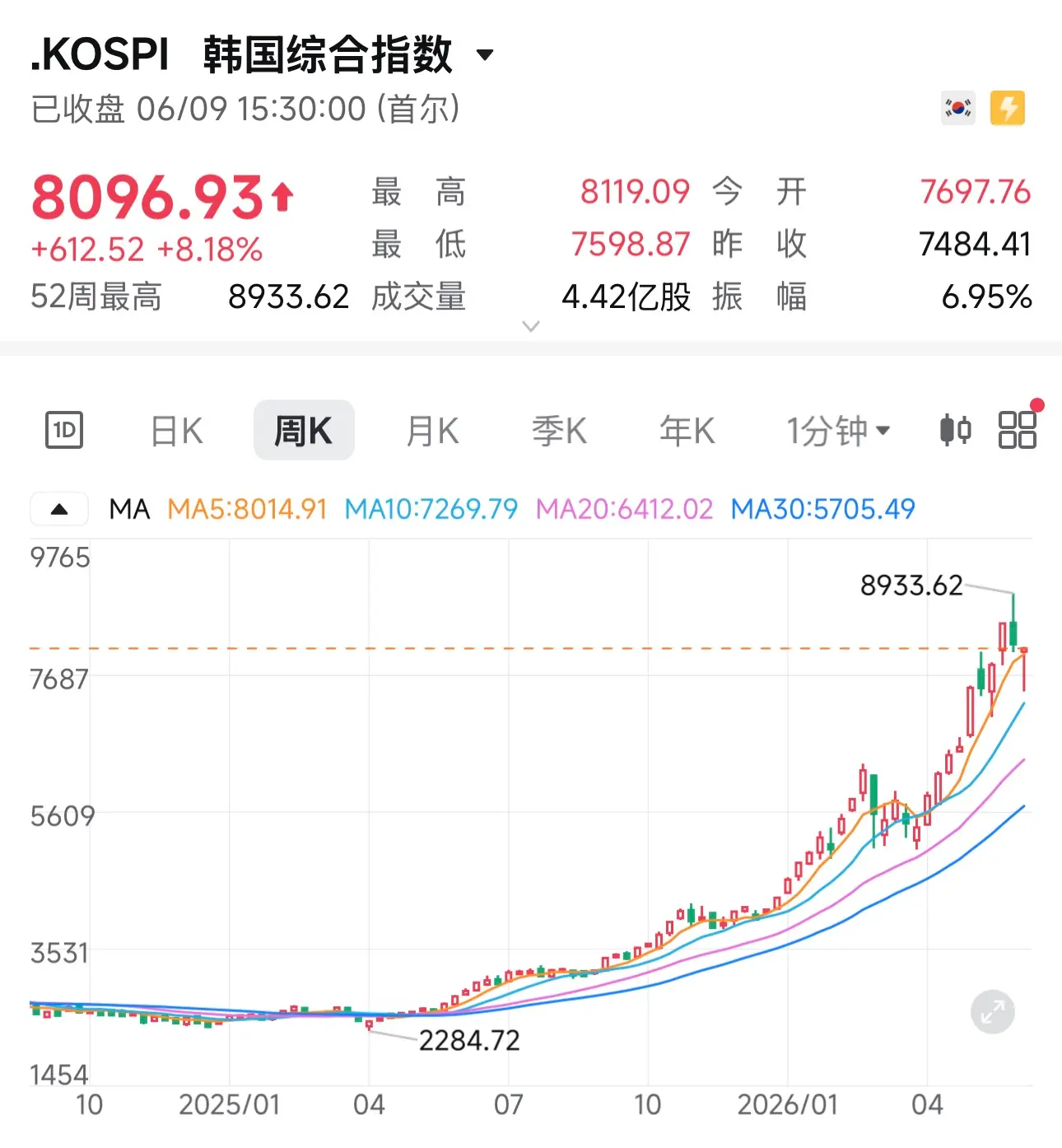
However, the next day, Monday, the KOSPI quickly fell over 8.8%, Samsung Electronics dropped as much as 10%, and SK Hynix fell nearly 10%. The Korean Exchange triggered a circuit breaker, pausing all market trading, marking the largest single-day decline since this bull market began.
Korean President Lee Jae-myung stated that the Korean stock market is still undervalued. By the close today, the KOSPI surged 8.18%, with SK Hynix rebounding 15.91% in a single day, and Samsung Electronics rising 8.97%.
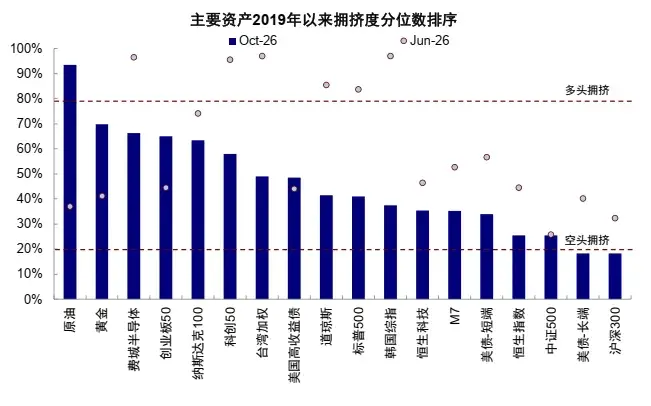
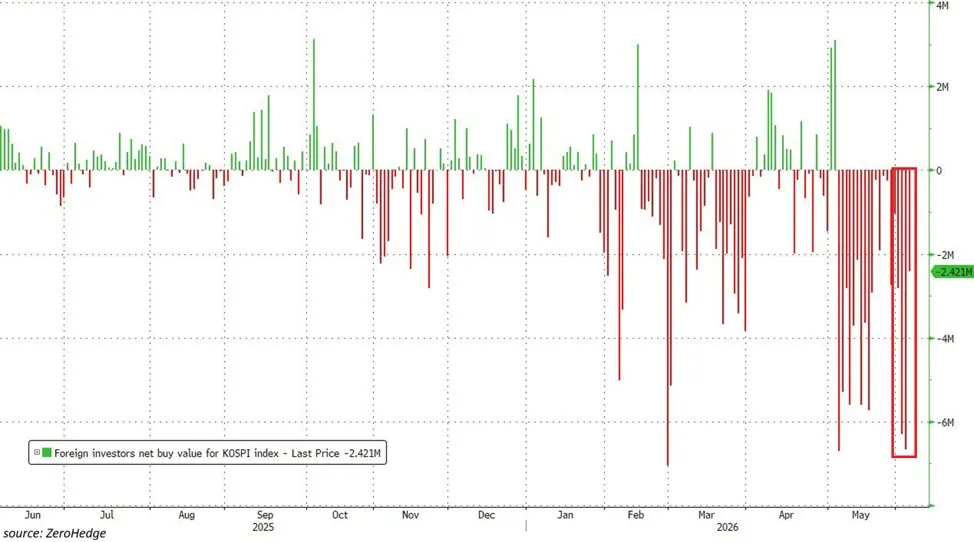
According to Goldman Sachs data, foreign investors have cumulatively net sold $75 billion worth of Korean stocks this year, with global investors selling Korean stocks at an unprecedented pace. In contrast, local retail and institutional investors in Korea have cumulatively net bought about $69 billion during the same period, continuously absorbing the selling pressure from foreign investors.
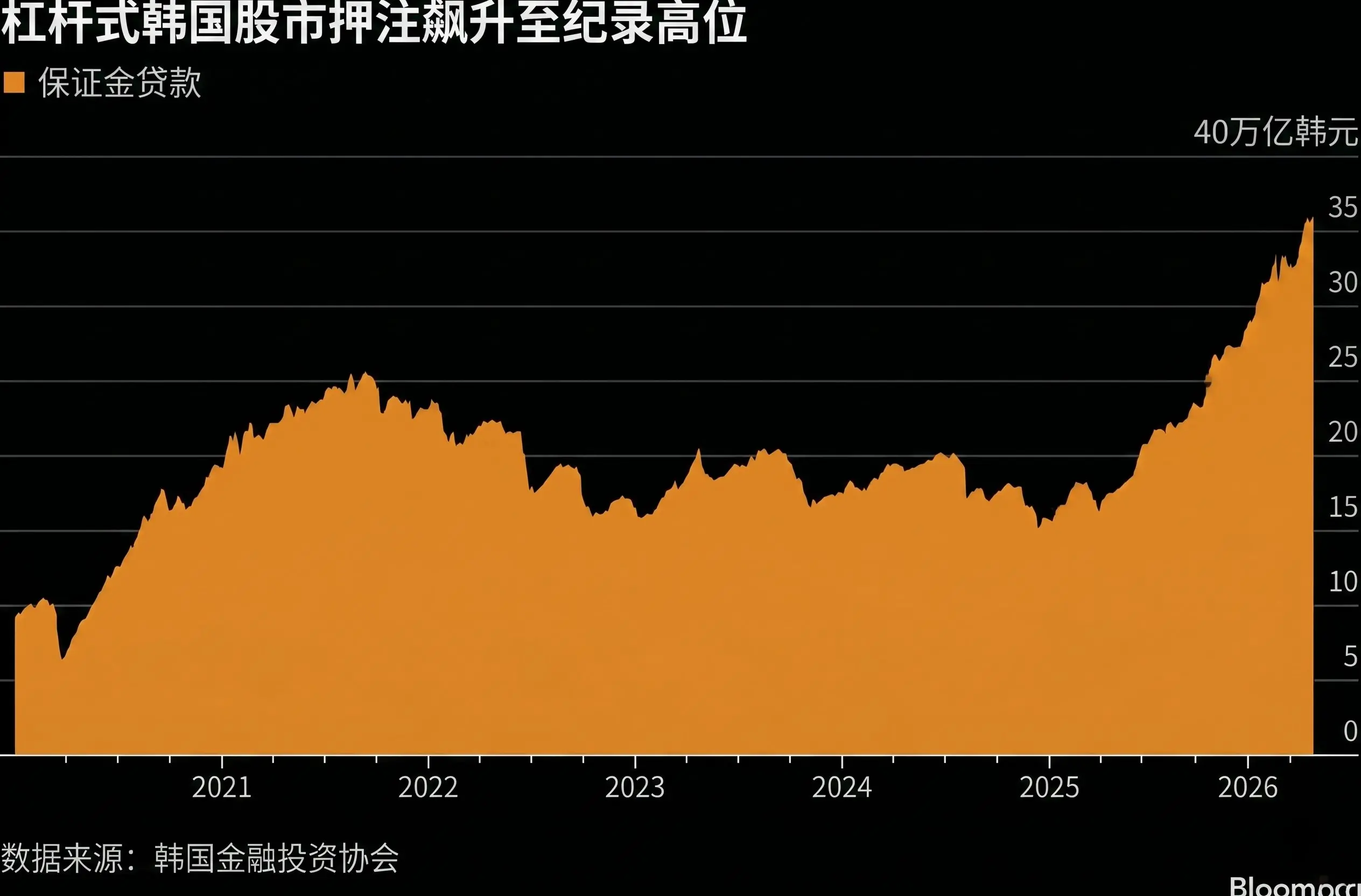
At the same time, the financing balance of the Korean stock market has soared to a historical record, with a large amount of capital flowing into the stock market.
Korean Crypto Funds Shift to the Stock Market: Holdings Halved, Trading Volume Evaporated by 80%
Korea was once one of the markets with the highest density of crypto retail investors and the most extreme sentiment globally. Upbit's spot trading volume once ranked second in the world, only behind Binance. The prices of cryptocurrencies like Bitcoin on Korean exchanges have long been about 10% higher than those on other global exchanges, a price difference known as the kimchi premium, which is the most intuitive pricing method reflecting the FOMO sentiment of Korean retail investors.
Starting in 2025, this group of funds began to show a significant systematic migration. Data shows that the total value of crypto holdings by Korean investors dropped sharply from about $83.3 billion in January 2025 to about $41.4 billion in February 2026, a decline of over 50%. Among them, Upbit's average daily trading volume fell from about $9 billion in December 2024 to less than $1.8 billion in November 2025, shrinking by nearly 80%.
During the same period, the KOSPI index rose sharply from a low point in April 2025, with a cumulative increase of over 280%. The financing balance surged to a record 38 trillion won by the end of May this year, and the personal credit loan balance of the five major banks skyrocketed to over 106 trillion won. Many investors who were once active in meme coins and altcoins have shifted to leverage buying semiconductor stocks.
This shift has permeated the daily lives of Koreans. Office workers check market trends on the subway or in bathroom stalls, elderly people discuss Samsung's stock trends while waiting in line at supermarkets, and the number of new accounts opened by minors under 18 has surged nearly tenfold year-on-year. At shareholder meetings of large listed companies like Samsung Electronics, it is common to see elementary school students and even preschool children as shareholders. Young parents are increasingly opening stock accounts for their children on the day they are born, buying semiconductor stocks.
According to KB Securities analysis, among the stocks gifted to minors through stock gift services around Children's Day this year, Samsung Electronics ranked first with 56.3% of the transaction volume.
Korean Stock Investors Are Leveraging Retirement Funds and Credit Loans
Three forces are simultaneously at work behind this capital migration.
The first is that the industrial narrative is strong enough. Samsung Electronics' operating profit in Q1 2026 surged 756% year-on-year, setting a historical high; SK Hynix's quarterly revenue increased by 198% year-on-year, breaking records for four consecutive quarters. The explosion in global AI computing power demand has provided real support for the fundamentals of these two companies for a considerable time. During his visit to Korea, Jensen Huang clearly stated that the entire industry is experiencing shortages in almost every link from wafers to packaging to silicon photonics, and this situation will continue for several years.
The second is that the government is actively bullish. The Lee Jae-myung government has set a target of 5,000 points for the Korean stock market, revised commercial laws to require listed companies to cancel repurchased treasury shares, and promoted dividend tax reforms, turning the wealth effect into a component of governance legitimacy. On the day of the market circuit breaker, Lee Jae-myung still stated at a press conference marking his anniversary that the stock market is undervalued. This policy signal provides a layer of psychological security for Korean retail investors who have experienced the collapse of crypto exchanges and the Terra/Luna crash.
The third is that friction on the crypto side continues to accumulate. A 22% crypto income tax has been confirmed to take effect in January 2027, regulatory authorities are simultaneously advancing new anti-money laundering rules, the second-largest exchange Bithumb has been penalized with a six-month partial business suspension, raising the entry threshold for crypto while lowering the leverage threshold for the stock market.
It is worth noting that data shows that nearly one-third of the financing balance is held by the elderly population aged 60 and above, and the financing debt of this group has doubled within a year from about 39.5 trillion won to 80 trillion won, including retail investors who have suffered losses and withdrawn from insurance policies to enter the market. 40% of retail investors under 30 are using more than three times leverage, with some investors using consumer loans and credit cards to cash out and increase their positions.
This demographic composition is highly similar to the entry structure at the peak of the crypto bull market in 2021, driven by a wealth narrative of non-professional investors. They are betting on a single track with leverage beyond their risk tolerance, choosing to believe that the current moment is a once-in-a-lifetime opportunity.
Kimchi Premium Approaches Freezing Point
Ultimately, the underlying logic of Koreans trading crypto is not fundamentally different from the current stock trading. High technology acceptance, an extremely competitive social environment, and nearly closed channels for upward social mobility have collectively shaped a retail investor group with a natural preference for high-volatility assets.
The inflow and outflow of funds by Korean retail investors have long become an early signal of the global flow of high-risk preference retail capital.
In major global crypto markets, the U.S. has entered an institution-led phase, with Bitcoin spot ETF annualized inflows exceeding $150 billion at the beginning of 2026, concentrating pricing power among institutions. Hong Kong and Singapore focus on compliance infrastructure and stablecoin frameworks, with relatively limited retail participation. Southeast Asian retail investors are active but dispersed, and the regulatory environment is relatively unstable.
Korea is almost the only market that simultaneously possesses high retail density, a strong speculative culture, centralized exchange infrastructure, and extreme sensitivity to global macro narratives.
However, Tiger Research points out that the Korean crypto market is undergoing a power shift. The era dominated by retail investors is ending, and traditional financial institutions have seized key infrastructure ahead of clear regulations.
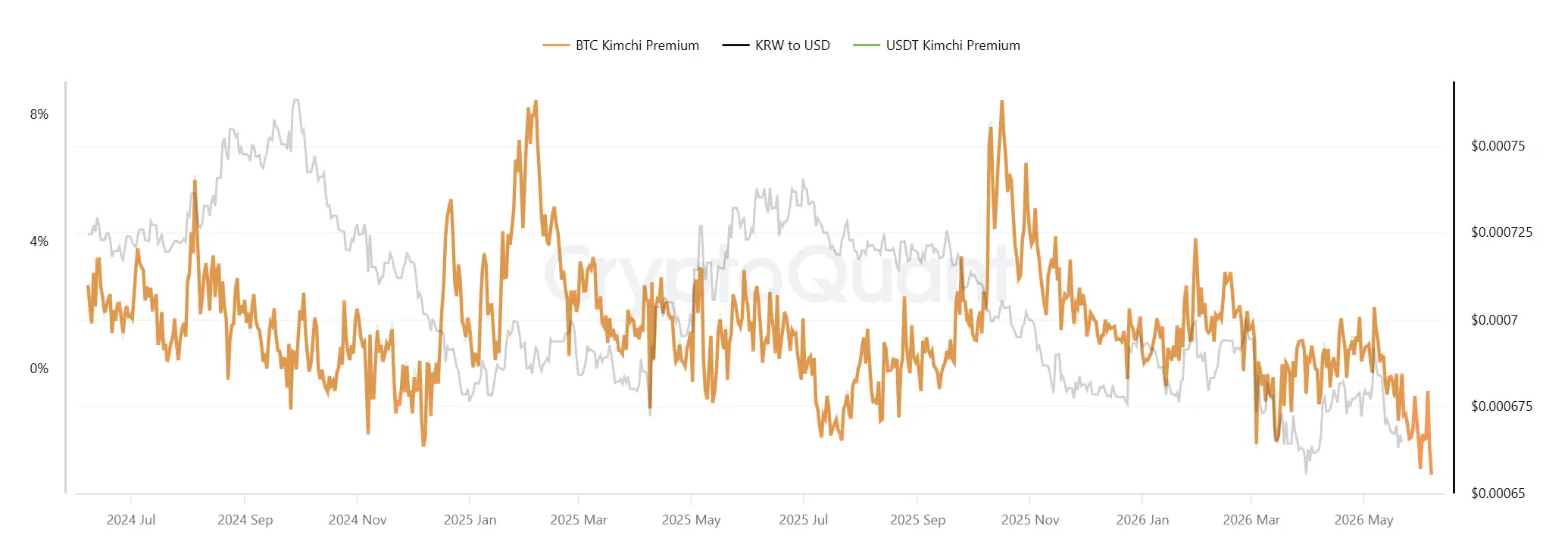
In the past six months, the total trading volume of Korea's five major crypto exchanges has decreased by about 48% year-on-year. The kimchi premium has also continued to narrow from about 10% at its peak and has even fallen to negative values.
Financial reports show that Upbit operator Dunamu's revenue fell by about 10% year-on-year in 2025, and in Q1 2026, profits dropped by about 78% year-on-year.
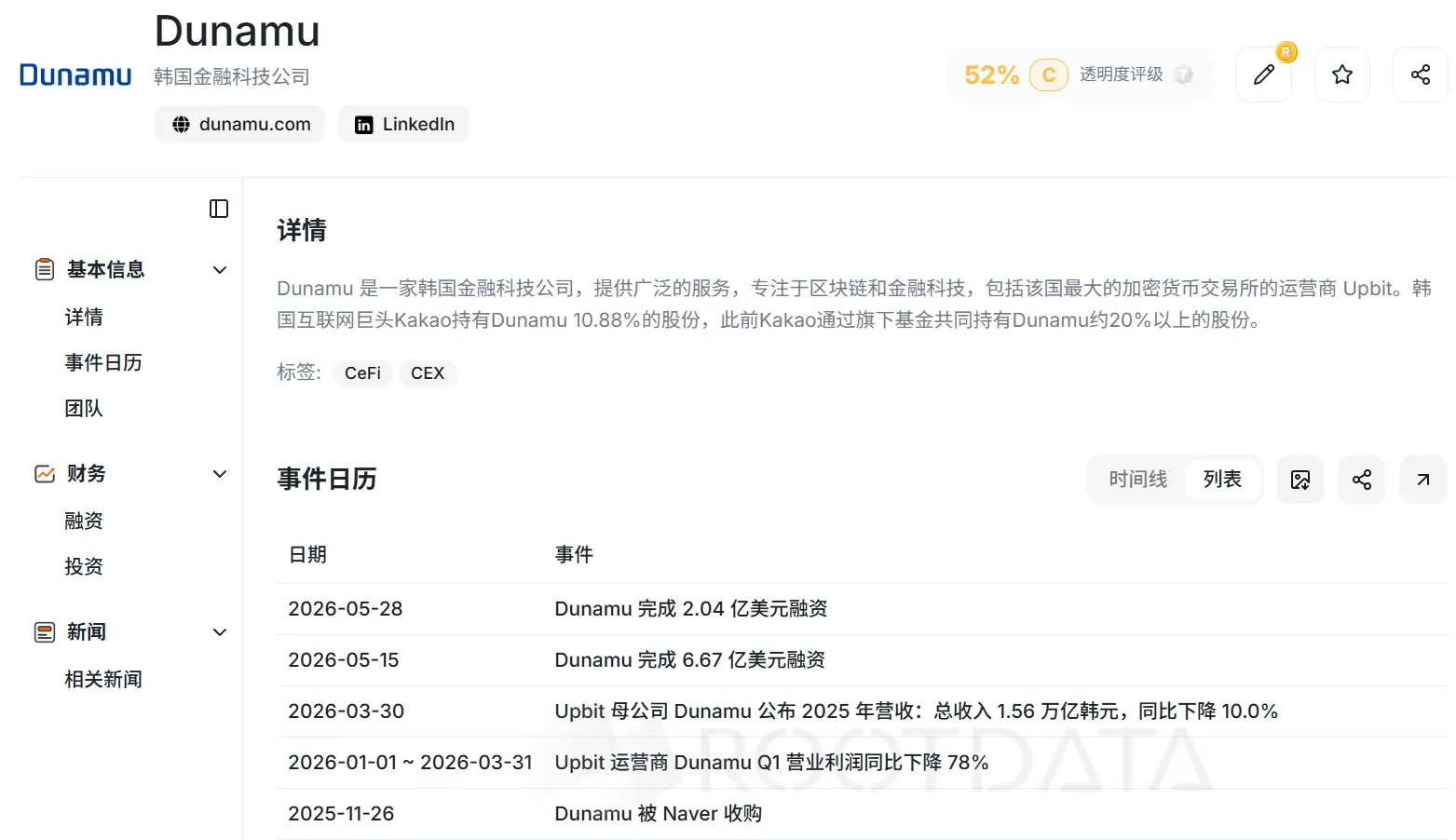
Image source: RootData
Despite this, Hana Bank still acquired a 6.55% stake for about $720 million, Hanwha Investment & Securities increased its stake to 9.84%, and Samsung Securities, Samsung SDS, and Samsung Credit Card jointly invested over $400 million to acquire a 4% stake in Dunamu.
Future Asset acquired over 90% of Korbit for about $100 million, while Korea Investment & Securities and OKX Ventures jointly acquired nearly 40% of Coinone.
These traditional giants view exchanges as strategic springboards for STOs, stablecoins, and custody businesses.
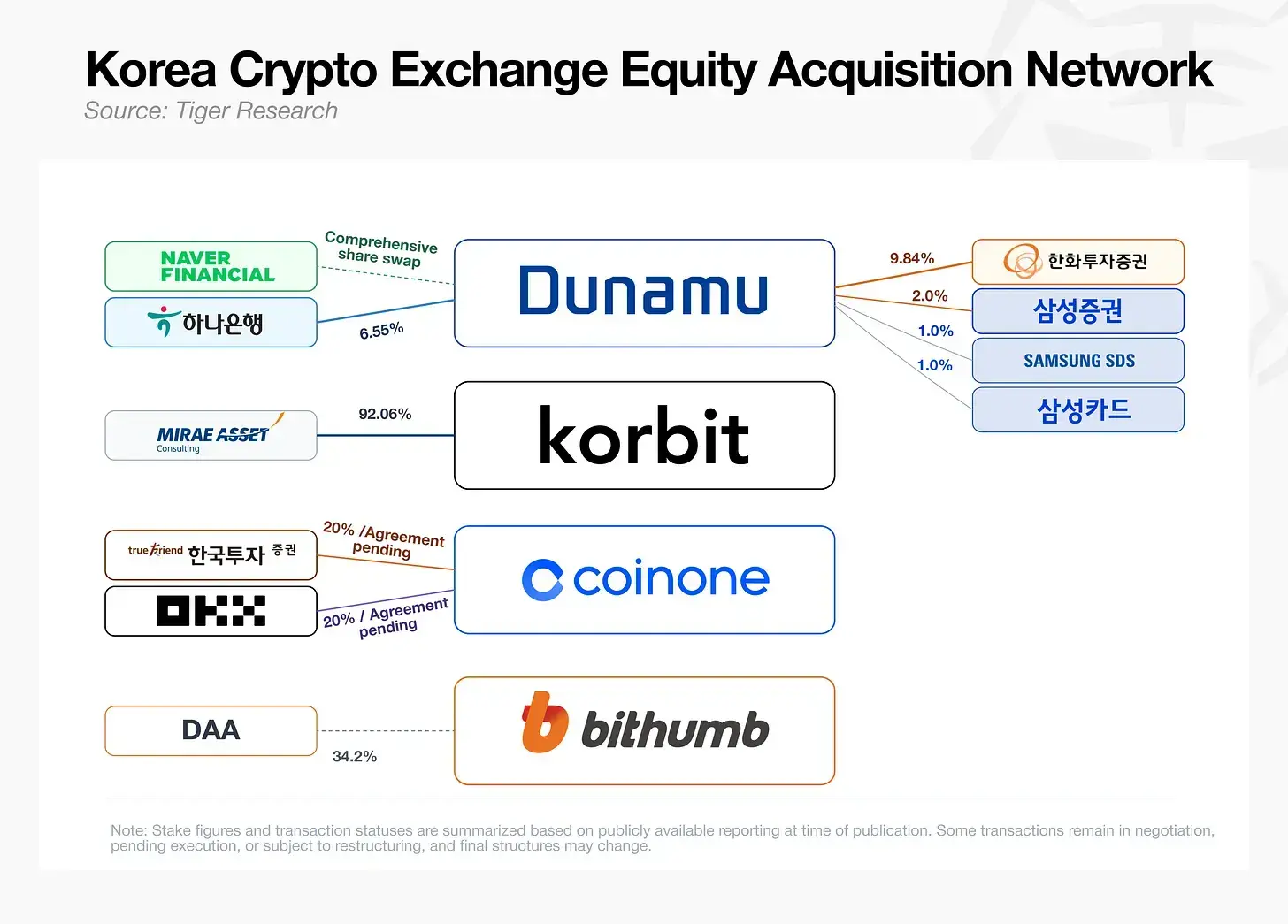
Analysts say that these acquisition moves are less about seizing the market and more about designing regulations—institutions are preemptively securing favorable arrangements before regulatory decisions are made, and then using these arrangements to influence the final framework's shape.
Currently, there are 150 institutions participating in the Korean crypto market and 196 collaborative relationships, but no single hub has gained dominant control. Even the strategies of overseas projects entering the market are changing, with Solana collaborating with Shinhan Card and Avalanche partnering with Future Asset, shifting the focus from retail communities to financial institutions.
On the policy front, the Korean government has proposed in its 2026 economic growth strategy to advance the implementation of Bitcoin and other digital asset spot ETFs this year and to accelerate the second phase of digital asset legislation by the Financial Services Commission.
Conclusion
Korea's speculative culture has never disappeared; it has simply diverted some crypto funds due to the current stock market leverage craze, while the Korean crypto market is experiencing a trend of "retail investors retreating, institutions entering."
When the KOSPI truly begins the deleveraging process, where that high-risk preference capital will seek its next outlet is a question worth continuous tracking in the crypto market.

 Risk warning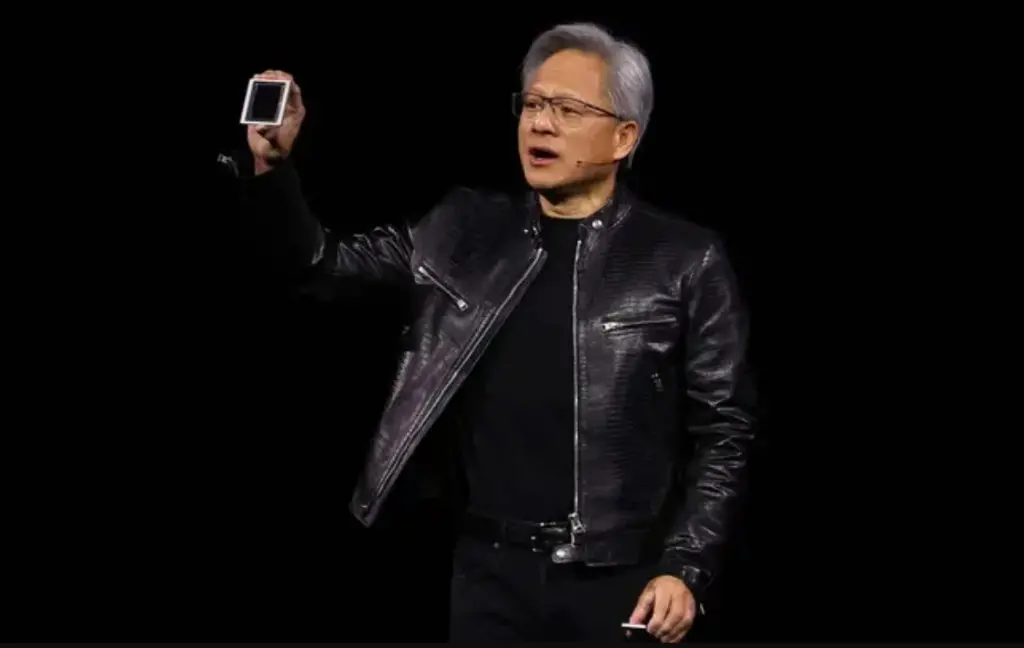


Popular articles