Daily Observation of Cryptocurrency Concept Stocks: South Africa Releases Draft of "Cryptocurrency Asset Handbook" to Close Cross-Border On-Chain Foreign Exchange Control Loopholes

 Released on August 4, 2026. South Africa, one of Africa's largest economies, has taken a key step in foreign exchange control of digital assets. The South African Treasury and the South African Reserve Bank (SARB) jointly released a draft of the "Cryptocurrency Asset Handbook," which establishes clear compliance guidelines for the cross-border transfer of cryptocurrency assets for the first time, based on the capital flow rule reforms proposed in April this year. By introducing a mandatory reporting mechanism, South African authorities aim to prevent cryptocurrency assets from being used as a loophole to evade foreign exchange controls and to combat illegal capital flows.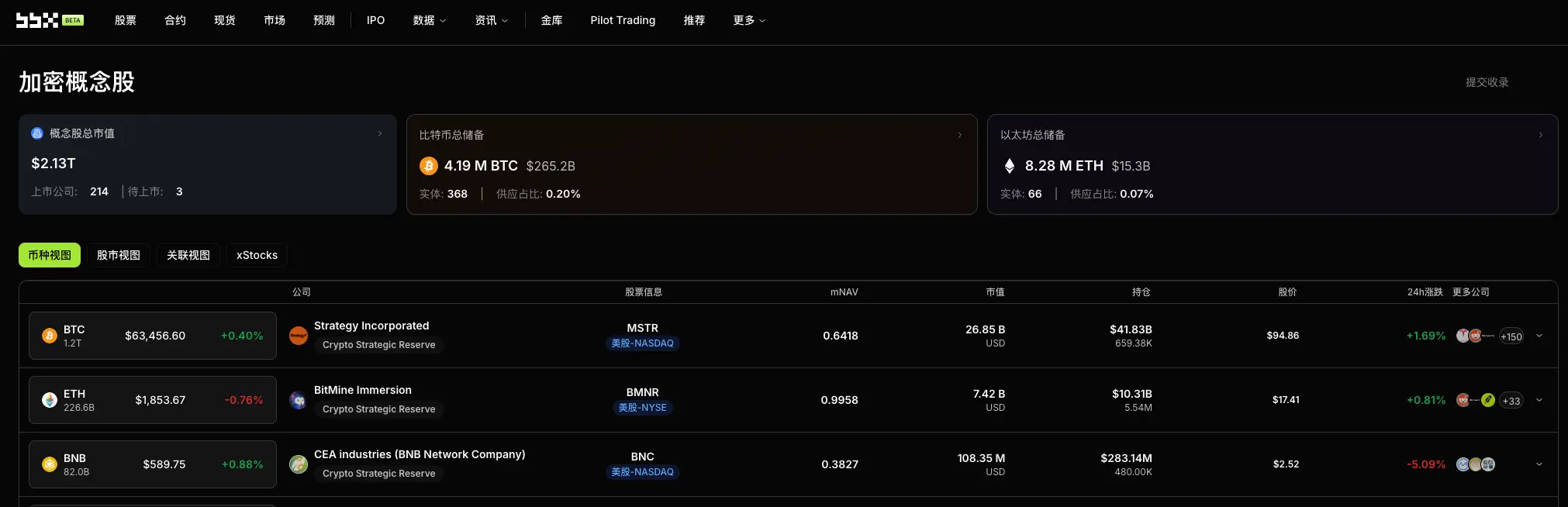
Penetrating Risk Control: Comprehensive Access to FinSurv Regulation for Crypto Cross-Border Transfers
To address the gaps in traditional foreign exchange controls in the blockchain era, South African regulators have introduced targeted regulatory measures.
According to the latest draft requirements, in the future, individual investors wishing to transfer crypto assets abroad must do so through licensed crypto asset service providers (CASPs). All cross-border transaction data will be reported in real-time to the financial regulatory department (FinSurv) under the South African Reserve Bank. The establishment of this rule aims to directly block the channels previously used for large-scale unauthorized capital outflows via decentralized networks, significantly enhancing the authorities' ability to detect and intercept money laundering and illegal capital flows.
Clear Trigger Boundaries: Local Buy/Sell Exemptions, Private Wallets and Overseas Transfers Trigger Reporting
It is noteworthy that the draft does not impose a "one-size-fits-all" suppression on local compliant transactions but precisely defines the triggering conditions for reporting obligations:
Exemption Cases: Residents using licensed local service providers to buy and sell crypto assets with South African legal currency (Rand) do not trigger additional cross-border reporting obligations;
Trigger Cases: Reporting obligations arise only when assets are transferred from local licensed service providers to overseas service providers or transferred into private unhosted wallets.
Additionally, the draft stipulates that individuals can only transfer crypto assets abroad within their existing annual foreign exchange limits.
Cautious Legal Classification: No Legal Tender Status Granted, Rule Consultation Until End of September
Regarding the underlying legal attributes of crypto assets, the South African Reserve Bank maintains a highly cautious stance.
The South African Reserve Bank emphasizes that this regulatory framework does not grant crypto assets any legal tender status; at the same time, the current draft has not yet made distinctions between different types of crypto assets (such as native blockchain coins, tokenized assets, etc.), and relevant classification research is still ongoing. According to the timeline released by South African authorities, the public consultation for the draft "Crypto Asset Handbook" will continue until September 30, 2026.
Regulatory Paradigm for Emerging Markets to Prevent Capital Outflow
In light of South Africa's policy actions in early August, emerging markets are forming a new regulatory consensus when facing Web3 and crypto assets. Unlike some countries that completely ban or allow free rein, South Africa's "licensed intermediaries + foreign exchange quota control + FinSurv real-time reporting" framework retains the channel for residents to compliantly allocate digital assets while firmly safeguarding the baseline for preventing disorderly capital outflows from its financial system. This policy paradigm may become a benchmark for more emerging market countries facing foreign exchange control pressures to follow suit in the second half of 2026.
Source: https://bbx.com/ Crypto Concept Stock Information Database, compiled based on global listed company announcements and SEC/TSE disclosure documents from last weekend.
 Risk warning



Popular articles