Daily Observation of Cryptocurrency Policy: South Korea Plans to Postpone Virtual Asset Income Tax Until 2030

 On August 11, 2026, a significant turning point in South Korea's cryptocurrency tax policy was announced. According to South Korea's MBN, National Power Party member Jeong Seong-guk has officially submitted a bill to amend the Income Tax Act, proposing to delay the virtual asset income tax originally scheduled to be implemented in 2027 until it takes effect in 2030. This proposal aims to buy time for improving the investor protection system and establishing a fair taxation basis to prevent severe market fluctuations.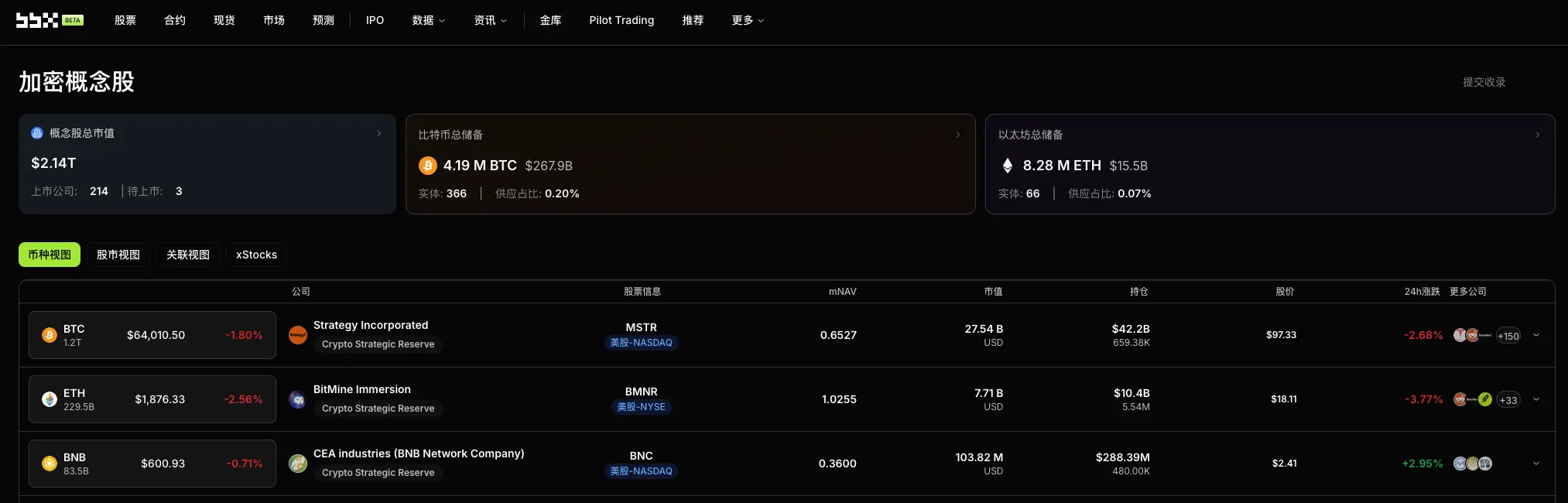
Current Tax Law Pressure: 2.5 Million Won Tax-Free Allowance and 22% High Tax Rate
The discussion on taxing virtual assets in South Korea has a long history, and the "tax sword" hanging over local investors has always been an important factor suppressing market vitality.
According to current South Korean laws, starting from January 1, 2027, if investors earn income from the transfer or lending of virtual assets that exceeds 2.5 million won (a very low tax-free threshold) in annual profits, the excess will be subject to a heavy tax of up to 22%. This harsh tax standard has triggered a strong backlash from the South Korean crypto community and retail investors, who generally believe that imposing heavy taxes directly without mechanisms for hedging and loss carryforward is unfair.
Ruling Party Proposal: Delay for Three Years, Postponed to 2030
In response to market controversies and the actual needs of industry ecological development, the ruling party has released strong signals for easing.
Recently, South Korean National Power Party member Jeong Seong-guk submitted a "Partial Amendment to the Income Tax Law" to the National Assembly. The core demand of this bill is extremely clear: it proposes to postpone the implementation date of the virtual asset income tax from the current January 1, 2027, to January 1, 2030.
Legislative Logic: Investor Protection Precedes Tax Collection
When explaining the reasons for delaying taxation, Jeong Seong-guk emphasized the legislative logic of "system first."
He pointed out that South Korea's underlying rights confirmation, market manipulation prevention, and investor protection systems for virtual assets are not yet fully mature. In this context, hastily imposing taxes would not only weaken South Korea's Web3 industry's competitiveness globally but could also lead to a massive outflow of funds to unregulated platforms overseas. Therefore, virtual asset taxation must be implemented only after the investor protection system and fair taxation basis are sufficiently improved. This three-year buffer period will provide regulatory authorities with enough time to prepare the system, thereby minimizing potential market chaos caused by the implementation of the policy.
Data Source: https://bbx.com/ Crypto Concept Stock Information Database, compiled based on announcements from global listed companies and SEC/TSE disclosure documents from last weekend.
 Risk warning