Daily Observation of the Cryptocurrency Industry: Six Major Banks in Canada Form Alliance to Explore "Canadian Dollar Tokenized Deposits," Traditional Financial Infrastructure Accelerates Embrace of Programmable Payments

 Released on September 24, 2026. The traditional sovereign banking system has taken a historic step towards the evolution of distributed ledger technology. Canada's top six commercial banks—Bank of Montreal (BMO), Canadian Imperial Bank of Commerce (CIBC), National Bank of Canada, Royal Bank of Canada (RBC), Scotiabank, and Toronto-Dominion Bank (TD)—officially announced a collaboration to jointly explore and develop a "Tokenized Deposits" solution based on the Canadian dollar. This initiative aims to initially achieve seamless atomic flow of funds between banks and, in the long term, to facilitate interconnectivity with new global digital assets, opening a new paradigm for programmable payments in sovereign fiat currencies.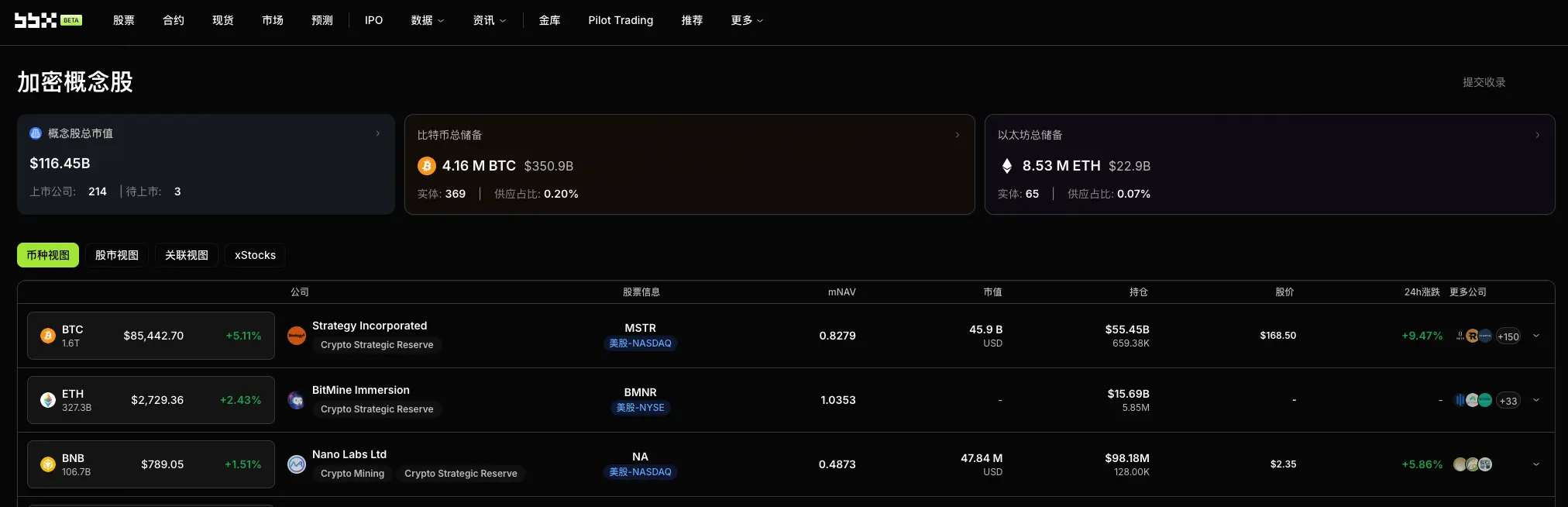
Six Major Banks Unite: Canadian Mainstream Banking Industry Builds Digital Financial Alliance
Unlike some countries where a single innovative bank tests the waters, Canada has demonstrated a highly centralized "national team-level collaboration."
Canada's six major commercial banks—Bank of Montreal (BMO), Canadian Imperial Bank of Commerce (CIBC), National Bank of Canada, Royal Bank of Canada (RBC), Scotiabank, and Toronto-Dominion Bank (TD)—represent the vast majority of the country's credit assets and savings scale. The six giants have rarely reached a consensus and issued a joint statement to jointly explore the development of a commercial tokenized deposit scheme backed by the Canadian dollar (CAD). This marks the formal introduction of blockchain technology from peripheral testing to the core clearing and settlement level of Canada's most essential financial pillar.
Two-Phase Evolution Route: From Efficient Interbank Circulation to Global Digital Asset Interconnection
To balance the rigorous risk control of the traditional financial system with the high scalability of on-chain innovation, this joint project has established a clear two-step plan:
Phase One (Efficient Interbank Circulation): Prioritize establishing a unified tokenized deposit circulation network within the six major banks, utilizing distributed ledger technology to eliminate friction in traditional batch reconciliation and interbank settlement, allowing deposits from businesses and individual savers to achieve 24/7 instant atomic settlement between financial institutions;
Phase Two and Long-Term Vision (Emerging Asset Interconnection and Programmable Payments): The long-term goal is to deeply integrate this compliant tokenized deposit system with external emerging digital asset projects, real-world asset (RWA) tokenization networks, and regulated on-chain financial markets, thereby providing faster, lower-cost, and smart contract-triggered programmable payment services.
Advantages of Tokenized Deposits: Retaining Bank Credit Endorsement with On-Chain Settlement Agility
Compared to offshore stablecoins issued by private non-bank institutions, tokenized deposits launched by commercial banks are becoming a more favored clearing vehicle among central banks and large financial institutions worldwide.
From a legal and risk control perspective, tokenized deposits are essentially liabilities of commercial banks (Deposit Liabilities) that are subject to strict banking regulation and deposit insurance protection. They not only possess the solid credit and capital adequacy ratio defenses built by traditional commercial banks over the past century but are also endowed with the agility of digital tokens through blockchain technology. This means institutional clients do not need to bear the opaque risks of reserve collateral associated with offshore third-party stablecoins while enjoying the technical benefits of on-chain 24/7 instant rights confirmation in large interbank transactions, corporate cash pool management, and cross-border trade settlements.
Sovereign Legal Currency Clearing Network Enters the "Native Digitalization" Era
Considering the global digital asset landscape in late September, the significant alliance of Canada's six major banks is not an isolated event but rather a key move in the competition for the next generation of financial infrastructure discourse among developed economies, following the European Central Bank's Pontes wholesale settlement platform and Singapore's stablecoin legislation. Currently, the relevant technical solution testing by the six major banks is underway at a rapid pace. As this Canadian dollar tokenized deposit standard takes shape and becomes interconnected, traditional commercial banks not only fend off the potential disintermediation of deposit and loan business by private payment networks but also lay down a high-compliance digital fiat currency highway for the global institutional-level Web3 applications.
Data Source: https://bbx.com/ Cryptocurrency Concept Stock Information Database, compiled based on yesterday's announcements from global listed companies and SEC/TSE disclosure documents.
 Risk warning