








Daily Observation of Crypto Regulation: The number of MiCA licenses exceeds 330, and traditional partner banks entering the market help Germany lead the European Web3 market

 Released on August 25, 2026. With the comprehensive deepening of the EU's Markets in Crypto-Assets Regulation (MiCA), the compliance landscape for digital assets in Europe is rapidly taking shape. The latest data from the European Securities and Markets Authority (ESMA) shows that the total number of authorized Crypto Asset Service Providers (CASPs) has increased to 331. Notably, Germany, with its strong traditional financial industry foundation and smooth transition mechanisms, has far outpaced France and the Netherlands in the number of licenses. The intensive entry of traditional credit institutions (such as cooperative banks) is becoming a new engine for the institutional adoption of Web3 in Europe.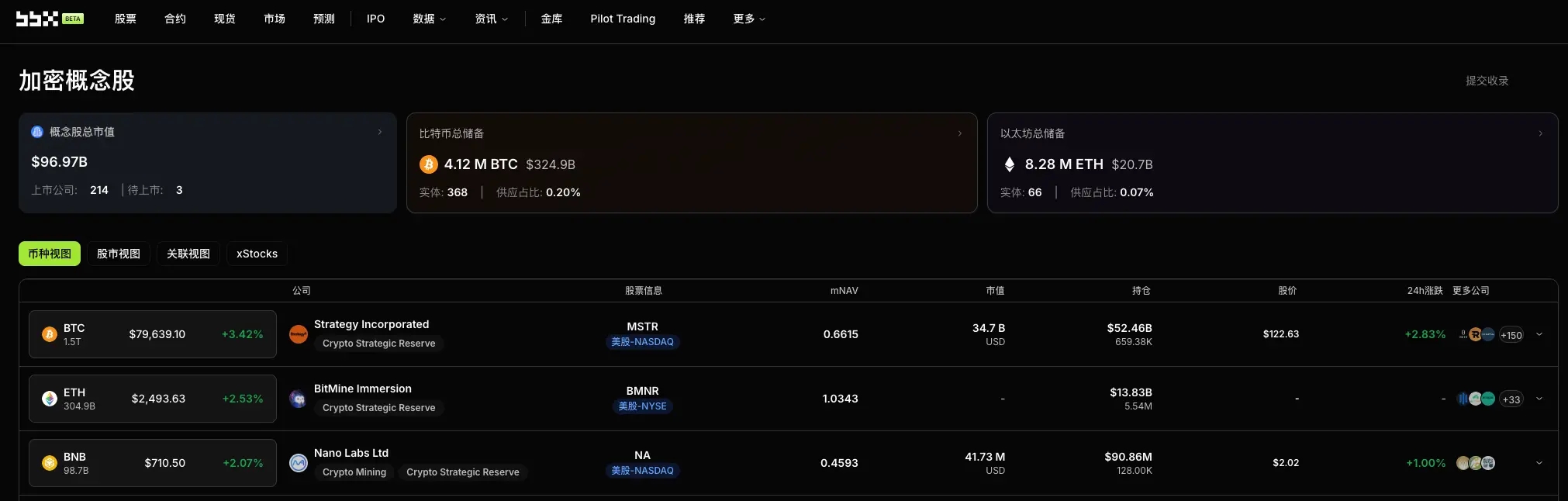
Number of Licenses Steadily Rising: Traditional Cooperative Banks Intensively "Go Online"
The compliant channels for crypto assets in Europe are opening up to more grassroots traditional financial institutions.
According to the MiCA registration data updated by ESMA last Friday, the total number of authorized CASPs in Europe has steadily increased to 331. In the latest update on August 12, all six newly added institutions were traditional cooperative banks from Germany (including Raiffeisenbank Aidlingen, Ihre Volksbank, VR-Bank Mittelfranken Mitte, etc.). This trend indicates that crypto asset custody and trading services are no longer the exclusive domain of native Web3 companies; regional credit institutions in Europe are embedding digital asset services directly into their vast networks of high-net-worth clients by obtaining MiCA licenses.
Germany Leads the Way: 79 CASPs at the Forefront of European Compliance
In the competition among European countries for the status of crypto financial center, Germany has established an absolute leading advantage.
Since the end of June this year, when there were 57 licensed institutions, the number in Germany has continued to grow strongly, now reaching 79, significantly outpacing its competitors France (35) and the Netherlands (29). The Federal Financial Supervisory Authority (BaFin) of Germany pointed out that this lead is not only due to Germany's extremely large financial industry fundamentals but also, crucially, its policy continuity. Before the formal implementation of MiCA, Germany already had a mature national-level crypto custody licensing system, allowing local service providers to quickly obtain authorization through simplified procedures when transitioning to the MiCA EU unified license, thus gaining a first-mover advantage in capturing the European market.
Status of Stablecoins and Blacklist: ART Remains Blank, Regulation Maintains High Pressure
While the rapid issuance of licenses for trading and custody platforms continues, ESMA maintains a highly cautious attitude towards the underlying stablecoin assets and non-compliant entities.
Data disclosed during the same period shows that in terms of token classification, the registration list for asset-referenced tokens (ART) remains blank, reflecting the regulatory body's wait-and-see attitude towards complex stablecoins that are pegged to multiple fiat currencies or a basket of assets; meanwhile, the registration list for electronic money tokens (EMT) pegged to a single fiat currency remains stable at 43 items. Additionally, ESMA's blacklist of non-compliant entities remains unchanged at 167 items, continuing to exert high-pressure deterrence against the non-compliance of offshore unlicensed platforms.
Reverse Siphoning of Web3 Traffic by the Traditional Financial System
Comprehensive regulatory data from late August indicates that the MiCA regulations are producing a significant "good money drives out bad money" effect. The entry of numerous cooperative banks in Germany proves that once regulatory boundaries are clear, traditional credit institutions with a large depositor base and fiat settlement advantages are fully capable of creating a reverse siphoning of traffic from native crypto exchanges. For global Web3 institutions aiming to expand into the European market, completing licensed mergers and acquisitions in compliance-friendly regions like Germany, or establishing joint ventures with already licensed traditional banks, will be the key to winning the 2026 European crypto liquidity battle.
Source: https://bbx.com/ Crypto Concept Stock Information Database, compiled based on global public company announcements and SEC/TSE disclosure documents from last weekend.
 Risk warning



Popular articles





