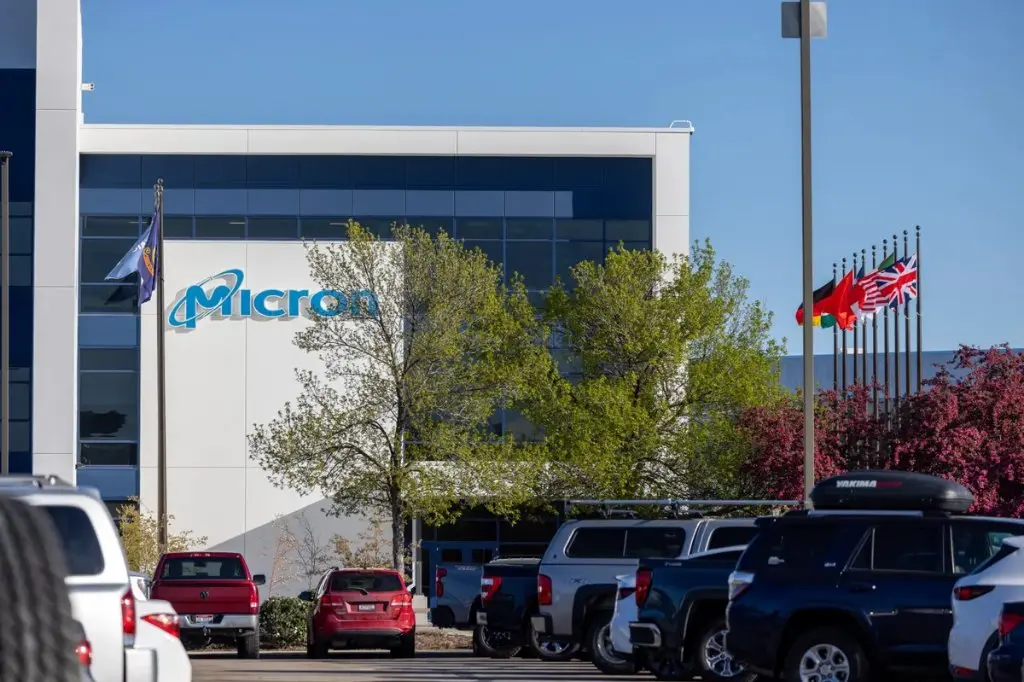
Global AI trading suffers another setback, U.S. stocks pre-market show widespread declines in storage, SK Hynix falls about 5%, South Korean stocks close down 5.47%, spot gold breaks through 4200
 Core Viewpoint

 Before the US stock market opens, storage chip stocks generally decline, with SK Hynix down about 5%, Western Digital down about 4%, SanDisk down about 4%, Micron Technology down about 3%, and Seagate Technology down about 3%. Spot gold has surpassed $4200 per ounce, and risk aversion sentiment is rising across the board. The benchmark 10-year US Treasury yield has decreased by 4 basis points to 5.20%, and Brent crude oil has fallen by 0.9% to about $105.70 per barrel.
The global stock market sell-off continues to spread, with enthusiasm for artificial intelligence trading sharply cooling, as investors flee this year's hottest sector. Safe-haven demand simultaneously drives up U.S. Treasury prices.
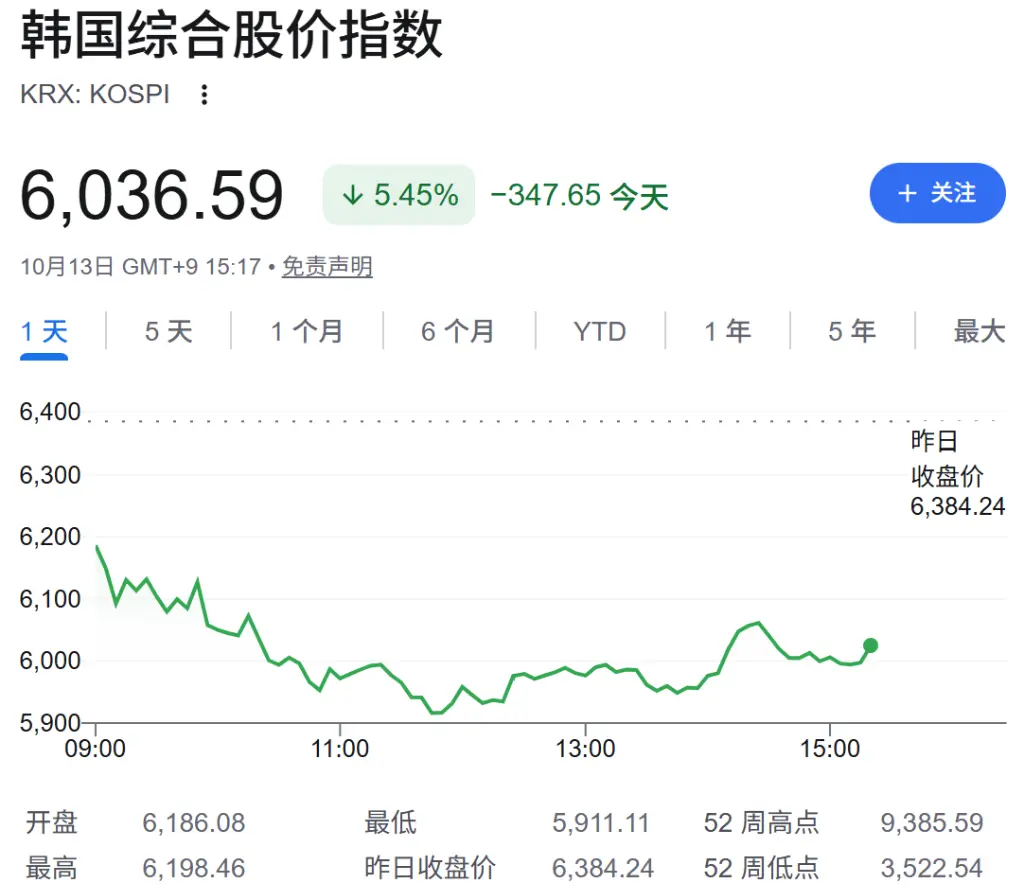
In pre-market trading of U.S. stocks, memory chip stocks fell broadly, with SK Hynix down about 5%, Western Digital down about 4%, SanDisk down about 4%, Micron Technology down about 3%, and Seagate Technology down about 3%. The European Stoxx 50 index opened down 0.1%, while the German DAX index rose 0.2%. The South Korean KOSPI index closed down 5.47% on Tuesday, reporting 6035.34 points, becoming the major market with the most severe decline in this round of AI trading retreat. Meanwhile, U.S. and European stock index futures also fell in tandem, indicating further pressure on global stock markets.
Spot gold broke through $4200 per ounce, with safe-haven sentiment rising sharply. The bond market benefited from the inflow of safe-haven funds. The benchmark 10-year U.S. Treasury yield fell 4 basis points to 5.20%, and Brent crude oil dropped 0.9% to about $105.70 per barrel.
Charu Chanana, Chief Investment Strategist at Saxo Markets Singapore, stated, "Today is a classic risk-off market—stocks are under pressure, and investors are once again seeking safe assets."
Concerns Over AI Valuation Bubble Rise, Tech Sector Faces Confidence Crisis
In pre-market trading of U.S. stocks, memory chip stocks fell broadly, with SK Hynix down about 5%, Western Digital down about 4%, SanDisk down about 4%, Micron Technology down about 3%, and Seagate Technology down about 3%.
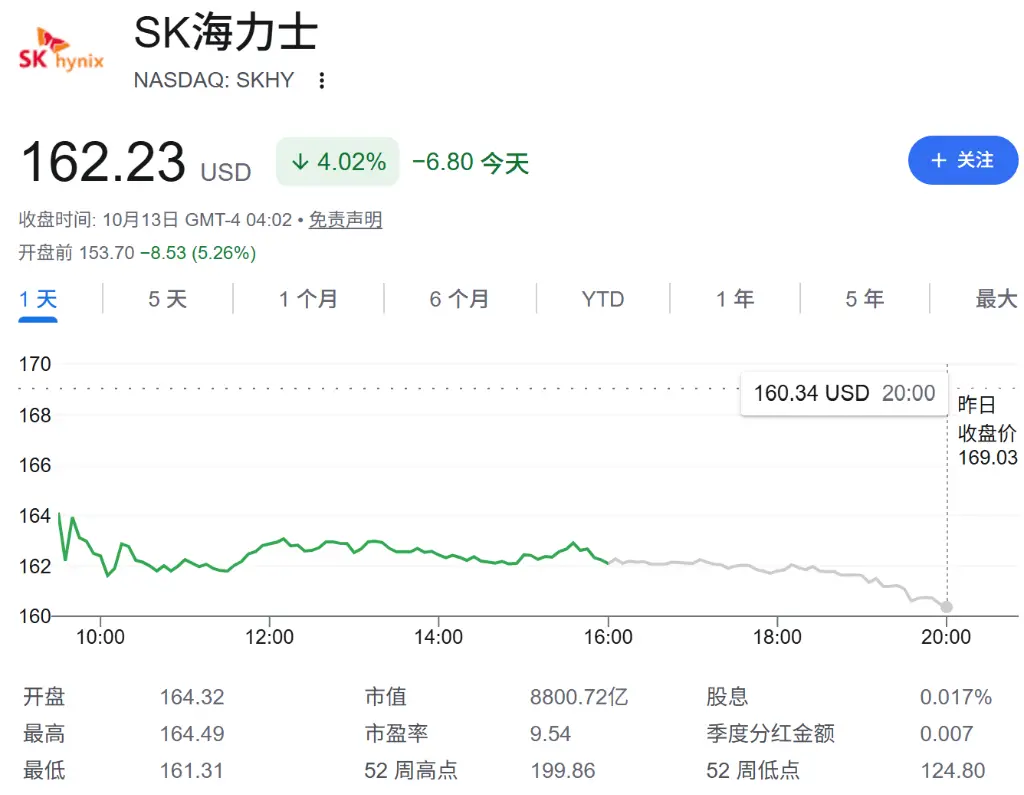
The core driving force behind this round of sell-off is the market's deep skepticism regarding AI investment returns. As the U.S. earnings season is about to begin, whether the massive AI spending by tech companies in a high borrowing cost environment can translate into sufficient returns has clearly shaken investor confidence. The MSCI Asia-Pacific stock index fell 1.6%, poised to hit its lowest closing level since August, while the Nasdaq 100 index also dropped to a monthly low, and the U.S. chip stock index reached its weakest level since mid-September.
Chris Weston, Head of Research at Pepperstone, wrote in a report, "The pessimism in market sentiment is rare recently. Buyers are stepping back to observe, and sellers have managed to push prices down with little resistance. The bears in AI trading currently dominate."
Hock Tan, CEO of Broadcom, also warned on Monday that the AI craze has attracted investors behaving like gamblers, some of whom know very little about the direction of their bets.
Garfield Reynolds, Head of Bloomberg Markets Live team, pointed out that Asian stock markets unexpectedly strengthened earlier this year amid energy shocks triggered by the Iran war, but as the conflict continues and oil prices rise, the questioning sentiment surrounding the tech boom threatens to cause leading stocks in the region to give back their previous outperformance.
Continued Supply Pressure in the Bond Market, Uncertainty in Yield Trends
Meanwhile, the supply pressure in the bond market is also unsettling investors.
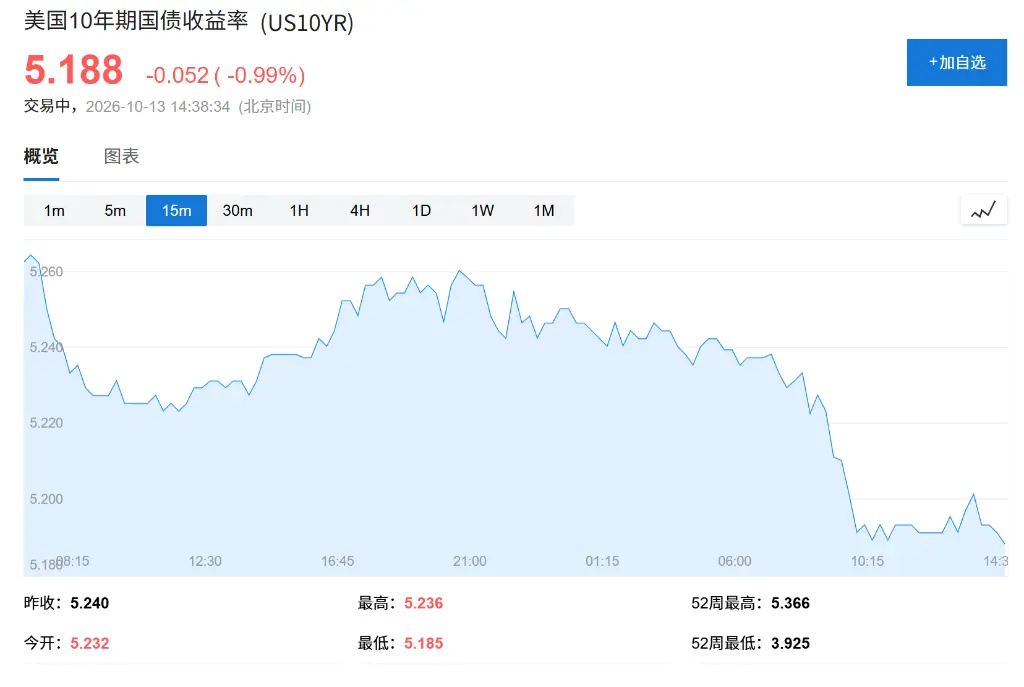
April LaRusse, Co-Head of Global Client Portfolio Management at BNY Investments, stated on Bloomberg Television that the large-scale bond issuance by tech companies is currently squeezing the issuance space for other types of bonds, "causing a considerable degree of unease in the bond market." She also mentioned that it is still too early to confidently determine whether U.S. Treasury yields have peaked, and the market's pricing of about three rate hikes seems too high; there is room for a rebound if the Middle East situation eases or labor market data weakens.
Leading Institutions Speak Out, Bubble Warnings Continue to Accumulate
Market pessimism is not isolated. Last week, billionaire Ray Dalio warned that AI is a "typical bubble," approaching a breaking point under the pressure of rising interest rates and the demand for asset liquidation.
The S&P 500 index has risen nearly 120% since its low in 2022, and after four years of a bull market, valuations have clearly stretched, making the stock market increasingly vulnerable when performance falls short of expectations. The Bloomberg Dollar Index fell slightly on Tuesday, ending a four-day streak of gains; Australian and New Zealand government bonds also rose in tandem with the global risk-off trend.
 Risk warning