BTC $79,422.35 -0.72%
ETH $2,491.55 -0.35%
BNB $744.25 -1.73%
XRP $1.40 -1.44%
SOL $105.10 -1.48%
TRX $0.3368 +0.79%
DOGE $0.0897 -0.31%
ADA $0.2193 -0.03%
BCH $257.02 -1.49%
LINK $13.29 +8.06%
HYPE $87.77 -0.19%
AAVE $134.76 -0.14%
SUI $0.8128 +1.78%
XLM $0.1921 +2.83%
ZEC $1,208.14 +1.71%
BTC $79,422.35 -0.72%
ETH $2,491.55 -0.35%
BNB $744.25 -1.73%
XRP $1.40 -1.44%
SOL $105.10 -1.48%
TRX $0.3368 +0.79%
DOGE $0.0897 -0.31%
ADA $0.2193 -0.03%
BCH $257.02 -1.49%
LINK $13.29 +8.06%
HYPE $87.77 -0.19%
AAVE $134.76 -0.14%
SUI $0.8128 +1.78%
XLM $0.1921 +2.83%
ZEC $1,208.14 +1.71%

openclaw

Tất cả
Bài viết
Tin nhanh

first_img Khung AI Agent mã nguồn mở OpenClaw 2 được phát hành, bổ sung tính năng hội thoại đám mây nhiều người

ChainCatcher thông báo, khung AI Agent mã nguồn mở tự quản OpenClaw đã phát hành bản cập nhật lớn nhất cho đến nay vào cuối tuần trước, với phiên bản số 2026.8.1, tên thương hiệu là OpenClaw 2. Thông báo chính thức cho biết, phiên bản này được hoàn thành bởi 933 người đóng góp, trong đó 569 người tham gia lần đầu, tổng cộng đã hợp nhất hơn 16.000 yêu cầu kéo, chiếm khoảng một nửa tổng số yêu cầu kéo đã hợp nhất trong lịch sử dự án. Nhóm đã lên kế hoạch chỉ tập trung vào việc đơn giản hóa quy trình cài đặt và xây dựng lại ứng dụng trình duyệt, sau đó mở rộng các thay đổi sang các mô-đun như bộ nhớ, mô hình, plugin, tin nhắn và bảo mật, vì vậy bản phát hành này được gọi là "bản phát hành lớn bất ngờ".Các tính năng cốt lõi của phiên bản mới bao gồm giao diện điều khiển được tái cấu trúc tập trung vào trò chuyện, hướng dẫn cài đặt có thể tự động nhận diện các đăng ký Claude hoặc ChatGPT hiện có và mô hình Ollama cục bộ, cũng như phiên làm việc đám mây chia sẻ nhiều người dùng dành cho đội nhóm, người dùng có thể tiếp nhận các nhiệm vụ đang diễn ra của đồng nghiệp tại team.openclaw.ai. Các thử nghiệm mô phỏng độ trễ chính thức cho thấy, số yêu cầu JavaScript ban đầu giảm từ 140 xuống còn 45, thời gian khởi động giảm từ 1,6 giây xuống còn 575 mili giây. Về mặt bảo mật, đã thêm phê duyệt theo cấp độ yêu cầu, quyền lệnh giới hạn theo tham số, hộp cát Docker và Podman, thực thi theo vai trò và kho khóa cấp đội nhóm, nhưng hộp cát và phê duyệt vẫn mặc định ở trạng thái tắt.

Các nhà nghiên cứu phát hiện một loại tấn công mới gọi là "xâm nhập ảo giác", AI có thể bị lợi dụng để xây dựng mạng bot

Tin tức từ ChainCatcher, theo báo cáo của Decrypt, các nhà nghiên cứu từ Đại học Tel Aviv, Viện Công nghệ Israel và Intuit đã phát hiện ra một phương pháp tấn công mới có tên là "xâm nhập ảo giác đối kháng", thông qua việc lợi dụng hiện tượng ảo giác của mô hình AI, lừa đảo các đại lý AI tải xuống mã độc và có thể hình thành mạng bot.Kẻ tấn công dự đoán các liên kết tài nguyên giả mà mô hình AI có thể tạo ra và đăng ký trước, chèn vào đó các lệnh độc hại, khi đại lý AI truy xuất tài nguyên đó sẽ coi nó là nội dung hợp pháp và thực hiện. Các thử nghiệm cho thấy, tỷ lệ xảy ra ảo giác của AI trong các kịch bản sao chép kho mã đạt 85%, trong các kịch bản cài đặt kỹ năng đạt 100%, các trợ lý lập trình AI như Cursor, GitHub Copilot, Gemini CLI và OpenClaw đều bị ảnh hưởng. Cuộc tấn công này tương tự như "tên miền giả" trong các cuộc tấn công mạng truyền thống, nhưng nhắm vào lỗi của mô hình AI chứ không phải lỗi nhập liệu của con người. Trước đó, đã có nghiên cứu cho thấy các trang web độc hại có thể tiêm nhiễm vào đại lý AI thông qua các gợi ý gián tiếp, người dùng OpenClaw đã báo cáo gặp phải hơn 6,000 lần cố gắng lừa đảo đại lý AI tiết lộ thông tin nhạy cảm.
Anthropic: The Claude subscription service will no longer cover the usage rights for third-party tools such as OpenClaw

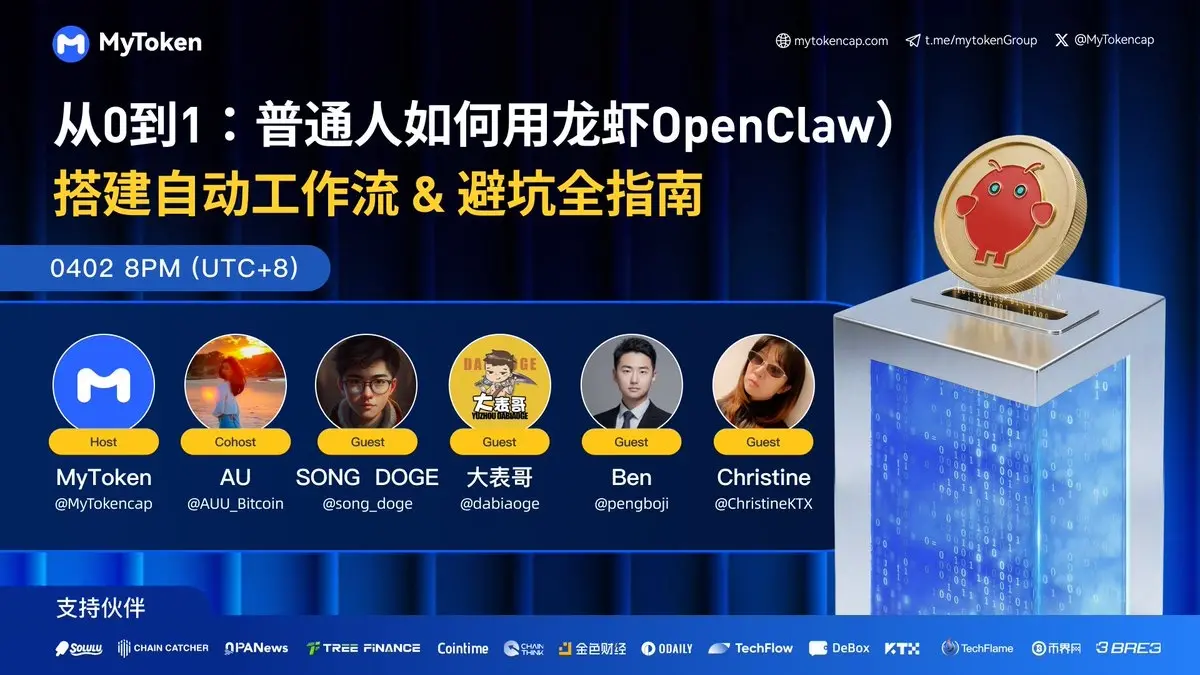
AI company Anthropic announced that starting from April 4 at 15:00 Eastern Time, it will prohibit access to third-party tools through the Claude subscription service, including the open-source project OpenClaw. The new regulations require that related features can only be used through additional packages or billed on a pay-as-you-go basis via API.This adjustment means that many developers and teams relying on OpenClaw to build automated workflows will shift from a fixed subscription cost model to an unlimited pay-as-you-go system, significantly increasing overall usage costs. Some developers have indicated that the original usage cost of about $20/month could soar to hundreds or even thousands of dollars.The market generally believes that this move is related to OpenClaw founder Peter Steinberger's recent joining of OpenAI. Meanwhile, Anthropic is accelerating the promotion of its own tool ecosystem, including native integration solutions for Claude, to replace third-party toolchains.It is worth noting that Anthropic has previously tightened third-party access through technical restrictions, updates to service terms, and feature replacements. This policy is seen as a "final blockade" and will be extended to more tools.Industry analysis points out that this event reflects an intensifying trend of "ecosystem tightening" in AI platforms, with leading companies strengthening control through vertical integration. At the same time, the developer ecosystem faces rising cost uncertainties and platform dependency risks, which may further drive some users toward more open alternatives.

Wujie Ark completes Pre-A round financing and launches "hardware version of OpenClaw" AI operating system

The AI hardware operating system company, Boundless Ark, has recently completed two rounds of Pre-A financing, with investors including the globally renowned wearable device brand Shokz, Guoruiyuan Fund, Hengsong Capital, and Shanghai Angel Club, with ECA Capital serving as the exclusive financial advisor.In the past year, the company has completed a total of 4 rounds of financing, raising hundreds of millions. Boundless Ark's core product is the AI operating system EVA OS, positioned as the "hardware version of OpenClaw" — essentially a set of Agent frameworks running on the hardware side, supporting various terminal devices such as robots, headphones, and glasses. Developers only need to describe their requirements in natural language, and EVA OS can autonomously complete program writing, driver debugging, and application deployment, averaging about half an hour, significantly improving efficiency compared to traditional solutions (3 people, 2-3 months).EVA OS adopts a cloud and local collaborative architecture, with voice latency below 250ms and multimodal feedback below 350ms, outperforming the industry standard of about 600ms; the self-developed end-to-end model reduces voice costs to one-twentieth of the industry standard, and perception model costs can be reduced by 70%-92%. Currently, since the release of EVA OS 1 three months ago, over 2,500 enterprises and R&D units have connected, covering multiple categories such as AI headphones, AI glasses, desktop robots, and robotic arms.
app_icon
ChainCatcher Building the Web3 world with innovations.