Labubu in the showcase, NFT on the screen, unlocking the magic of IP emotional marketing

 One is tangible and real, while the other exists only on screens. Labubu and NFTs, these two forms of IP, seem to belong to the worlds of reality and virtuality, yet in the era of emotion-driven consumption, they grow, explode, and recreate myths with astonishingly similar logic.
Written by: Nancy, PANews
A cute yet ugly little monster, Labubu, quietly stands in the display window, outside of which fans are queuing up to purchase, all for the surprise of possibly discovering a hidden version. Similarly, a series of digital images are minted as NFTs on the blockchain, invisible in physical form, yet sold out in just a few minutes.
One is tangible, the other exists only on screens; these two forms of IP seem to inhabit the realms of reality and virtuality, yet they grow, explode, and recreate myths with astonishingly similar logic in an emotionally driven consumer era. Behind this is a medium of community interaction, a projection of individual identity, and a cultural and emotional container birthed by the IP era.
Emotional Resonance: Connecting More Than Just Products
The charm of Labubu goes far beyond its fluffy exterior and unique design; it is an extension of the user's inner world, or perhaps a reflection of that secret monster image from childhood doodles, mirroring a deep-seated loneliness yet complex self. This seemingly simple doll actually creates real emotional companionship for users, filling their longing for belonging and love—just as psychologist Maslow pointed out the "need for belonging and love."
At the same time, Labubu satisfies the psychological phenomenon of collecting. Collecting behavior is seen in psychology as a manifestation of a sense of control. When users accumulate and showcase Labubu dolls, gaining a sense of achievement, this sense of possession in turn enhances self-identity and inner satisfaction. Each doll carries a unique story: whether it’s the excitement of queuing late at night to purchase, or the emotional resonance when sharing collections with friends, these moments become precious emotional treasures.
NFTs also stimulate a deep sense of community belonging, fulfilling people's social needs for acceptance and recognition. What players collect is no longer just a string of cold codes, or a symbolic representation of their first touch with the crypto world, but also a shared memory forged with like-minded individuals.
Based on the emotional resonance of possession and belonging, it not only meets users' intrinsic needs but also serves as an invisible bond connecting users and brands. Furthermore, this emotional stimulation opens up new growth paths for brands and creators, allowing them to cultivate multi-dimensional cultural identity and community belonging through deepening users' emotional experiences, ultimately achieving long-term loyalty and sustained engagement.
IP Narrative: More Than Just Assets, But Story Containers
In the current wave of cultural consumption, a character is never just an image. The true vitality of an IP lies in its ability to construct a narrative universe that people are willing to immerse themselves in.
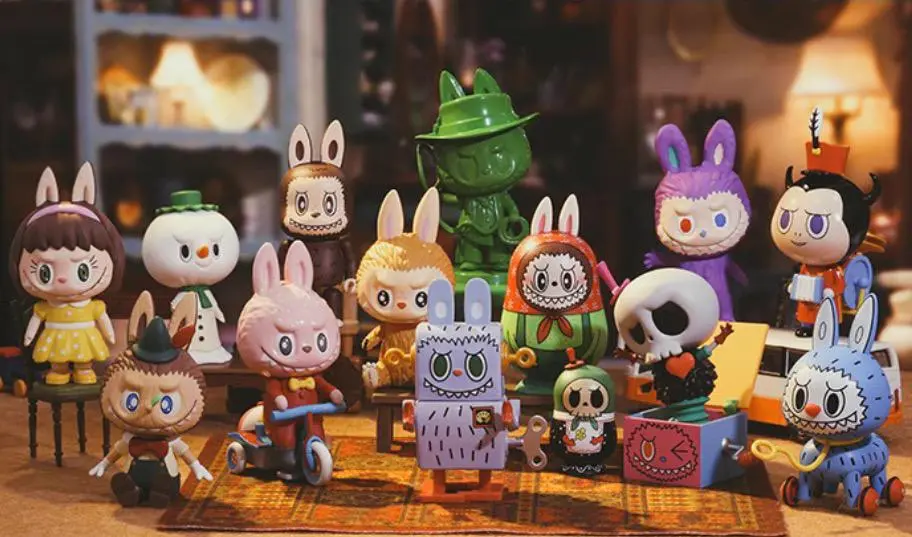
Labubu is a typical example of this. As a core member of The Monsters series, Labubu may have initially been just a big-eyed little monster with pointy ears, but as it gradually developed character, companions, and a growth trajectory, it transformed from a doll into a character, weaving a diverse and rich virtual network alongside other characters like ZIMOMO and SkullPanda. The construction of this universe relies on continuous content output, immersive experiential layouts, and deep user emotional participation mechanisms, allowing Labubu's image to extend into various physical carriers such as offline theme parks, limited plush toys, blind boxes, and building blocks.
This narrative-driven IP construction approach is equally evident in the NFT space. NFT projects have long realized that what truly moves users and maintains community is not merely singular scarcity, but the storytelling behind the characters. For instance, BAYC continuously expands the boundaries of its "Ape Universe" by launching diverse products like metaverse experiences, trendy apparel, games, and music; Azuki enriches user touchpoint experiences with physical comics and trendy peripherals; Pudgy Penguins breaks through the Web3 circle by entering traditional retail spaces with children's books and offline toys, emphasizing the cute and healing attributes of the penguin characters and the emotional narratives of companionship. The commonality among these cases is that they have achieved a leap from visual symbols to cultural roles, allowing NFTs to become narrative media driven by characters rather than merely on-chain assets.
From this perspective, those IP universes with long narrative structures and continuous content production capabilities truly possess the cultural potential to transcend time and reach a broader audience.
Blind Box Mechanism: The Game of Scarcity and Surprise
The blind box mechanism is a psychological game based on probability, artificially creating uncertainty that allows products to break free from simple functional attributes and instead be endowed with emotional value and trading potential. Scarcity is created through probability, which in turn stimulates emotions, and emotions ultimately drive the formation of market value. The core of this mechanism is to make players obsess over the "next time" through repeated attempts, a psychological state referred to in psychology as "intermittent reinforcement."
Labubu's innovative gameplay, combined with the blind box mechanism, gives consumers a sense of surprise and challenge. Hidden versions elevate ordinary products to the realm of collectibles or even assets. Each unboxing is not just an emotional consumption but a tangible emotional probability game. The NFT space has also introduced similar gameplay, writing randomness and scarcity onto the blockchain in the form of smart contracts. Each Mint process is essentially a digital card draw, with algorithms determining the combinations of images, backgrounds, and features, while rarity almost replicates the hidden version logic found in physical blind boxes.
More critically, when a hidden version of Labubu is unboxed, or a rare NFT is revealed, the amplification mechanism of social networks is activated, from sharing pictures in friend circles to bidding in secondary markets, with rarity quickly being priced by the market and transformed into a form of hard currency.
Premium Pricing: Market Pricing of FOMO Emotions
A hidden version of Labubu skyrocketing to tens of thousands, a rare NFT reaching millions or even tens of millions of dollars—these astonishing figures are not merely simple price actions but the marketization of emotional value.
FOMO (Fear of Missing Out) is one of the core emotions driving premium pricing. When buyers see others making high-priced transactions, it often triggers their impulse to rush in. At this point, many buyers no longer judge based solely on the intrinsic value of the work but act based on the psychological expectation of seizing opportunities or not being abandoned by the market, thus forming a positive feedback loop in pricing that further drives up premiums. This behavior is essentially a psychological gamble on potential future value. Moreover, market consensus is reinforced by continuously rising transaction prices and discussions on social media, further pushing prices higher.
Some speculators/resellers, and even officials, are well aware of FOMO psychology and intentionally create market hotspots, such as manipulating prices, repurchasing or releasing limited editions, promoting hype, and creating scarcity to stimulate purchasing desire, resulting in short-term price surges and bubble phenomena.
While emotion-driven dynamics bring enormous premiums and market activity, they also come with extremely high volatility risks. Once emotions reverse, prices can collapse rapidly, leading to panic selling in the market.
Celebrity Effect and Social Identity Symbols
In this era where emotional value is commodified, entities like Labubu and NFTs not only exist as collectibles but also become a new social language and identity projection medium. The endorsement of celebrities and the emotional resonance of the public together construct the symbolic status of trendy toys and NFTs in contemporary culture, allowing them to transcend their original aesthetic, functional, and collectible attributes, further evolving into cultural symbols that express individuality, taste, and social capital.
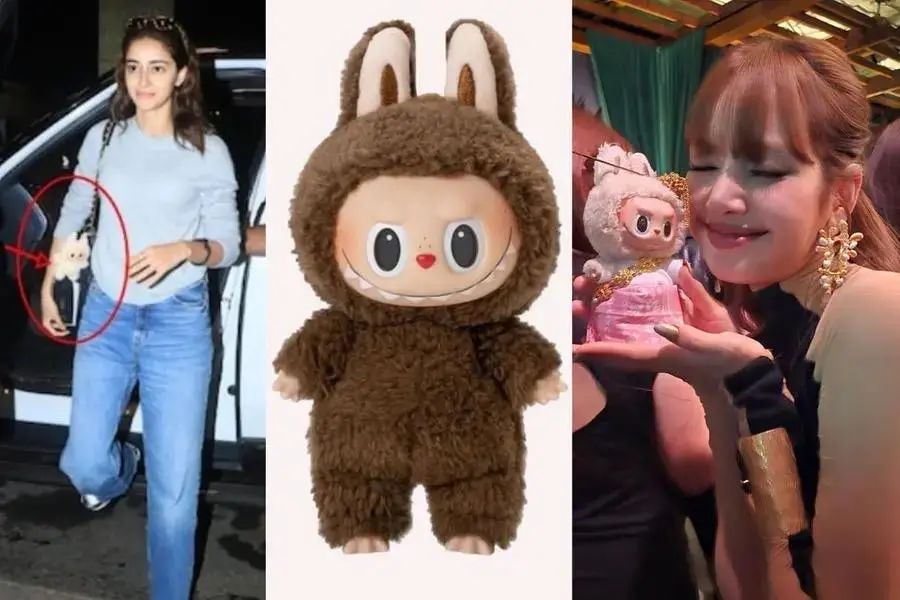
Whether it’s Labubu becoming a symbol of global pop culture under the frequent "recommendations" of stars like Rihanna, Dua Lipa, and BLACKPINK's Lisa and Rosé, or NFTs gradually transitioning from crypto subculture to mainstream discourse due to the involvement of celebrities like Takashi Murakami, Snoop Dogg, Eminem, Justin Bieber, and Jay Chou, these phenomena indicate that celebrities, as super nodes in the cultural dissemination of these IPs, inherently possess aesthetic guidance and consumption demonstration roles, often rapidly enhancing the cultural value of a trendy toy or NFT project.
In the era of social media, these collectibles also transform into cultural masks to be seen. Sharing a hidden version or a celebrity's Labubu, or setting a rare NFT as a Twitter/X avatar, users are not only showcasing their collectibles but also conveying their aesthetic tastes, values, and even economic strength. In a sense, this is a social behavior and identity declaration conducted through images, assets, and symbols.
Community as Productivity: The Narrative Engine and Cultural Flywheel of IP
The growth path of brands is undergoing a fundamental transformation. In the past, advertising was the main battlefield for brand expansion, where high-frequency exposure and budget stacking almost equated to monopolizing user attention; today, this formula is becoming ineffective, and the true power that can penetrate noise and resonate with hearts often comes from communities.
Labubu's breakout did not rely on overwhelming commercial investments but on a group of ordinary users who love doll culture. They continuously produce UGC content through daily behaviors like "showing off their dolls," DIY modifications, creating memes, and photography check-ins. This authentic and warm content spreads on social media, not only lowering the barriers to dissemination but also easily triggering emotional resonance, allowing the IP to grow naturally within social networks.
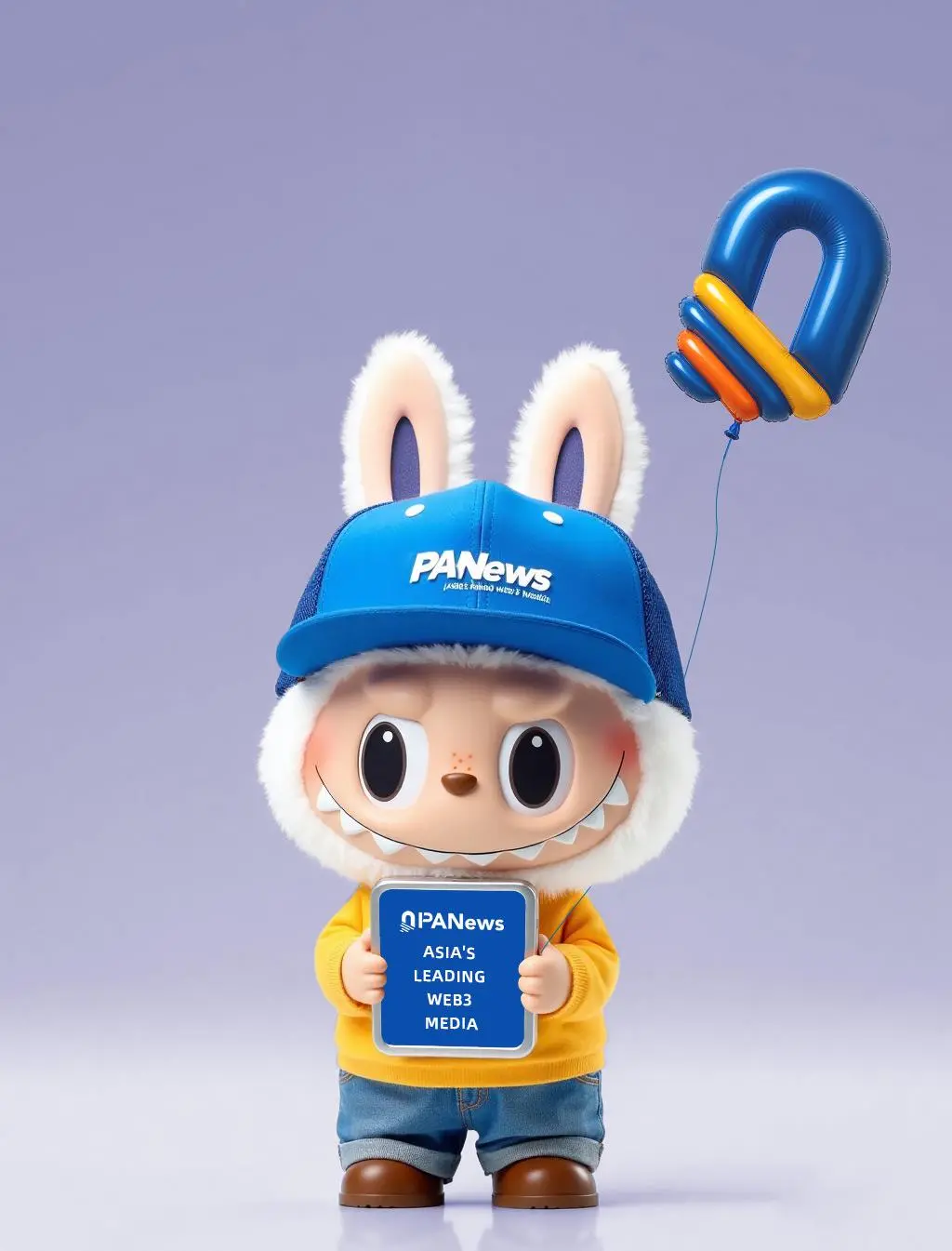
PANews Creative Labubu
The same is true in the NFT world. Projects like CryptoPunks, BAYC, Pudgy Penguins, and Azuki have achieved cultural spillover more through the spontaneous creations of holders as they move towards the mainstream. If the scarcity of NFTs endows participation with symbolic capital, then community creation grants these IPs sustained vitality.
This is not only an innovation in dissemination logic but also a transfer of narrative power. In such a system, ownership is not merely about physical asset possession but also about the right to participate in and shape brand narratives. Every piece of copy, every shared image, contributes to endowing the brand with new semantic layers. Furthermore, the community itself has become a form of productivity, a source of IP narratives, an incubator for creativity, and an amplifier of cultural resonance.
Aesthetic Drive: From Visual Style to Emotional Communication
The popularity of trendy toys is inseparable from their "cute yet bizarre," "rebellious yet healing" visual language. This seemingly contradictory yet highly integrated aesthetic quality injects strong personality into the works and precisely resonates with the emotional pulse and inner world of contemporary youth.
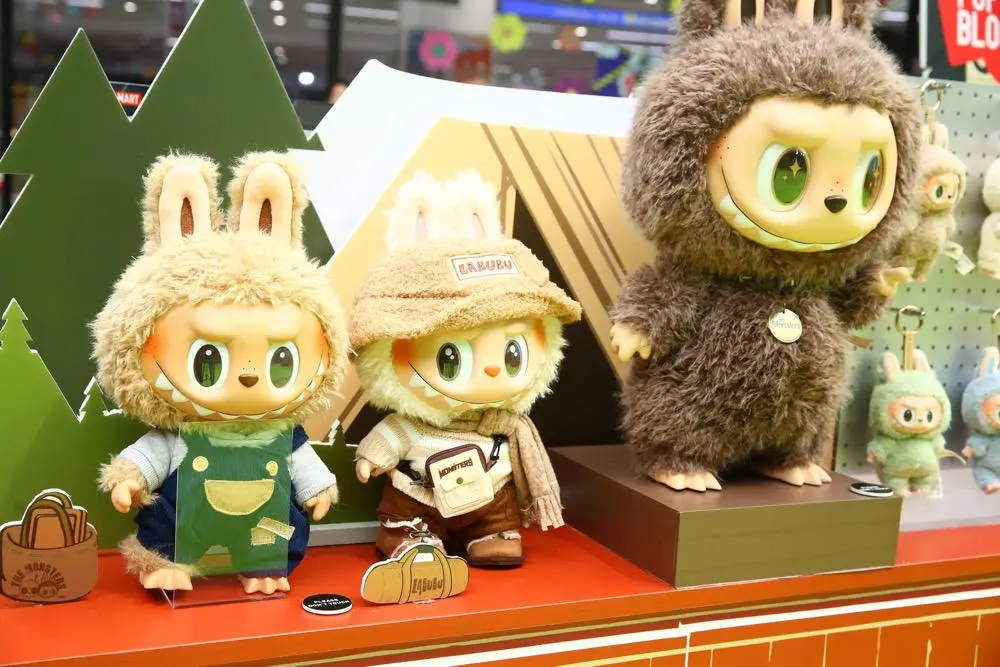
Labubu, with its contrasting aesthetics of bizarre and cute, brings strong visual impact and emotional freshness, becoming a cultural symbol of self-identity for Generation Z. This visual style is not merely an aesthetic choice but a narrative strategy. Labubu's image is both distant and approachable, both marginal and warm; this contradictory yet complex aesthetic expression aptly reflects the true portrayal of Generation Z amidst identity anxiety, emotional exhaustion, and social alienation. At the same time, Labubu breaks the previous aesthetic system of trendy toys dominated by kawaii sweetness, injecting sharper expressive dimensions into trend culture.
This aesthetic logic is similarly reflected in the NFT world. As a new visual species in crypto culture, NFT aesthetic language transcends mere beauty or coolness, evolving into a form of cultural resonance. For example, CryptoPunks pioneered with minimalist pixel art, representing geek spirit and digital fundamentalism; Azuki blends Japanese manga syntax with street trends, constructing a new generation of identity recognition in the context of Asian culture and globalization; Bored Ape Yacht Club uses cartoonish and absurd street visuals to satirize elite culture and traditional authority; Pudgy Penguins conveys healing emotions through round, cute character designs… These styles are not randomly assembled but are concentrated expressions revolving around identity recognition, emotional projection, and cultural belonging.
Images become the gateway to spiritual spaces, and aesthetic styles serve as social languages. Ultimately, whether it’s entities like Labubu or NFT works on the blockchain, what truly touches people's hearts is not merely their shapes and styles, but their ability to embed emotional resonance through color, texture, and style in visuals, thereby establishing a deep connection that transcends mere product attributes.
 Risk warning
 Risk warning
Popular articles