In-depth analysis of Figma's stock surge of 250% on its first day of trading: Why is the collaboration platform irreplaceable in the AI era?

 Artificial intelligence technology is not eliminating collaborative platforms, but rather making true collaborative platforms more scarce and valuable.
Have you ever wondered why, in an era where AI can generate everything, a "drawing tool" has become more valuable? On July 31, Figma officially landed on the New York Stock Exchange, closing on its first day with a market value of up to $56.3 billion, with a P/S ratio exceeding 60 times. In contrast, the average P/S ratio in the SaaS industry is only 7 times. This figure not only far exceeds the valuation levels of mature SaaS companies like Adobe and Salesforce, but it is even more shocking than Adobe's $20 billion bid to acquire it two years ago. What is even more thought-provoking is that this valuation is given against the backdrop of an explosion in AI design tools, where ChatGPT can quickly produce design drafts and Midjourney can generate exquisite images. According to conventional logic, when AI can automate design work, the value of traditional design tools should be diminished, but the reality is quite the opposite.
Why are investors willing to pay such a high valuation for a collaborative design platform? What does this reflect about future judgments? As I delved into Figma's IPO prospectus and analyzed its over $900 million in annual recurring revenue, 46% annual growth rate, and 132% net revenue retention rate, I discovered a disruptive realization: AI technology is not eliminating collaborative platforms, but rather making true collaborative platforms more scarce and valuable. This scarcity is redefining the value logic of the entire software industry and providing us with a new perspective to understand the global technology investment landscape. In this redefinition process, some high-quality targets with significant strategic value are waiting to be rediscovered.
The Business Secret Behind an Astonishing Statistic: Two-Thirds of Users Are Non-Designers
Figma's most disruptive aspect is not its revenue or features, but its user composition: two-thirds of its 13 million users are not professional designers. This reflects a profound shift in corporate collaboration methods—from a process centered around job roles to a system centered around collaboration. Figma is no longer just a design tool; it has become a cross-functional collaboration platform. In the AI era, companies are willing to pay for tools that "enable better collaboration" rather than "allow individuals to work alone."
Let me first share a shocking statistic: two-thirds of Figma's 13 million monthly active users are not designers. This means that product managers, developers, marketers, operations personnel, and even CEOs are using this software, which was initially defined as a "design tool." If you think this is just a natural expansion of the user base, you are gravely mistaken. This statistic hides a fundamental transformation in modern corporate work methods and a paradigm shift that is about to occur in the software industry.
In traditional corporate workflows, design is a relatively isolated professional field. Designers create in their specialized software, hand off files to product managers for review, then pass them to developers for implementation, and finally, operations personnel promote the product. This linear, segmented workflow was effective in the early days of the internet when product complexity was relatively low and iteration speed was slow. However, in today's era, where product lifecycles are measured in weeks or even days, this way of working has become a significant barrier to efficiency.
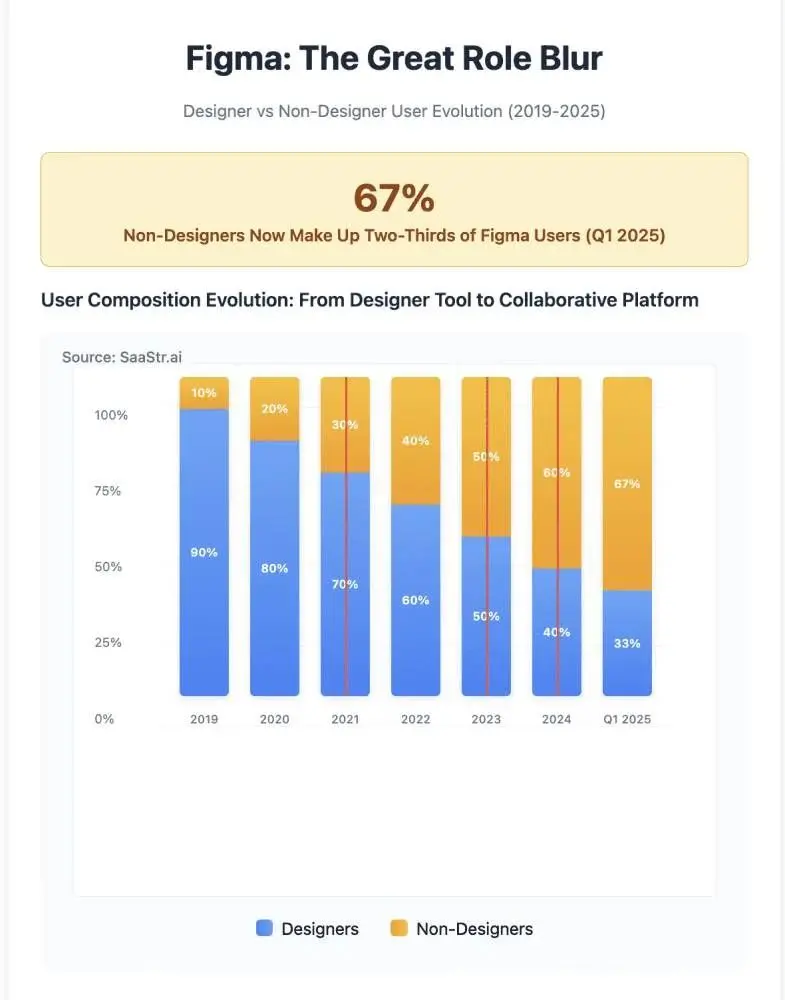
According to Deloitte's research, 57% of business leaders predict that AI will "substantially change" their companies in the next three years, but this change is not a simple substitution. The change in Figma's user composition actually reflects a pressing need for real-time collaboration and cross-functional cooperation within enterprises. When product managers can directly annotate requirements on design files, developers can view design specifications in real-time, and operations personnel can quickly create marketing materials, the efficiency of the entire product development process will undergo a qualitative leap. More importantly, this collaborative approach eliminates losses and misunderstandings in the information transfer process, bringing the final product closer to the original design intent.
I found that this change in Figma's user composition actually heralds a larger trend: the boundaries of software are disappearing. In the past, we were accustomed to categorizing software by function: design software, development tools, project management software, communication and collaboration software, etc. However, with the development of AI technology, these boundaries are becoming increasingly blurred. A great collaboration platform is no longer just about providing specific functions; it has become the infrastructure that supports the entire workflow. The value of this infrastructure far exceeds the simple sum of traditional functional software.
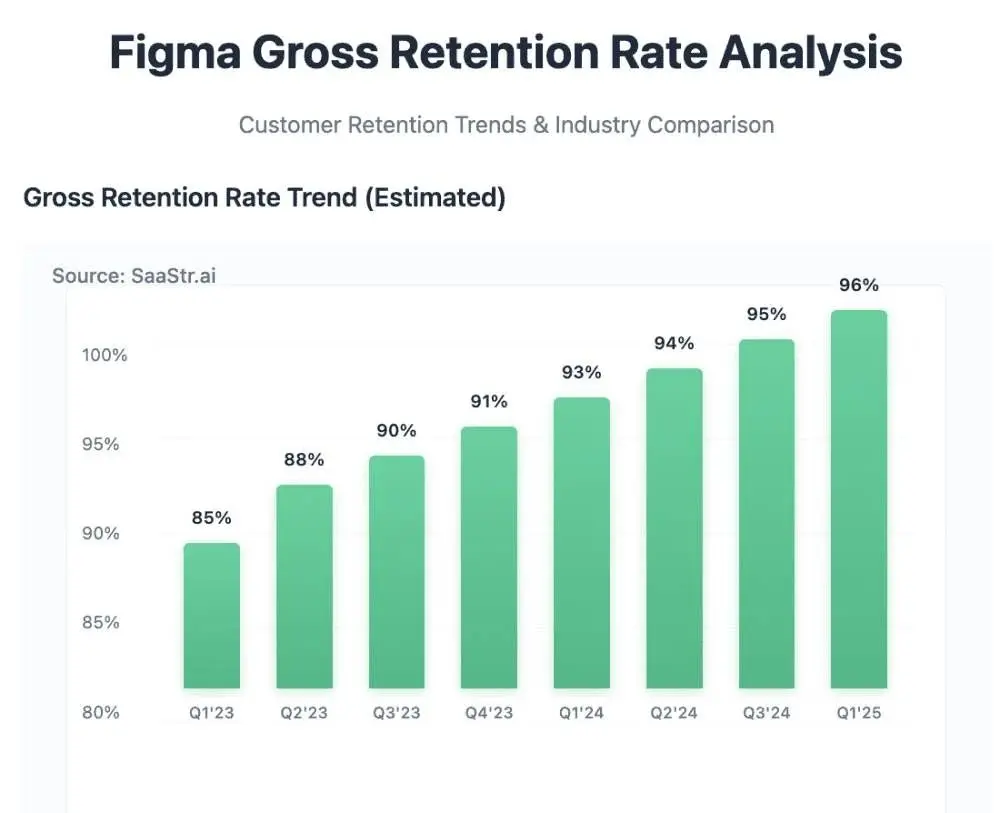
From a business model perspective, this change in user composition has led to a fundamental optimization of the revenue structure. Companies are essentially paying for management and collaboration, not just for tools for the designer role. Traditional design software primarily relies on payments from designers, which has a clear ceiling. But when two-thirds of users are non-designers, the platform's scalability becomes nearly limitless. Each company's designers may only number a few, but the number of product managers, developers, and operations personnel can be several times or even dozens of times that of designers. This change in user structure brings exponential revenue growth potential to the platform and explains why investors are willing to give Figma such a high valuation premium.
The Counterintuitive Phenomenon in the AI Era: Exponential Growth in Collaboration Demand
Many people think that AI can weaken collaboration demand, but the reality is counterintuitive: AI increases information complexity, compresses decision-making cycles, and introduces more non-design roles into the mix. Design is no longer about "creating one version," but rather "real-time debugging of multiple versions." Figma ensures brand consistency through design systems and has become the decision-making hub for intelligent collaboration. Collaboration does not diminish; instead, it upgrades to become one of the foundations of AI systems.
When I analyzed Figma's strategic layout and changes in user behavior amid the AI wave, I discovered an extremely counterintuitive yet logical phenomenon: the development of AI technology has not diminished the value of collaborative platforms; rather, it has reinforced their strategic position in an unprecedented way. The logic behind this phenomenon reveals a fundamental cognitive bias in our understanding of AI's impact and provides important clues for judging the future direction of the software industry.
The traditional view holds that when AI can automatically generate design drafts, write code, and create charts, the value of corresponding professional software and collaboration tools will be diminished. This viewpoint seems reasonable: since AI can directly produce results, why do we still need complex tools and cumbersome collaboration processes? However, Figma's actual data completely overturns this expectation. In 2024, Figma launched 180 new feature updates, most of which are related to AI capabilities, including automatic layout optimization, intelligent component recommendations, design specification checks, and more. The introduction of these AI features has not reduced the frequency of user collaboration; rather, it has significantly boosted team collaboration activity.
The key lies in our understanding of the essence of "design work." Design has never been simply about "generating graphics" or "creating visuals"; it is a complex problem-solving process that includes understanding requirements, user insights, strategy formulation, solution exploration, feedback integration, and iterative optimization. AI can indeed provide strong support in the "solution generation" phase, allowing designers to quickly explore more possibilities, but this, in turn, makes other phases more important and complex. When AI can generate 10 design proposals, how do teams discuss the pros and cons of these proposals? How do they combine user feedback and business objectives to select the best proposal? How do they ensure that the chosen proposal can be correctly implemented and deployed? These questions require stronger collaborative mechanisms to solve.
AI technology has also compressed the timeline of design work. In traditional models, a design project might take several weeks to complete, allowing ample time for gradual communication and adjustments. However, when AI can quickly generate design proposals, the project timeline is significantly compressed, requiring teams to have higher real-time collaboration capabilities. Asynchronous email communication and regular meeting reviews can no longer meet this fast-paced work model; real-time collaboration, instant feedback, and rapid iteration mechanisms based on the platform are needed.
At the same time, this compression of the timeline also brings a deeper challenge: although AI improves and assists in content generation across various tasks, we all know that AI's biggest problem is making mistakes and being imprecise. When multiple roles begin to use AI to quickly produce content, ensuring brand consistency and design quality becomes a critical issue. This is precisely where the value of collaborative design platforms lies—Figma ensures that content generation by different roles does not fall apart through online collaboration and design systems, maintaining consistency in enterprise software, experiences, and branding.
Furthermore, the application of AI technology actually increases the complexity of design decisions. This complexity requires teams to possess stronger collective intelligence and decision-making mechanisms, and collaborative platforms are the vehicles for this collective intelligence to function. The platform must not only accommodate the diverse content generated by AI but also provide effective evaluation, discussion, and decision-making tools to help teams make optimal choices among numerous options.
From a business perspective, the growth of AI-driven collaboration demand creates new revenue opportunities for platforms. Traditional SaaS models primarily charge based on user numbers and usage duration, but in AI-enhanced collaboration models, platforms can price based on collaboration complexity, AI processing workload, and the value of intelligent services. This multi-dimensional value creation and capture model provides greater commercial imagination for collaboration platforms.
The New Logic of Platform Economy: From Function Stacking to Ecological Synergy
76% of Figma users use multiple products, not because of abundant features, but because of strong synergy. AI allows data, processes, and permissions to span multiple roles and scenarios; the deeper users flow within the ecosystem, the higher the migration costs. The number of clients paying over $100,000 annually has surged by 47%, indicating that enterprises view Figma as a "highly sticky collaboration platform" rather than a single-point tool. This represents a new paradigm of competitive advantage for platform companies.
In-depth research into Figma's evolution reveals a key characteristic of platform economy in the current era: the synergy of multiple products is becoming the core factor determining platform value, while traditional functional competition is gradually losing significance. This change not only redefines the product strategy of software companies but also provides a new perspective for understanding the development laws of platform economy.

76% of Figma users use two or more products, and this seemingly simple statistic hides profound changes in modern enterprise software consumption. In the traditional SaaS era, companies typically procured corresponding specialized software for each specific need: design needs used design software, project management used project management software, and communication and collaboration used instant messaging software. This "point procurement" model was effective in an era of relatively independent functions, but in today's deepening digital transformation, this fragmented software usage has become the greatest barrier to efficiency. Issues such as data silos, process disconnection, and inconsistent user experiences have imposed significant hidden costs on enterprises.
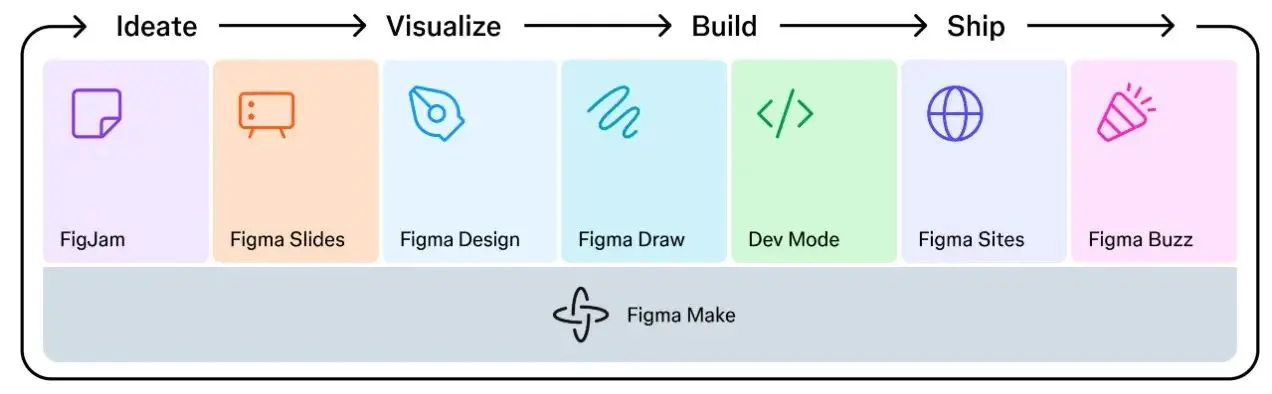
Figma's multi-product strategy is essentially building a complete digital product lifecycle ecosystem. From initial creative discussions (FigJam) to specific design execution (Figma Design), from development delivery (Dev Mode) to content marketing (Figma Buzz), from website building (Figma Sites) to presentation reporting (Figma Slides), each product covers key stages in the digital product development process. More importantly, these products do not simply stack functions; they form organic synergies: ideas generated in FigJam can be directly transformed into design elements in Figma Design, components in Design can automatically generate code specifications in Dev Mode, and design assets can be seamlessly applied to presentations in Slides.
The value of this product synergy is further amplified in the current context. AI technology makes data flow and intelligent processing between different products smoother, allowing user behavior and preferences in one product to be learned by AI and applied to optimize experiences in other products. For example, color combinations and font pairings frequently used by users in Figma Design can be recognized by AI and automatically applied to template recommendations in FigJam; code preferences in Dev Mode can influence AI's layout suggestions in Design; presentation styles in Slides can guide AI in content generation in other products. This cross-product AI synergy creates user experiences that traditional tools cannot achieve.
From the perspective of user stickiness, the migration costs associated with multi-product usage grow exponentially. When users simultaneously use multiple related products, migration costs include not only the individual costs of each product but also the systemic costs of re-establishing collaborative relationships between products. More importantly, the "soft assets" accumulated in a multi-product ecosystem—such as workflows, collaboration habits, and data associations—are often more difficult to migrate than specific files and settings, and these soft assets constitute the platform's strongest moat.
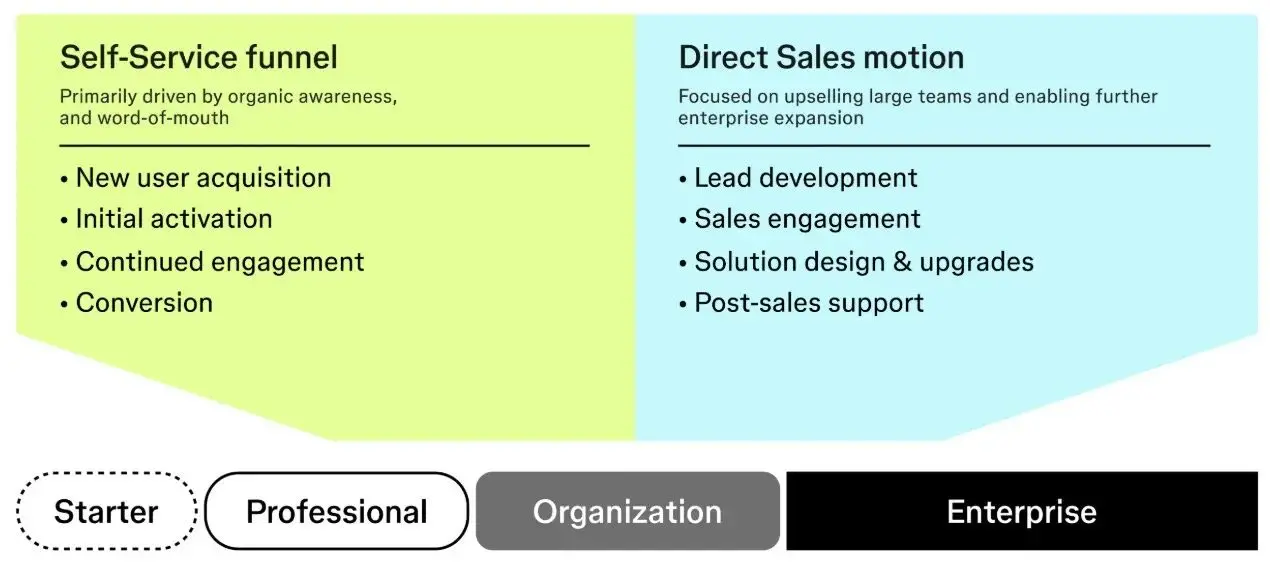
I noticed that the number of Figma's clients paying over $100,000 annually grew by 47%, reaching 1,031, and these clients contributed 37% of total revenue. This revenue concentration reflects the Matthew effect of platform value: the larger the organization, the more complex the cross-departmental collaboration needs, and the more value they can derive from multi-product synergy, making them more willing to pay higher fees for this value. Large organizations typically have dedicated design teams, product teams, development teams, and operations teams, and the collaboration efficiency among these teams directly impacts the competitiveness of the enterprise, thus enhancing their perception of the value of collaboration platforms and their willingness to pay.
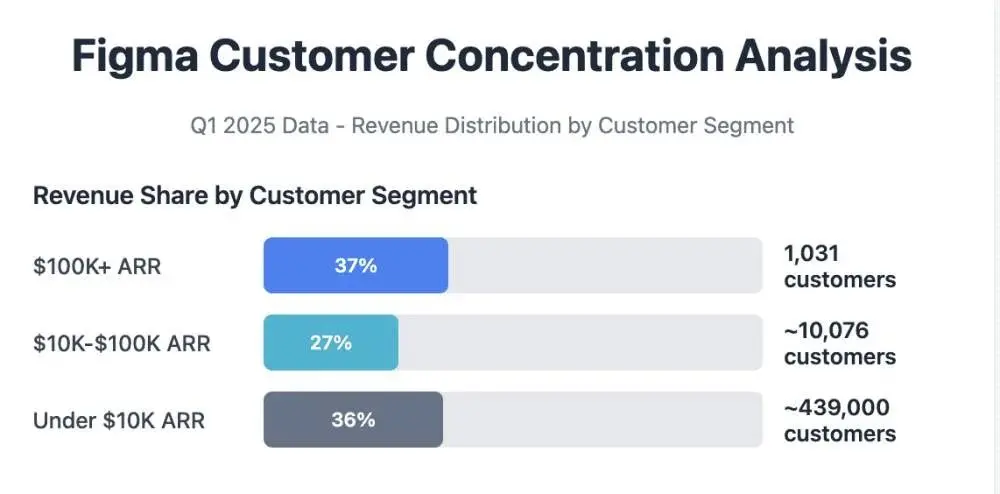
A deeper commercial logic is that multi-product platforms are changing the competitive dimensions of the software industry. In the platform era, the core of competition has shifted to the integrity of the ecosystem and the efficiency of collaboration. Users no longer only care about the strength of a product's features; they are more concerned with whether the entire platform can support a complete workflow, provide a consistent user experience, and achieve seamless data and process connections.
From the development trends in the global software market, I predict that the future enterprise software market will be primarily dominated by such multi-product collaboration platforms. This trend presents new strategic choices for all software companies: either develop into a platform, become part of a platform ecosystem, or face the risk of being eliminated from the market.
Unique Opportunities in the Chinese Market: Rediscovery of Strategic Value
China has a relatively large designer community and an active digital economy, creating unique opportunities for domestic collaboration platforms. MasterGo, as the only domestic platform comparable to Figma, possesses technical strength, recognition from leading clients, localization advantages, and policy dividends. It even launched AI capabilities earlier than Figma, representing an important strategic value target.
When I shifted my analytical perspective from Figma to the global software market landscape, I discovered an extremely interesting and opportunity-filled phenomenon: although the U.S. has produced benchmarks for collaborative design platforms like Figma, the uniqueness and complexity of the Chinese market have created a vast and relatively independent value gap for domestic innovation. This gap exists not only at the market demand level but also in multiple dimensions such as technological development paths, business model innovation, and ecosystem construction. Within this value gap, there is a high-quality target with significant strategic value waiting to be rediscovered.

The uniqueness of the Chinese design software market is first reflected in scale effects. China has a relatively large designer community and a vibrant digital economy ecosystem. From the design of product pages on e-commerce platforms to HMI design in the new energy sector, to the construction of digital systems for enterprises, the design demand in the Chinese market is leading the world in quantity, variety, complexity, and iteration speed. This market environment provides rich application scenarios and rapid growth soil for collaborative design tools, while also imposing higher requirements on the performance, stability, and adaptability of the tools.
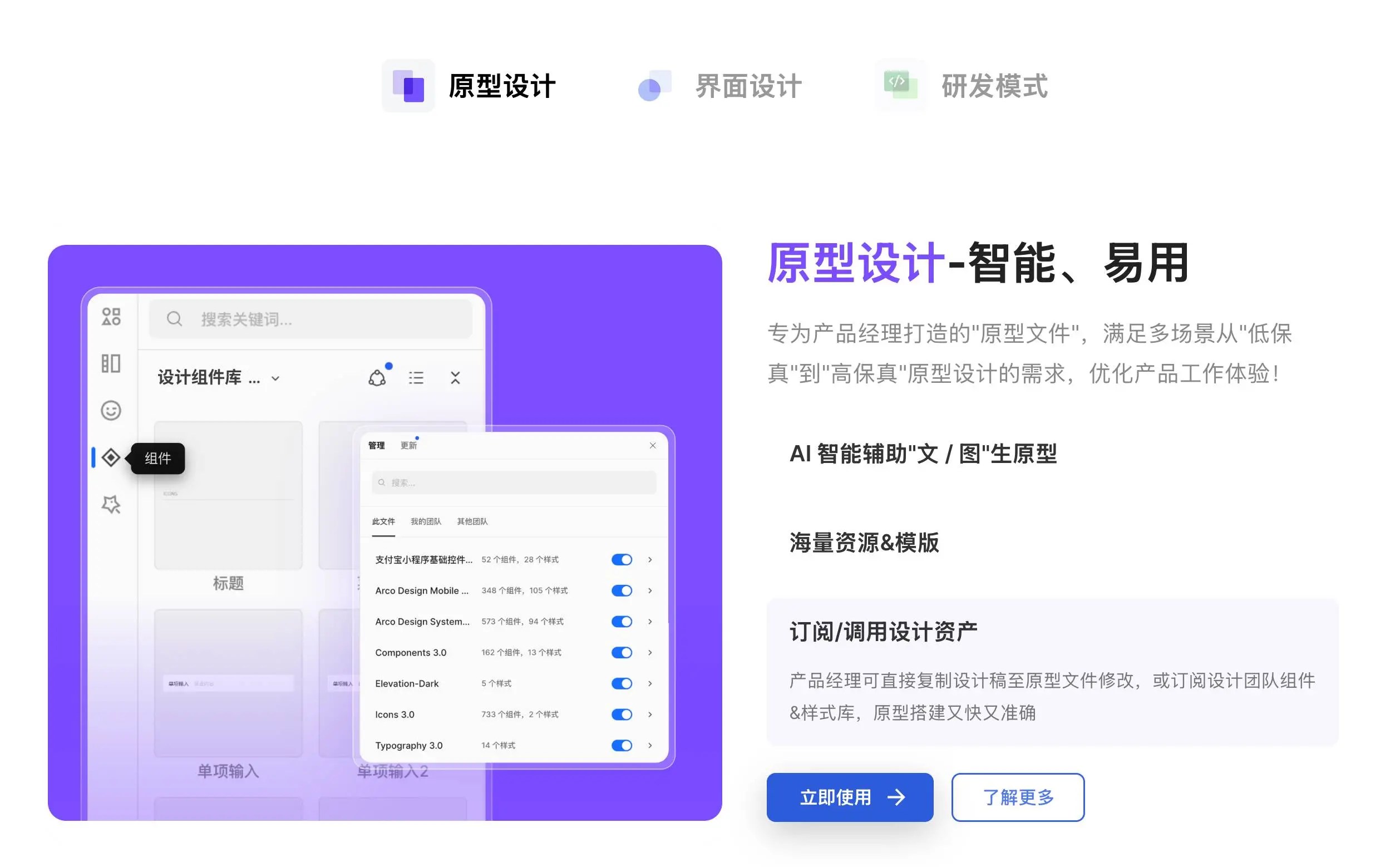
In such a market environment, MasterGo, as the only collaborative design platform in China that can be compared to Figma, has demonstrated remarkable development potential. From a technical architecture perspective, MasterGo also adopts a web-native collaborative design architecture, supporting core functions such as real-time editing by multiple users, version management, and design systems. After years of technical accumulation and product refinement, MasterGo can now stably support large-scale team collaboration with hundreds of people online simultaneously, with individual projects supporting editing of up to 100,000 layers, achieving international advanced levels in performance and stability. More importantly, MasterGo also has privatization deployment capabilities, providing ideal solutions for clients with high security requirements, such as finance and government enterprises.
Deeper opportunities arise from cultural and work style differences. The organizational culture of Chinese enterprises emphasizes collective decision-making and cross-departmental collaboration, which creates unique demands for collaborative design tools. For example, Chinese enterprises are more accustomed to refining design proposals through group discussions, place greater importance on real-time communication and rapid feedback during the design process, and require design tools to support simultaneous online collaboration for large teams. Additionally, the decision-making speed in Chinese enterprises is generally faster, with shorter product iteration cycles, necessitating design tools that can support high-frequency version updates and rapid design changes. These demand characteristics significantly differ from those in overseas markets, and MasterGo has established strong product advantages in these areas.
From a market performance perspective, MasterGo has gained high recognition from leading clients. Through the "co-creation plan," MasterGo has deeply bound itself to leading enterprises such as China Telecom, China Merchants Bank, Meituan, Baidu, and iFlytek, achieving nearly 80% market share within three years of launch, with over a hundred leading enterprises paying for its use. Establishing this client base not only brings stable revenue sources but also builds a strong word-of-mouth effect and industry influence. MasterGo's NPS (Net Promoter Score) exceeds 50%, with 63% of users ranking its experience as number one, a level of user satisfaction that is quite rare in the enterprise software field.
In terms of payment capacity and commercialization potential, the Chinese market demonstrates enormous value creation space. I noticed an interesting data point about Figma: although international users account for 85% of its total users, international revenue only accounts for 53% of total revenue. This mismatch between users and revenue reflects differences in payment capacity, payment habits, and value recognition across different markets. Chinese enterprises typically have a strong willingness to pay and a high price tolerance for tools that can significantly enhance efficiency and competitiveness. Especially in first-tier cities and leading enterprises, investing in professional design tools has become a standard configuration for digital transformation. This provides a solid market foundation for MasterGo's commercialization.
Changes in the policy environment have created unprecedented development opportunities for domestic software. The implementation of regulations such as the Data Security Law and the Cybersecurity Law has transformed enterprises' requirements for software autonomy and control from "optional" to "mandatory." Particularly among important client groups such as government agencies, financial institutions, and large state-owned enterprises, using software with independent intellectual property rights has become a compliance requirement. Figma has previously faced supply risks with Chinese companies like DJI, which has made many enterprises realize the importance of having autonomous and controllable design tools. As a representative of domestic collaborative design software, MasterGo not only fills this gap but also addresses enterprises' core concerns regarding data security and business continuity.
More strategically significant opportunities lie in the deep integration of AI technology with local needs. In terms of AI capability layout, MasterGo has demonstrated impressive foresight and execution. According to publicly available information, MasterGo has been quite agile in the AI wave, launching AI Coding Agent-like features for generating website code even earlier than Figma, and it is among the first software platforms globally to announce support for and expand MCP (Model Context Protocol). This proactive attitude and rapid execution capability in applying AI technology reflect the team's deep understanding of technological trends and keen sensitivity to product innovation.
The design needs in the Chinese context, the interaction habits of Chinese users, and the collaboration modes of local enterprises all provide a unique data foundation and application scenarios for training AI design assistants that "understand Chinese users better." When this localized AI capability is combined with a powerful collaboration platform, it will create differentiated value that overseas products find difficult to replicate. Based on its deep understanding of the Chinese market, MasterGo has the opportunity to achieve breakthroughs in the localized application of AI capabilities, thereby establishing stronger competitive barriers.
From the perspective of the ecosystem, China has a complete and unique digital toolchain ecosystem. From collaboration platforms like DingTalk and WeChat Work to various project management, code hosting, and continuous integration tools, the digital tool stack of Chinese enterprises significantly differs from that of overseas markets. A successful collaborative design platform needs to deeply integrate with these localized tools to provide seamless data flow and workflow connections. This integration capability within the local ecosystem is a core competitive advantage that overseas products find difficult to establish quickly, and it is one of MasterGo's important advantages over Figma.
Most importantly, the Chinese market is still in the early stages of popularizing collaborative design tools, presenting enormous growth potential. Although leading internet companies and design agencies have widely adopted professional design tools, many small and medium-sized enterprises and traditional industry companies are still using relatively outdated design methods. As these enterprises deepen their digital transformation, the demand for collaborative design tools will experience explosive growth. In this growth process, platforms with localization advantages will find it easier to gain user recognition and market share than overseas products.
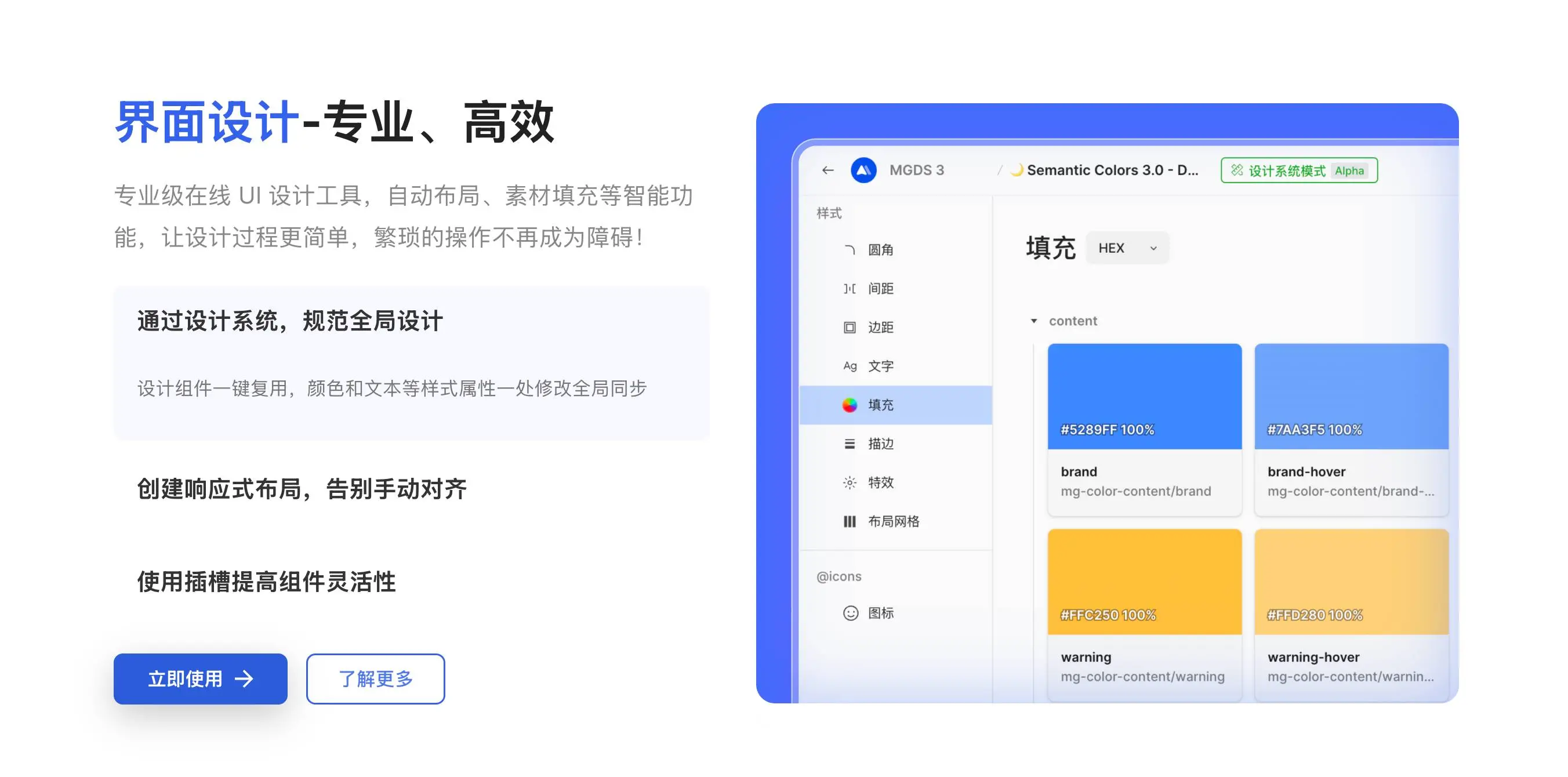
Considering all these factors, I believe MasterGo represents an important strategic value product in the Chinese collaborative design software market. It not only possesses technical capabilities and product advantages similar to Figma but also has localization advantages and policy dividends that Figma lacks. When Figma closed its first day with a market value of $56.3 billion, it established a clear value benchmark for the entire collaborative design platform industry. As the only platform in the Chinese market that can be compared to Figma, MasterGo's strategic value is waiting to be rediscovered.
In Conclusion: Opportunities of the Era and Value Discovery
Figma's success has established a value benchmark for collaborative design platforms, signaling a shift from the tool era to the platform era. The uniqueness of the Chinese market creates opportunities for domestic enterprises to overtake curves, marking a key moment where AI redefines software value.
As I completed my in-depth analysis of Figma's IPO, several clear viewpoints emerged in my mind:
The reconstruction of software value in the AI era is happening. We are at an important turning point in the development of the software industry. Collaborative platforms are not weakened by AI; they have become the key infrastructure connecting people and AI, with their value being redefined and amplified. Figma's market value of over $50 billion is not only a recognition of a single company but also a rediscovery of the value of the entire collaborative platform sector.
Technical architecture determines commercial destiny. A web-native, cloud-first architecture has decisive advantages in the AI era, which is more important than merely stacking functions. Companies based on traditional desktop software architectures, no matter how powerful their functions, will find it difficult to adapt to the rapid changes and collaboration demands of the AI era.
The platform economy presents new characteristics. Successful software companies are no longer the providers of the most powerful tools; they are platform enterprises capable of building intelligent collaborative ecosystems and connecting diverse user groups. Multi-product synergy, ecological integration capabilities, and user collaboration stickiness have become the core driving forces of valuation.
The Chinese market presents unique opportunities. China has a relatively large designer community and an active digital economy ecosystem, and its unique work culture and rapid decision-making pace create differentiated advantages for domestic collaborative platforms. The policy environment's requirements for autonomy and control provide historic opportunities for domestic platforms with technical strength.
I believe that now is a critical moment to reassess the strategic value of collaborative design platforms. Figma's successful IPO clearly demonstrates the foundational value of such platforms in the digital age, while MasterGo, as the only product in the Chinese market that can be compared to it, holds significant strategic value that transcends the product itself. In an era where AI redefines software boundaries, as Chinese enterprises accelerate their digital transformation, and as autonomy and control become rigid demands in the policy environment, what MasterGo represents is not just a product platform, but also China's strategic layout in key software fields.

True strategic value is often hidden at the critical nodes of era change. When the underlying logic of an industry undergoes fundamental change, those enterprises that can grasp the direction of change and possess core capabilities often become the important cornerstones of the new era. Figma's success marks the transition of the collaborative software industry from the tool era to the platform era, while MasterGo is an important representative of China in this transition process. As AI technology is deeply applied and collaboration demand continues to grow, the importance of such strategic assets will further highlight.
Recommended Reading:
Revolut Co-Founder Explains Europe's First Compliant RWA Infrastructure Spiko | CryptoSeed
Brother Ma and Yi Nengjing Return: Is the NFT Market Entering a Deep Shift?
Solana and Base Founders Start a Debate: Does Content on Zora Have "Fundamental Value"?
 Risk warning
 Risk warning