Behind FF's high opening and low closing: Is DWF's operation "decent"?
 Core Viewpoint

 This article critically analyzes the market performance and transparency issues of the Falcon Finance (FF) token after its launch, comparing it with Ethena (ENA) in the same sector.
Written by: Alex Liu, Foresight News
Is the DeFi actuary outmatched by DWF Labs?
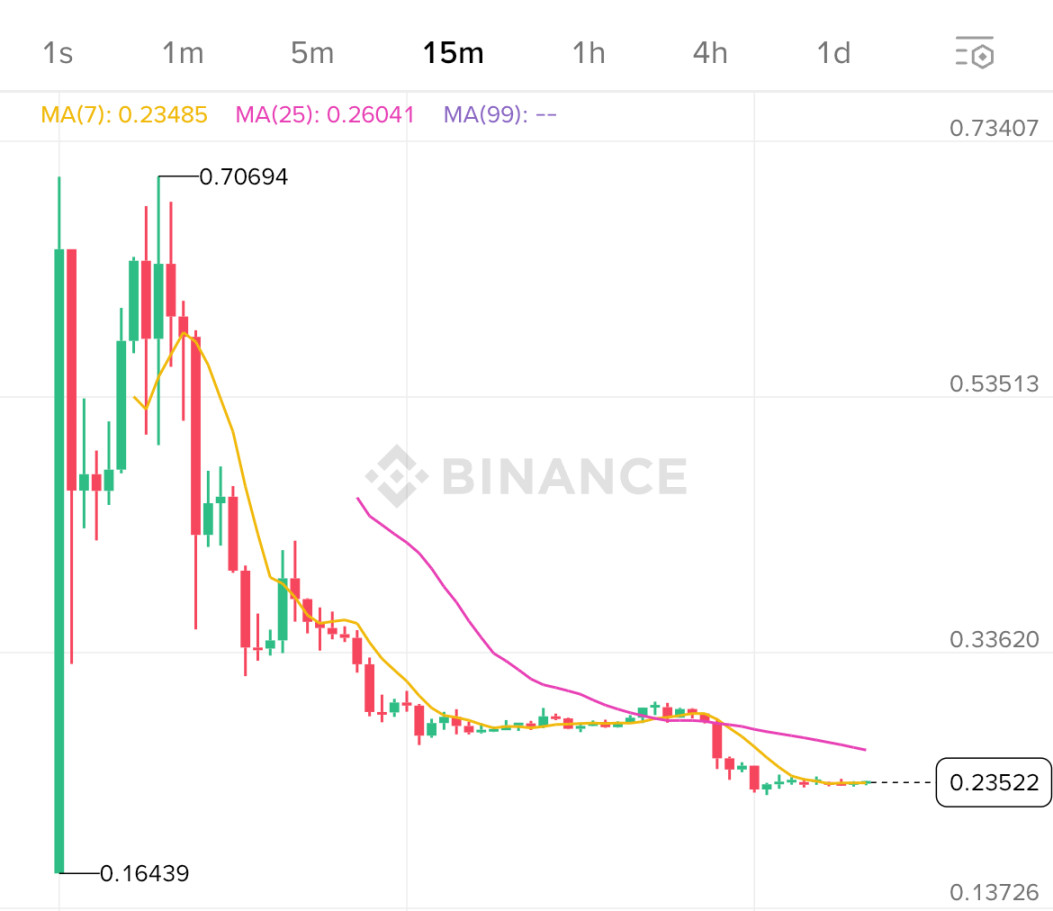
Price Trend After FF Launches on Binance Alpha
On the evening of September 29, Falcon Finance token FF officially launched, landing on major exchanges such as Binance, OKX, Upbit, Bitget, and Bybit. As a project incubated by market maker DWF, the price trend of FF after its launch showed a "high open and low close" pattern. Why is this?
High Opening Price
Based on FF's opening price of $0.6 on Binance Alpha, its FDV (Fully Diluted Valuation) is $6 billion. From the project's fundamentals, Falcon Finance's synthetic dollar stablecoin USDf has a supply of $1.9 billion, while the leading project in the sector, Ethena, has a stablecoin supply exceeding $16 billion, and the FDV of ENA tokens is $8.4 billion.
In comparison, FF appears overvalued. For reference, the pre-market pricing for FF was around $0.27.
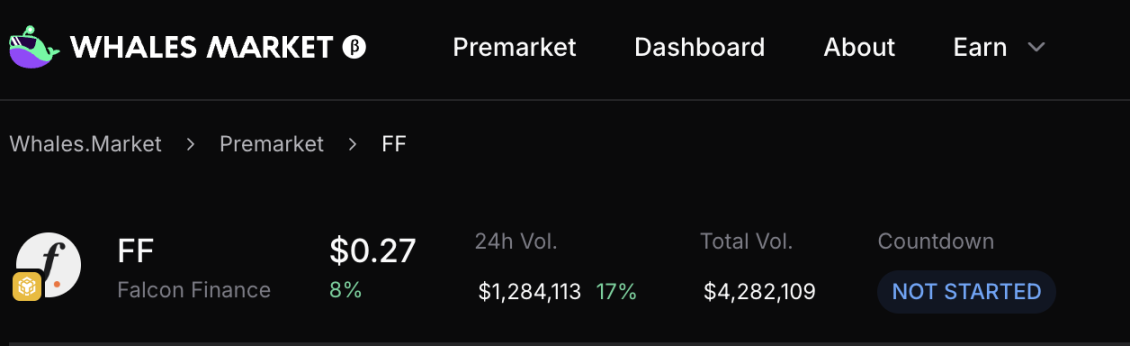
Why did FF open at such a high price?
Where Does the Selling Pressure Come From?
The high opening and subsequent decline in token price indicate selling pressure. With such a high opening price, Falcon Finance claims that 7% of the token supply is allocated for airdrop rewards. Is it the eager airdrop claimants selling their tokens that caused the price to drop?
In fact, before the airdrop claims opened, Falcon Finance did not allow users to check the number of tokens. When claims finally opened about an hour late, participants found that the number of tokens they could claim was less than 1/4 of what would be expected based on the 7% airdrop ratio. There was no explanation from the official side.
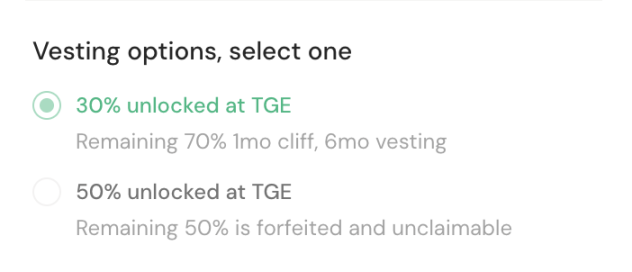
Additionally, all participants are required to lock their tokens. If they choose to claim 50% of the tokens, the other 50% will be forfeited. If they choose to claim 30% of the tokens, the remaining 70% must be locked for 1 month and will be released linearly over 6 months. Furthermore, participants with points below 5 million (approximately $100 worth of tokens) are not eligible to claim.
These circumstances mean that participants in the Falcon points program can only sell about 1/10 of the expected airdrop. According to on-chain data, the actual number of airdrop tokens claimed is less than 40 million, about 0.4% of the total token supply.
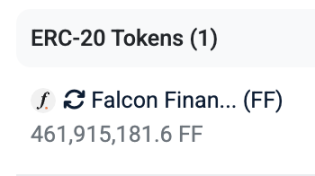
The contract address with an initial balance of 500 million tokens has 461.9 million tokens remaining
The official initial circulating supply of the tokens is stated to be 23.4%. The public sale on Buidlpad and the Binance airdrop together account for less than 5% of the total token supply, raising questions about the source of the selling pressure.
Reflection on Transparency
Due to Falcon Finance's claim that 7% of the first season's airdrop was actually less than 2%, the transparency issue has caused users to lose trust in its second season airdrop. The leverage-based points acquisition for Pendle YT dropped from 15% to 12% in a short time (indicating a significant decrease in expected valuation of the points), leading many users who had positioned themselves for Falcon Finance's second season to be trapped.
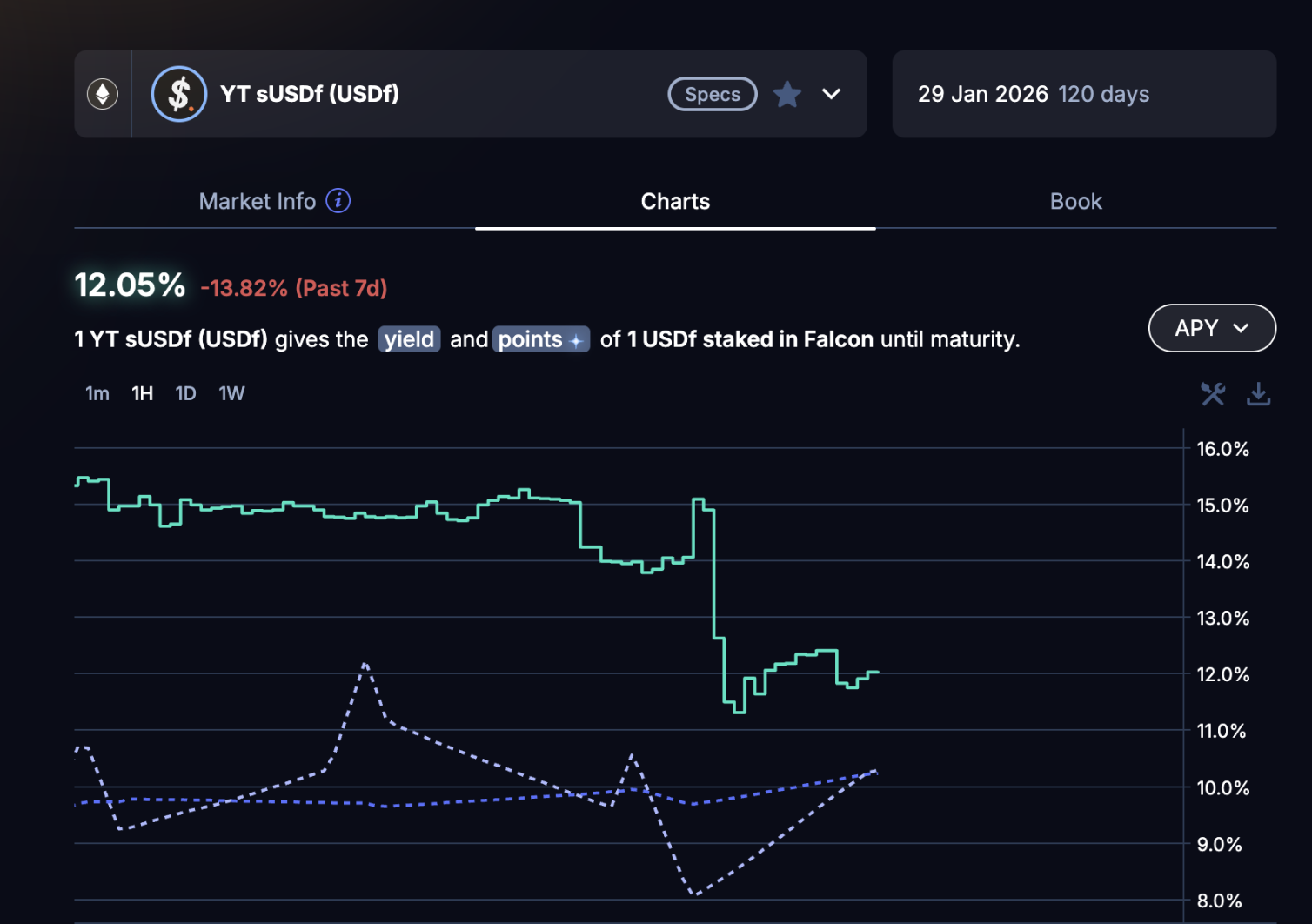
Whether retail or institutional investors, participants in stablecoin projects typically seek transparency in rules and predictability in returns. If Falcon Finance does not respond to this, it may lose a considerable number of users and face an even harder-to-repair trust gap.
Comparison with ENA
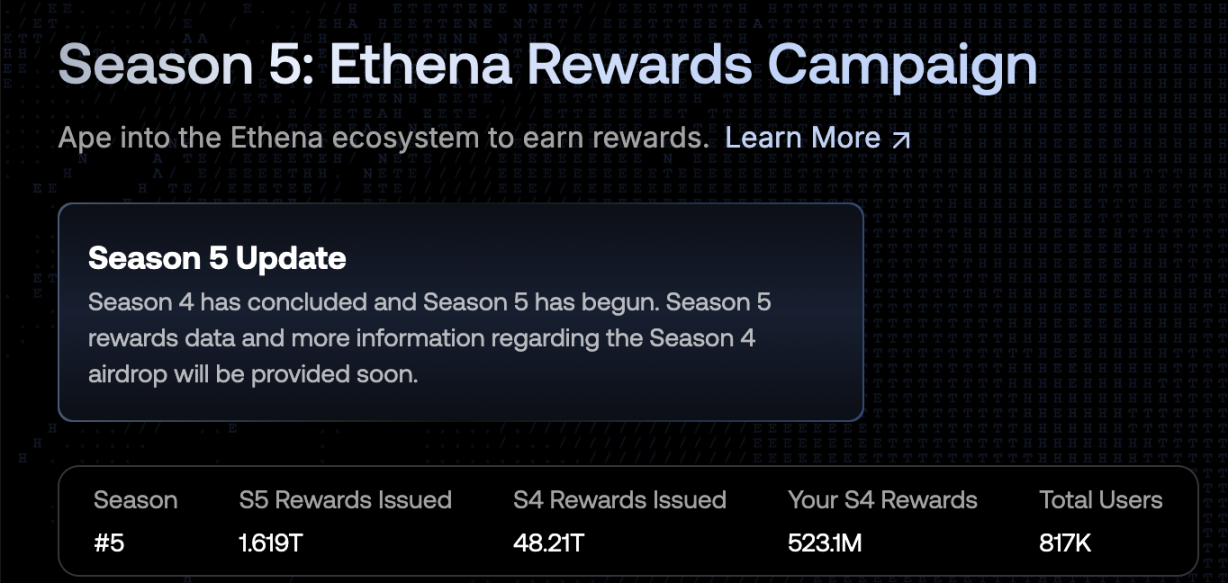
As a control group, Ethena's points program is much more transparent.
Ethena airdropped 5% of the total token supply in the first season and is set to airdrop 3.5% in the fourth season, while Falcon's first season was less than 2%. Ethena requires the top 2000 point holders to lock half of their tokens, while retail investors have all tokens unlocked. In contrast, Falcon mandates all participants to lock their tokens.
Ethena publishes the daily increase in points and the total points. Due to the transparency of rules and data, the airdrop returns can be calculated clearly before the tokens are issued. Falcon's points system is a black box, which, despite attracting many DeFi players for calculations, ultimately did not adhere to the rules set by the project team.
From the perspective of ease and fairness, for large investors in stablecoin wealth management, Ethena is still the recommended choice.
Disclaimer: The author of this article participated in the FF token claims and is also involved in the Ethena ecosystem; some content is based on personal experiences. ```
 Risk warning Risk warning