In-depth review of the Kelp DAO series of heists: The serious mismatch between risks and returns in DeFi, where is the breakthrough path for crypto asset management?
 $292 million not only bought a painful lesson but also burst the bubble of the false prosperity in the re-staking sector. As institutional large funds accelerate their entry, DeFi must bid farewell to the "workshop-style" fund management model.
The Damocles sword of the DeFi dark forest has fallen again within just a few weeks after the Drift $285 million hacker incident at the beginning of the month.
Recently, Kelp DAO, a leading project in the liquidity re-staking (LRT) space, suffered a catastrophic hacker attack, with assets amounting to $292 million being completely looted. This storm not only drained Kelp DAO's treasury but also quickly transmitted through the composability of DeFi (DeFi Lego) to the lending giant Aave, causing it to bear over $200 million in shocking bad debts.
As the smoke cleared, the parties involved fell into a blame game reminiscent of Rashomon. As a team that has long been deeply involved in institutional-level digital asset compliance custody, Cactus Custody believes that peeling back the technical fog of "RPC poisoning," this series of heists poses an extremely serious soul-searching question to the entire industry: Is the current extremely low yield of DeFi severely mismatched with its extremely high risk? In the wave of institutional asset management looking to the future, has complete "decentralization" become a fig leaf for security vulnerabilities?
I. Heist Restoration: Underlying Poisoning, Single-Signature Vulnerability, and Hacker Revelry
Based on official information and reviews from security experts, this attack was a meticulously planned "dimensionality reduction strike."
1. Attack Method: RPC Node Poisoning
According to LayerZero's official statement and analyses from experts like SlowMist, the entry point of this attack was not a code vulnerability in the smart contract itself, but rather the underlying RPC nodes being hijacked or poisoned by hackers. This led LayerZero to receive and process forged malicious data during cross-chain information transmission.
2. Fatal Defense Hole: 1/1 Single-Signature Mechanism
However, mere node pollution was not enough to instantly siphon off nearly $300 million. As crypto KOL Richard Heart pointedly noted, the core link involved had a 1/1 (single-signature) permission setting. This meant that the treasury, controlling hundreds of millions in liquidity, was secured only by a regular padlock. Without a time lock or multi-signature checks, once the underlying data was contaminated, the hacker gained an "invincible pass," completing an epic transfer of funds through a single point of breach.
3. Fund Tracking: Lazarus Group's Money Laundering Network
Renowned on-chain data firm Chainalysis and Wu Says Blockchain's tracking analysis further confirmed the identity of the attackers: the suspected North Korean state-sponsored hacking group Lazarus Group. Chainalysis data shows that the stolen funds were systematically aggregated in a very short time and quickly transferred to the Ethereum mainnet through typical North Korean hacker money laundering paths such as cross-chain bridges and mixers. The entry of such a state-level APT organization rendered the already fragile DeFi defenses as fragile as paper.
II. Collateral Damage and Rashomon: Systemic Fragility of DeFi Lego
After the incident, a farce about "who will take responsibility" immediately unfolded.
Kelp DAO and LayerZero's mutual accusations: Kelp DAO pointed fingers at LayerZero, claiming that the disaster was caused by vulnerabilities in its cross-chain infrastructure; while LayerZero insisted that the cross-chain protocol was intact, blaming the project for its blind trust in RPC node data.
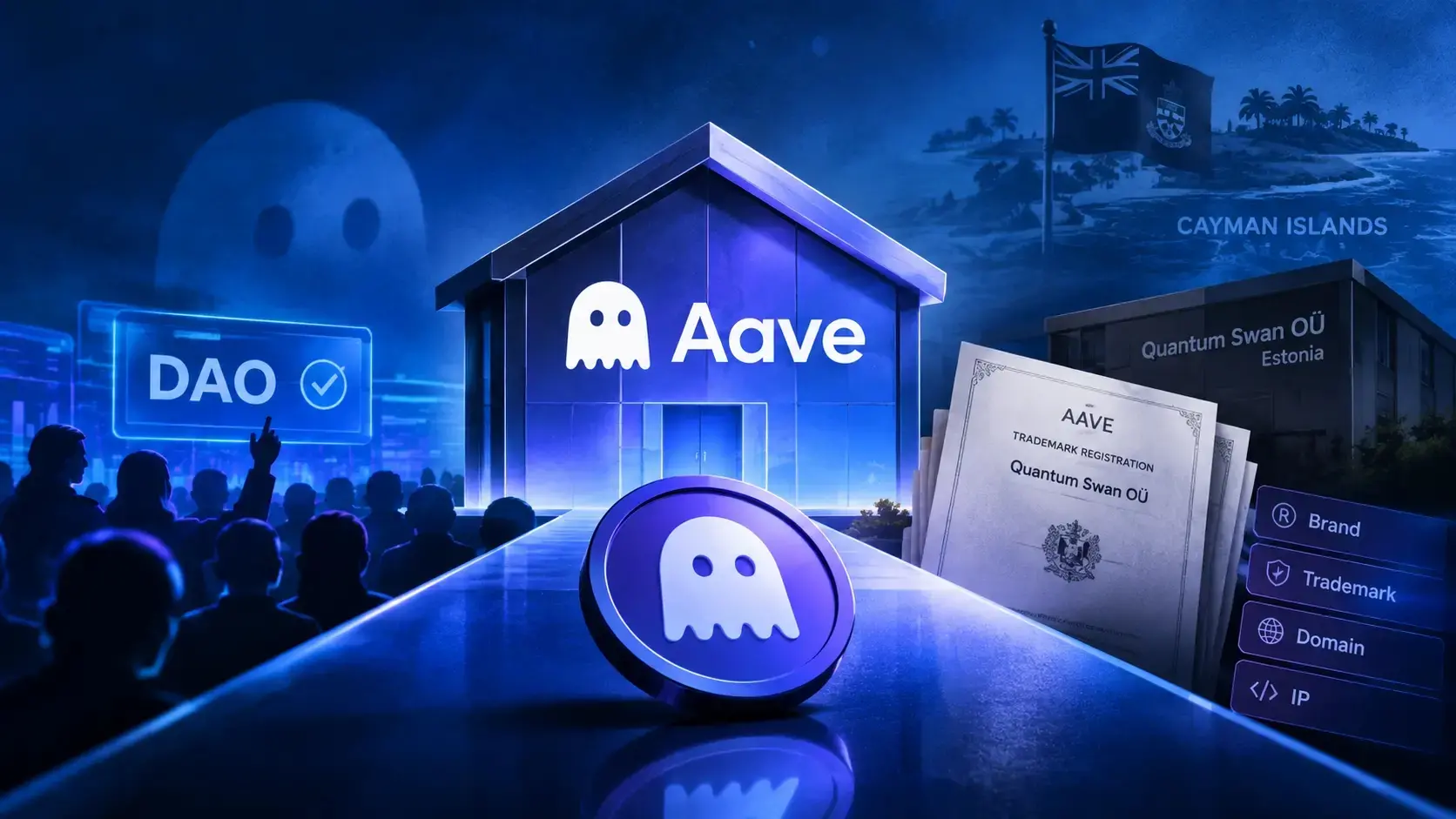
Innocently injured Aave: The most dramatic and thought-provoking situation was that of Aave. Since Kelp DAO's assets (such as rsETH) were widely used as collateral in Aave, the theft of Kelp DAO's assets instantly caused the value of these collaterals to drop to zero. As several industry observers noted, "This is really not Aave's fault." Aave's defenses were "taken down" from the outside by ecological partners, and although Aave will use the Umbrella protection fund to cover losses, this has thoroughly exposed the "collateral" crisis of DeFi Lego.
This also corroborates the warning from Chainlink community member Zach Rynes: The restaking track is adding too much leverage to Ethereum, and once the underlying collapses, the systemic destructive power will be immeasurable.
III. Soul-Searching Question: Are DeFi's Yields and Risks Severely Mismatched?
In this storm, OneKey's Yishi raised a crucial point: the market will soon reprice risk.
For a long time, retail and institutional investors have chased single-digit APYs (annual percentage yields) or elusive "points" in DeFi, while silently bearing the 100% risk of principal loss. This severe mismatch between risk and return has been obscured in the frenzy of a bull market but has become glaringly evident under the hacker's knife.
The deeper reason lies in the fact that DeFi protocols generally adopt a "low-fee" model to compete for TVL (total value locked). The meager protocol income is simply insufficient to support the high security investments needed to fend off state-level hackers. Project teams manage hundreds of millions in assets with a "makeshift" minimalist structure, which is essentially an unsustainable model of "privatizing profits while socializing risks."
IV. The Future of Institutional Asset Management: Compliance Custody is Imperative
When smart contracts and decentralized governance cannot protect our principal, the industry must confront a harsh reality: for the massive institutional funds of the future, do we need to re-embrace independent, professional centralized compliance custody?
In the context of Web3, proposing "centralized custody" seems politically incorrect. However, the tragedies of Drift Protocol and Kelp DAO tell us that conflating business logic (smart contracts) with fund custody (private key control) is extremely dangerous.
For DeFi project teams, public chain foundations, and institutional investors managing vast amounts of funds, introducing compliance custody (Qualified Custody) is not a regression in history, but rather an inevitable step towards the maturity of financial infrastructure:
Breaking the single point of failure and achieving separation of powers and responsibilities:
Protocol developers should focus on innovating business logic while entrusting the custody of the treasury and core assets to independent compliance custody institutions. Compliance custody institutions possess comprehensive enterprise-level risk control frameworks and approval processes, completely eliminating the absurd "naked running" behavior of 1/1 single-signature.Intent-based risk control independent of on-chain logic:
Hackers can deceive RPC nodes and exploit code vulnerabilities, but they cannot bypass the independent risk control engine of compliance custody institutions. When the system detects an abnormal transfer instruction involving $292 million, the risk control strategy of the compliance custodian will strongly intercept based on transaction intent, forcibly introducing customer confirmation, compliance review, and multi-channel verification, guarding the funds at the last line of defense.Bankruptcy isolation and trust-level protection:
As a licensed compliance custody institution, Cactus Custody is subject to strict regulatory constraints, achieving physical and legal separation (bankruptcy isolation) between client assets and company operating assets. This financial-level trust protection is a foundation of trust that no decentralized code can provide.
Conclusion
Kelp DAO's $292 million not only bought a painful lesson but also burst the bubble of the false prosperity of the restaking track. As institutional capital accelerates its entry, DeFi must bid farewell to the "workshop-style" fund management model.
Safety and risk control require real money and professional systems to support them. In the future, DeFi protocols that cannot access compliance custody and cannot provide institutional-level asset protection will inevitably be abandoned by mainstream capital. Choosing compliance custody solutions is not only a responsibility for assets but also the cornerstone for protocols to survive in the dark forest in the long term.
 Risk warning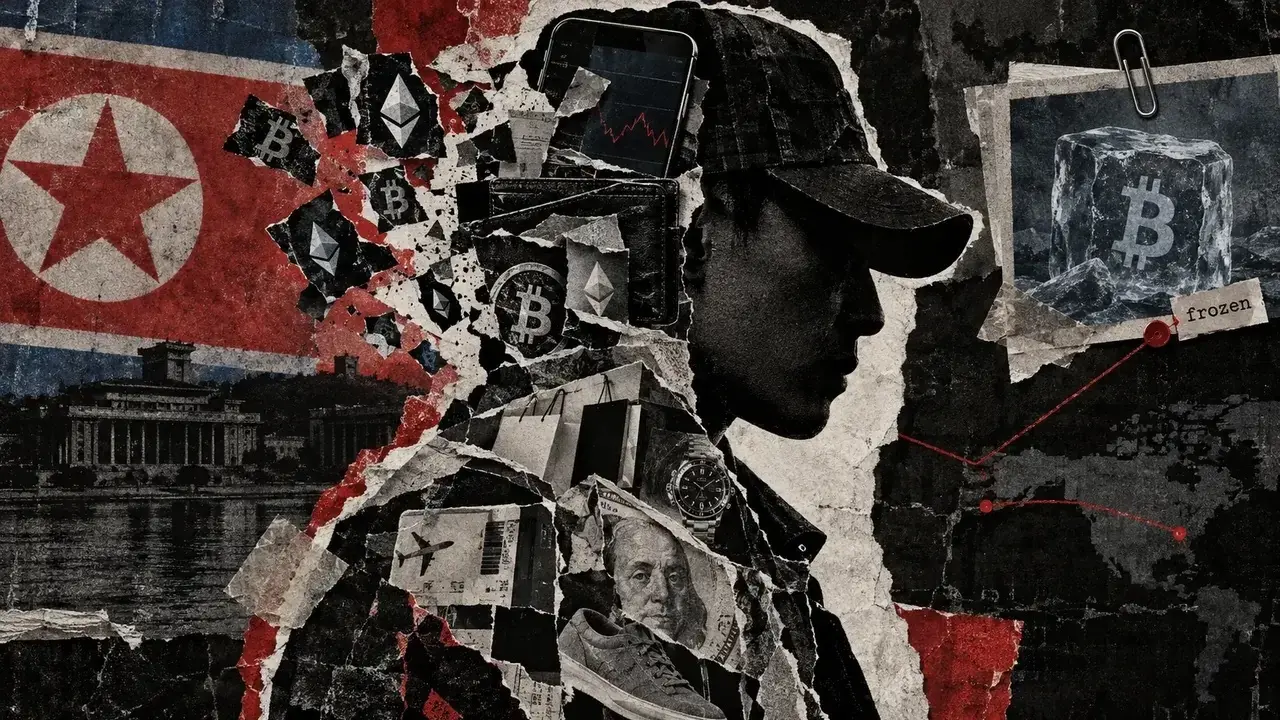

Popular articles