








Daily Observation of Cryptocurrency Concept Stocks: After the passage of the CLARITY Act 15—9, the institutional path for Ripple and the XRP ecosystem is officially opened

 Released on May 18, 2026. The CLARITY Act passed the Senate Banking Committee, and its implications for Ripple (privately held) and the XRP space may exceed its impact on Bitcoin—because Bitcoin's commodity status has been widely recognized administratively, while XRP's commodity classification was only established through a joint administrative interpretation by the SEC and CFTC in March 2026, which remains subject to administrative interpretation and could be overturned by the next administration. Once the CLARITY Act passes the full Senate, it will enshrine XRP's status as a digital commodity into federal statutory law, fundamentally unlocking institutional funds, ETF products, and bank custody services that had been stalled due to legal uncertainties. Standard Chartered predicts that once passed, the XRP ETF will see a net inflow of $4-8 billion, a figure that will reshape Ripple's corporate valuation logic and the institutionalization process of the entire XRP ecosystem.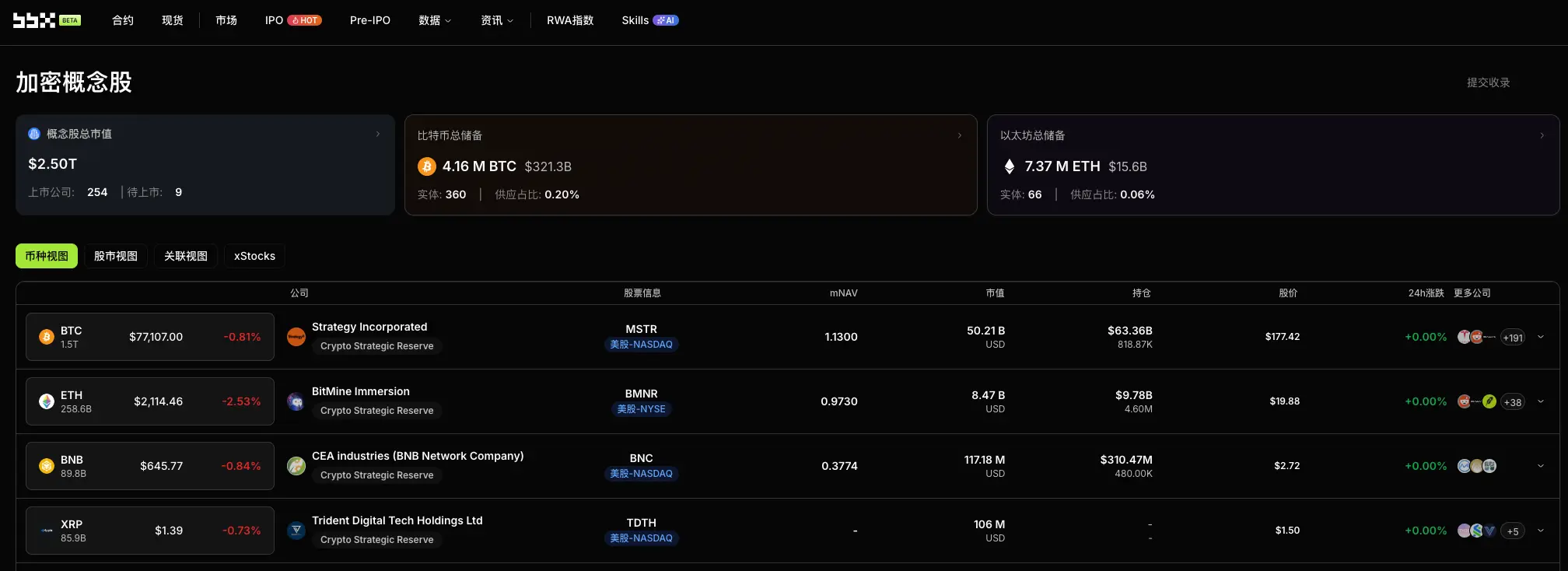
1. Legal Qualification of XRP: From Regulatory Evasion to Statutory Protection
In March 2026, the SEC and CFTC jointly classified XRP as a digital commodity—this is an administrative interpretation, which is a revocable regulatory stance that can be overturned by the next government through a memorandum without any legislative process. The CLARITY Act enshrines this classification into federal statutory law, preventing any future government from unilaterally reclassifying XRP as a security through administrative means. The commercial implications of this difference are profound: banks, custodians, and ETF issuers require legislative-level certainty rather than administrative interpretation-level certainty when making long-term compliance infrastructure investments—these two are at completely different levels in the risk rating system of institutional legal departments. Historically, it was the SEC's enforcement lawsuit against Ripple in 2020 that caused many banks and payment institutions to withdraw from XRP partnerships, a barrier that will fundamentally be eliminated after the bill is passed.
2. Standard Chartered's $4-8 Billion XRP ETF Prediction: Logic and Premises
After the CLARITY Act passed the committee, Standard Chartered released a research report predicting that once the bill passes the full Senate, the XRP ETF will see net inflows of $4-8 billion; 24/7 Wall St. analysts set the short-term XRP price range at $1.65-$2.00 after the committee's approval, with a long-term target range of $3-$5 if the full Senate passes and ETF products are launched. The premise of this prediction is that the SEC approves the XRP spot ETF application after the CLARITY Act is passed (there are currently several applications pending review, including Bitwise, CanaFunds, and 21Shares), and at least seven Democratic senators vote in favor, crossing the 60-vote threshold. It is noteworthy that there is a significant divergence in the assessment of the probability of full Senate passage between Standard Chartered (more optimistic) and TD Cowen (around 30%), and readers should critically evaluate the interests and assumptions behind institutional predictions.
3. Ripple's Corporate Valuation Reconstruction: From Litigation Discount to Institutional Payment Infrastructure Premium
Ripple (privately held, valued at approximately $15 billion-$20 billion, based on secondary market private placement estimates) has a business model centered on the RippleNet cross-border payment network—currently covering over 300 financial institutions in more than 70 countries. However, due to the uncertainty of XRP's legal status, many partners remain cautious when using XRP as a settlement intermediary. The passage of the CLARITY Act will directly improve Ripple's business prospects on three levels: first, banks and custodians can hold and transfer XRP in compliance, unlocking the usage threshold of RippleNet for enterprise clients; second, the legal certainty of cross-border payment corridors will attract more licensed payment institutions into the XRP liquidity network; third, Ripple CEO Brad Garlinghouse clearly stated at Consensus Miami that if the bill does not advance by the end of May, the legislative window will "significantly narrow"—and the committee vote of 15-9 is precisely the legislative momentum signal he is seeking.
4. The 60 Votes are the True Test of the Bill's Success or Failure
After the CLARITY Act passed the committee with a vote of 15-9, the next step is to merge it with the version of the Digital Commodity Intermediary Act that has passed the Senate Agriculture Committee. The merged version must then obtain 60 votes in the full Senate—given that the Republicans hold 53 seats, at least seven Democratic senators must cross the line in support. The committee votes from Gallego and Alsobrooks are meaningful signals, but both have stated they do not represent the position of the full Senate; the core demands of the remaining Democratic senators still focus on: first, strengthening anti-money laundering provisions; second, including ethical restrictions on cryptocurrency interests for government officials; third, resolving the coordination of stablecoin provisions between the CLARITY Act and the GENIUS Act (which was signed into law in July 2025). The White House's signing target of July 4 means the full Senate must complete voting by the end of June—there is an extremely tight timeframe to coordinate both chambers and secure the 60 votes within four working weeks. For investors in cryptocurrency concept stocks, committee passage is a necessary but not sufficient condition; the true window for valuation reconstruction will only fully open when the 60-vote threshold is actually crossed.
Data source: https://bbx.com/ Cryptocurrency Concept Stock Information Database, compiled based on yesterday's announcements from global listed companies and SEC/TSE disclosure documents.
 Risk warning



Popular articles





