Daily Observation of the Crypto Industry: SharpLink CEO Criticizes EIP-8363, Ethereum's "Zero Yield" Proposal Causes Ecological Rift

 Released on August 10, 2026. The Ethereum community has recently been embroiled in a fierce debate over the EIP-8363 proposal. This proposal aims to increase the validator reward burn rate to 100% when the overall staking rate reaches 50%, effectively reducing Ethereum's new issuance revenue to zero. In response, SharpLink CEO Joseph Chalom publicly expressed strong opposition, warning that this mechanism would not only harm independent stakers but also directly eliminate ETH's core advantage as a "yield-generating asset" compared to Bitcoin.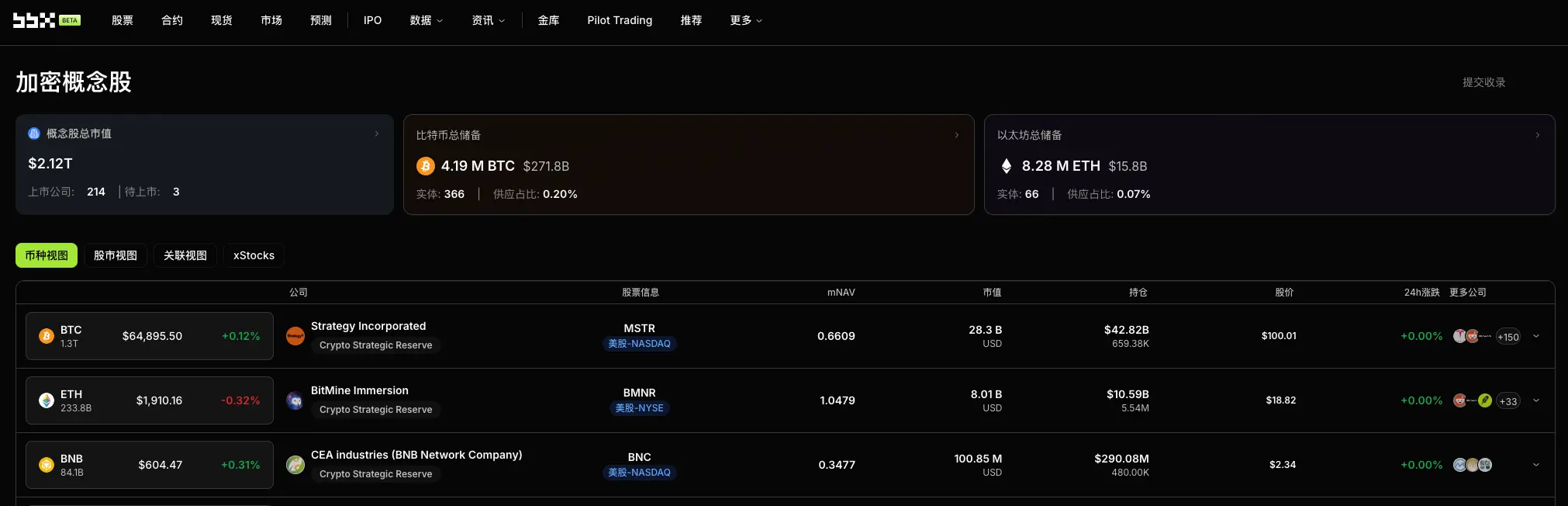
"Shock Therapy": EIP-8363 Proposes Dynamic Reward Burn
Earlier this week, EIP-8363 (also known as "Tapered Issuance Burn"), jointly proposed by Ethereum Foundation researcher Justin Drake, EthCC founder Jérôme de Tychey, and other core developers, officially entered the public eye.
The core mechanism of this proposal is highly disruptive: the system will dynamically and gradually increase the proportion of rewards directly burned for consensus layer validators as the staking ratio of ETH rises. According to the mathematical model set forth in the proposal, when approximately 50% of the ETH supply is staked, the reward burn ratio will reach 100%. This means that at that time, validators will not be able to obtain any issuance rewards. If the proposal is approved, this mechanism will gradually take effect over approximately 18 months.
Suppressing Dilution vs. Destroying Network Security
Supporters of the proposal argue that the current unchecked growth of staking is causing network redundancy, and EIP-8363 can limit the scale of ETH staking through purely market-driven means, while significantly reducing the inflation dilution faced by non-staking holders.
However, there is also a strong wave of opposition. Many critics point out that this mechanism will deliver a devastating blow to the decentralization of the underlying network. Once rewards sharply shrink, independent stakers (Solo Stakers), lacking scale effects and financial buffers, will be the first to be forced out of the network, leading to a concentration of computing power among a few capital-rich top nodes, fundamentally weakening Ethereum's security.
Institutional Perspective on the Counterattack: "Well-meaning people can also be wrong"
In addition to concerns about technical security, institutional investors have also expressed deep worries about the proposal.
SharpLink CEO Joseph Chalom pointed out in an official statement that if EIP-8363 is passed, it will result in three fatal consequences: first, it will weaken the decentralized finance (DeFi) ecosystem that heavily relies on underlying yields; second, it will limit the long-term interest of traditional Wall Street institutions in allocating Ethereum assets; third, it will directly erase one of ETH's most critical advantages over Bitcoin—the ability to earn native capital.
In his conclusion, Chalom candidly stated that although the authors of the proposal are serious cryptographic researchers and long-term builders of Ethereum, when it comes to underlying economic principles and market games, "well-meaning people can also be wrong." This debate over Ethereum's long-term monetary policy is becoming a key variable in determining the direction of Web3 capital in the second half of 2026.
Source: https://bbx.com/ Cryptocurrency Concept Stock Information Database, compiled based on global public company announcements and SEC/TSE disclosure documents from last weekend.
 Risk warning