Tron Industry Weekly Report: CPI Debuts, BTC Focuses on $65400 Resistance, Detailed Explanation of Building AgentFi's Identity and Payment Infrastructure Sealcoin

 A detailed explanation of the identity and payment infrastructure Sealcoin for building the machine economy era, as well as the blockchain operating system STRATO aimed at enterprises and RWA scenarios.
# I. Outlook
## 1. Macroeconomic Summary and Future Predictions
Global macro environment summary from August 3 to August 9, 2026: This week, global markets primarily focused on monetary policy expectations, inflation trends, and economic growth resilience. In the United States, the market continued to pay attention to the Federal Reserve's subsequent policy path, with the duration of high interest rates and the future pace of rate cuts remaining core factors influencing global asset pricing; fluctuations in U.S. dollar liquidity and Treasury yields continued to affect global risk appetite. The European economic recovery still faces growth pressures, with policy attention on fiscal stimulus and monetary policy coordination; the Asian market focused on regional economic recovery, exchange rate stability, and changes in external demand. Overall, global funds remain in a phase of waiting for further clarity on macro policies, with market volatility remaining at a high level.
Outlook for the coming week (August 10 to August 16, 2026): The market will focus on U.S. economic data, major central bank policy signals, and changes in global liquidity. If inflation continues to decline and strengthens easing expectations, global risk assets may receive support; if economic data exceeds expectations, leading to an extended period of high interest rates, the market may face temporary pressure. At the same time, the global policy environment will continue to revolve around rate cut expectations, fiscal policy adjustments, changes in financial regulation, and investment directions in emerging technology industries, with capital allocation increasingly focusing on areas with long-term growth potential and policy certainty.
## 2. Cryptocurrency Industry Market Changes and Warnings
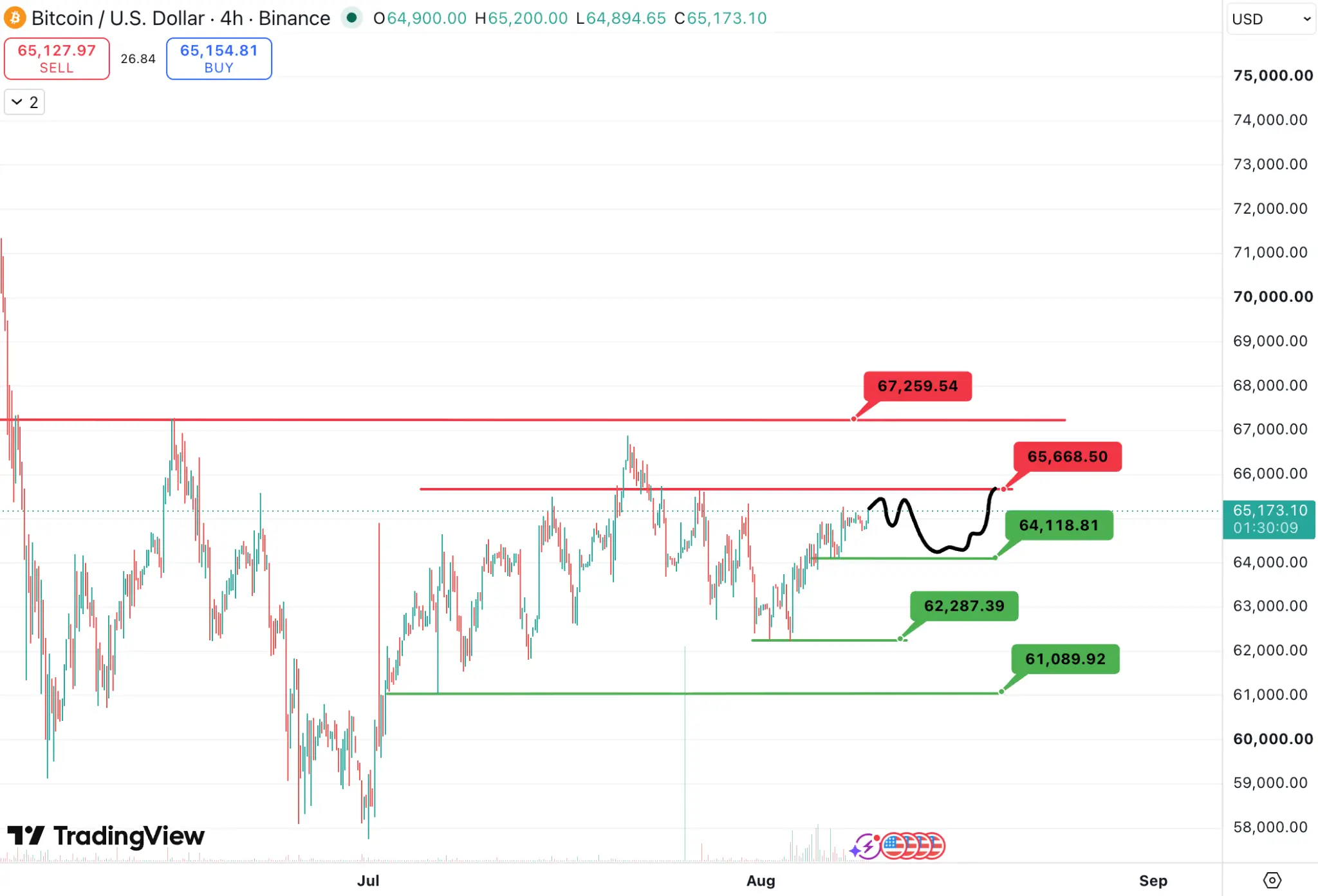
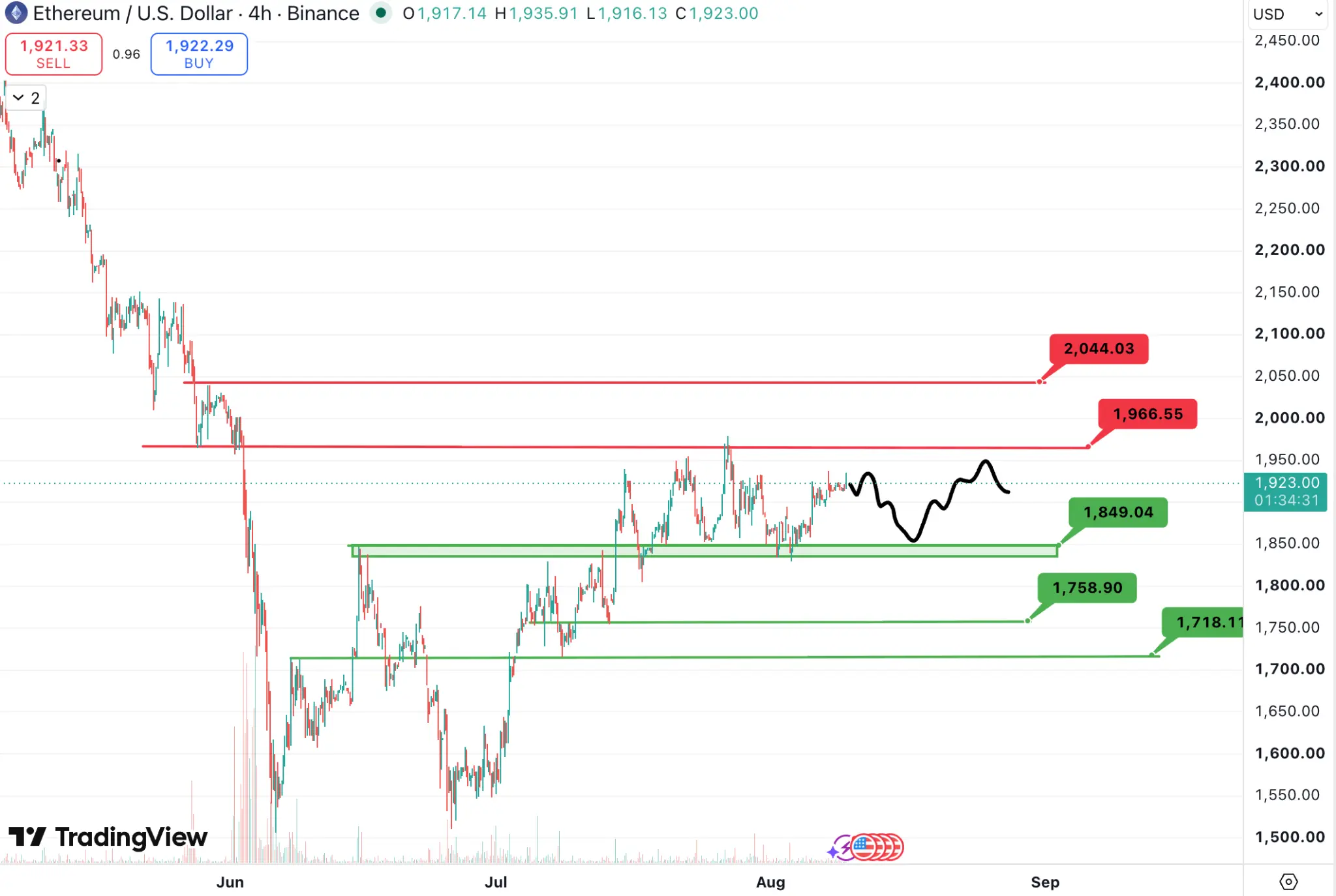
From August 3 to August 9, 2026, the cryptocurrency market overall exhibited a volatile recovery trend. BTC rebounded from around $62,500 to the $64,900 to $65,100 range this week, with a weekly increase of about 3%, mainly driven by weaker-than-expected U.S. employment data, rising market expectations for subsequent rate cuts by the Federal Reserve, and improved sentiment towards risk assets, but resistance around $65,000 to $66,000 remains significant. ETH performed better than BTC, maintaining a price around $1,900, with market funds continuing to focus on the Ethereum ecosystem, ETF fund flows, and institutional allocation trends. Mainstream high market cap assets like SOL and BNB followed the rebound, but overall funds still leaned towards core assets like BTC and ETH, with limited liquidity recovery in the altcoin market. In terms of market sentiment, risk appetite increased this week, but institutional funds and trading volume have not shown significant acceleration, with BTC still in a key technical pressure zone.
In the coming week (August 10 to August 16), the market is expected to continue the game around macro liquidity and BTC technical breakthroughs. If BTC can effectively break through the $65,000 to $66,000 range, the market may further test $68,000 to $70,000; if the breakout fails, attention should be paid to the $62,000 to $63,000 support area. If ETH continues to maintain strength, it may become an important direction for capital rotation, with a focus on the breakthrough of the $2,000 integer level. Overall, the short-term market leans towards a neutral to bullish stance, with core drivers still coming from Federal Reserve policy expectations, institutional fund inflows, and changes in stablecoin liquidity; however, before BTC confirms a breakout, the altcoin market may still maintain differentiation, with funds more inclined towards AI, RWA, DeFi infrastructure, and other tracks with clear narratives and real applications.
## 3. Industry and Track Hotspots
The AI+Crypto direction has entered a competitive stage for infrastructure, focusing on the on-chain execution, secure authorization, and payment capabilities of AI Tokens and AI Agents. Projects like Newton Protocol and AXON are laying out strategies around AI Agent trading permissions, PayFi payments, and verifiable execution; the DeFi sector continues to develop towards institutional yield management, with Gauntlet, Morpho, Kamino, and others launching more mature strategy products around risk management, yield optimization, and on-chain asset allocation.
# II. Market Hotspot Tracks and Potential Projects of the Week
## 1. Overview of Potential Projects
1.1. Analysis of Total Financing of $4 Million, Led by Wisekey and Hashgraph — Building Identity and Payment Infrastructure for the Machine Economy Era: Sealcoin
Introduction
SEALCOIN is an infrastructure protocol aimed at the Machine Economy, designed to enable IoT devices, robots, satellites, AI Agents, edge computing nodes, and other machine entities to:
Discover Services
Establish Identity
Negotiate Prices
Automatically Settle
Ultimately achieving a true Machine-to-Machine (M2M) economic network. Its core vision is to upgrade machines from "connected devices" to "autonomous economic entities."
Brief Overview of the Protocol Mechanism
SEALCOIN is not merely a DePIN project; its core goal is to build an economic network that supports machines in autonomously discovering services, negotiating prices, and completing value exchanges. The entire protocol adopts a three-layer architecture, consisting of the Platform layer, Agent layer, and Messaging Protocol layer, which together support commercial activities between machines.
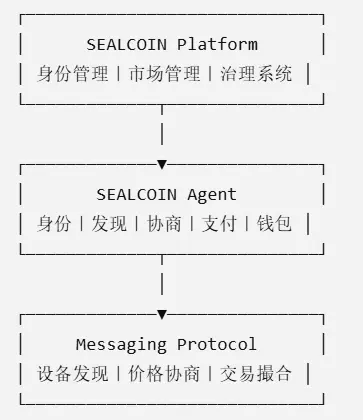
Unlike traditional IoT platforms that rely on centralized cloud platforms, SEALCOIN aims to make each device an entity capable of autonomously participating in economic activities.
Agent: The "Digital Persona" in the Machine Economy
Within the entire architecture, the Agent is the most critical component. It can be understood as the economic agent of each device on the chain.
Whether it is a satellite, car, sensor, or AI Agent, as long as the SEALCOIN Agent is deployed, it possesses all the capabilities required to participate in the machine economy.
Core Responsibilities of the Agent
|------|-----------| | Function Module | Role | | Identity Management | Manage device certificates and private keys | | Service Discovery | Find tradable resources | | Automatic Negotiation | Automatically negotiate prices with other devices | | Transaction Signing | Verify the authenticity of transactions | | Wallet Management | Complete payments and settlements |
Messaging Protocol: Off-chain Negotiation, On-chain Settlement
SEALCOIN does not place all interactions on the blockchain. The reason is simple:
Assuming there are 1 million devices in the future, initiating 10 inquiries per second, the network would need to handle 10 million requests. No existing public chain can bear such a scale.
Therefore, the protocol adopts:
Off-chain Negotiation
Responsible for:
Service Discovery
Resource Matching
Price Negotiation
On-chain Settlement
Responsible for:
Transaction Confirmation
Fund Settlement
Transaction Records
This design balances transaction efficiency, low costs, and credible on-chain settlement. It essentially belongs to a hybrid architecture of "off-chain business negotiation + on-chain value settlement."
Hardware Root of Trust: Building Trust from Hardware
Traditional devices typically store private keys in software environments.
Risks include:
Being copied
Being stolen
Being forged
SEALCOIN requires private keys to be stored directly within secure hardware.
Supports:
|----------------|---------| | Security Module | Description | | Secure Element | Security chip | | Secure MCU | Secure microcontroller | | TEE | Trusted Execution Environment | | ARM TrustZone | ARM security architecture |
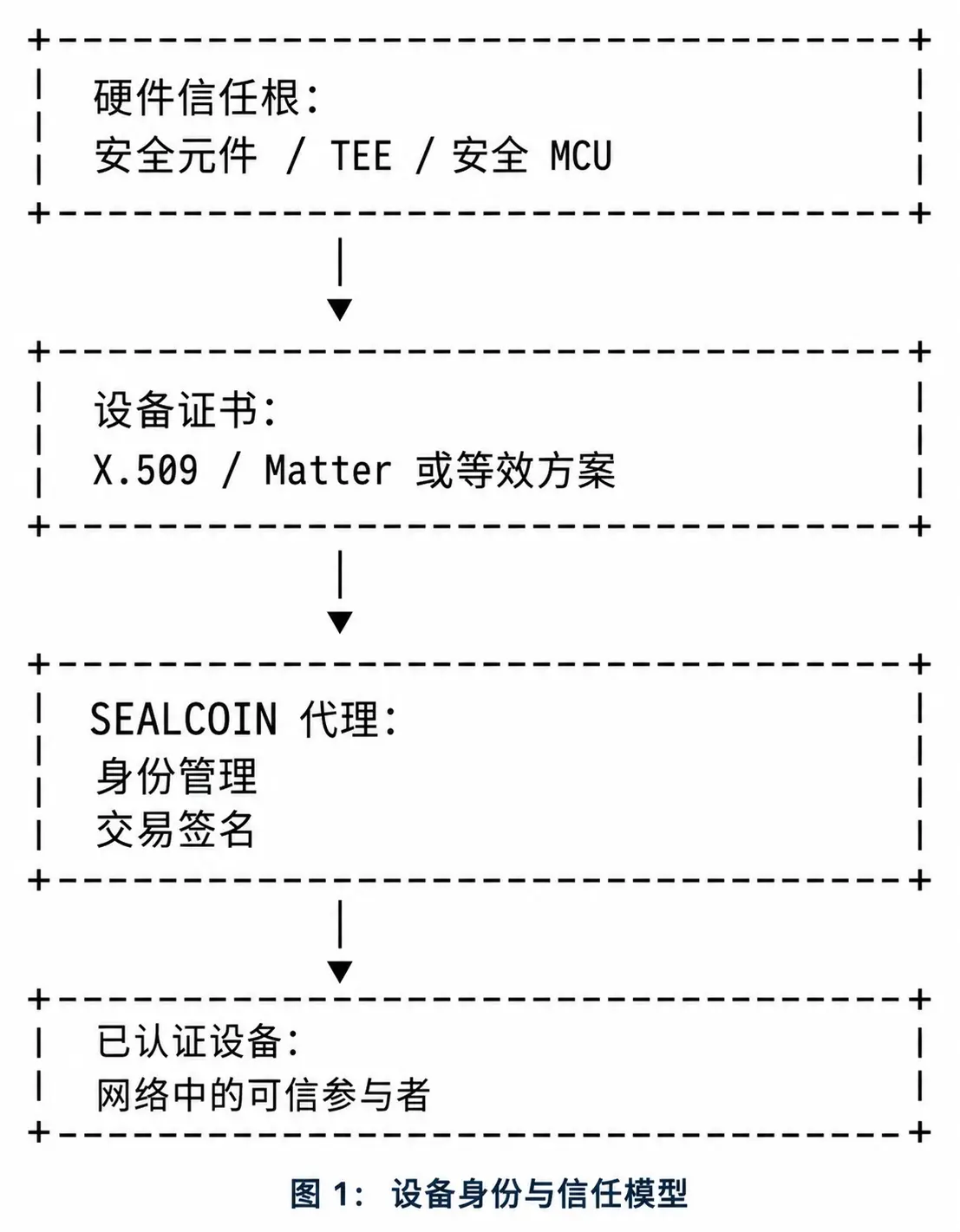
This model is similar to:
Bank card chips
Passport chips
Ledger hardware wallets
Thus, device identities are nearly impossible to replicate.
PKI System: Issuing "Digital Passports" to Each Machine
SEALCOIN adopts a PKI system that has been validated for decades in the traditional internet.
Each device will receive:

When a device initiates a transaction:
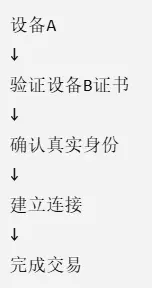
Essentially similar to how browsers validate HTTPS websites. The difference is that here, the validation is for devices rather than websites.
Post-Quantum Security Layout
Compared to most Web3 projects, SEALCOIN has proactively considered quantum computing risks.
The project plans to gradually support:
CRYSTALS-Kyber
Dilithium
and other post-quantum cryptographic solutions. This means its identity system not only serves the next 5 years but also aims to adapt to the machine network of the next 10-20 years.
Commercial Scenarios: Building Four Major Machine Markets
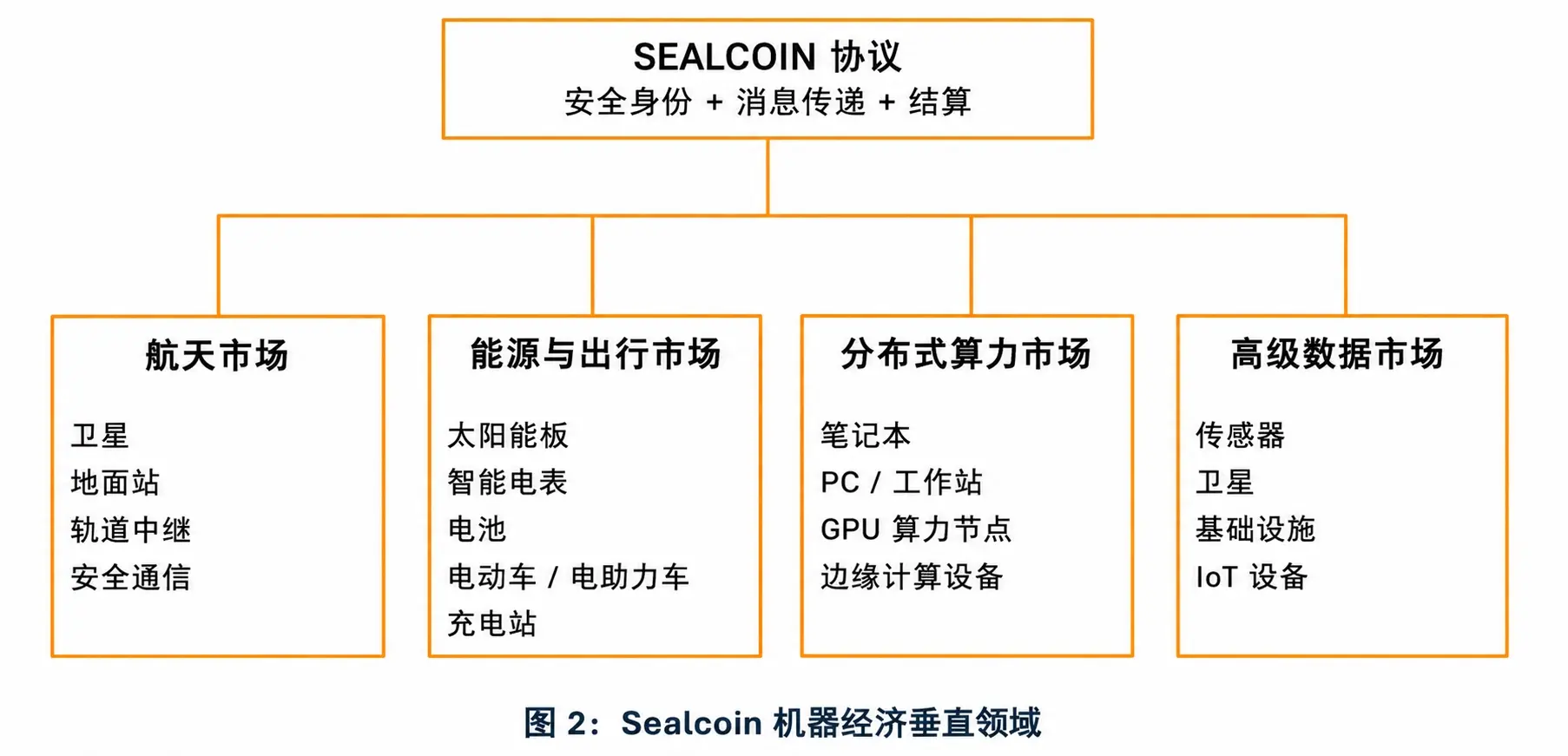
The ultimate goal of SEALCOIN is not payment, but to establish a resource trading market between machines.
Therefore, the protocol builds a Marketplace around four types of commercially valuable resources.
- Space Marketplace: Satellite Economic Network
This is currently the most mature landing scenario.
Participants include:
|------|--------| | Role | Tradable Resources | | Satellites | Communication capabilities | | Ground Stations | Data reception services | | Relay Nodes | Transmission capabilities |
Transaction Process:
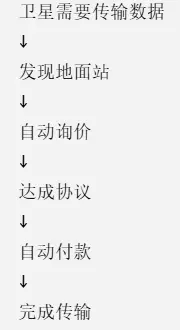
Traditional processes that require manual signing have been compressed into automated transactions.
- Energy Marketplace: Energy Trading Market
This is one of the most imaginative scenarios in the Machine Economy.
Participants include:
Electric Vehicles (EV)
Charging Stations
Home Energy Storage
Photovoltaic Systems
Smart Meters
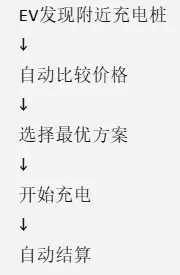
Typical Scenario:
- Distributed Compute Marketplace: Computing Power Market
SEALCOIN aims to activate globally idle devices.
Resource Sources:
PCs
Laptops
GPU Servers
Edge Devices
Similar to Render + Akash + Golem, but with added capabilities for identity verification, resource verifiability, and automatic settlement.
- Premium Data Marketplace: Data Market
In the AI era, the most scarce resource is not Tokens, but real data.
SEALCOIN focuses on solving the authenticity of data.
The process is as follows:
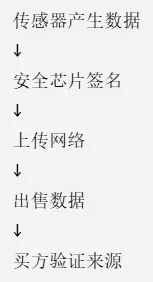
Thus, what it sells is not ordinary data, but Verified Data, which is the capability most needed in AI training and industrial data markets.
Device Access and Identity Management
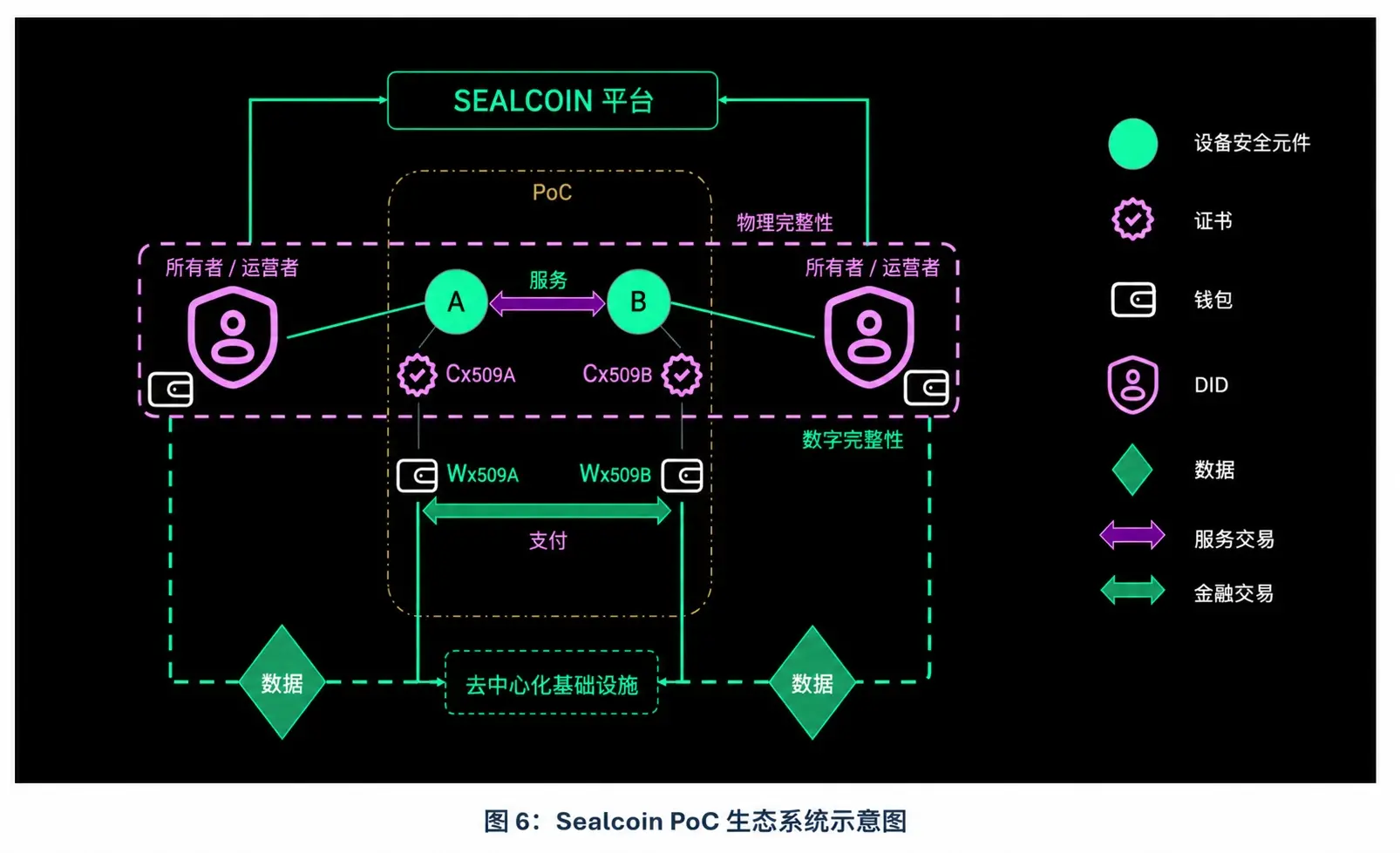
The SEALCOIN Platform is the unified entry point for the entire machine economy network, responsible for device registration, identity management, certificate management, PoSy binding, and Marketplace access. Enterprises can uniformly connect satellites, EVs, sensors, GPU nodes, AI Agents, and other devices to the platform, assign digital identities, manage certificates and permissions, and ultimately connect to energy, satellite communication, computing power, and data markets, achieving assetization and commercial operation of devices.
Machine Payments and Fund Flow
SEALCOIN adopts a fund management model of "platform wallet → device wallet → automatic trading." The operator first recharges QAIT to the platform, and then allocates limits to different devices based on business needs. Devices autonomously complete service discovery, price negotiation, and payment settlement through Agents, achieving true Machine-to-Machine Payment.
The core value of this mechanism lies in transforming wallets traditionally controlled by humans into wallets controlled by machines, enabling scenarios such as satellites purchasing bandwidth, EVs paying for charging, and AI Agents purchasing computing power to be completed automatically without human involvement.
Tron Comments
Sealcoin's greatest advantage lies in that it is not a traditional DePIN or payment project, but attempts to build a complete infrastructure of "Machine Identity + Machine Marketplace + Machine Payment," allowing satellites, EVs, sensors, AI Agents, and other devices to autonomously discover services, negotiate prices, and complete settlements through hardware-level trusted identities, PKI certificate systems, and Agent frameworks, while relying on physical hardware and satellite resources like WISeKey, SEALSQ, and WISeSat, providing a strong industrial landing foundation.
Its disadvantage is that the Machine Economy is still in an extremely early stage, with a long commercialization cycle, highly dependent on hardware manufacturers' access and device scale, and the difficulty of ecological expansion is much higher than that of pure software protocols; at the same time, the project chooses the Hedera ecosystem as its underlying issuance network, and the scale of developers and funds is still lacking compared to mainstream ecosystems like Ethereum and Solana. Whether it can form a large-scale machine trading network in the future still depends on the number of real device accesses and market demand validation.
## 2. Key Project Analysis of the Week
2.1. Brief Analysis of Total Financing of $1.7 Million, Invested by Individual Investors — Blockchain Operating System STRATO for Enterprises and RWA Scenarios
Introduction
STRATO is a Layer 1 application chain aimed at the institutional market, focusing on building a credit system backed by real-world assets (RWA). Its ecosystem consists of three core parts: STRATO Chain, USDST stablecoin, and hard collateral asset system.
The underlying chain adopts an EVM-compatible architecture developed based on Haskell, with over ten years of continuous development history; the native stablecoin USDST is issued through an over-collateralized debt position (CDP) mechanism and can be exchanged for USDC and USDT; collateral includes not only crypto assets like BTC, ETH, and LST but also introduces 1:1 physical gold and silver-backed GOLDST and SILVST, as well as yield-bearing stablecoins and tokenized stocks as real-world assets.
By combining traditional value-storing assets with an on-chain credit system, STRATO aims to create an institutional-grade stablecoin and credit infrastructure with lower borrowing costs, more robust collateral, and less impact from crypto market fluctuations.
Core Analysis of System Architecture
The operational logic of STRATO is built on three foundations: CDP stablecoin mechanism + RWA hard asset collateral + self-developed Layer 1 architecture. Users can mint USDST by collateralizing gold, silver, crypto assets, or other real-world assets (RWA), while the system maintains the security of the stablecoin through over-collateralization and liquidation mechanisms, relying on its self-developed chain and SolidVM to provide higher security and transparency.
USDST Minting Mechanism: Over-Collateralization Generates Stablecoins
USDST adopts a CDP (Collateralized Debt Position) model similar to MakerDAO.
After users deposit assets into the debt position, they can mint USDST according to a certain collateralization ratio.
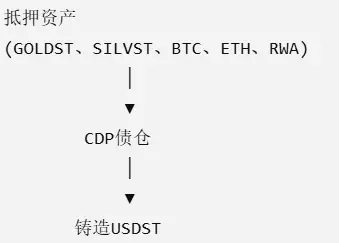
Each position corresponds to a collateralization ratio: collateral value ÷ issued USDST value.
Users must always maintain a collateralization ratio above the system's required minimum level to cope with asset price fluctuations.
When users wish to redeem collateral:
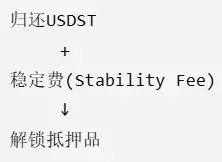
Thus, USDST is essentially an on-chain credit currency supported by assets.
Liquidation Process
When the price of collateral assets falls, causing the position to drop below the minimum collateralization ratio:
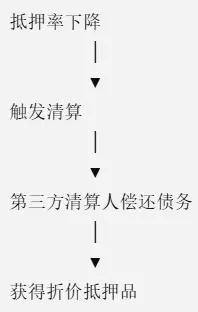
This mechanism ensures:
Risk positions exit in a timely manner
USDST is always backed by sufficient assets
The system will not be affected by bad debts impacting the stablecoin peg
Thus, the stability of USDST comes from the value of collateral always being greater than the circulating value of USDST.
Gold and Silver Collateral System: STRATO's Greatest Differentiation Advantage
Compared to most DeFi protocols that primarily accept crypto assets as collateral, STRATO introduces real-world hard assets.
Core collateral supported:
|---------------------------|---------| | Collateral | Type | | GOLDST | 1:1 Physical Gold | | SILVST | 1:1 Physical Silver | | BTC | Crypto Asset | | ETH | Crypto Asset | | LST | Yield-bearing Asset | | Tokenized Equities | Tokenized Stocks | | Yield-bearing Stablecoins | Yield-bearing Stablecoins |
GOLDST and SILVST
The project's biggest feature is that each GOLDST and SILVST is backed by corresponding physical gold and silver reserves.
Features include:
1:1 reserve support
Auditable reserves
Physically redeemable
On-chain and off-chain asset mapping
Compared to relying solely on crypto asset collateral:
Gold and silver typically have a lower correlation with the crypto market. Therefore, during bear markets or periods of significant market volatility:
It helps enhance the entire stablecoin system's risk resistance.
Layer 1 Underlying Architecture: Institutional-grade Public Chain Built on Haskell
STRATO is not only a stablecoin protocol but also has an independent Layer 1 infrastructure.
Its foundation comes from the earliest Haskell client implementation of Ethereum.
This codebase has been developed by BlockApps since 2014, even before the Ethereum mainnet launch.
Why choose Haskell?
Haskell has long been used in:
Financial systems
Aviation systems
Military systems
and other high-reliability scenarios.
Core Advantages:
|-------|----------| | Feature | Value | | Strong Type System | Early error detection | | Compile-time Verification | Reduced runtime risks | | High Security | Lower critical system failures | | High Reliability | Suitable for financial-grade applications |
Compared to traditional smart contract environments:
Its goal is to reduce the probability of logical vulnerabilities occurring during operation.
Revenue Flywheel: $STRATO's Value Capture Mechanism
STRATO's economic model revolves around a simple logic:
Protocol usage growth → Protocol revenue increase → Token demand rise → Network security and ecosystem further enhanced.
Unlike traditional DeFi projects that rely on token inflation incentives, STRATO aims to create revenue through real credit and liquidity activities and return part of the revenue to network participants, forming a sustainable growth cycle.
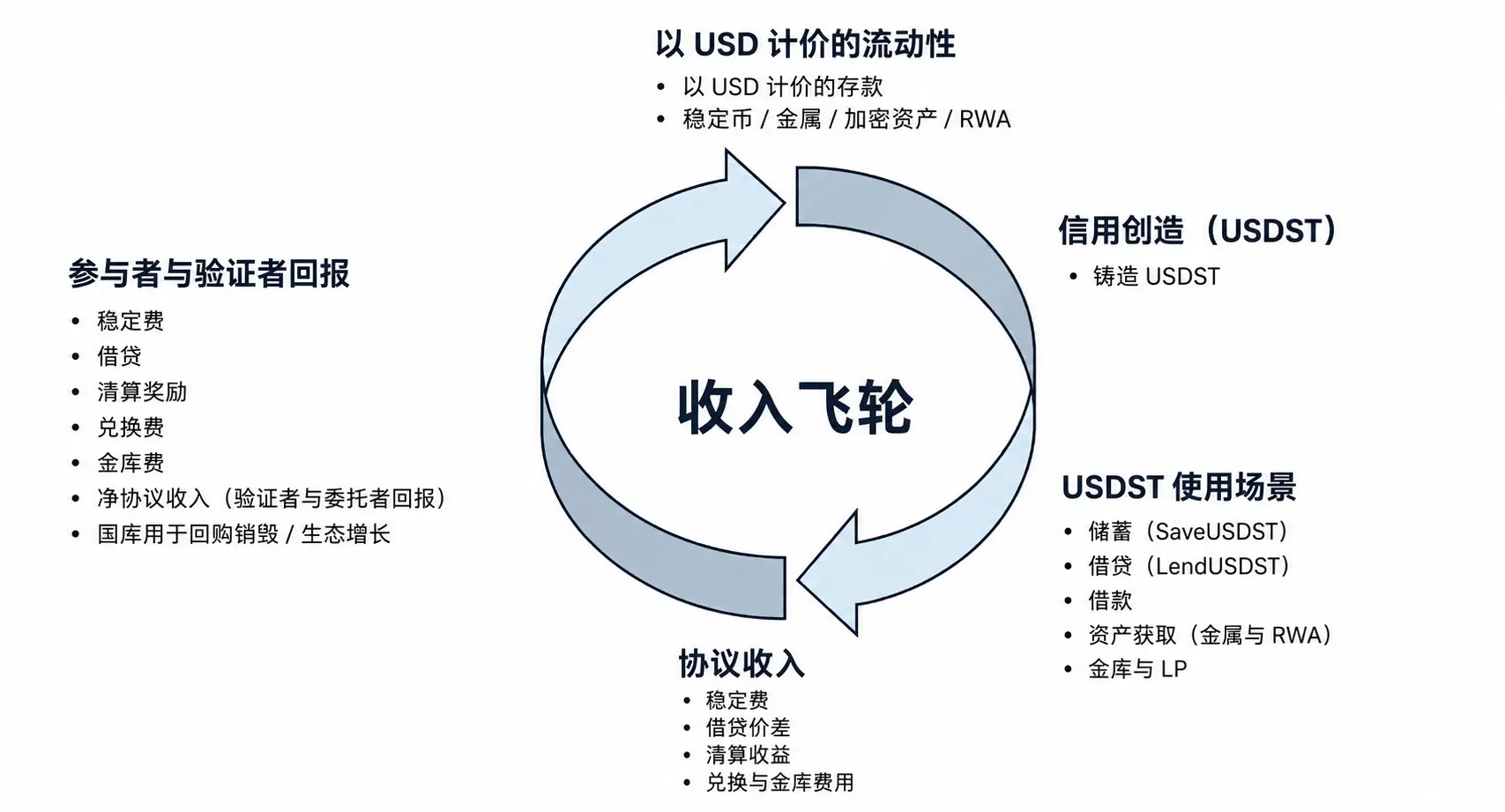
Sources of Protocol Revenue
STRATO's revenue primarily comes from real financial activities on-chain, rather than solely relying on token issuance.
|--------------------|------------------| | Revenue Source | Description | | Stability Fee | Stability fee paid by users when minting USDST | | Gas Fee | On-chain transaction and smart contract execution fees | | Credit Activity | Revenue generated from lending and credit markets | | Liquidity Activity | Revenue generated from liquidity-related activities |
As:
USDST issuance increases
Lending demand rises
RWA asset scale expands
Protocol revenue will increase accordingly.
Tron Comments
STRATO's advantage lies in its deep integration of RWA hard assets, over-collateralized stablecoins, and independent Layer 1 infrastructure, building an on-chain credit system aimed at the institutional market. Compared to traditional DeFi that mainly relies on crypto asset collateral, STRATO introduces 1:1 physical gold (GOLDST) and silver (SILVST) as core collateral, providing stronger value support during crypto market downturns; at the same time, USDST maintains stability through over-collateralization and liquidation mechanisms, forming a value flywheel of "lending expansion — protocol revenue — validator earnings — token demand growth." Additionally, its Layer 1 built on Haskell also better meets institutional requirements for security, auditability, and compliance.
Its disadvantage is that the project overall adopts a self-built public chain model, with ecological scale and liquidity foundation far weaker than mainstream networks like Ethereum and Solana; at the same time, the custody, auditing, and redemption systems for real assets like gold and silver inherently rely on off-chain institutions, posing certain centralized trust risks. The future success of the project largely depends on the market adoption rate of USDST, the expansion of RWA asset scale, and the continuous introduction of institutional users.
# III. Industry Data Analysis
1. Overall Market Performance
1.1. Spot BTC vs ETH Price Trends
BTC
ETH
# IV. Macroeconomic Data Review and Key Data Release Nodes for Next Week
Weekly macro data review (August 3 to August 9, 2026)
U.S. Non-Farm Payroll Report (released on August 7): The number of non-farm jobs added in July was below market expectations, indicating that the U.S. job market continues to cool. After the data was released, market expectations for future rate cuts by the Federal Reserve increased, U.S. Treasury yields fell, the U.S. dollar index came under pressure, and sentiment towards risk assets improved.
U.S. Unemployment Rate Data (released on August 7): The unemployment rate remained low, but the momentum of job growth slowed, leading the market to believe that the labor market is transitioning from "overheated" to "normalization," further reinforcing expectations for a shift in monetary policy.
U.S. ISM Services PMI (released on August 5): Service sector activity remains in expansion, but companies' expectations for future demand and cost pressures have diverged, with the market paying attention to whether the economic slowdown will further affect the path of inflation decline.
U.S. Job Openings JOLTS Data (released on August 4): The number of job openings continued to decline, reflecting weakened hiring demand from companies, further supporting the judgment of "cooling job market," prompting the market to raise expectations for easing policies.
U.S. Trade Data (released on August 5): Changes in the trade deficit reflect ongoing pressures in the global demand environment, with the market continuing to focus on the impact of weak external demand on U.S. economic growth.
Key data release nodes for next week (August 10 to August 16, 2026)
|-------|----------------|-------------------------| | Date | Data/Event | Focus Impact | | August 12 | U.S. CPI Consumer Price Index | Whether core inflation continues to decline will directly affect the pace of Fed rate cuts | | August 13 | U.S. PPI Producer Price Index | Assessing corporate cost pressures and future inflation transmission trends | | August 14 | U.S. Retail Sales Data | Observing consumer spending resilience to assess economic growth momentum | | August 14 | U.S. Consumer Confidence Data | Measuring residents' expectations for the economy and job prospects |
# V. Regulatory Policies
United States: CLARITY Act Market Structure Bill Delayed, Regulatory Framework Progress Stalled
The U.S. Senate originally planned to advance the CLARITY Act (Digital Asset Market Structure Bill), but due to partisan divisions and some regulatory disputes, the vote has been postponed until after the summer recess.
The core goal of this bill is to clarify:
The regulatory boundaries of the SEC and CFTC regarding digital assets;
Regulatory rules for cryptocurrency trading platforms;
Standards for digital asset classification.
The industry believes that if this bill passes, it will provide a clearer legal foundation for the U.S. cryptocurrency market; however, the delay means that regulatory certainty has not yet fully materialized in the short term.
Impact:
The U.S. continues to be in the "regulatory framework formation stage," with the market expecting legislative solutions to long-standing issues regarding securities attributes, trading platform regulation, and innovation boundaries.
India: Expanding the Scope of Tax Transparency Regulation for Digital Assets
India has updated its digital finance tax reporting rules, incorporating certain cryptocurrencies, CBDCs, and digital currency products into the global tax information exchange system.
The new rules strengthen:
Due diligence requirements for financial institutions;
Disclosure of digital asset trading information;
Regulation of cross-border fund flows.
Impact:
India's regulation continues to adopt a "recognition of existence + strengthening transparent regulation" approach, rather than a complete ban on digital assets.
European Union: MiCA Continues to Enter Full Implementation Phase
The EU MiCA (Markets in Crypto-Assets Regulation) continues to promote compliance for crypto service providers, focusing on:
CASP service provider licenses;
Stablecoin issuance regulation;
User protection requirements.
European regulatory focus has shifted from rule-making to execution and supervision.
Impact:
The EU continues to be one of the most complete cryptocurrency regulatory systems globally, promoting compliance migration for exchanges, wallets, and stablecoin issuers.
 Risk warning