








The Nasdaq has reached a new intraday high, easing interest rate pressure boosts the Asia-Pacific stock market, Hong Kong stocks in optical communications strengthen, crude oil experiences "whipsaw" fluctuations, and political turmoil pressures the Euro
 Core Viewpoint

 The S&P 500 and Nasdaq opened higher and continued to rise, while the Dow Jones turned to decline early in the session. On Monday, the Nikkei Index closed up 2.4%. The three major Hong Kong stock indices opened lower but rose, with the AI computing hardware supply chain performing well, and the PCB and optical communication sectors leading the gains, while traditional sectors like real estate continued to face pressure. Brent crude oil briefly surged over 1.2% due to rumors of a key oil pipeline in Saudi Arabia being shut down, but turned to decline after reports confirmed normal operations.
Author: Bao Yilong, Wall Street Insight
The dual impact of France's fiscal predicament and Spain's political turmoil has put pressure on risk appetite, causing the euro to fall to a 17-month low against the dollar. The S&P 500 futures remained relatively stable. The Nasdaq 100 index was slightly below last week's historical high.
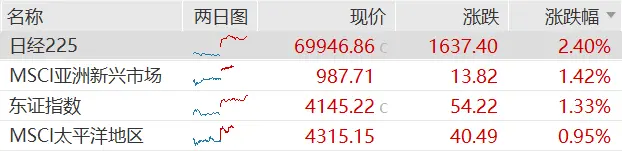
On Monday, the Nikkei index surged 2.4%, while the Tokyo Stock Exchange index rose 1.3%. The three major Hong Kong stock indices gradually recovered after a low opening, with the AI computing power hardware industry chain becoming the most prominent structural theme of the day, led by the PCB and optical communication sectors, while traditional sectors like real estate continued to face pressure.

Meanwhile, the first round of Brazil's presidential election results revealed an unexpected lead for right-wing senator over incumbent President Lula, Brazilian assets surged, with Brazilian stock index futures jumping 8.3% and the Brazilian real rising 4.6%.
In pre-market trading for U.S. stocks, the specific asset performance is as follows:
- S&P 500 futures fell 0.01% to 7776.5 points, Nasdaq 100 futures fell 0.12% to 31023.75 points, Dow futures rose 0.04% to 51498 points.
- In terms of popular stocks, industrial software company PTC rose over 34% in pre-market trading, as Schneider Electric confirmed its acquisition of PTC for $22.6 billion. Taiwan Semiconductor Manufacturing Company rose nearly 2% in pre-market trading, exploring cooperation with Elon Musk's Terafab wafer factory. NIO, a Chinese concept stock, rose over 1% in pre-market trading, driven by a peak in self-driving during the National Day holiday, setting a new historical high for its battery swap service volume.
- In precious metals, spot gold rose 0.36% to $4157.62 per ounce, spot silver rose 2.08% to $61.71 per ounce.
- In foreign exchange, the dollar index rose 0.29% to 102.23, the euro against the dollar fell 0.41% to 1.1206, the dollar against the yen rose 0.21% to 158.19, the pound against the dollar fell 0.10% to 1.3226, the Australian dollar against the dollar rose 0.05% to 0.6960.
- In international oil prices, Brent crude oil futures rose 0.25% to $102.51 per barrel, while U.S. oil futures fell 1.2% to $90.02 per barrel.
European Risks Rise, Euro Falls to 17-Month Low
The situation in Europe has become the core variable for the opening of the week.
Wall Street Insight mentioned that the policy deadlock in France continues to ferment, leading to a sell-off of high-risk bonds; Spanish Prime Minister Pedro Sánchez announced early elections due to large-scale social protests over domestic housing issues, raising market concerns about further fiscal pressure in the Eurozone.
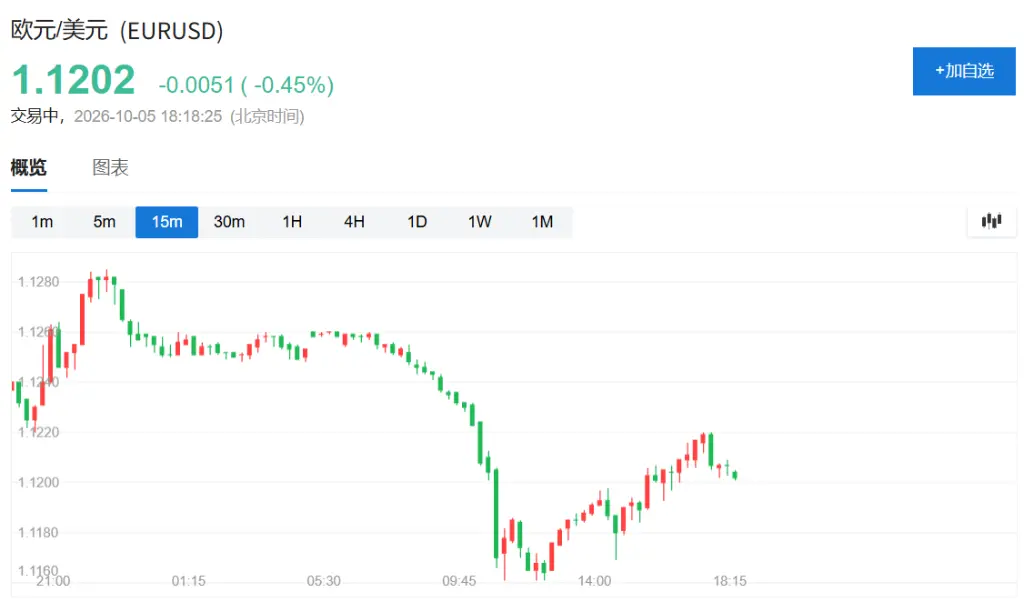
The euro against the dollar fell 0.5% to 1.1204, the lowest level since May 2025. The dollar index strengthened slightly by 0.1%.
XTB analyst Kathleen Brooks stated:
Europe is losing favor with investors, and the 'self-watchers' in the bond market are closely monitoring developments in the Eurozone. The question now is, will Spain be next?
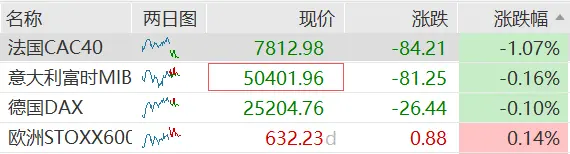
European stock markets showed mixed performance, with the Stoxx 600 index rising 0.14% before retreating, but the French CAC 40 became the weakest index in Europe, falling over 1% during the day.
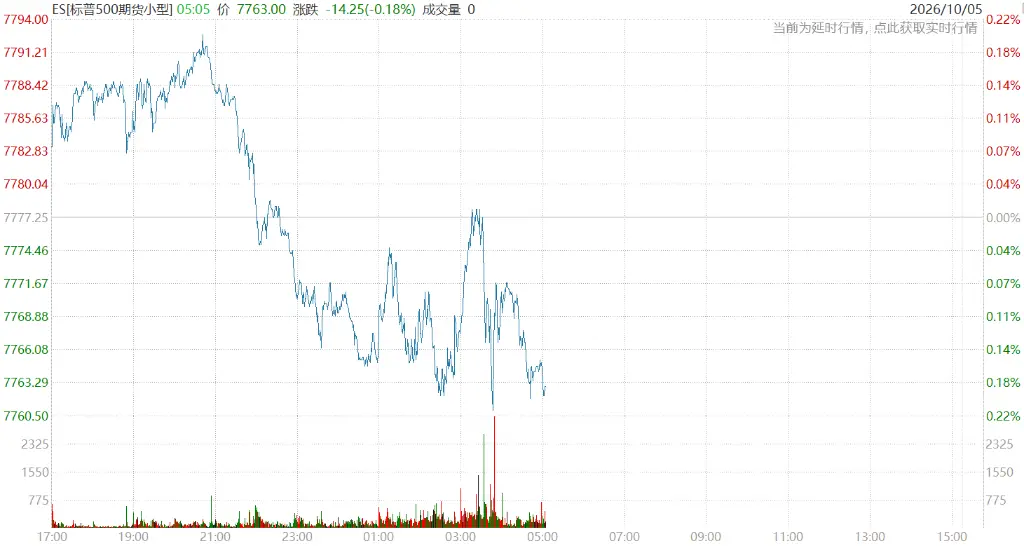
S&P 500 futures fell nearly 0.2%, while Nasdaq 100 futures dipped slightly in pre-market trading after reaching a historical high last Friday.
Interest Rate Pressure Eases, Asia-Pacific Tech Stocks Rally
The Asia-Pacific stock markets were supported by another logical theme—U.S. job growth in September fell short of expectations, and wage growth slowed, leading the money market to reduce the probability of a Federal Reserve rate hike in October to below 25%. The MSCI Asia-Pacific index rose 1.2%, following the upward trend of U.S. stocks last Friday.
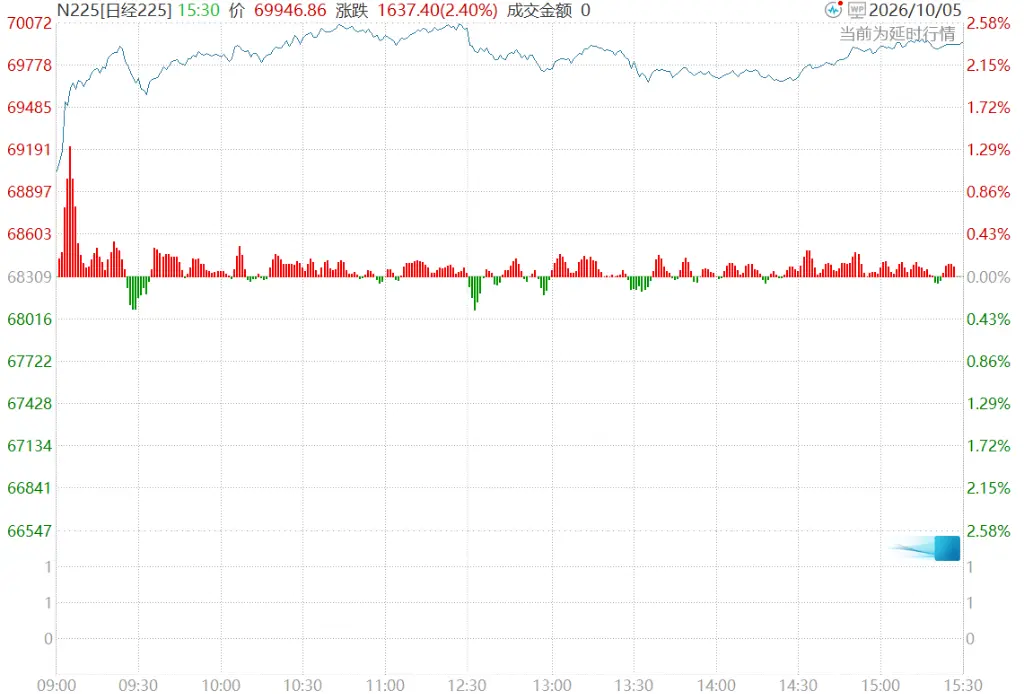
The Japanese market led the gains, with the Nikkei 225 index rising over 2.5% during the day, briefly returning above 70000 points, with technology stocks performing particularly well.
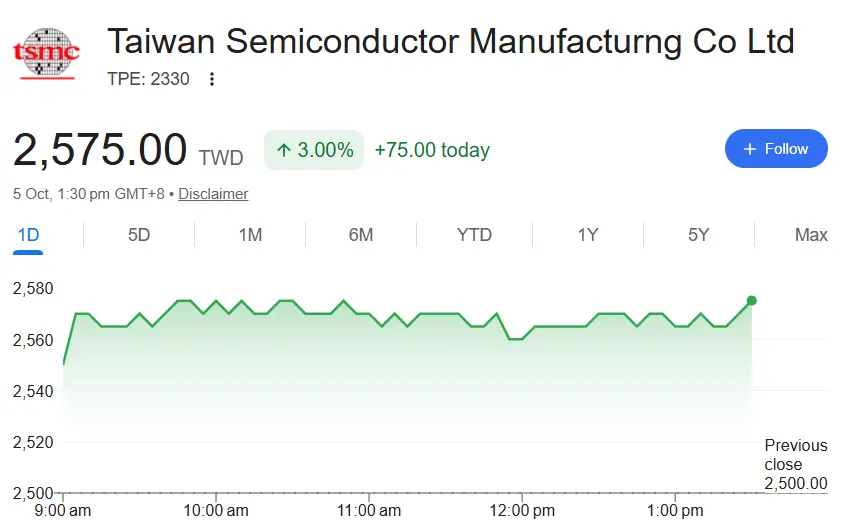
The Taiwan Weighted Index rose 2.7% to 49770.66 points, with Taiwan Semiconductor Manufacturing Company surging 3% during the day, hitting a new historical high. The markets in South Korea and mainland China were closed for holidays and did not participate in this round of rally.
Shane Oliver, Chief Economist and Investment Strategy Director at AMP Ltd., stated in a research report that the September employment data was "neither hot nor cold," "consistent with the 'Goldilocks' scenario, further reinforcing market expectations that the Federal Reserve will not rush to raise interest rates again this month."
PCB Sector Leads the Way, AI Computing Chain Resonates in Volume and Price
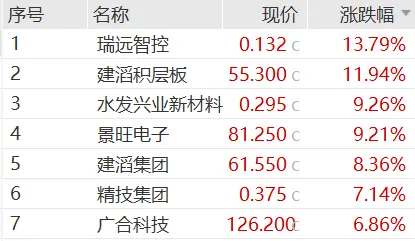
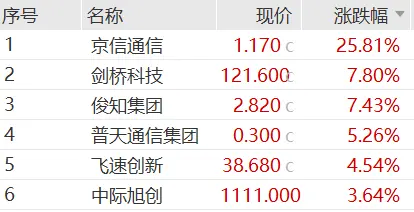
In Hong Kong stocks, the Hang Seng Index closed up 0.28% at 24040.34 points, and the Hang Seng Tech Index rose 0.62% to 4183.68 points. Jiantao Laminated Board surged nearly 12% in a single day, Kingboard Chemical Holdings rose over 9%, and Zhizhu rose 6.2%, leading the Hang Seng Tech constituents; in the Hong Kong optical communication sector, Xinwei Communication surged over 25%.
The PCB sector became the most eye-catching theme of the day: Jiantao Laminated Board rose 11.94% to HKD 55.3, with a transaction volume of HKD 3.209 billion; Jiantao Group rose 8.36%; Kingboard Chemical Holdings rose over 9%, Guanghe Technology rose over 6%, and Shenghong Technology rose over 5%.
Price increase signals continue to permeate the upstream and downstream of the industry chain. On the upstream side, Jiantao Laminated Board has issued 7 rounds of price increase notices this year, while Nanya Plastics has raised product prices by another 20% since September; the fiberglass leader China Jushi raised prices for electronic cloth thick and thin cloth by 15% and 20% respectively in September; Jiangxi Hongruixing Technology announced a 10% increase in the factory price of copper-clad laminates.
Large model company Zhizhu rose 6.2% that day, closing at HKD 665, leading the Hang Seng Tech constituents and becoming an important highlight in the AI software layer. Goldman Sachs upgraded Zhizhu's rating from "Neutral" to "Buy," setting a target price of HKD 1560, believing its monetization path is clearer and its current valuation is attractive.
The optical communication and semiconductor sectors also performed strongly. Xinwei Communication rose over 25%, Cambridge Technology rose over 10%, Lanke Technology rose over 6%, Zhongji Xuchuang rose over 3%, and SMIC rose over 1%. Lenovo Group rose 4.7%, with Credit Lyonnais reaffirming it as a preferred Chinese tech stock, citing rapid growth in AI business and ample orders, with a transaction volume of HKD 1.707 billion.
Saudi East-West Oil Pipeline Attacked Again, Oil Prices Fall After Confirming Normal Operations
The security status of Saudi Arabia's core cross-border oil pipeline experienced a brief "false alarm" shock, reflecting the current high sensitivity of global oil prices to geopolitical risks in the Middle East.
According to Bloomberg sources, the Saudi East-West oil pipeline is currently operating normally, and reports of a shutdown due to another attack on the pipeline have not been confirmed.
After the news was released, Brent crude oil price gains fell back to 0.36%, trading at $102.62 per barrel, after briefly surging to $103.08 per barrel due to shutdown rumors, with intraday gains once exceeding 1.2%.
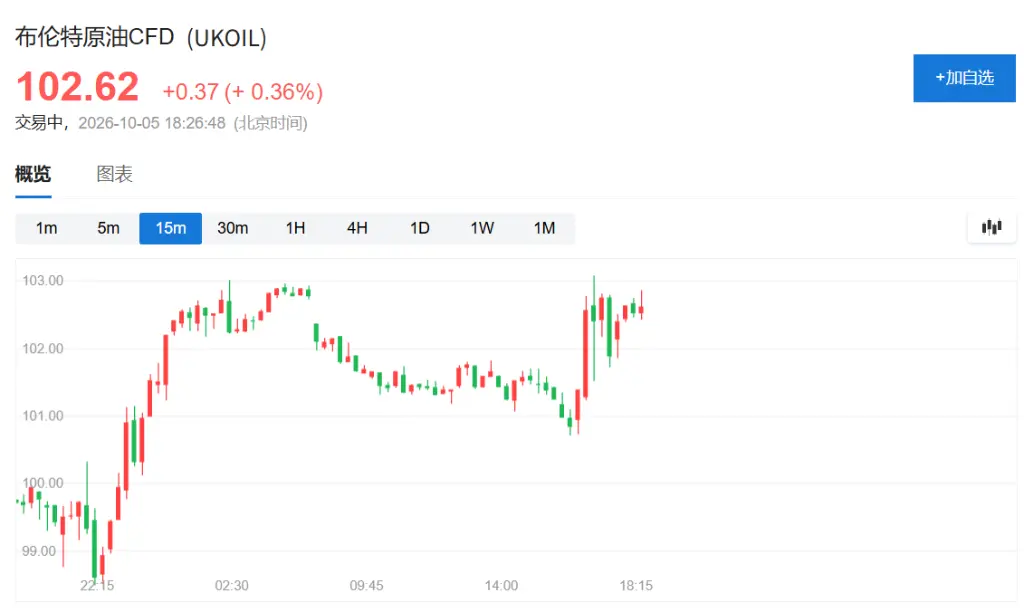
The CEO of Saudi Aramco publicly stated that the company continues to export through Abqaiq, Sidra, and Jeddah ports, emphasizing that there are sufficient inventories in the system to supply customers. He also warned that without the east-west oil pipeline, Brent crude oil prices could reach $200 per barrel, highlighting the strategic significance of this pipeline for global supply stability.
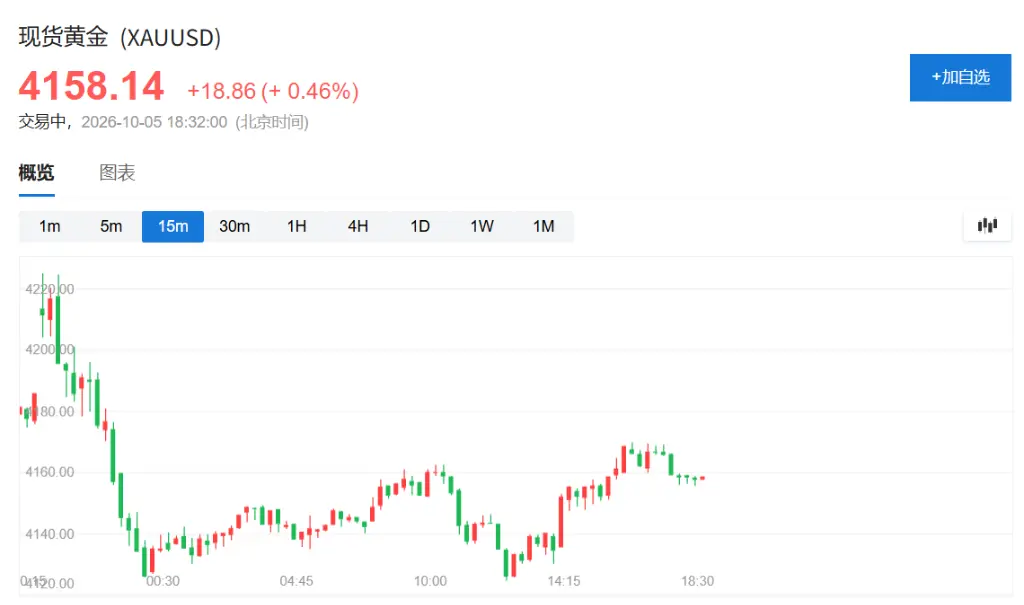
Gold rebounded slightly by 0.46% to $4158 per ounce, after recently ending its largest weekly decline since June.
London Metal Exchange copper futures rose 0.9% at one point, then fell back to a 0.6% gain, with copper prices experiencing the largest weekly decline since March last Friday. The London Metal Exchange (LME) tin price rose 0.2%, while aluminum prices remained flat.
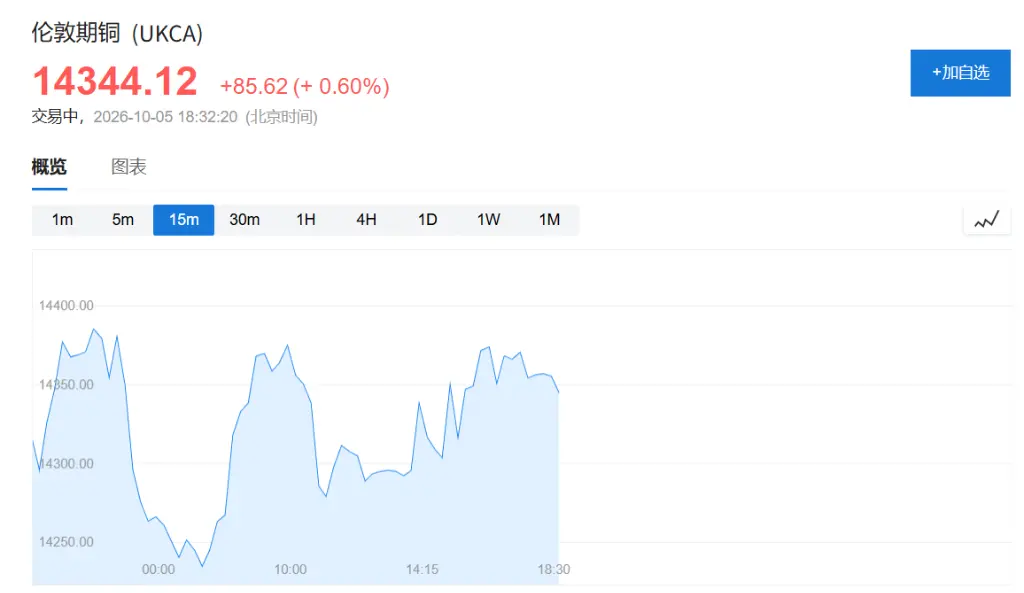
Due to U.S. tariff threats, traders have been dumping hundreds of thousands of tons of metals to the U.S., which may squeeze supplies in other regions. Meanwhile, demand from data centers and renewable energy has boosted prices. Analysts believe that China is still in the Golden Week holiday, which has somewhat suppressed liquidity in the metal market.

 Risk warning


Popular articles





