Jensen Huang wants to come back, who has the final say? Shareholders, government, and board of directors in the leadership change turmoil at NVIDIA
Resignation less than a week ago, Jensen Huang is rumored to be considering a return. On one side are Elon Musk, institutional shareholders, and a petition signed by over 100,000 people; on the other side is the U.S. Treasury Secretary publicly calling for "external candidates." There are many voices, but only one can make the decision: the NVIDIA board of directors. The earnings report on Tuesday will be the first direct test after this turmoil.
I. Within a week, from "resignation" to "wanting to return"
On November 12, NVIDIA announced that co-founder Jensen Huang resigned as President and CEO and also stepped down from the board of directors. After the founder, who led the company for 33 years, left, CFO Colette Kress took over as interim CEO while continuing as CFO, and Harvey C. Jones became NVIDIA's first independent chairman. The board began searching for successors both internally and externally.
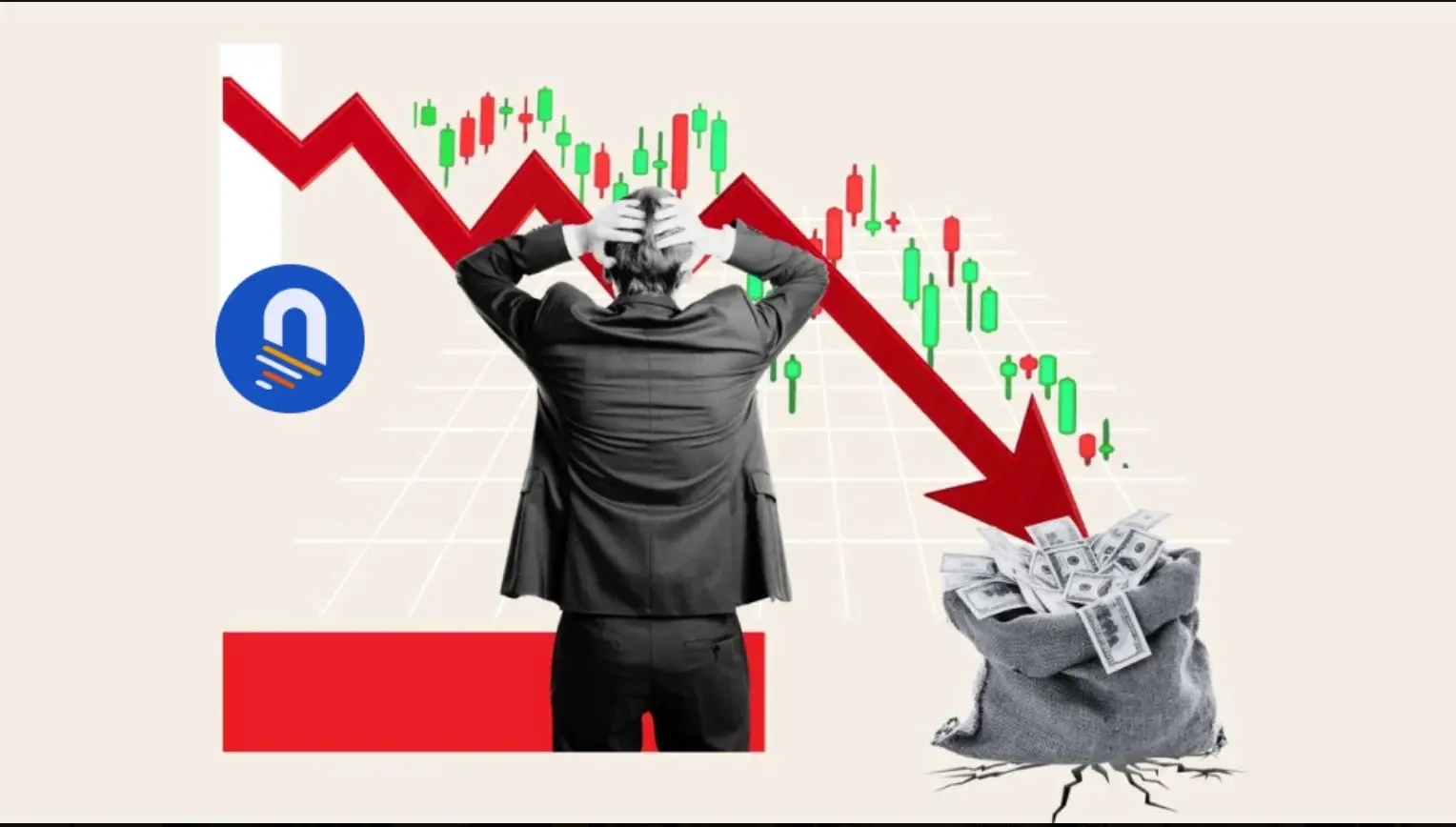
The market's first reaction was straightforward. NVIDIA's stock opened down about 14% that day and closed down 4.34%; for the entire week, it fell about 12.75%, closing at $162.85. In the same week, AMD and Broadcom rose about 19% and 18%, respectively, while the semiconductor ETF (SMH) also rose about 4.9%. The funds did not leave the chip industry but rather left this company.
A turning point in the plot occurred over the weekend. According to a report by the Financial Times on November 15, Jensen Huang has discussed the possibility of returning to the CEO position with close associates, and an ally is organizing Silicon Valley executives to lobby the board and the White House. Musk publicly stated on social media that he would sign the petition, and institutional shareholders Altimeter and Atreides jointly wrote to the board, with a public letter calling for "Jensen Huang to come back" reportedly having over 100,000 signatures.
Almost simultaneously, U.S. Treasury Secretary Yellen stated on a television program that the board should look for a new CEO from outside the company.
So far, neither NVIDIA nor Jensen Huang himself has confirmed the rumors of a return.
II. 3.6% of shares cannot sway the board
No matter how many people sign the petition, it does not change a structural fact: in U.S. publicly traded companies, the CEO is appointed by the board and can also be replaced by the board. Shareholders cannot directly vote for the CEO; they can only influence through electing directors, voting at shareholder meetings, or, as in this case, publicly writing letters.
Whether a founder can "call the shots" depends on the equity structure. Some companies adopt dual-class shares, where the founder's shares have multiple votes per share, allowing them to control the board even with a low ownership percentage; Meta's Mark Zuckerberg is a typical example. NVIDIA does not have this structure. According to an analysis by Fortune magazine, Jensen Huang holds about 3.6% of common stock, which is far from enough to sway the board's decisions.
Historically, stories of founders being "forced out" and then returning are not uncommon. Steve Jobs left Apple in 1985 due to a board decision and returned 12 years later; Sam Altman was removed by the OpenAI board in 2023 but reinstated days later under pressure from employees and investors. However, Jeffrey Sonnenfeld and others from Yale School of Management pointed out in Fortune that this situation is fundamentally different from Altman's: Altman's departure stemmed from internal disagreements within the board, while NVIDIA's situation is compounded by independent investigations and export compliance issues.
In other words, whether Jensen Huang can return does not depend on his desire or the number of supporters but on how the board weighs the investigation results, regulatory pressures, and shareholder interests.
III. Reasons from both sides and their respective positions
The side supporting Jensen Huang's return has three main reasons.
The first is performance. Under his leadership, NVIDIA has grown from a graphics card company to a core supplier of AI infrastructure. Brad Gerstner from Altimeter and Gavin Baker from Atreides wrote in their letter to the board that given his long-term leadership achievements and the uncertainties brought by his departure, the board should not hastily determine a replacement. The second is relationships. Musk believes that many of NVIDIA's supply chain collaborations are built on personal trust with Jensen Huang rather than written contracts, and replacing him could affect some partnerships. The third is internal recognition. The signatories of the open letter claim to include current and former NVIDIA employees, shareholders, and partners.
The opposing side or those with reservations have completely different concerns.
Treasury Secretary Yellen not only called for external candidates but also demanded that the board and external lawyers respond to compliance issues related to chip exports within 10 days. Commentator Christopher Irons believes that allowing Jensen Huang to return during the investigation would place a significant governance burden on the board. Sonnenfeld and others argue that supporters underestimate the issues related to codes of conduct and compliance.
Another easily overlooked background is that, according to Fortune's analysis, some investors publicly supporting the return also hold NVIDIA stock and have invested in companies that do business with NVIDIA. This does not mean their views are invalid, but understanding their positions is a necessary step when considering any party's opinion.
This is also a common phenomenon in corporate governance: each party's opinion may have merit and may also relate to their own interests. The board exists to make judgments on behalf of all shareholders amid these voices.
IV. Three hurdles in front of the board
The first hurdle: independent investigation. When executives are involved in matters requiring investigation, the board typically commissions external lawyers to conduct an independent investigation, and the investigation's conclusions are an important basis for personnel decisions. The investigation commissioned by NVIDIA's board is still ongoing. Before the conclusions are reached, making definitive personnel decisions about key individuals would place the board fully responsible for that decision.
The second hurdle: Congressional inquiry. Reports indicate that Jensen Huang has agreed to a closed-door inquiry by the relevant committee of the U.S. House of Representatives. While the inquiry results do not directly determine personnel arrangements, they will affect the regulatory and public opinion environment.
The third hurdle: regulatory response. Yellen has demanded that the board respond to compliance issues related to chip exports within 10 days. For a chip company with a global business, the relationship with regulatory agencies is part of its operations.
In the face of these three hurdles, NVIDIA has already made two common transitional arrangements. One is an interim CEO: the CFO, who is familiar with the company's finances and operations, temporarily takes over to ensure that daily operations are not interrupted; such arrangements typically last until a formal candidate is confirmed. The second is an independent chairman: separating the roles of chairman and CEO, with a non-executive director serving as chairman, aims to allow the board to supervise management more independently. These two arrangements themselves indicate that the board is placing greater importance on "governance."
V. Tuesday's earnings report: business and governance in the same arena for the first time
On November 17, after U.S. stock market hours, NVIDIA will announce its quarterly earnings report, which will be the first performance meeting presided over by Kress as interim CEO. In past earnings reports, the market was accustomed to Jensen Huang discussing technical directions and product visions; this time, the person on stage has changed.
This adds another layer of meaning to this earnings report. In the past, the market mainly focused on whether "AI demand still exists"; this time, the market will also pay attention to two things: whether the management's guidance for the next few quarters is clear and how the company addresses succession and strategic continuity issues.
One can understand two scenarios. If performance and guidance remain robust, and management can clearly explain the transitional arrangements, the market may view business and governance separately; conversely, if guidance becomes cautious or succession issues become further muddled, uncertainties in governance and performance expectations may compound. Both scenarios are merely analytical frameworks and do not represent judgments on outcomes.
Additionally, Sonnenfeld and others in their article in Fortune expressed hope that NVIDIA would restore the separate disclosure of revenue from the Singapore region in this earnings report and clarify the related sources. Whether the company responds to this request is also an observation point for this earnings report.
Conclusion
The outcome of this turmoil has yet to be determined, but it provides a rare observation window: how a company valued at several trillion dollars operates after the founder's departure and who has the authority to decide the next steps.
For investors, during such events, it is possible to view two lines separately: one line is the company's fundamentals, looking at earnings reports, orders, and guidance; the other line is personnel progress, looking at the board's formal announcements rather than media rumors or statements on social media. When both lines change simultaneously, short-term fluctuations in stock prices are often amplified.
Enter BIT to view NVIDIA (NVDA) market data >>
Risk Warning: The content of this article is for investor education reference only and does not constitute any investment advice or recommendations for buying or selling any securities. The personnel arrangements, investigation progress, and other information mentioned in the article are sourced from public reports, some of which have not yet been confirmed by the company and may change at any time. The market has risks, and investment requires caution.
Source: NVIDIA announcements; CNBC, Benzinga, Financial Times, Fortune magazine, Wall Street Journal, and other public reports. Data as of November 16, 2026.
 Risk warning Risk warning



Popular articles