Optimists cheer, pessimists worry: How does the market view the U.S. cryptocurrency strategic reserve?

 Two reserves, bullish or bearish?
Author: Fairy, ChainCatcher
Editor: TB, ChainCatcher
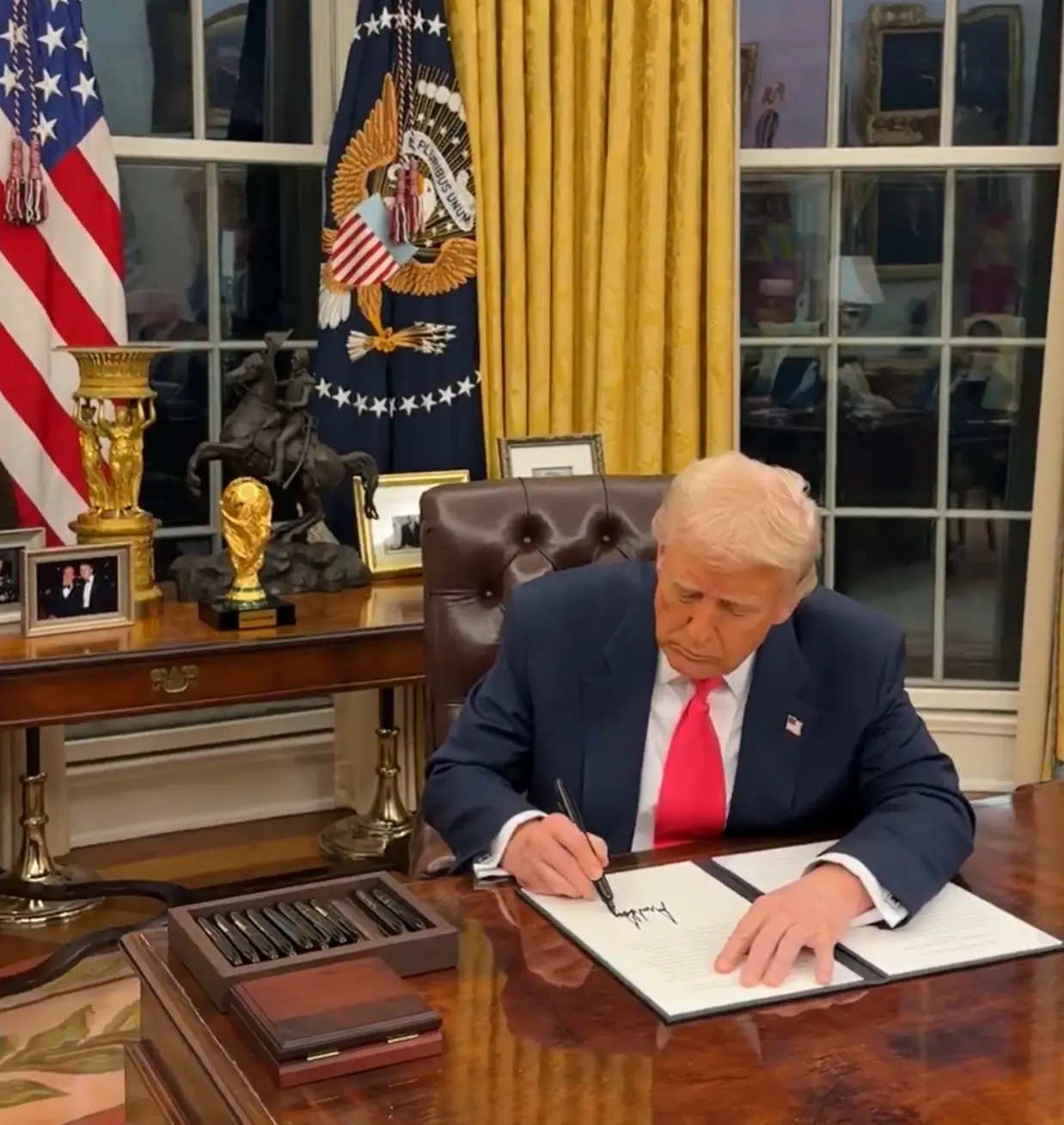
This morning, President Trump signed an executive order to establish a Bitcoin strategic reserve and a U.S. digital asset reserve.
White House AI and crypto czar David Sacks pointed out that over the past decade, the U.S. government has sold approximately 195,000 Bitcoins, generating only $366 million in revenue. If these Bitcoins had been held long-term, their current value would exceed $17 billion.
Sacks bluntly stated, "This is the cost of American taxpayers not having a long-term strategy!"
So, how does the crypto strategic reserve actually work? How will this policy affect the market? Let's take a look at the different interpretations in the market.
Two Reserves: One Can Actively Increase Holdings, One Purely Stores
President Trump's executive order involves two different concepts—Strategic Reserve and Digital Asset Stockpile.
Bitcoin Strategic Reserve: This reserve will consist solely of Bitcoin. It will be made up of approximately 200,000 Bitcoins currently held by the U.S. government, which were seized through criminal or civil asset forfeiture procedures. The government will conduct a comprehensive audit of these assets.
Treasury Secretary Scott Bessent and Commerce Secretary Howard Lutnick are authorized to explore additional ways to acquire Bitcoin, provided that it does not increase the burden on taxpayers.
Digital Asset Reserve: This involves other digital assets (excluding Bitcoin) obtained through criminal or civil asset forfeiture procedures. For example, Ethereum (ETH), Ripple (XRP), Cardano (ADA), Solana (SOL), etc. The digital asset reserve will specifically manage these assets.
Core Differences:
- Bitcoin Strategic Reserve: The government may seek budget-neutral ways to acquire additional Bitcoin.
- Digital Asset Reserve: The government will not actively purchase these assets, only manage digital assets obtained through forfeiture procedures.
Market Interpretation: Bitcoin Drops Sharply, Is It Bullish or Bearish?
Upon the announcement, Bitcoin's price briefly fell over 5%. Market opinions have diverged significantly; one side believes this will initiate a global Bitcoin reserve race, which is bullish in the long term; the other side feels the policy's impact is less than expected, leading to disappointment in the market.
Bullish Side: This Will Change Everything!
Bitwise Research Director stated that the real significance of the U.S. establishing a strategic Bitcoin reserve is:
- Other countries will purchase Bitcoin;
- Wealth managers have no excuses;
- Financial institutions have no excuses;
- Pension/donation funds have no excuses;
- Concerns about the U.S. selling Bitcoin will disappear;
- The U.S. may purchase more Bitcoin;
- The likelihood of states buying Bitcoin increases;
- The possibility of the government banning Bitcoin is zero.
"This will change everything. Looking ahead, this is just the beginning."
Crypto KOL @bitfool1 likened this initiative to a "nuclear-level bullish" move:
- From the U.S. government holding Bitcoin to countries around the world competing to buy it, this is a long-term evolution;
- Bitcoin is established as a global reserve asset similar to gold, and its value will undergo a historic reassessment.
Crypto KOL @0xNing0x offered another interpretation:
- The establishment of a national Bitcoin reserve is essentially to maintain the dollar's hegemony;
- The Trump administration may redesign the rules of the crypto market, integrating it into the dollar system's bubble regulation mechanism;
- The market needs to digest overly optimistic expectations in the short term, but in the long run, the new order of the crypto market led by the U.S. may become the core driving force for the next wave of growth.
Bearish Side: Market Disproven, Short-Term Expectations Fall Flat
Crypto KOL AB Kuai.Dong remarked, "This is very Trump-like, but also a bit pessimistic." He worries that the government's holding of Bitcoin may turn into some sort of fiscal strategy, and it remains uncertain whether more aggressive measures will be taken in the future.
Capriole Investments CEO Charles Edwards bluntly stated that the market's disappointment stems from:
- The market originally expected the government to actively purchase more Bitcoin, but the actual policy did not involve large-scale acquisitions;
- The likelihood of the U.S. government directly purchasing Bitcoin in 2025 has significantly decreased, and short-term bullish expectations have not been fulfilled.
There are also views suggesting that the U.S. may intensify enforcement against offshore exchanges and large holding institutions to strengthen its control over the market. As the "Trump effect" on the market gradually fades, the anticipated policy catalysts are also diminishing, and the crypto industry may enter a new phase. In the next 1-2 years, under a relatively relaxed regulatory environment, innovation at the application layer is expected to see more opportunities, and the industry's focus will shift from policy games to actual implementation and growth.
Short-term fluctuations, long-term profound impacts. The U.S. government's acknowledgment of Bitcoin's strategic value means that the legitimacy of the crypto market, the process of institutionalization, and the global competition have only just begun. This could be a historic turning point, and the real impact will gradually emerge in the coming years.
 Risk warning
 Risk warning



Popular articles