Daily Observation of Cryptocurrency Concept Stocks: Single Coin Inversion at $19,000! High Mining Cash Costs Force Hash Power to "Great Migration" Towards AI and Low Electricity Price Countries

 Released on August 5, 2026. The Bitcoin network's hash rate is undergoing the most profound structural reshaping since the last halving. Paul Lee, CEO of the South Korean Bitcoin treasury company Bitplanet, pointed out in a post that due to the dual pressure of falling coin prices and a massive shift of capital towards AI, the total hash rate of Bitcoin has decreased by about 15% compared to the beginning of the year. As the cash mining cost per BTC for listed mining companies has risen to nearly $80,000, the industry is facing a serious inversion, forcing mining giants to sell off reserves on a large scale and accelerate the shift towards AI/HPC (high-performance computing) and countries with low electricity prices.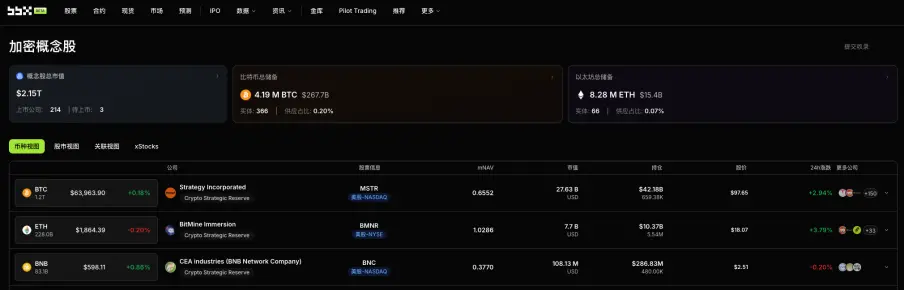
Severe Cost and Price Discrepancy: Listed Mining Companies Face "Loss from the Start" Pain
According to the latest data analysis by Bitplanet CEO Paul Lee, globally listed cryptocurrency mining companies are facing extremely severe financial pressure.
Data shows that the cash cost of mining a single Bitcoin (including electricity, operations, and depreciation) for listed cryptocurrency mining companies has risen to approximately $79,995; while the current market price of Bitcoin remains fluctuating around the $60,000 range. This means that listed mining companies incur an average cash loss of about $19,000 for every Bitcoin mined. This deep discrepancy has directly impacted the operational willingness of traditional high-cost mining sites, leading to a continuous decline in overall network hash rate since the end of last year, which has decreased by about 15% from the peak at the beginning of the year.
Simultaneous Sell-off and Transformation: 32,000 BTC Sold in Q1, Hash Rate Restructuring Embraces AI
To cope with ongoing cash flow losses and pay high electricity contracts, mining companies have had to "liquidate inventory to stem losses," while actively initiating business transformations.
Data shows that in just the first quarter of this year, six major listed mining companies globally sold a total of 32,000 BTC in the public market, setting a record for the highest quarterly sell-off in history. While liquidating, many leading mining companies are massively transforming expensive infrastructure, transformers, and electricity quotas originally used for Bitcoin mining, shifting towards AI and high-performance computing (HPC) data centers that offer higher rental yields and more stable cash flow, completing the asset reconstruction from "crypto computing power" to "AI computing power."
Reshaping the Geographical Landscape of Hash Rate: High Electricity Prices Clear Out, Emerging Countries' Share Rises
As high-cost mining sites in Europe and America reduce hash rates or shift to AI, the geographical distribution of Bitcoin hash rate is undergoing a historic shift.
Analysis indicates that low electricity price countries represented by Kyrgyzstan, Paraguay, and Ethiopia, with their extremely cheap hydropower and surplus energy, have attracted a large number of second-tier mining machines flowing out from high-cost regions. The share of these countries' hash rate in the overall network has seen significant growth. This dual-track pattern of "Wall Street mining companies turning to AI, while remote low-cost regions take over mining" is redefining the global blockchain hash rate landscape for the second half of 2026.
"Next-Generation Overlap" of Bitcoin Hash Rate and Power Assets
Comprehensive industry data from early August indicates that the era of "extensive coin hoarding" in the mining industry has completely ended. In the competition of the second half of 2026, the business model that solely relies on the unilateral rise of Bitcoin to cover high mining costs is becoming unsustainable. Future listed mining companies must successfully upgrade their electricity infrastructure to a "AI+Crypto" dual-driven model, or they will have to completely offshore their hash rate for arbitrage. Finding a balance between energy arbitrage and AI hash rate transformation will be key to determining whether the valuation of mining concept stocks can recover.
Data Source: ++https://bbx.com/++ Cryptocurrency Concept Stock Information Database, compiled based on global listed company announcements and SEC/TSE disclosure documents from last weekend.
 Risk warning




Popular articles