Scan to download
BTC $78,255.41 +2.75%
ETH $2,310.25 +2.58%
BNB $620.82 +1.11%
XRP $1.39 +1.59%
SOL $84.22 +1.27%
TRX $0.3264 +0.28%
DOGE $0.1095 +2.82%
ADA $0.2500 +1.80%
BCH $455.08 +2.97%
LINK $9.24 +1.39%
HYPE $40.77 +4.20%
AAVE $93.52 +0.90%
SUI $0.9218 +1.96%
XLM $0.1616 +1.36%
ZEC $349.78 +4.56%
BTC $78,255.41 +2.75%
ETH $2,310.25 +2.58%
BNB $620.82 +1.11%
XRP $1.39 +1.59%
SOL $84.22 +1.27%
TRX $0.3264 +0.28%
DOGE $0.1095 +2.82%
ADA $0.2500 +1.80%
BCH $455.08 +2.97%
LINK $9.24 +1.39%
HYPE $40.77 +4.20%
AAVE $93.52 +0.90%
SUI $0.9218 +1.96%
XLM $0.1616 +1.36%
ZEC $349.78 +4.56%

nato

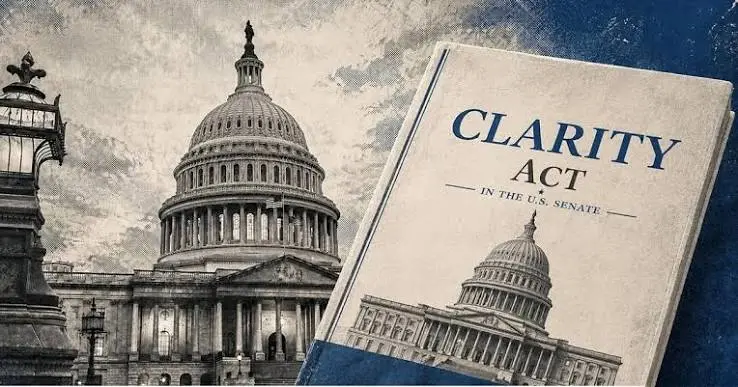
Robinhood's Q1 crypto revenue halved, and its stock price fell by 13%. Visa's stablecoin settlement network expanded to nine chains with an annualized scale of $7 billion. Senator Lummis confirmed that the CLARITY Act will undergo markup in May

According to BBX data, yesterday the earnings season for cryptocurrency-related stocks and the expansion of stablecoin infrastructure advanced simultaneously, with the following key developments:Robinhood Markets, Inc. (NASDAQ: $HOOD) released its Q1 2026 earnings report and submitted SEC Form 8-K after the market closed on April 28: total revenue of $1.07 billion (up 15% year-over-year), below the analyst consensus expectation of $1.14 billion; adjusted EPS of $0.38, slightly lower than the consensus of $0.39; cryptocurrency trading revenue plummeted 47% year-over-year to $134 million (compared to $252 million in the same period last year), with cryptocurrency trading volume also declining 48% to $24 billion, marking the third consecutive quarter of declining cryptocurrency revenue. Meanwhile, revenue from event contracts (prediction markets) surged 320% year-over-year to $147 million, surpassing cryptocurrency revenue for the first time to become the largest source of trading revenue, with a record contract volume of 8.8 billion for the quarter; affected by the earnings report, $HOOD fell about 13.24% to $71.20 yesterday.Visa Inc. (NYSE: $V) announced on April 29 through an official BusinessWire press release that five new blockchains—Arc, Base, Canton, Polygon, and Tempo—have been added to its global stablecoin settlement pilot, expanding the total supported network to nine (previously Ethereum, Solana, Avalanche, Stellar); the annualized scale of stablecoin settlements reached $7 billion, a 50% increase from the previous quarter. The pilot allows issuing banks and acquiring banks to settle using stablecoins instead of traditional banking rails, currently covering over 50 countries and more than 130 stablecoin-related card projects, and has expanded to USDC settlements with U.S. banks.Senator Cynthia Lummis publicly confirmed on April 29 that the markup for the CLARITY Act in the Senate Banking Committee is scheduled for May 2026; at the same time, the SEC announced it will hold a roundtable discussion on May 3 regarding issues related to the CLARITY Act, further clarifying the signals of coordination between regulatory and legislative bodies to accelerate the process, providing an official timeline endorsement for the previously anticipated "end of May" market expectations.

The United States sanctions Cambodian senator, the crackdown on cryptocurrency fraud continues to escalate

The U.S. Department of the Treasury's Office of Foreign Assets Control (OFAC) announced sanctions against Cambodian Senator Kok An, accusing him of controlling "fraud parks" across the country, defrauding American victims through cryptocurrency investment scams.According to a statement released by OFAC on Thursday, in addition to Kok An, 28 other individuals and entities have been added to the sanctions list, all believed to be connected to his fraud network. This network is accused of luring victims into sending cryptocurrency assets under the guise of "high return investments." This action follows a raid by Cambodian police on two scam centers in the border city of Poipet. Previously, Kok An had been accused of operating scam bases in the area. OFAC stated that scammers typically gain victims' trust by establishing "friendships" or "romantic relationships," then guide them to participate in so-called cryptocurrency investment platforms, thereby defrauding them of funds, with the total amount involved reaching millions of dollars.It is noteworthy that some individuals involved in the scam activities are themselves victims of human trafficking, forced to engage in illegal activities under threats of violence. OFAC pointed out that these scam centers are often located in casinos or repurposed office parks, used not only for money laundering but also as bases for defrauding American citizens and committing human rights violations. Additionally, regulators have simultaneously shut down over 500 fraudulent website domains used for cryptocurrency investment scams, indicating that the U.S. crackdown on related criminal activities is intensifying.

U.S. Senator warns that the CLARITY Act should be passed as soon as possible, or the regulatory window may close until 2030

U.S. Senator Cynthia Lummis stated that the United States should not continue to delay the legislative process of the CLARITY Act, or it may take nearly four years to push for improvements in the regulatory framework for the cryptocurrency industry again.She posted on social media platform X, saying, "This is our last chance to pass the CLARITY Act before at least 2030," and emphasized that "we cannot let the future of American finance be put at risk." The bill aims to provide a clearer regulatory structure for the cryptocurrency industry, clarifying the responsibilities of regulatory agencies to promote industry innovation and market development. With the U.S. midterm elections approaching, there are concerns that congressional priorities may shift, slowing down the legislative process.Former White House AI and cryptocurrency affairs head David Sacks also expressed support for advancing the bill as soon as possible, stating, "Now is the time for action," and anticipated that the relevant market structure legislation would ultimately be signed into law by the president. In the industry, several individuals, including Coinbase CEO Brian Armstrong, have recently called for an expedited legislative process, believing that clear rules will promote innovation and increase market participation. On the regulatory side, SEC Chairman Paul Atkins also expressed support for advancing comprehensive market structure legislation to avoid ongoing regulatory uncertainty affecting industry development.
app_icon
ChainCatcher Building the Web3 world with innovations.