BTC $77,468.45 -3.19%
ETH $2,428.48 -2.89%
BNB $688.22 -3.05%
XRP $1.38 -4.50%
SOL $103.56 -4.40%
TRX $0.3417 +1.29%
DOGE $0.0848 -3.99%
ADA $0.2011 -5.59%
BCH $247.67 -7.95%
LINK $11.34 -4.36%
HYPE $80.31 -5.00%
AAVE $121.16 -4.75%
SUI $0.7373 -4.85%
XLM $0.1780 -4.55%
ZEC $796.80 -1.44%
BTC $77,468.45 -3.19%
ETH $2,428.48 -2.89%
BNB $688.22 -3.05%
XRP $1.38 -4.50%
SOL $103.56 -4.40%
TRX $0.3417 +1.29%
DOGE $0.0848 -3.99%
ADA $0.2011 -5.59%
BCH $247.67 -7.95%
LINK $11.34 -4.36%
HYPE $80.31 -5.00%
AAVE $121.16 -4.75%
SUI $0.7373 -4.85%
XLM $0.1780 -4.55%
ZEC $796.80 -1.44%

global

All
Article
Flash

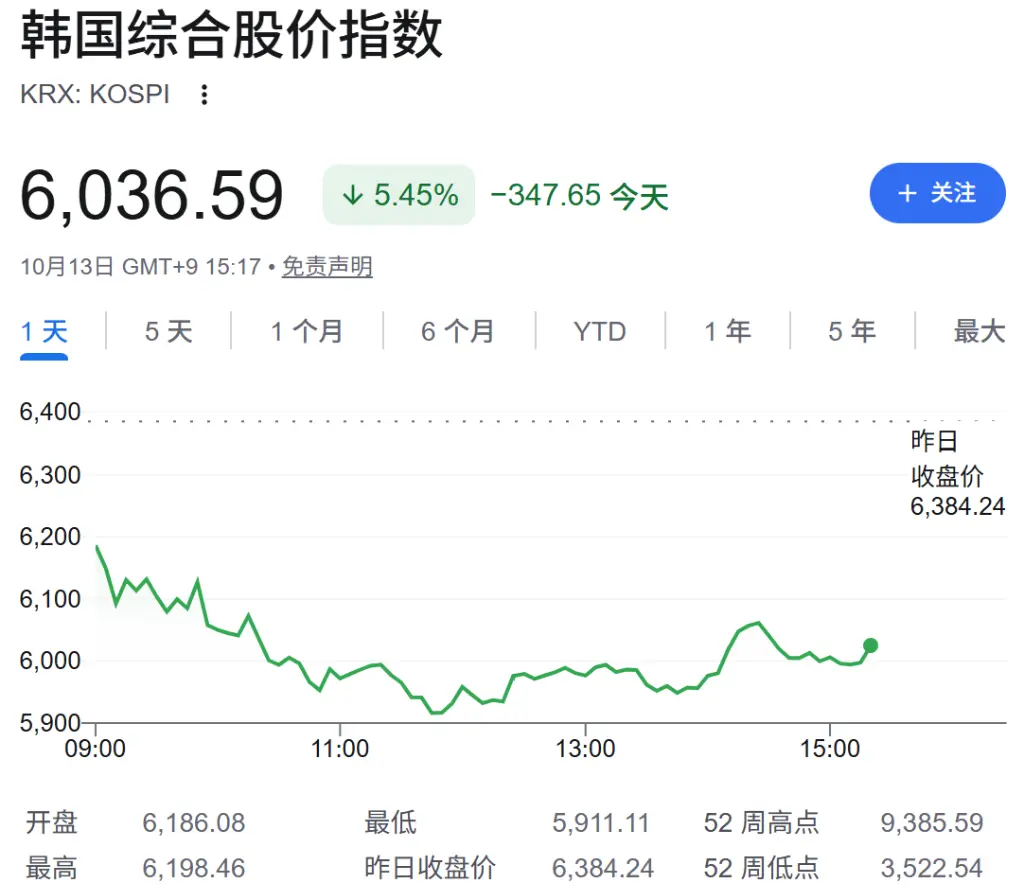
first_img In Q2 2026, the global semiconductor market reached 368 billion USD, a year-on-year increase of 104%

According to SemiWiki, WSTS data shows that the global semiconductor market sales reached $368 billion in the second quarter of 2026, a quarter-on-quarter increase of 35% and a year-on-year increase of 104%, setting a new historical high. The growth is mainly driven by AI demand, with significant quarter-on-quarter increases from memory manufacturers, SK Hynix and Sandisk at 51%, Kioxia at 76%; Nvidia's AI processor business grew 18% quarter-on-quarter, and Broadcom is expected to grow 33% quarter-on-quarter.Kioxia and Sandisk rose to eighth and ninth place globally, respectively, with both companies' revenues growing more than four times year-on-year. Excluding major AI suppliers, the other top 20 semiconductor manufacturers only saw a quarter-on-quarter increase of 9%, with guidance indicating a total quarter-on-quarter growth of about 6% for the third quarter of 2026. The growth expectations for memory manufacturers in the third quarter have clearly slowed down.Based on the latest forecasts, the semiconductor market growth rate for the entire year of 2026 is expected to reach or exceed 90%, with Semiconductor Intelligence predicting a growth of 101% and RCD Advisors predicting 112%; in the storage sector, WSTS expects a growth of 249%, while Gartner predicts 280%. Most institutions expect the growth rate to fall back to the mid-20% range in 2027.

Bitget 2026 King’s Cup Global Competition KCGI is open for registration, integrating three major scenarios: crypto, TradFi contracts, and rToken

Bitget 2026 King’s Cup Global Invitation Tournament KCGI is now open for registration, and early bird benefits and team formation channels are also available. This year's KCGI has been fully upgraded, with "UEX Panorama Competition" as the core highlight, for the first time integrating three major tracks: crypto contracts, TradFi contracts, and stock spot (rToken), achieving a unified competition arena, prize pool, and ranking, providing a multi-asset competitive scenario for users with different trading preferences, with a total prize pool of 3 million USDT.To enhance the competition experience, KCGI has simultaneously launched five major gameplay features: UEX Arena, UEX Treasure Map, Captain Rewards, Early Bird Benefits, and Glory Live Draw. The UEX Arena, as a core component, offers a maximum reward of 2 million USDT, covering five major leaderboards: team earnings, trading volume in each track, and individual earnings; the UEX Treasure Map provides a 100% winning treasure chest reward of up to 600,000 USDT through a task key and track fragment synthesis mechanism. Additionally, there is a special incentive of 100,000 USDT for team captains, and the first 10,000 users who join a team and meet specified requirements before August 30 can compete for an early bird benefits prize pool of 200,000 USDT.The final glory coronation ceremony will be revealed in a live broadcast after the competition ends. Users who reach the specified trading threshold during the competition will have the opportunity to participate in the live draw to win multiple rewards, including 2026 KCGI limited merchandise, gold-plated footballs, cash vouchers, and more. The registration period for the event ends on September 22.

first_img The price of semiconductor silicon wafers has increased by about 10% for the first time in over three years, benefiting companies like GlobalWafers and other Taiwanese manufacturers

According to the Economic Daily, semiconductor silicon wafers have seen a significant price increase for the first time since the COVID-19 pandemic, covering the full range of specifications including 6-inch, 8-inch, and 12-inch, with an increase starting at 10%. Industry insiders believe this is the first price adjustment in over three years, and major Taiwanese silicon wafer suppliers such as GlobalWafers, TSMC, and Hejian are expected to see improvements in revenue and profitability.GlobalWafers stated that recent demand in some end markets has gradually improved, inventory adjustments in the supply chain are healthier than in the past, and market signals are more positive than last year, but prices still depend on the product, specifications, and customer situations. TSMC mentioned that under cost pressures and demand support, they have begun communicating price adjustments with customers, and operations in the second half of the year are expected to outperform the first half. Hejian indicated that they are actively negotiating price adjustments with customers and continuing to promote advanced packaging and related products.Industry analysis suggests that this round of price increases mainly reflects the rebound in chip demand driven by AI, with increased usage in advanced and mature processes, allowing the upstream silicon wafer industry to gradually feel the recovery. Currently, the negotiation progress varies among factories and customers, with some 12-inch polished wafers already subject to new quotes with double-digit percentage increases, and discussions for 8-inch and 6-inch products are also moving in a similar upward direction.

Jason Fung, Head of Global Partnerships: The prediction market should not only be a "trading market," but should also become an open ecosystem for users to create markets

On August 21, the GATE ZONE fireside chat event took place in the Summer Bay area of Coinfest Asia, where Gate Head of Global Partnerships Jason Fung shared insights on the theme "Predicting the Biggest Market Opportunities." He discussed the competitive landscape of prediction markets, user-created markets, the Builder ecosystem, and future market opportunities. Jason Fung stated that as on-chain prediction markets continue to develop, industry competition will no longer focus solely on liquidity and trading volume. Instead, lowering the barriers to market creation, diversifying market types, and enabling more users to participate in market building will become important directions for the future development of prediction markets.Regarding the recent launch of the event contract Builder by Gate DexBuilder, Jason Fung mentioned that enabling users to create markets independently is an important step towards the openness of prediction markets. By lowering the barriers to creating and launching event markets, users can quickly build markets around popular events and explore more niche themes and potential demands, thereby driving the evolution of prediction markets from a product form dominated by a few platforms to a more open market ecosystem.Jason Fung believes that there are still many opportunities in prediction markets that have not been fully explored, and their application scope is expected to continue extending from popular fields such as politics, sports, crypto, AI, and entertainment. As more developers and entrepreneurs enter this space, the Builder ecosystem, market diversity, and user experience will become important driving forces for industry development, and on-chain event markets are expected to further expand from early user groups to a broader user market.
app_icon
ChainCatcher Building the Web3 world with innovations.