Scan to download
BTC $68,572.28 +3.65%
ETH $2,007.59 +3.11%
BNB $636.38 +2.74%
XRP $1.42 -4.56%
SOL $81.67 -4.53%
TRX $0.2795 -0.47%
DOGE $0.0974 -3.83%
ADA $0.2735 -4.22%
BCH $441.61 -1.48%
LINK $8.64 -2.97%
HYPE $28.98 -1.81%
AAVE $122.61 -3.42%
SUI $0.9138 -6.63%
XLM $0.1605 -4.62%
ZEC $260.31 -8.86%
BTC $68,572.28 +3.65%
ETH $2,007.59 +3.11%
BNB $636.38 +2.74%
XRP $1.42 -4.56%
SOL $81.67 -4.53%
TRX $0.2795 -0.47%
DOGE $0.0974 -3.83%
ADA $0.2735 -4.22%
BCH $441.61 -1.48%
LINK $8.64 -2.97%
HYPE $28.98 -1.81%
AAVE $122.61 -3.42%
SUI $0.9138 -6.63%
XLM $0.1605 -4.62%
ZEC $260.31 -8.86%

roadmap

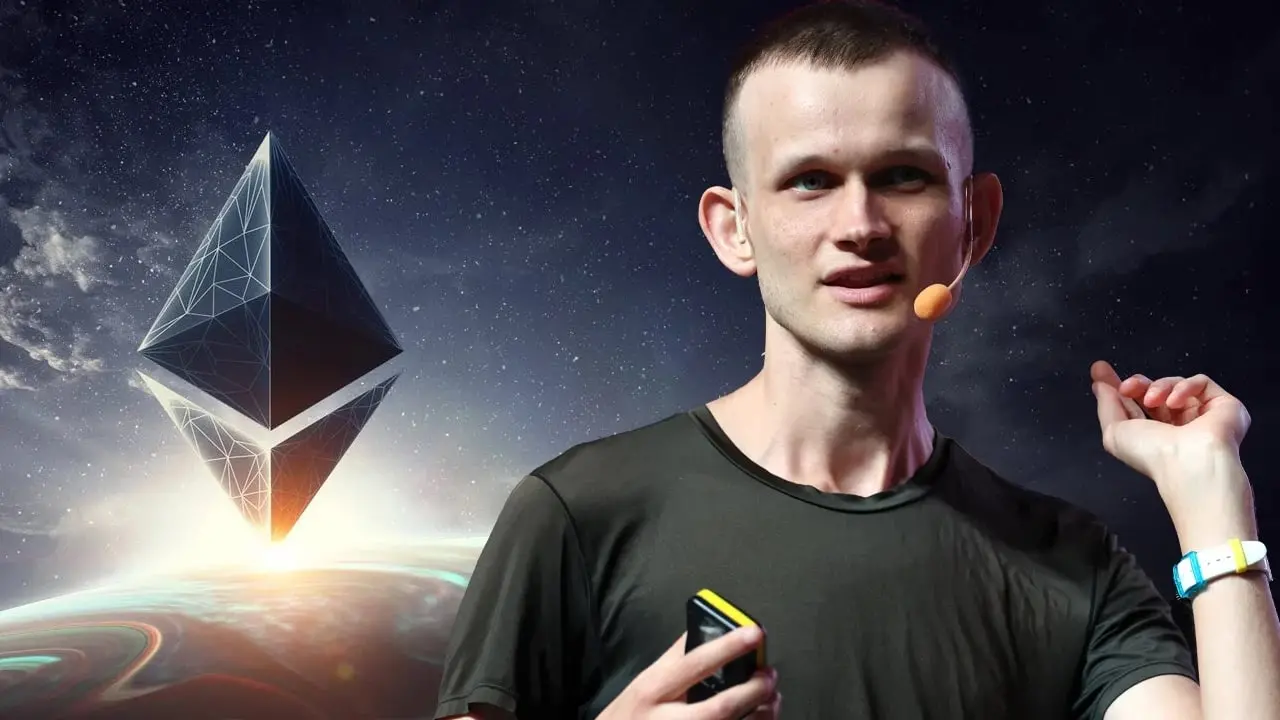
Vitalik elaborated on the Ethereum execution layer roadmap, focusing on two major changes: the state tree and the virtual machine

Ethereum co-founder Vitalik Buterin published a post on social media outlining the Ethereum execution layer roadmap, focusing on two major changes: the state tree and the virtual machine.Regarding the state tree, Vitalik supports upgrading the current hexadecimal Merkle Patricia tree to a binary tree based on a more efficient hash function through EIP-7864. This change can shorten the Merkle branch by four times, reducing the bandwidth cost for client data verification; at the same time, the hash function can be replaced with the Blake3 or Poseidon series, significantly improving proof efficiency.The binary tree design will also group storage slots into "pages," lowering the access cost for adjacent storage, allowing many DeFi applications to save over 10,000 Gas per transaction. Additionally, the binary tree structure is simpler and can reserve metadata bits for future state expiration features.On the virtual machine front, Vitalik proposed that the long-term direction is to replace the EVM, potentially adopting the RISC-V architecture. The new VM needs to meet four goals: higher raw execution efficiency, making most precompiles unnecessary; proof efficiency superior to the EVM; support for client-side generation of ZK proofs; and maximum simplification of code implementation.He pointed out that if Ethereum only stays at the "EVM + GPU" level, it may be "sufficient," but a better VM can make the protocol stronger. The deployment roadmap is divided into three steps: the new VM will first be used to replace precompiles; then users will be allowed to deploy contracts based on the new VM; finally, the EVM will be retired, transitioning to smart contracts written with the new VM, achieving full backward compatibility.

Aster CEO responds to market doubts and announces development roadmap

Aster CEO Leonard has officially responded to the recent ongoing FUD (Fear, Uncertainty, and Doubt) surrounding the project. He stated that the accusations currently circulating are "completely false on a factual level" and represent "maliciously intended opinion manipulation without evidence." In response to questions regarding "sell-off accusations, CZ's involvement, and whether the project is 'exiting liquidity'," Leonard clarified: CZ is merely an advisor to the project, and the investment from Yzi Labs is in a long-term lock-up; Aster operates as an independent project, not controlled or directly operated by CZ or Binance entities. The related accusations are "baseless."He also emphasized that the token release and buyback follow a publicly available token economic model, aimed at incentivizing ecosystem participants rather than facilitating sell-offs. The project has recently upgraded its buyback mechanism, executing daily automatic buybacks on-chain (funded by protocol revenue) to enhance transparency and predictability. Leonard provided the following on-chain verifiable data: a total buyback of 254 million tokens; 78 million tokens have been burned, and an equivalent amount of tokens has been re-locked into the airdrop pool; plans to burn all remaining repurchased tokens in the future.The next development focus for the project includes: expanding asset liquidity and accelerating new listings; a privacy-first Layer 1 network expected to launch in March, achieving both verifiable transactions and privacy protection; subsequently introducing staking features for token holders; optimizing trading experience and interface design. The optimization direction for the token economic model includes: S6 being the last phase of trading airdrops, with future circulation growth expected to slow down; pausing the monthly 1% unlock until staking is live; and continuing to execute automatic buybacks (with up to 80% of fees used for buybacks during S6).

Kite Releases Mainnet Roadmap: Building AI Native Trust and Payment Technology Stack, Decomposing Six Pillars

AI payment public chain Kite has released its mainnet roadmap, aiming to create a trust and payment technology stack native to intelligent agents, addressing the bottlenecks of trust, authorization, and payment in the transition of AI agents from "answering questions" to "executing tasks."The roadmap clarifies the native compatibility of the x402 protocol, supporting standardized payment intentions and settlement with pay-per-call and end-to-end audit capabilities. It also breaks down system capabilities into six independent pillars: agent trustworthiness (KitePass identity anchor + programmable governance), agent settlement (native stablecoin + Facilitator component), agent developer infrastructure (zero-fee RPC + documentation + observability tools), agent network operations (external validators + VaaS + gradual decentralization), AgenticFi (DEX + LSD + cross-chain bridging + deposit and withdrawal channels), and agent ecosystem growth engine (incentive systems + ecological events). Kite stated that the mainnet will adopt a gradual rollout, with phased deliveries over one to two years, prioritizing a balance of security, auditability, and ecological scalability, ultimately forming a sustainable intelligent agent economic system.It is reported that Kite previously completed a $33 million financing round led by PayPal Ventures and General Catalyst, and received strategic investment from Coinbase Ventures.
app_icon
ChainCatcher Building the Web3 world with innovations.