Daily Observation of Cryptocurrency Concept Stocks: SpaceX Acquires Cursor for $60 Billion 6 Days After Going Public, A Dual Pressure Test of Valuation Bubble and AI Ambition

 Released on June 18, 2026. SpaceX, Inc. (NASDAQ: $SPCX) confirmed on June 16 that it would acquire Anysphere, the parent company of the AI programming tool Cursor, for $60 billion in an all-stock transaction, just four days after completing the largest IPO in history on June 12. This marked the first major capital deployment for the newly listed giant; the stock price rose approximately 5-16% (depending on the source) to a historic high of $225.64, with the market capitalization briefly approaching or even surpassing Amazon. However, just one day later (June 17), under the dual impact of a hawkish shift from the Federal Reserve, SPCX experienced an intraday decline of 5.6%, falling back to the $187-$192 range from its recent peak—within 72 hours, the market fully experienced the extremes of an "epic merger narrative" and "valuation bubble correction," providing the company with the most rigorous dual pressure test since its listing.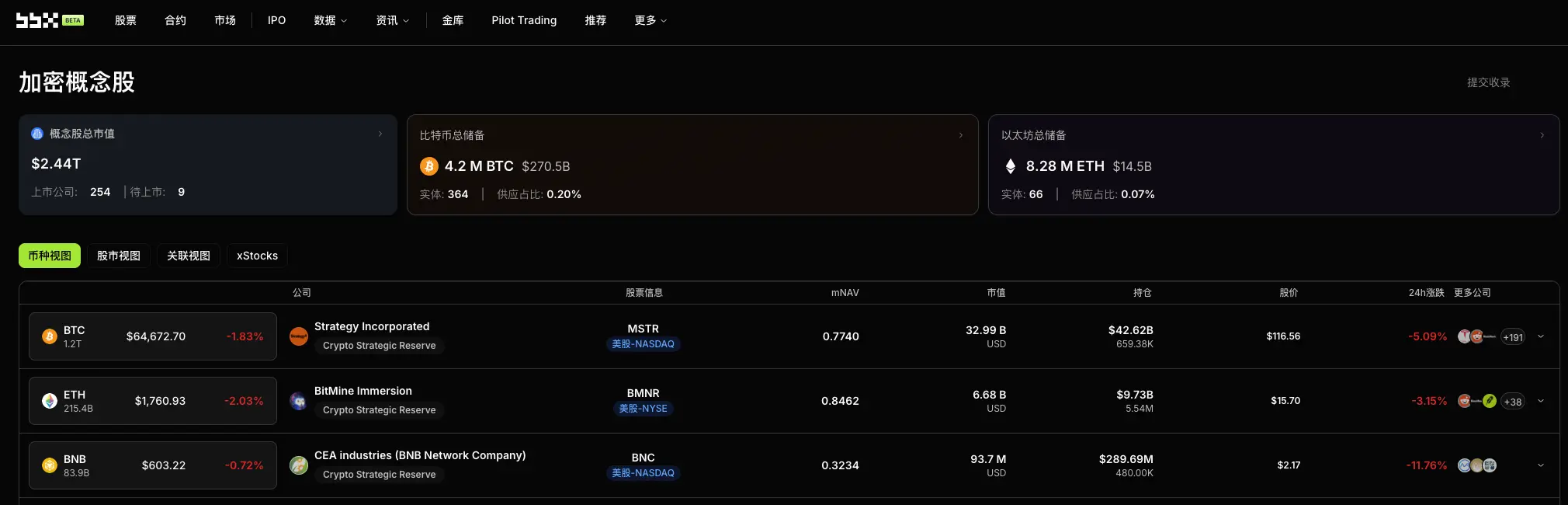
$60 Billion All-Stock Acquisition: Using Valuation Leverage to Strengthen Technology
On June 16, SpaceX confirmed the acquisition of Cursor's parent company Anysphere for $60 billion in Class A common stock, which constitutes approximately 3.4% dilution for existing SpaceX shareholders; this transaction dates back to an agreement signed in April regarding computing power and options, at which time it was agreed that if SpaceX abandoned the acquisition, it would need to pay a $1.5 billion penalty and provide computing resources valued at $8.5 billion. Cursor, developed by Anysphere, founded in 2022, has an annual revenue of approximately $2.6 billion as of June 2026 (previously disclosed as $1 billion in November), and is one of the most widely used AI programming assistants among professional developers, having rebuffed Microsoft's potential acquisition intentions and two acquisition offers from OpenAI. The transaction is expected to be completed in the third quarter of 2026, including a $10 billion penalty for SpaceX in case of default and a $4 billion breakup fee if regulatory review is not passed. The financial logic of this transaction was summarized by investor Bill Ackman on the X platform: "One of the reasons SpaceX is so valuable is its high valuation itself—because the valuation is high enough, a relatively small percentage of equity dilution can complete a $60 billion acquisition."
Morningstar's Warning: 3.2 Times Fair Value and Qualifying as "Most Expensive Stock"
After the acquisition news was announced, Morningstar lowered SpaceX's fair value estimate from $63 per share to $62 per share and listed it as one of the "most expensive stocks" in its coverage—based on the current stock price, SPCX is trading at about 3.2 times fair value, implying a downside potential of about 69%. Morningstar pointed out that SpaceX's total revenue for 2025 is projected to be $18.7 billion, expected to grow to $36.8 billion in 2026; even so, this is only equivalent to Micron's revenue last year, while Amazon's revenue is more than 19 times that. Meanwhile, SpaceX is expected to have a consolidated net loss of $4.9 billion in 2025, primarily due to xAI integration costs—this means the company is supporting a valuation system that has not yet turned a profit, yet has already jumped to become one of the top five to six largest companies by market capitalization in the U.S., with a highly scarce public float (only about 4-5% of shares are freely tradable post-IPO, with over 95% locked up).
Lock-Up Structure: Late July is the Next Key Supply Shock Point
The fragility of SpaceX's current stock price is partly rooted in its extreme float structure. The standard 180-day lock-up period will expire on December 8, 2026, but an earlier supply shock point is expected from late July to early August: at that time, up to 20% of the 4.6 billion standard locked shares may be unlocked for trading. If SPCX has a closing price above 30% of the $135 IPO price on 5 of the 10 trading days prior to the Q2 earnings report disclosure, an additional 10% will be unlocked early. Elon Musk's personal holdings are subject to a separate 366-day lock-up, which will expire on June 12, 2027. The company's first earnings report as a public company will be released on September 2—before this, the market lacks any official financial data to verify the current valuation, with all pricing relying on historical data from the IPO prospectus and management narratives.
SpaceX's "AI Giantization" and Cross-Validation of Cryptocurrency Concept Stock Valuation Logic
SpaceX's choice to direct its first major capital deployment post-IPO into the AI programming sector rather than debt reduction or Starship capital expenditures is a signal worth noting for cryptocurrency concept stock investors—it confirms a common logic across asset classes: in the capital market narrative of 2026, "AI infrastructure + computing power lock-in contracts" are becoming more decisive valuation variables than any single asset price (whether Bitcoin or space launch revenue), following the same valuation paradigm as Galaxy Digital's CoreWeave long-term lease and IREN's $9.7 billion contract with Microsoft. However, SpaceX's simultaneous decline amidst the FOMC's hawkish impact yesterday also signals to the market: no matter how grand the narrative, the fragility of extremely overvalued assets during a macro liquidity tightening cycle will not disappear. For investors holding positions in Strategy, Robinhood, and other cryptocurrency concept stocks, SpaceX's combination of "high valuation + low float + strong narrative" serves as the best real-time case to observe the current market sentiment boundaries—the unlocking of the lock-up period at the end of July and the first earnings report on September 2 will be two key points to test whether this valuation system can withstand real supply and demand challenges.
Data source: https://bbx.com/ Cryptocurrency concept stock information database, compiled based on yesterday's announcements from global listed companies and SEC/TSE disclosure documents.
 Risk warning


Popular articles