Daily Observation of Cryptocurrency Concept Stocks: The 4-Year Incentive Plan Expired Without Replacement, Ethereum Core Development is Entering a "$30 Million Funding Crisis"

 Released on June 22, 2026. Today's in-depth industry observation shifts the focus from secondary market treasury purchases to the core ecological governance and infrastructure financial crisis of cryptocurrency. The latest public warning from Trent Van Epps, a key member of the former Ethereum Foundation, has exposed the harsh reality of the Ethereum Foundation's financial constraints. With the official expiration of the 4-year Client Incentive Program (CIP) and the absence of a successor plan, the core research and development layer of Ethereum is facing a structural funding gap that will erupt in the coming months.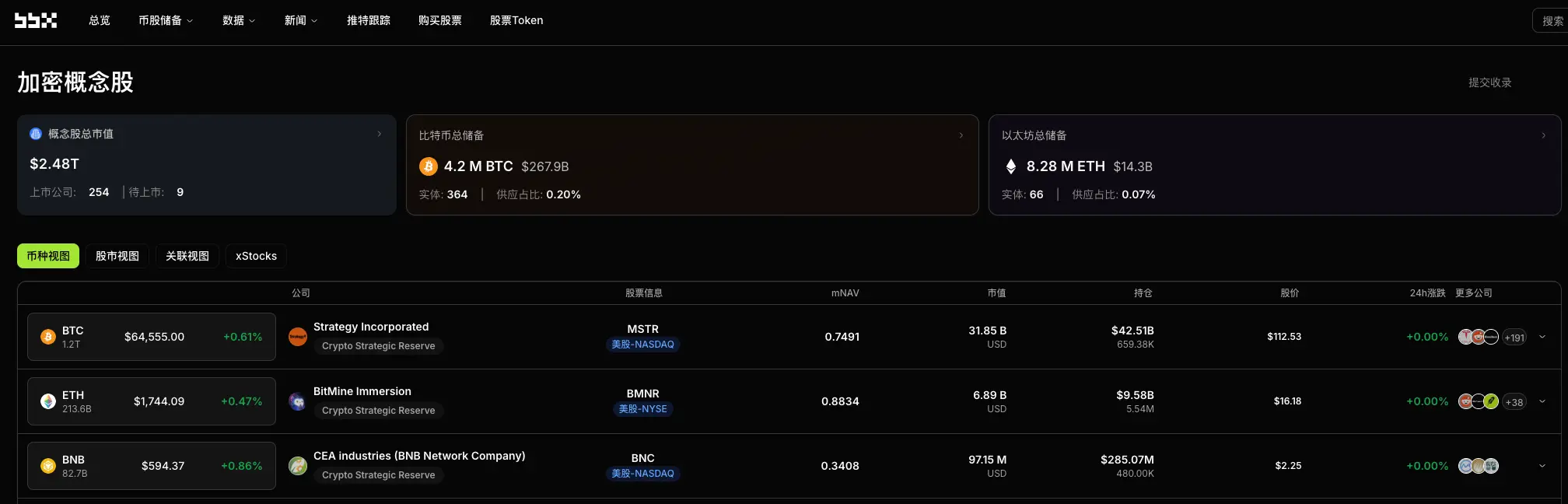
Resetting the Core Contract: The Ethereum Foundation Steps Back from the Power Center
In the decade-long development history of Ethereum, the Ethereum Foundation (EF) has served as the absolute spiritual leader and financial pillar. However, this myth is being shattered.
Former Ethereum Foundation member Trent Van Epps clearly pointed out in a recently published study that the Ethereum Foundation will not be the main manager of Ethereum in the next 10 years. Faced with a large and complex decentralized ecosystem, Ethereum urgently needs to reset the relationships among stakeholders in terms of political, economic, and social contracts. The foundation's past "central kitchen" model is showing systemic fatigue in funding allocation and decentralized research coordination, and the ecosystem urgently needs to evolve from relying on a single non-profit organization's blood transfusion to a more diverse and commercialized distributed funding model.
Four-Year CIP Program Disruption: Client Teams Face a Lack of Resources
The core financial evidence presented by Van Epps reveals the urgency of the crisis.
As the foundation's most successful financial funding tool, the Client Incentive Program (CIP), which funded major core client teams through staking rewards, officially expired in April 2026. Worryingly, as of now, the foundation has not formed any substantial alternative or continuation plan internally.
Currently, maintaining the normal delivery capacity of more than 10 core clients, cryptographic research, and network coordination teams requires at least $30 million in continuous cash flow each year. According to Van Epps' recent closed-door discussions with several core development stakeholders, due to limited appreciation of the foundation's treasury assets and friction in traditional clearing paths, the Ethereum core development layer may officially enter a slow evolution but devastating funding crisis within the next 3 to 9 months.
Chain Reaction of Capital Outflow: Key Talent Loss and Delayed Response to Quantum Challenges
This potential underlying financial collapse is fatal for Ethereum.
If the $30 million funding gap cannot be filled in the next two quarters through decentralized autonomous organizations (DAOs) or commercial infrastructures (such as donations to re-staking ecosystems like EigenLayer), it will directly lead to the loss of key top talent in the underlying protocol. The inability to maintain the development team not only means a visible decline in the routine maintenance capacity of daily protocols but will also directly hinder Ethereum's response speed to hardcore security challenges such as long-term scalability upgrades, privacy layer construction, and the imminent quantum-resistant upgrades.
The Hidden Worry of "Infrastructure Hollowing" Behind the Prosperity of Enterprise-Level Holdings
Looking at the global cryptocurrency industry landscape, the market is showing a cold sense of disconnection: on Wall Street and among listed companies, funds are crazily pouring into the application layer and prediction markets through cross-border capital like ETFs and NewGen, creating a narrative of hundreds of billions in prosperity; however, on the development side of public goods, Ethereum's proud core developers are facing livelihood challenges. Piercing through the fog of "infrastructure hollowing," how to inject $30 million of certain liquidity back into core development through on-chain self-generating mechanisms in the second half of 2026 will directly determine Ethereum's compliance and security ceiling for the next decade.
Data Source: https://bbx.com/ Cryptocurrency Concept Stock Information Database, compiled based on yesterday's global listed company announcements and SEC/TSE disclosure documents.
 Risk warning




Popular articles